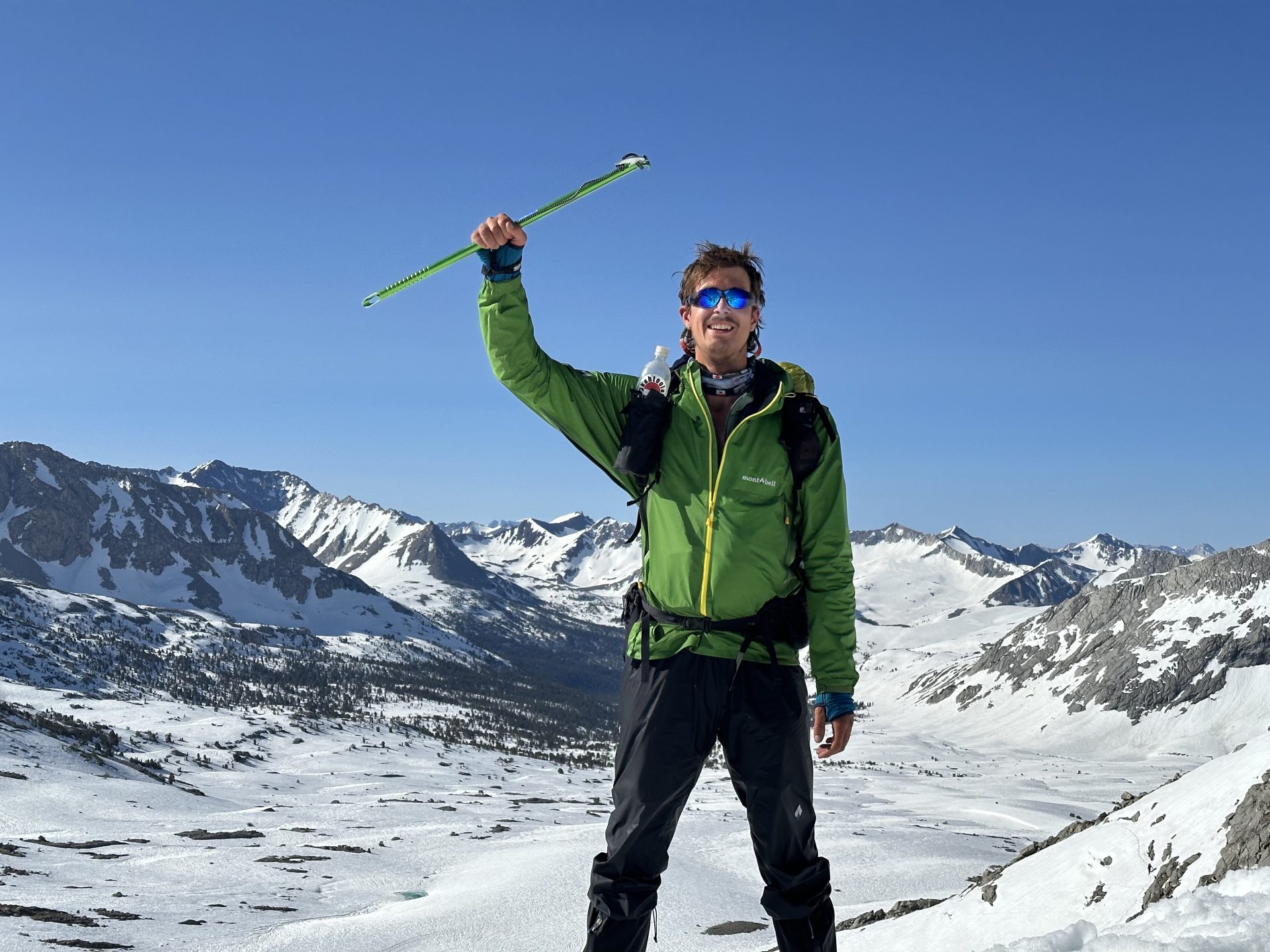
About Simon
Simon is a young medical student from Germany whose heart belongs firmly to the outdoors. Originally from the Heidelberg area and now living in Berlin, he balances the demands of studying human medicine with a deep passion for hiking, climbing, and even Latin American couple dancing. His love for nature began early, evolving from climbing in a school club to tackling long-distance trails across Europe. Whether in the Black Forest, the Skye Trail in Scotland, the high route of the Pyrenees, or trekking across Denmark’s island of Møn, Simon seeks both freedom and simplicity in the wilderness.
What he values most are the people he meets along the way and the shared moments that make every challenge lighter and every landscape more meaningful.
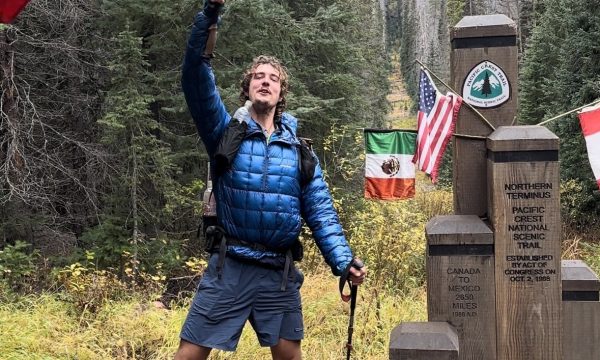
In 2023, Simon took on his biggest adventure yet: hiking the Pacific Crest Trail (PCT) from Mexico to Canada, a 4,280-kilometer journey through desert, high mountains, deep snow, and long stretches of solitude. The PCT became not only a physical challenge but also a time for reflection, personal growth, and a deeper awareness of queer visibility and acceptance—issues close to his heart.
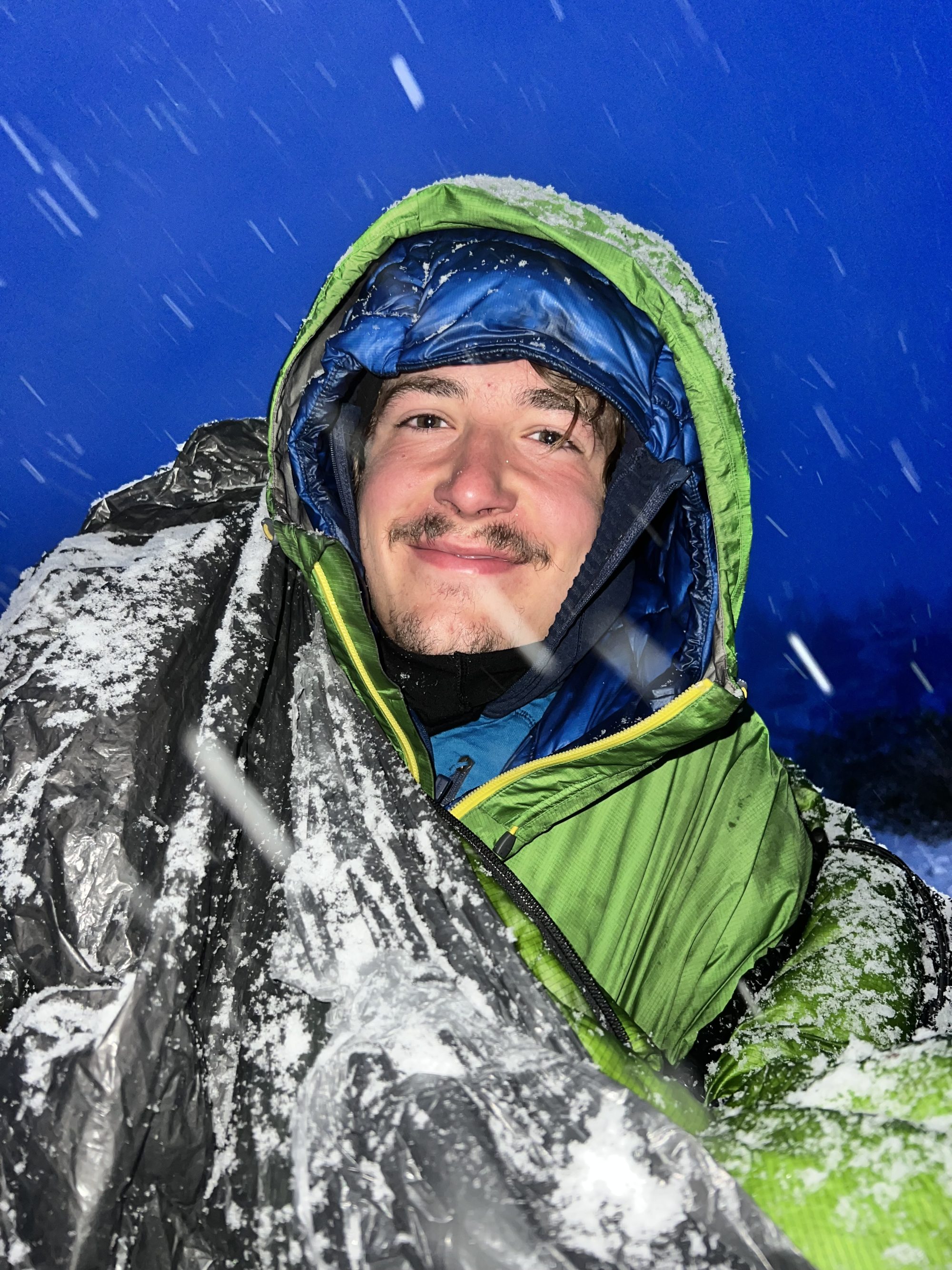
From navigating snow-covered passes at night to building lifelong friendships under the most demanding conditions, Simon’s experiences on the PCT have shaped him profoundly. They reflect his resilience, curiosity, and the sense of freedom he finds whenever he steps outside and into the world.
Pronouns
he/him
Origin
Heidelberg, Germany
Location
Berlin, Germany
Outdoor Beginnings
Q: Simon, can you start by introducing yourself?
Simon: Sure! I’m Simon, originally from the Heidelberg area in Germany. I now live in Regensburg, where I study human medicine. Outside my studies I love being active—especially outdoors. Hiking, climbing, and bouldering are my main passions. I also dance Latin American partner dances like Samba, Cha-Cha, Jive, and Rumba.
Q: How did you get into climbing?
Simon: I started in 5th or 6th grade in a school climbing club. Later, when I was older, I went bouldering a lot with my sister.
Q: What’s the climbing community like where you live—especially regarding queer inclusion?
Simon: I’d say the gyms here in Regensburg are generally queer-friendly. I haven’t noticed a particularly big queer climbing community, neither here nor back in Heidelberg, but the atmosphere overall is open and friendly.
Freedom, Nature & Minimalism
Q: What does being outdoors mean to you?
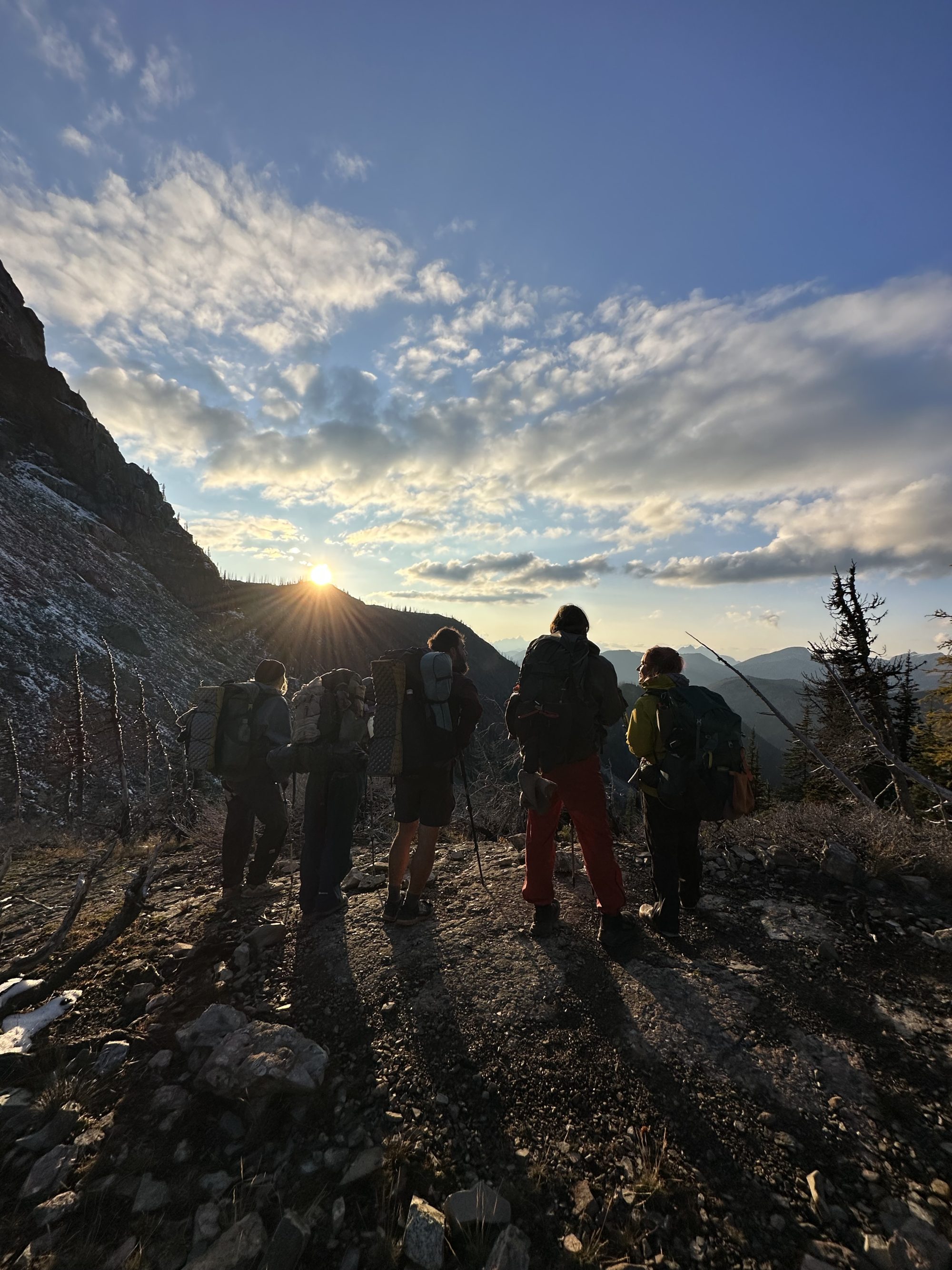
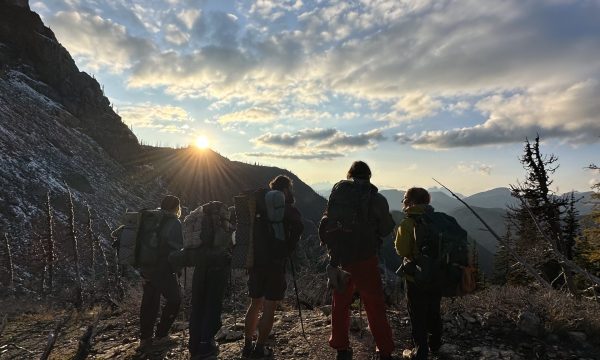
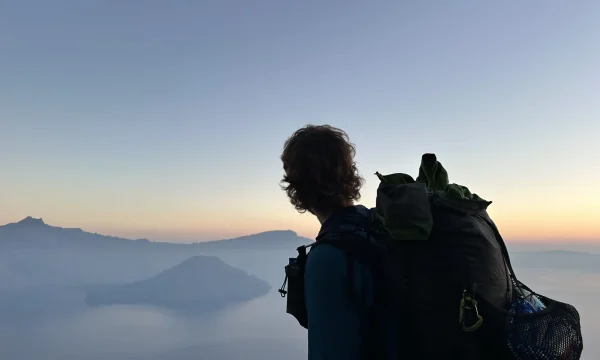
Simon: Being in nature gives me a huge sense of freedom. I really enjoy traveling minimally—carrying only what I need. Long-distance hiking allows me to escape everyday stress and the constant input we’re exposed to. In nature I can switch off, let my thoughts run free, and think things through calmly.
Q: How do you practice minimalism on the trail?
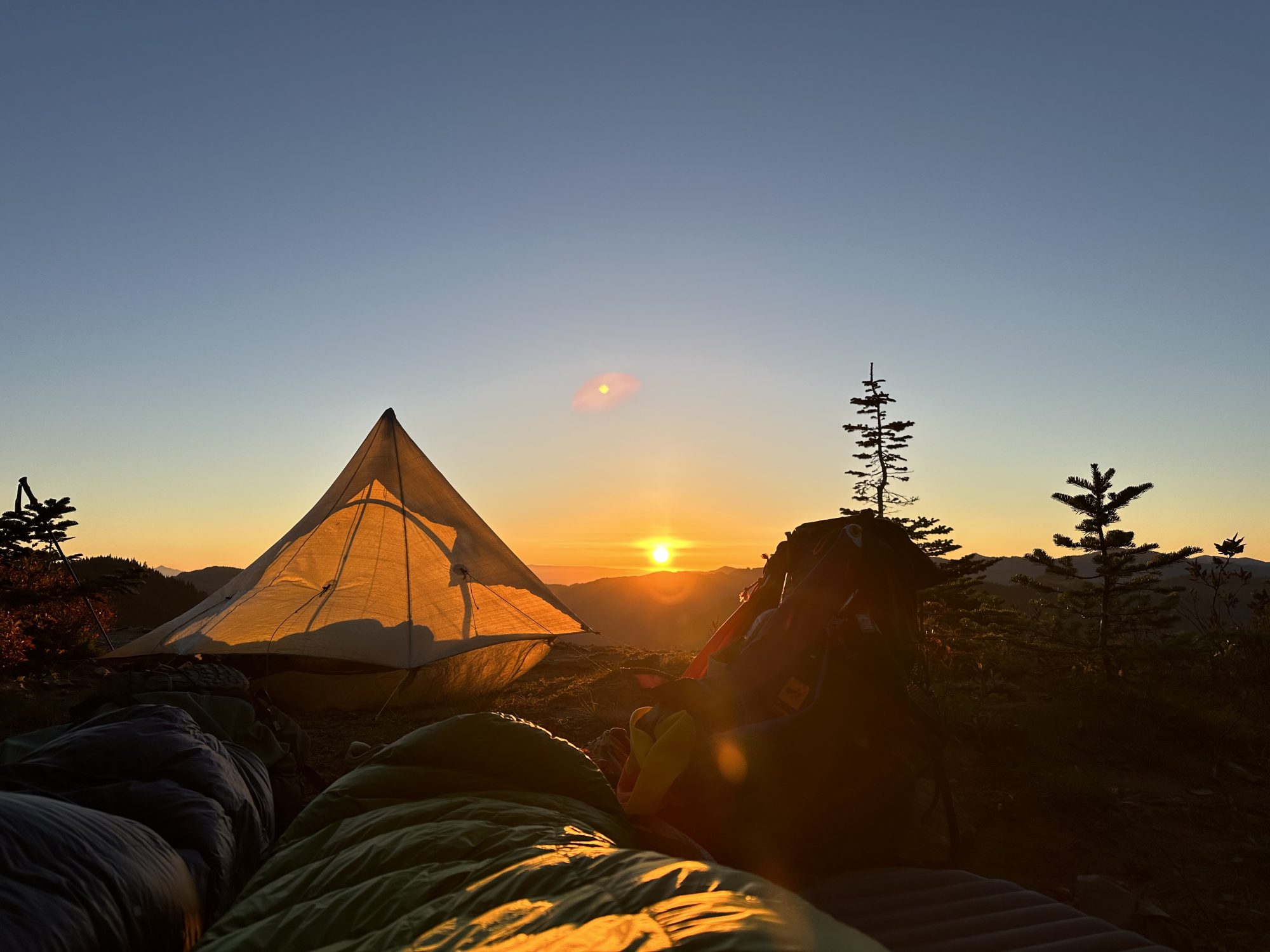
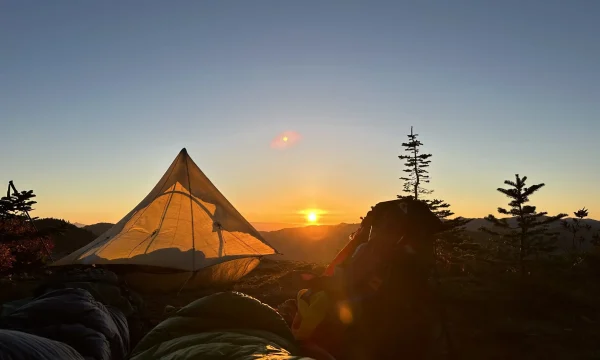
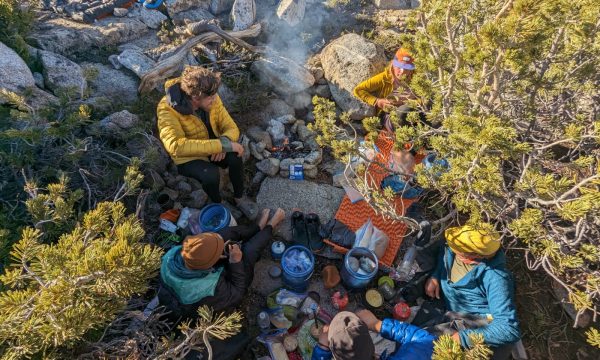
Simon: I pack only the essentials: tent, sleeping bag, sleeping mat, food, water, and my phone for music or photos. Some hikers even cut their toothbrush handles to save weight—I don’t go that far, but I do keep my pack as light as possible.
Q: Does minimalism also mean you prefer hiking alone?
Simon: Not necessarily. Minimalism is about equipment, not being alone. I usually prefer hiking with friends or in a group—joy is richer when shared, and hardship becomes easier. But I do enjoy being alone sometimes; both experiences can be special.
Q: What outdoor projects had you done before the Pacific Crest Trail?
Simon: Almost all of my major outdoor projects were long-distance hikes. Right after finishing school I hiked the Westweg in the Black Forest and part of the E5 in Italy for about 6–7 weeks with a friend. Later I hiked the Skye Trail in Scotland, did a solo hike in Denmark, and spent a week in the Pyrenees.
Q: Which of these hikes stands out the most?
Simon: Definitely my very first long-distance hike in the Black Forest. It wasn’t the most dramatic landscape, but everything was new: being away for weeks, carrying everything in my backpack, sharing the adventure with a friend. We laughed a lot and learned a lot. That first experience was truly unforgettable.
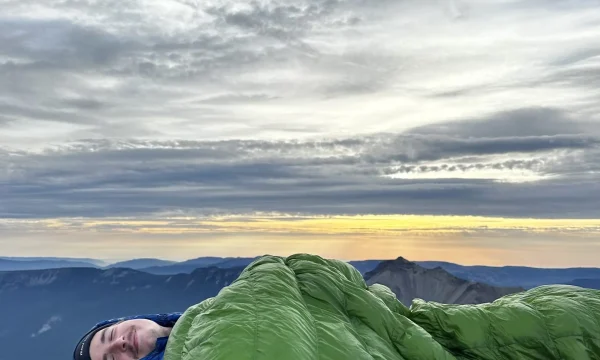
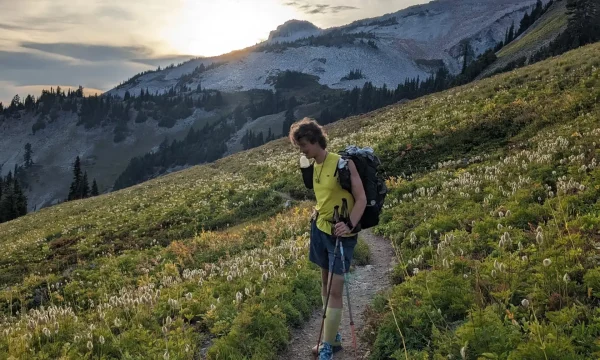
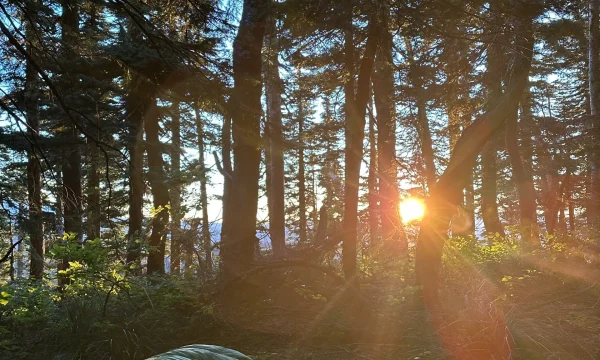
Queer Visibility in Outdoor Spaces
Q: You’ve said you want to become more involved in queer activism. What inspired that?
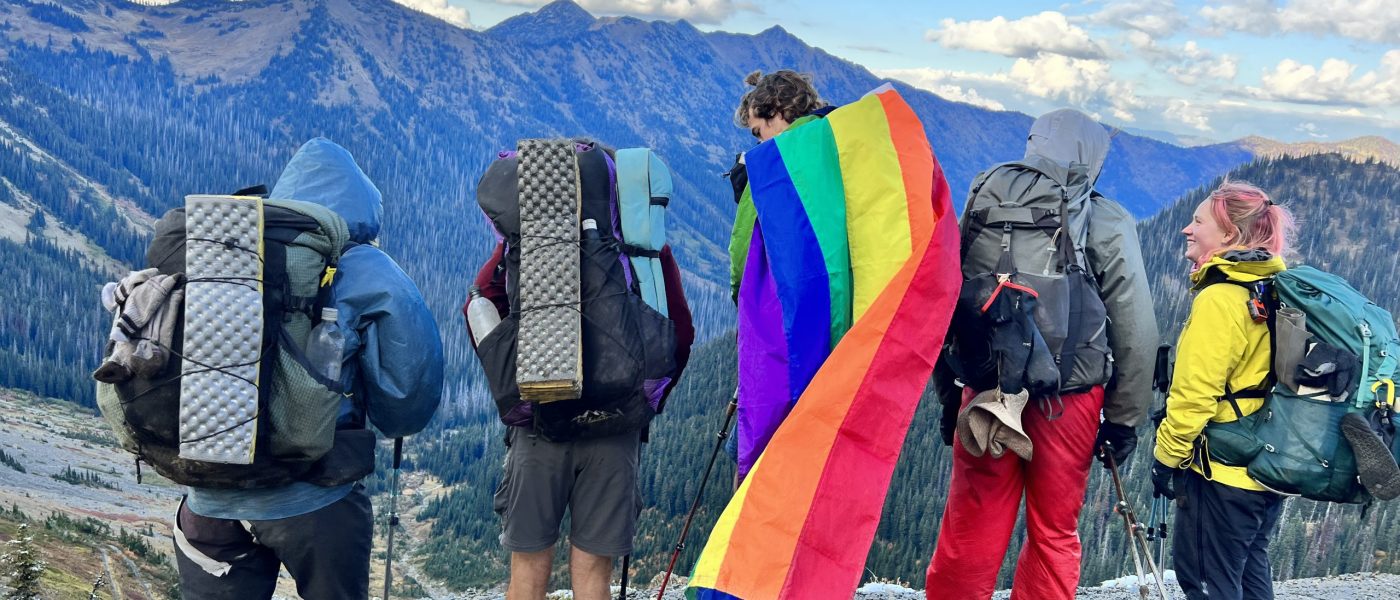
Simon: I had a lot of time to reflect on the PCT. I realized how important visibility is—especially for smaller identities within the LGBTQ+ community, like asexual or non-binary people. Some of my queer friends have told me how unseen they often feel. I want to help change that.
Q: How did you experience queer visibility on trail versus in towns?
Simon: On the PCT itself, the community was incredibly open and diverse. I met many queer hikers, including non-binary people. But the small towns along the trail felt much more conservative. I never experienced discrimination, but I noticed the difference—especially compared to big U.S. cities. A close friend from Texas told me how openly queer-hostile some regions still are. That contrast made me realize how important visibility is, even outdoors.
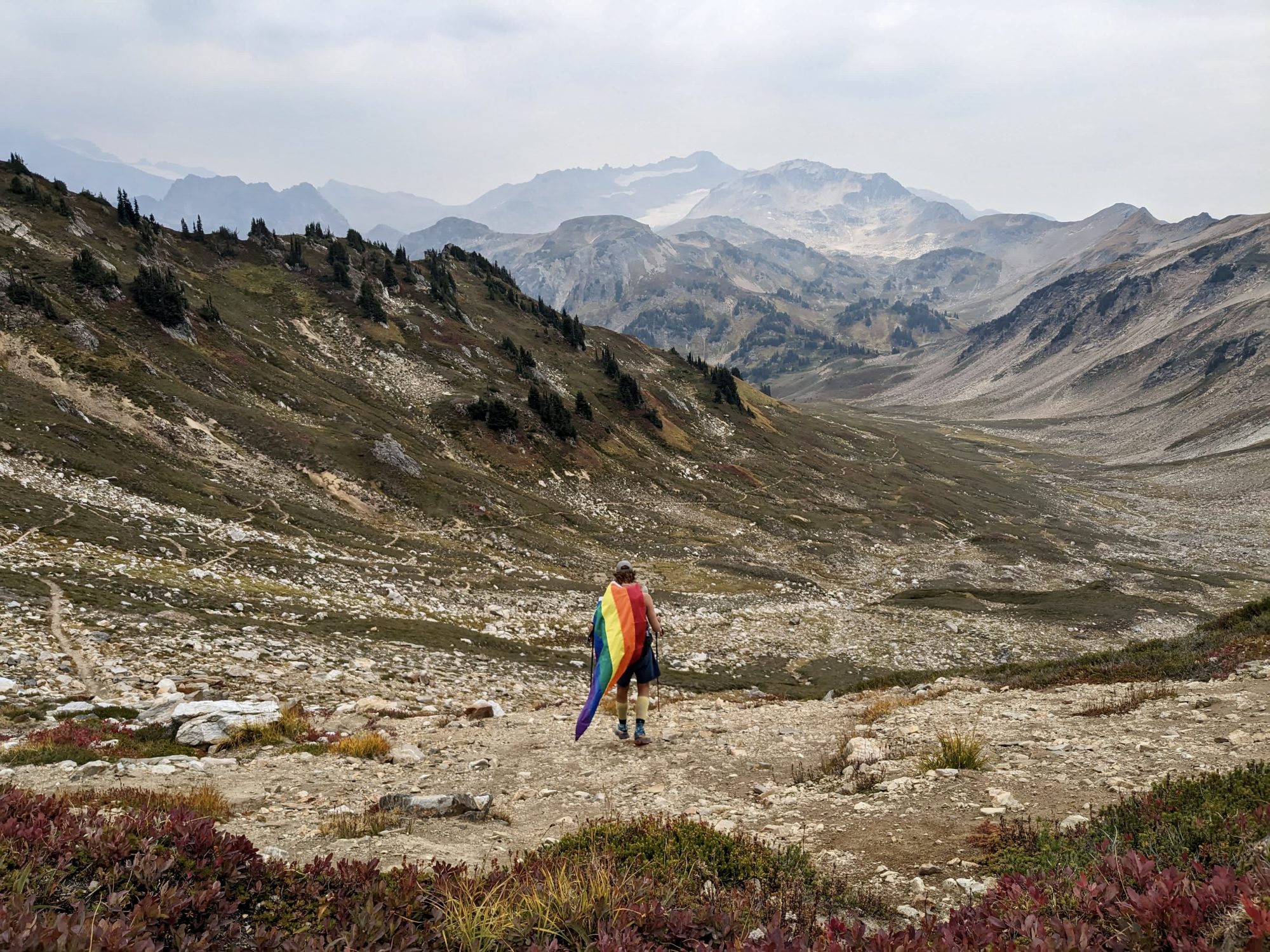
Q: How did people react to your rainbow flag on trail?
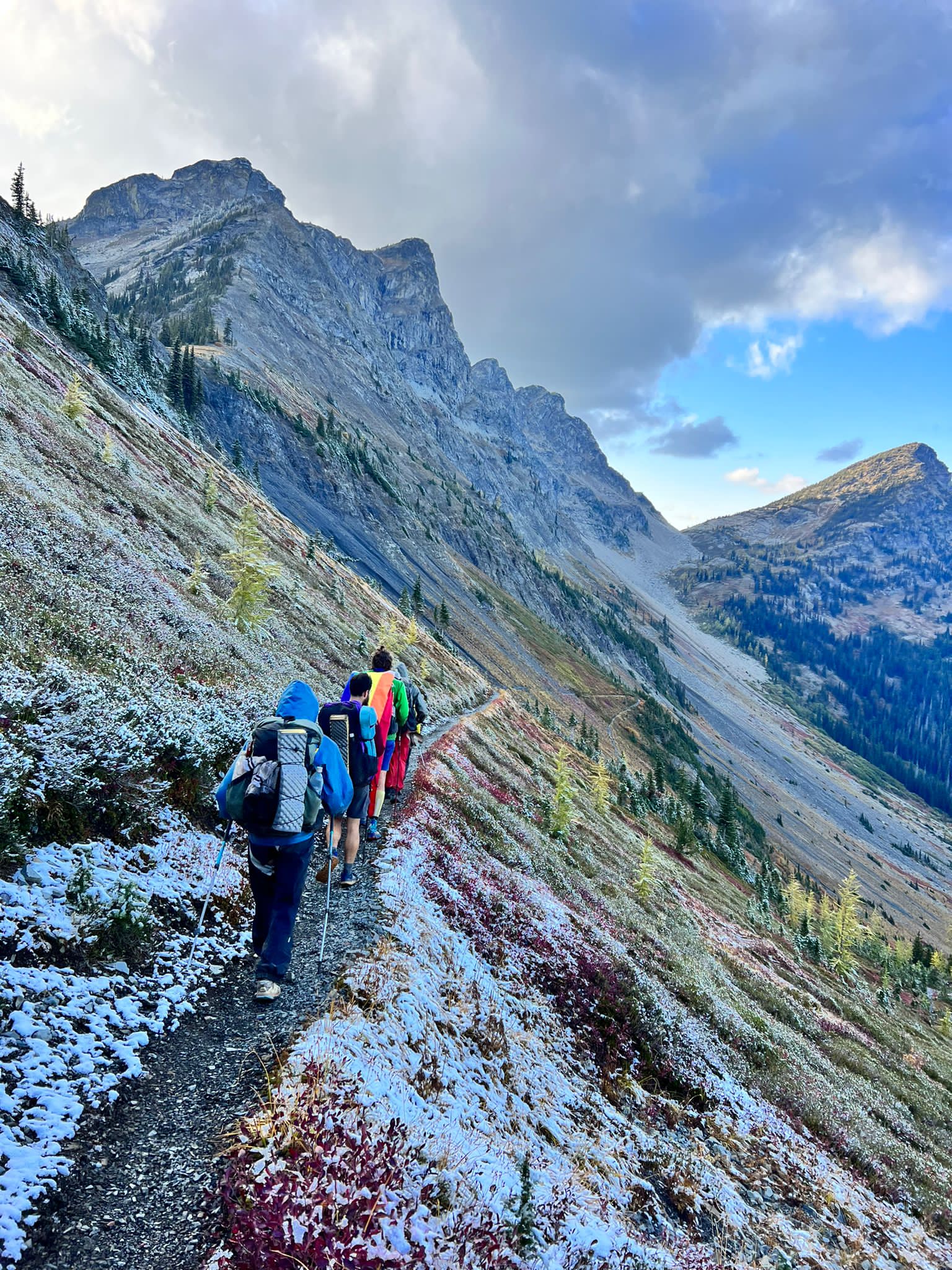
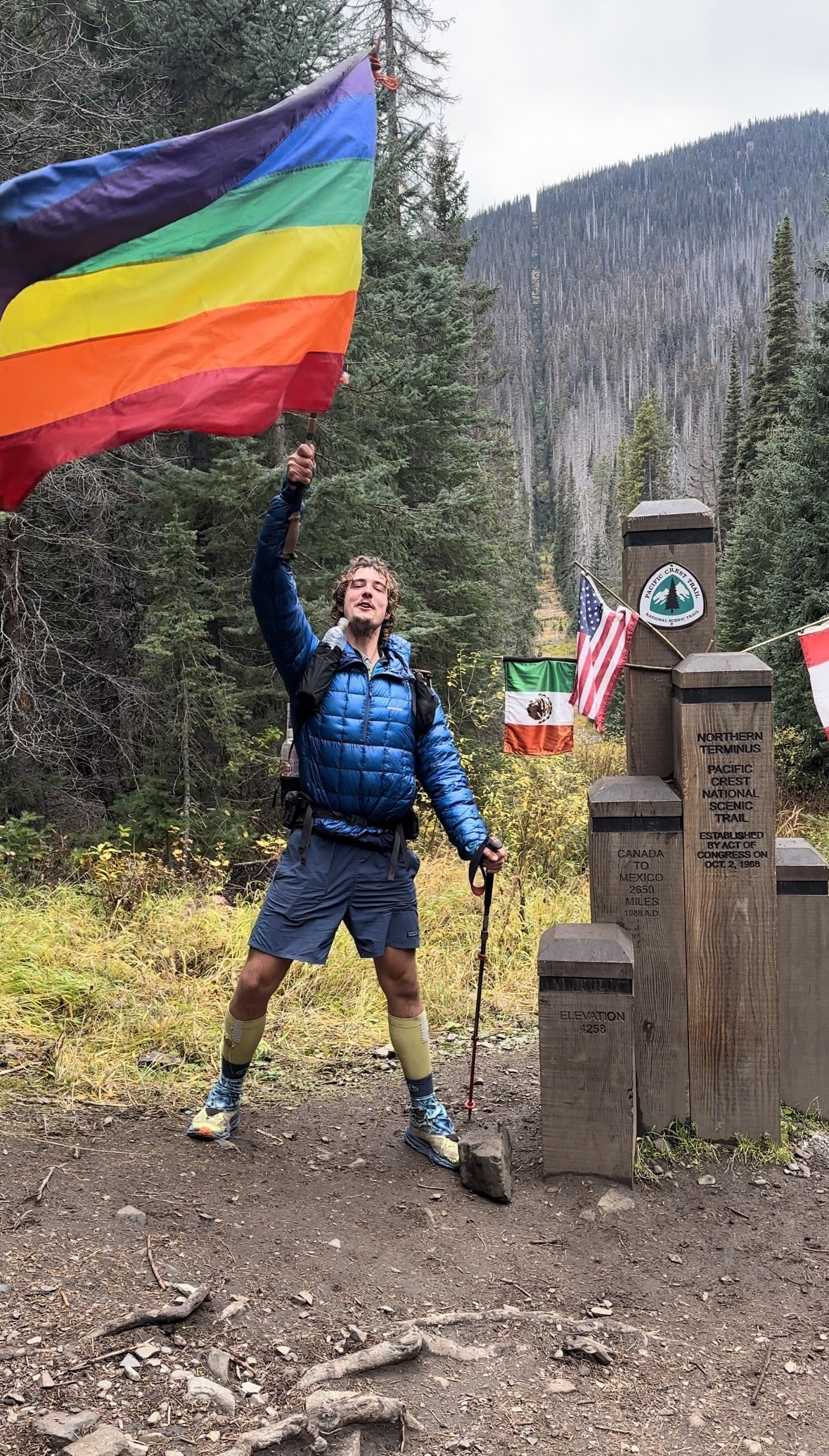
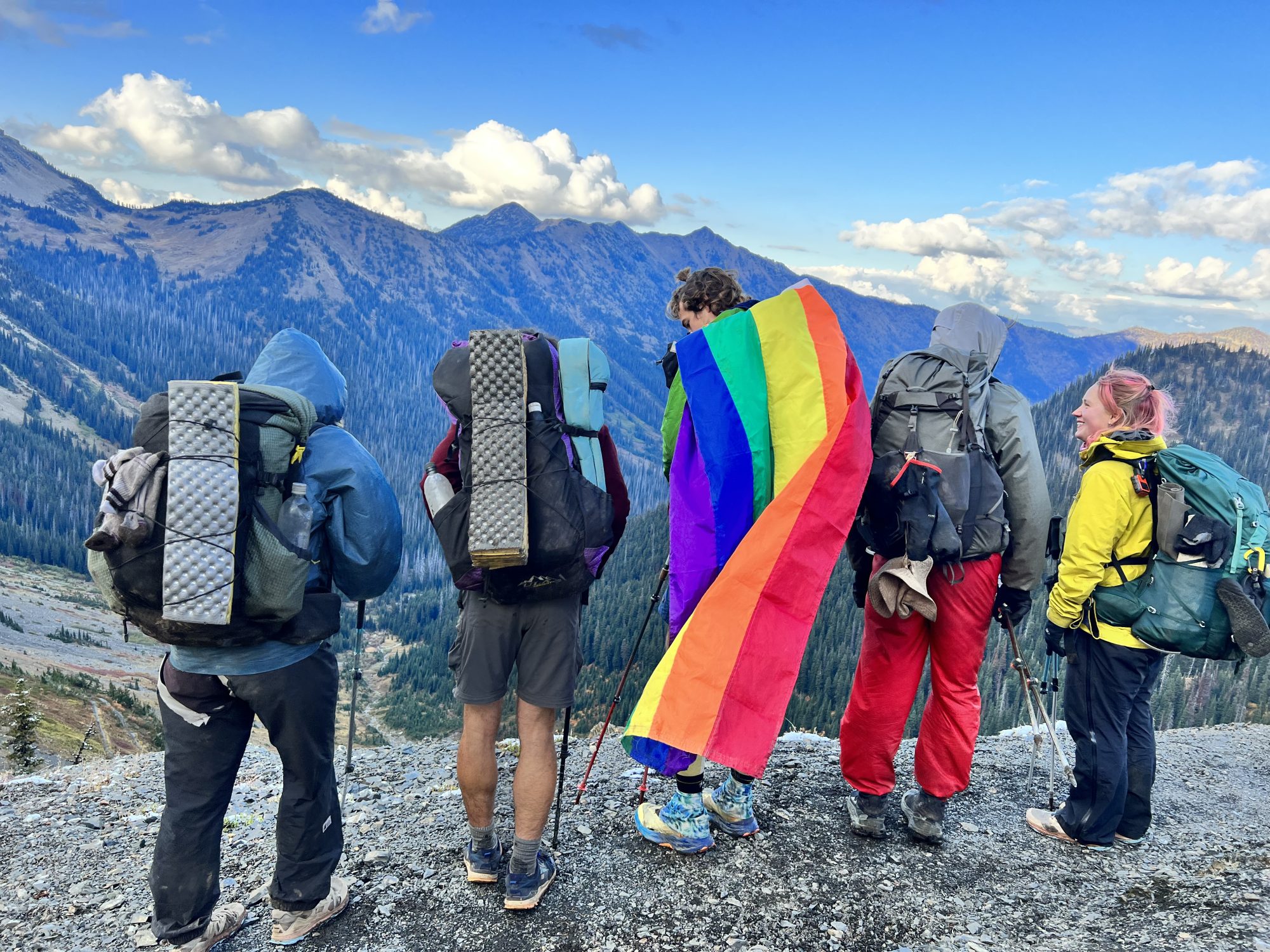
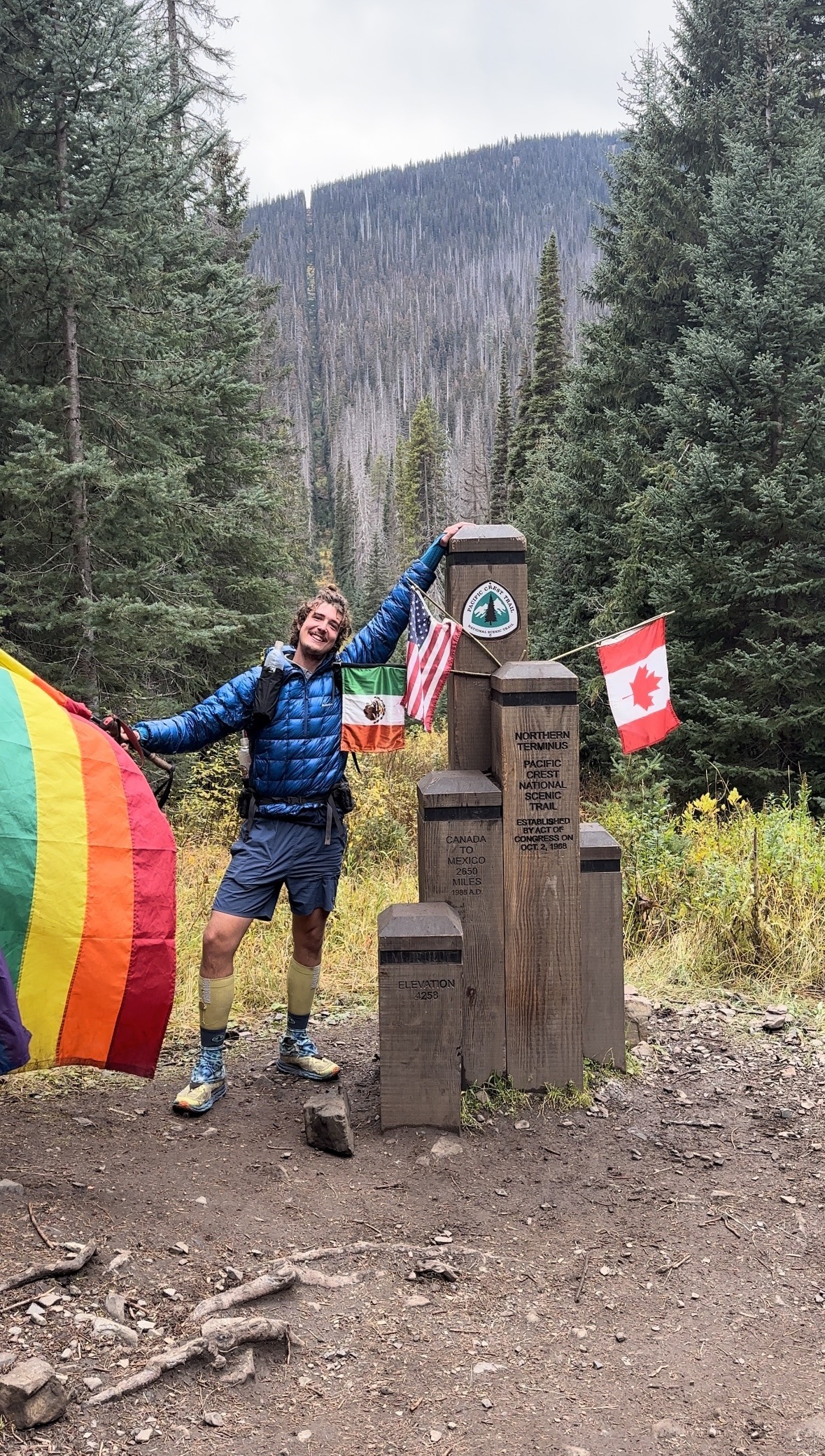
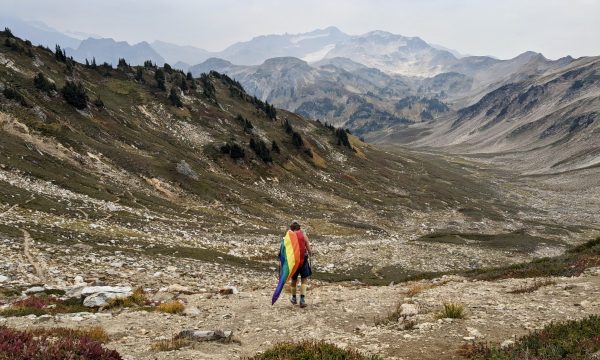
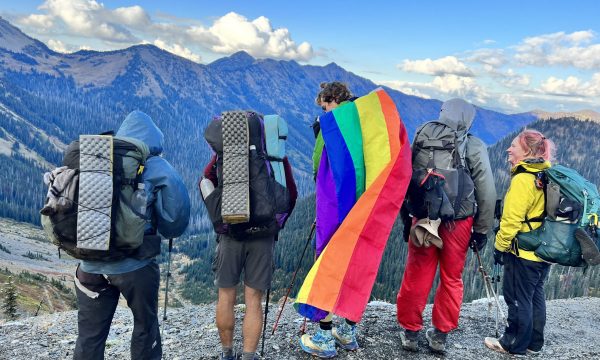
Simon: Always positively. Hikers and day visitors would smile or say something kind. I didn’t get a single negative reaction on trail. That meant a lot.
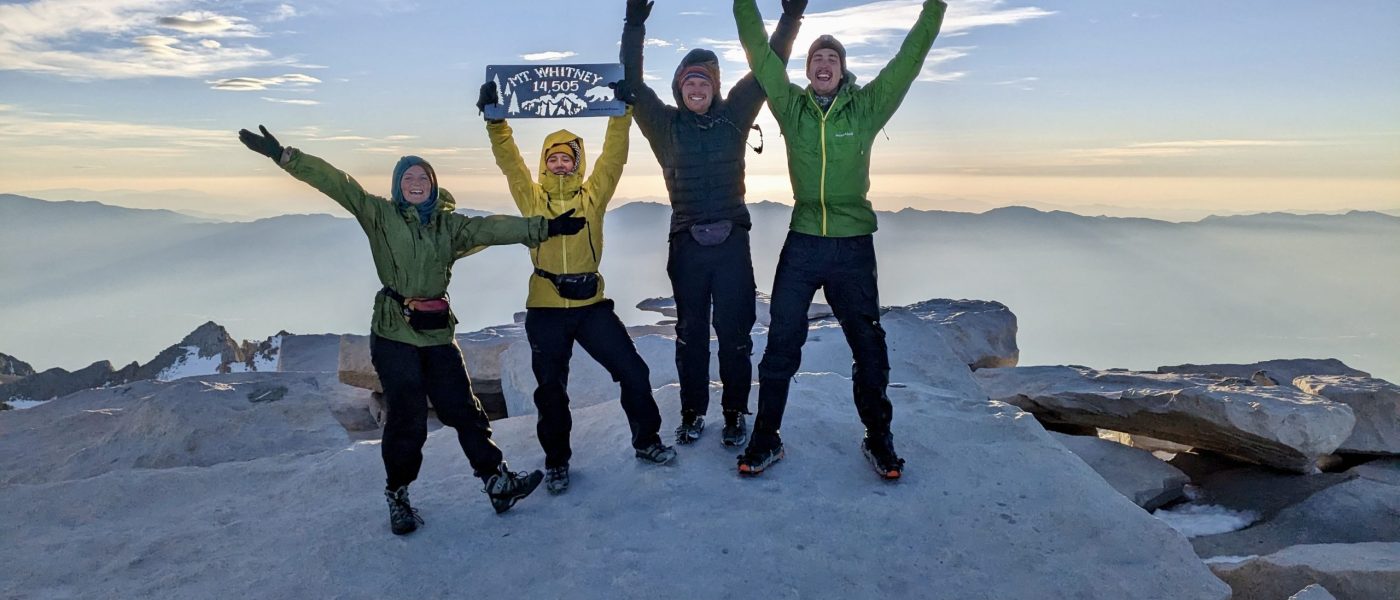
The Pacific Crest Trail
Q: For those who don’t know it, what is the PCT?
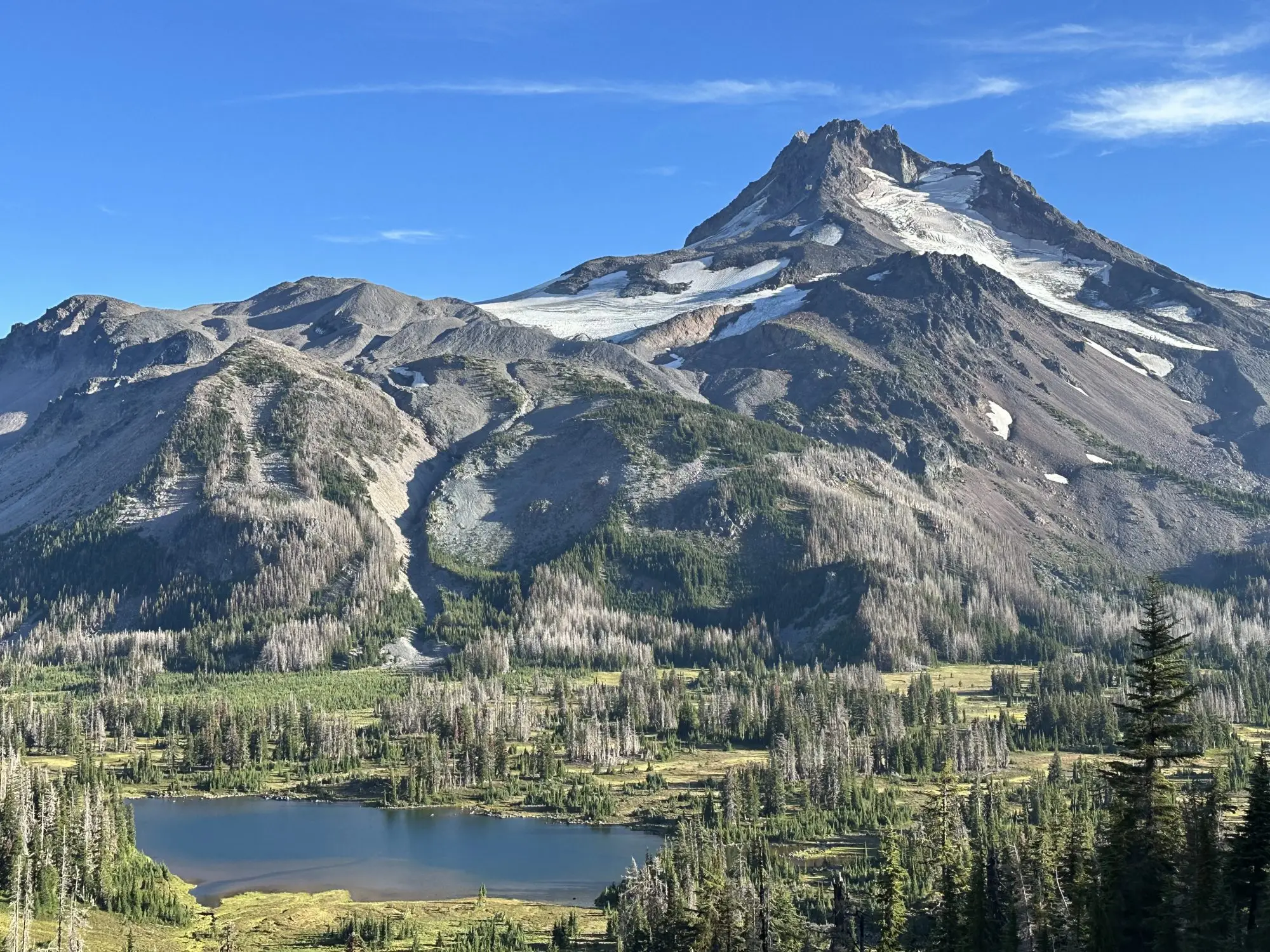
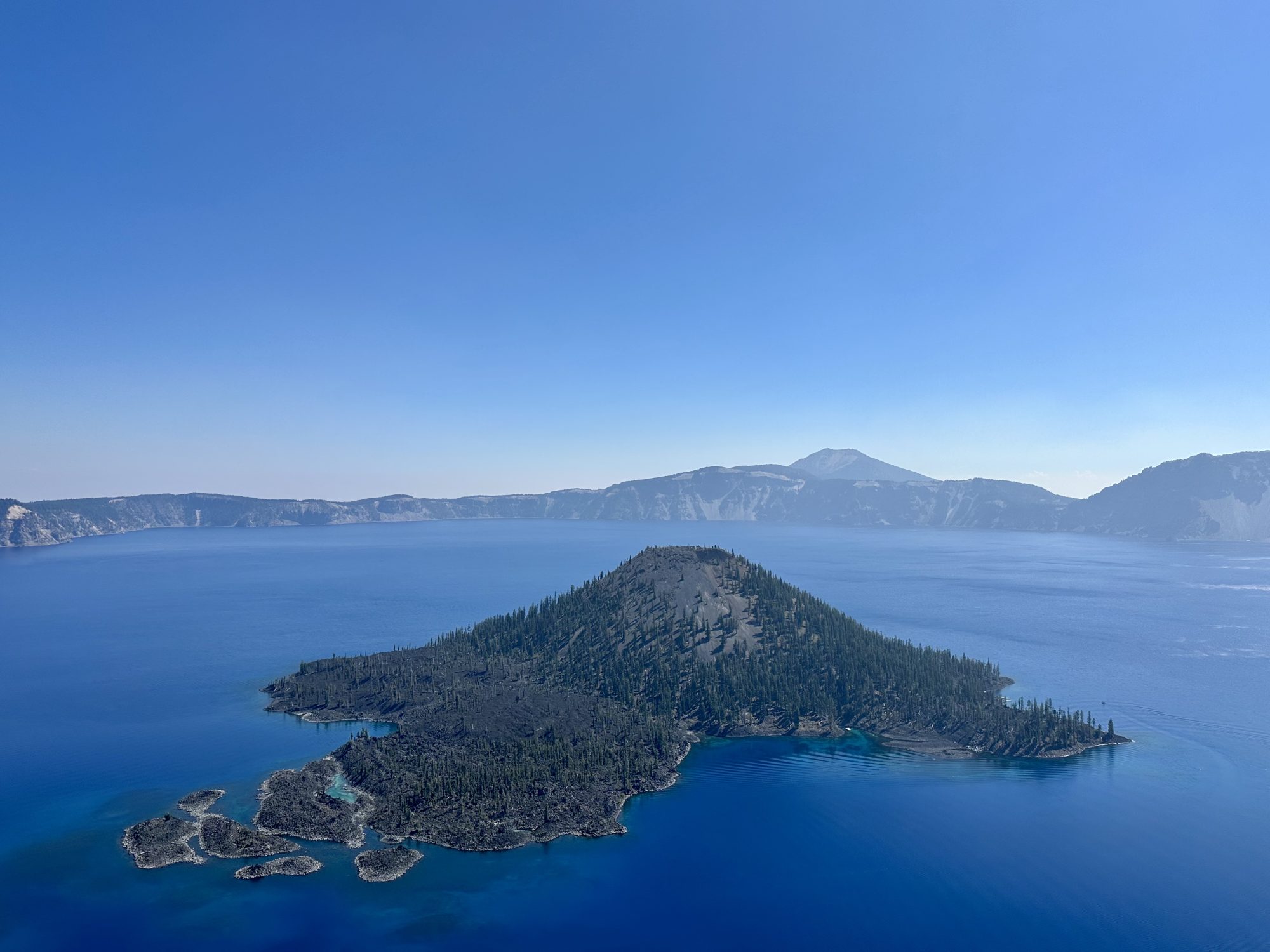
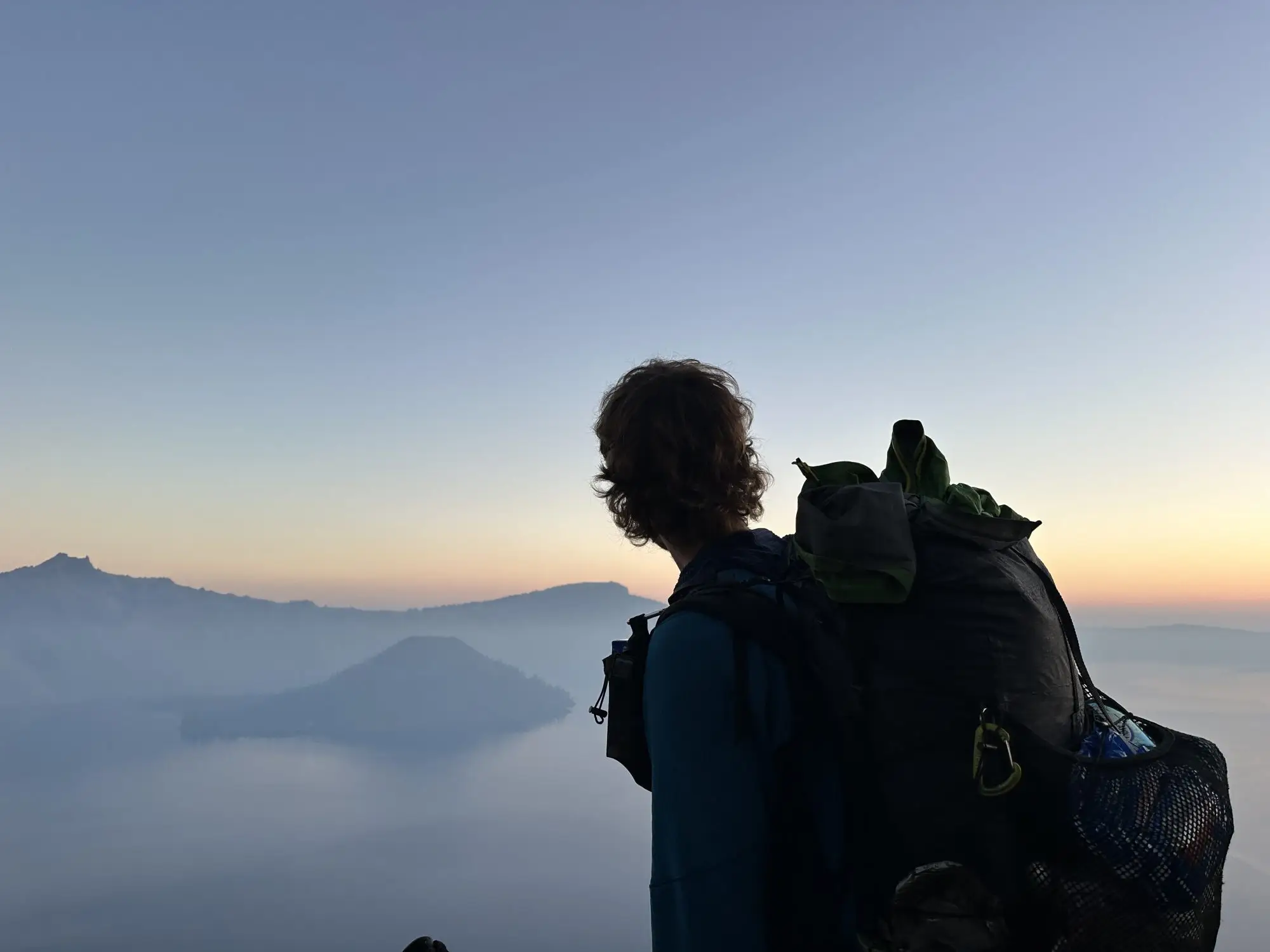
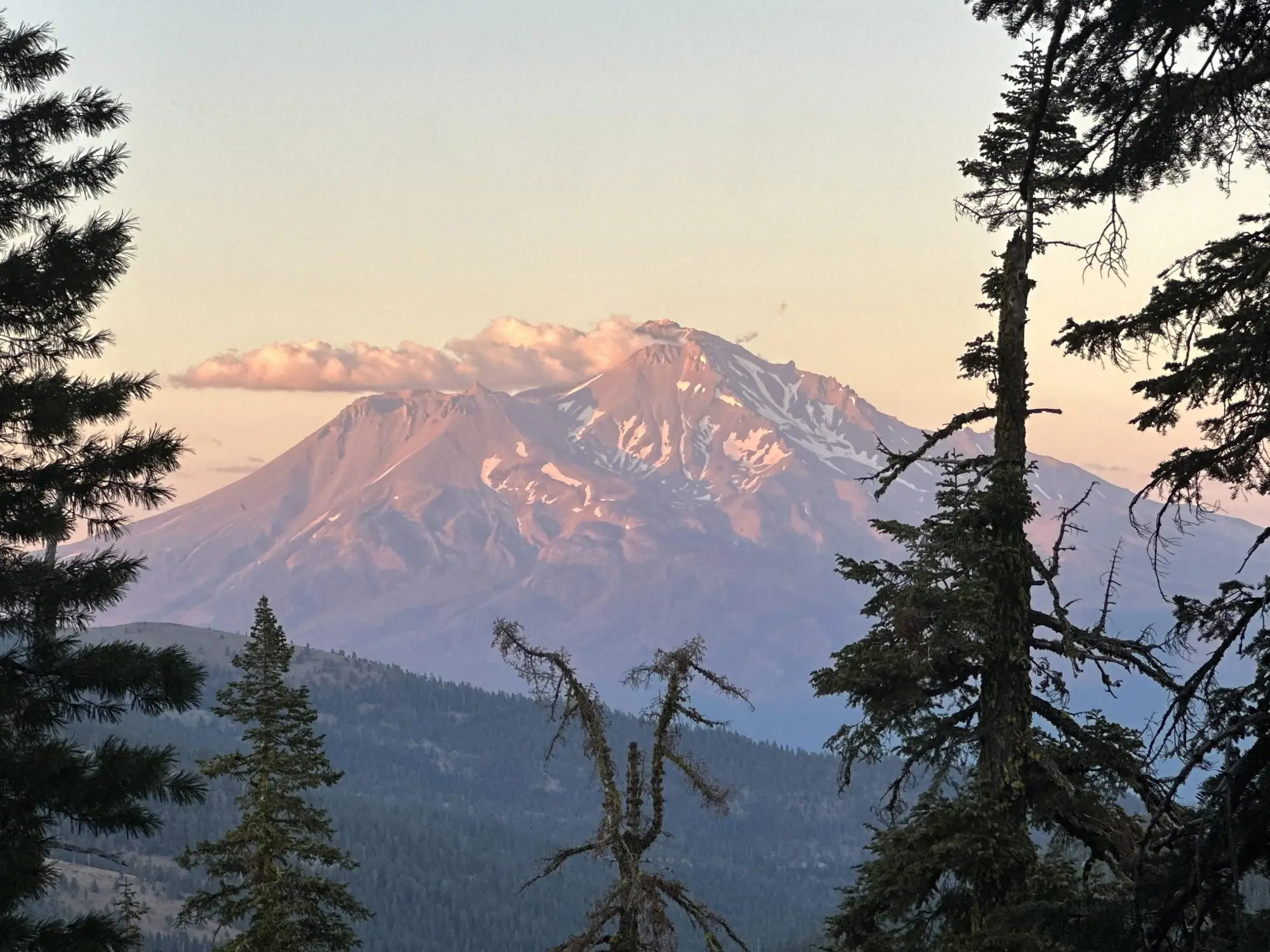
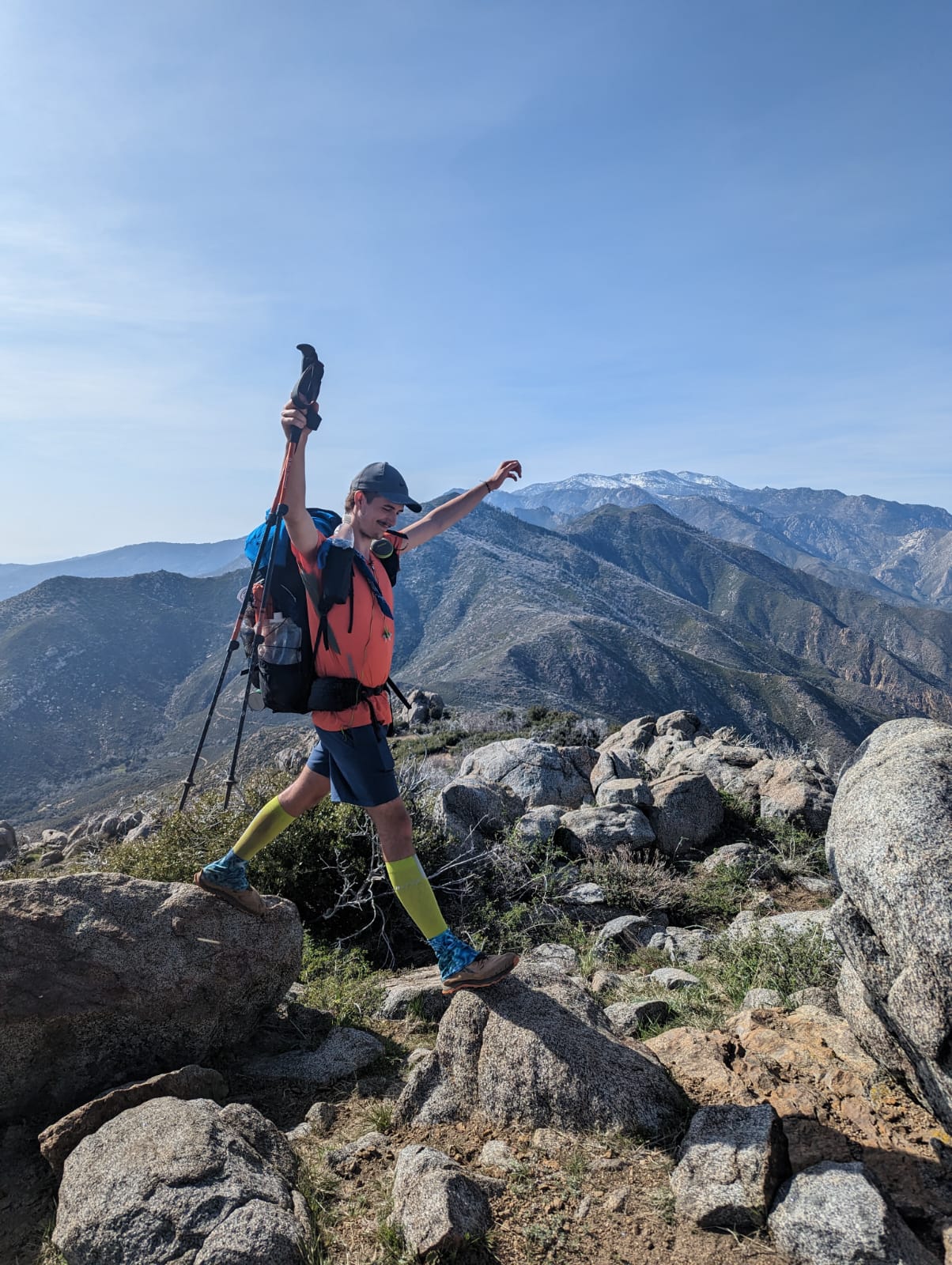
Simon: The Pacific Crest Trail is one of the world’s most famous long-distance trails—around 4,300 km from Mexico to Canada along the mountain ranges of the U.S. West Coast. I hiked it from south to north in about 5½ months.
Q: How did you first hear about it? What inspired you to go?
Simon: My cousin hiked the PCT in 2016 and her stories inspired me. I had wanted to hike a big trail after high school, but COVID postponed everything. During my studies, I finally decided to do it.
Q: What were your first days on the trail like?
Simon: Very exciting—and very exhausting. The desert is hot, and my backpack was heavy. On the second day I already had muscle soreness. But after a few days, things got easier. The first weeks were incredibly social because many hikers start in April. I have warm memories of meeting people, talking, and camping together every evening.
Q: Many hikers say the Sierra Nevada is the hardest section. How was it for you?
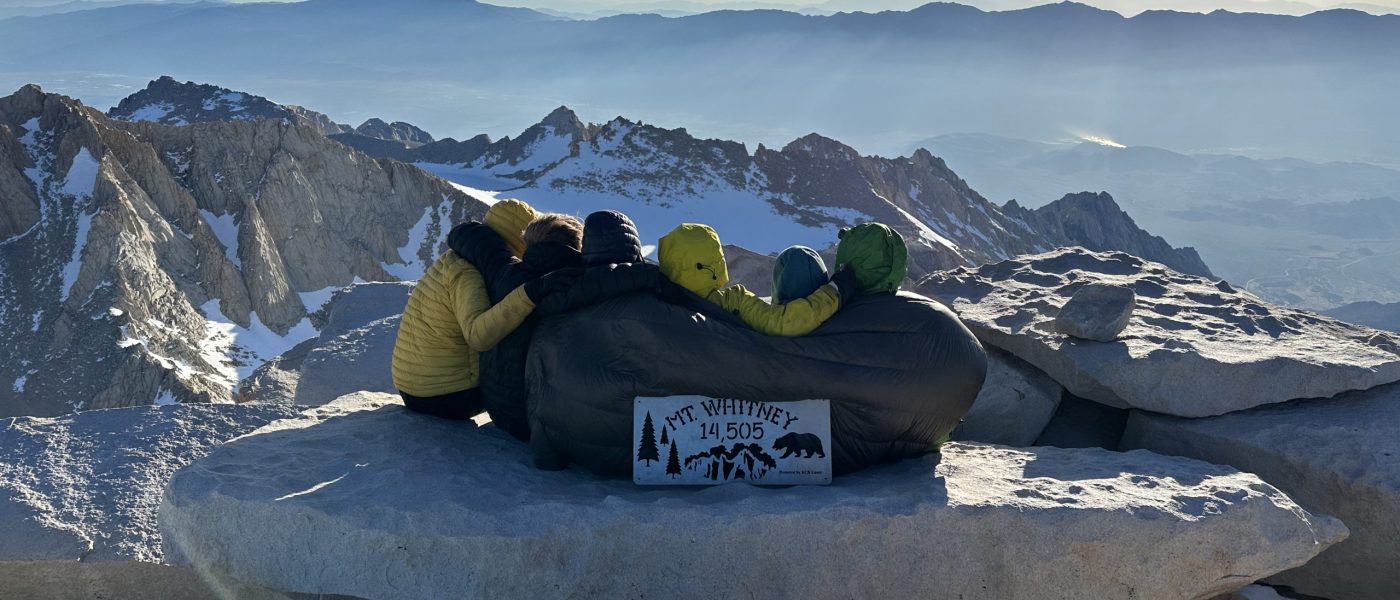
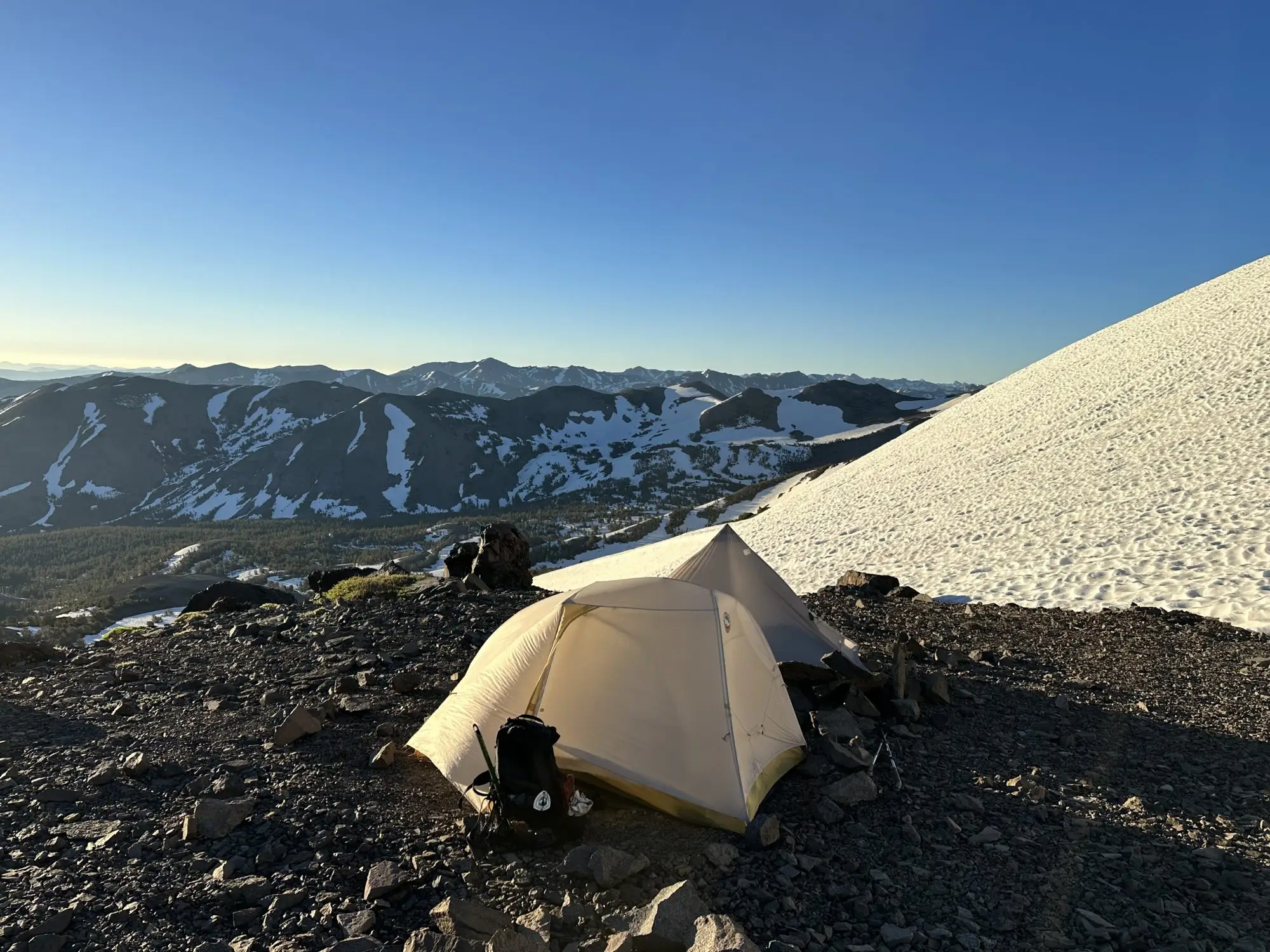
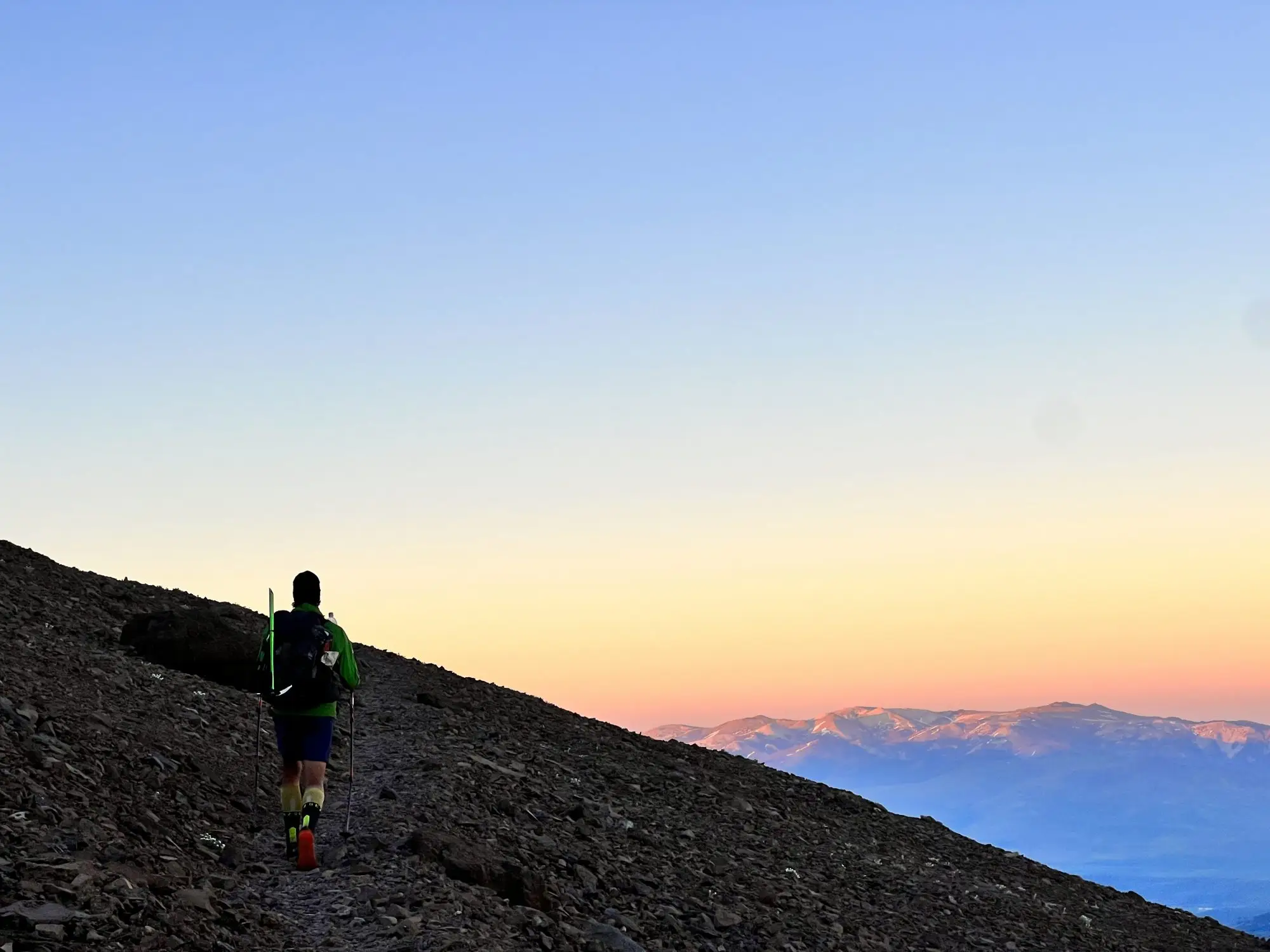
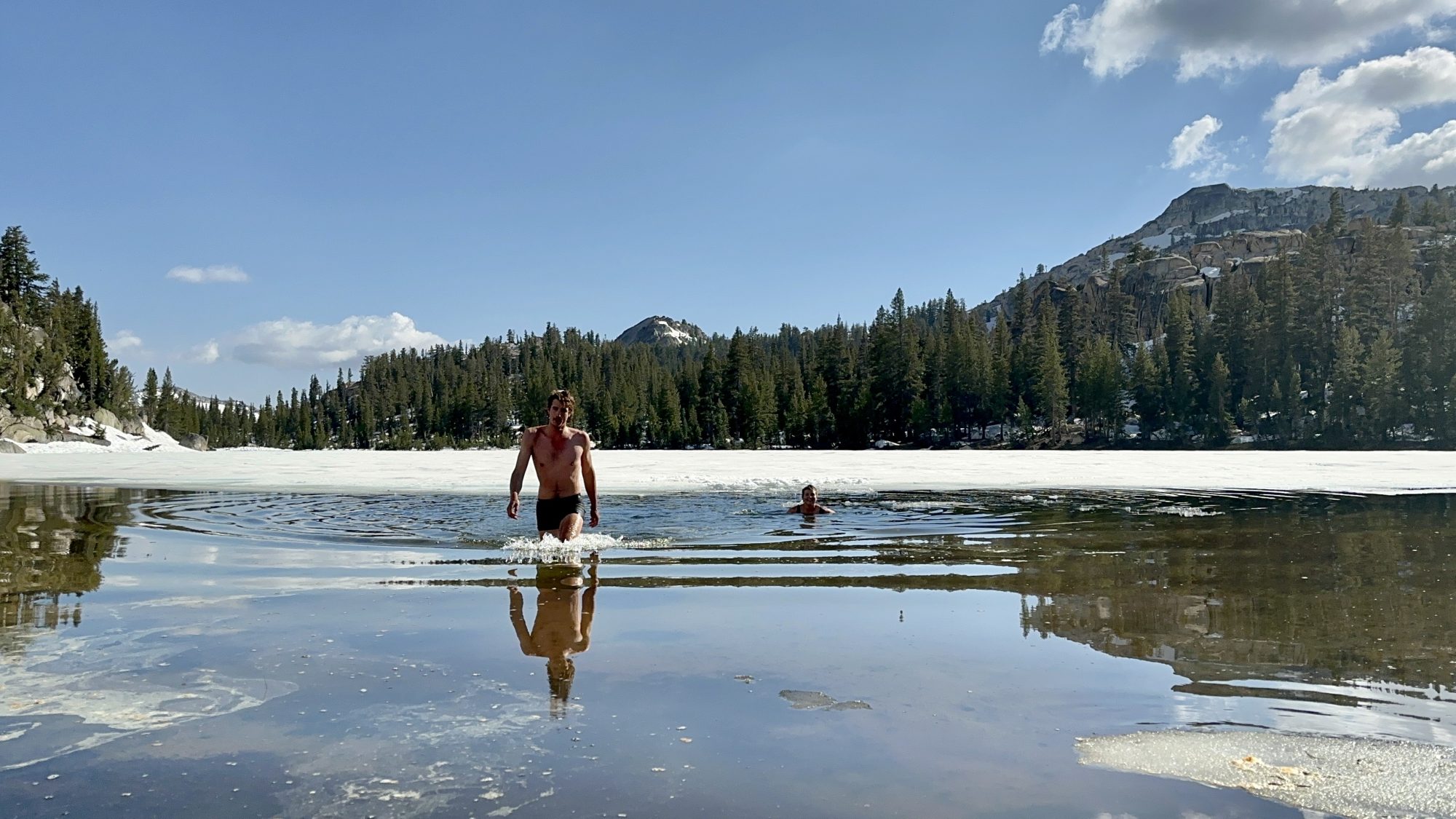
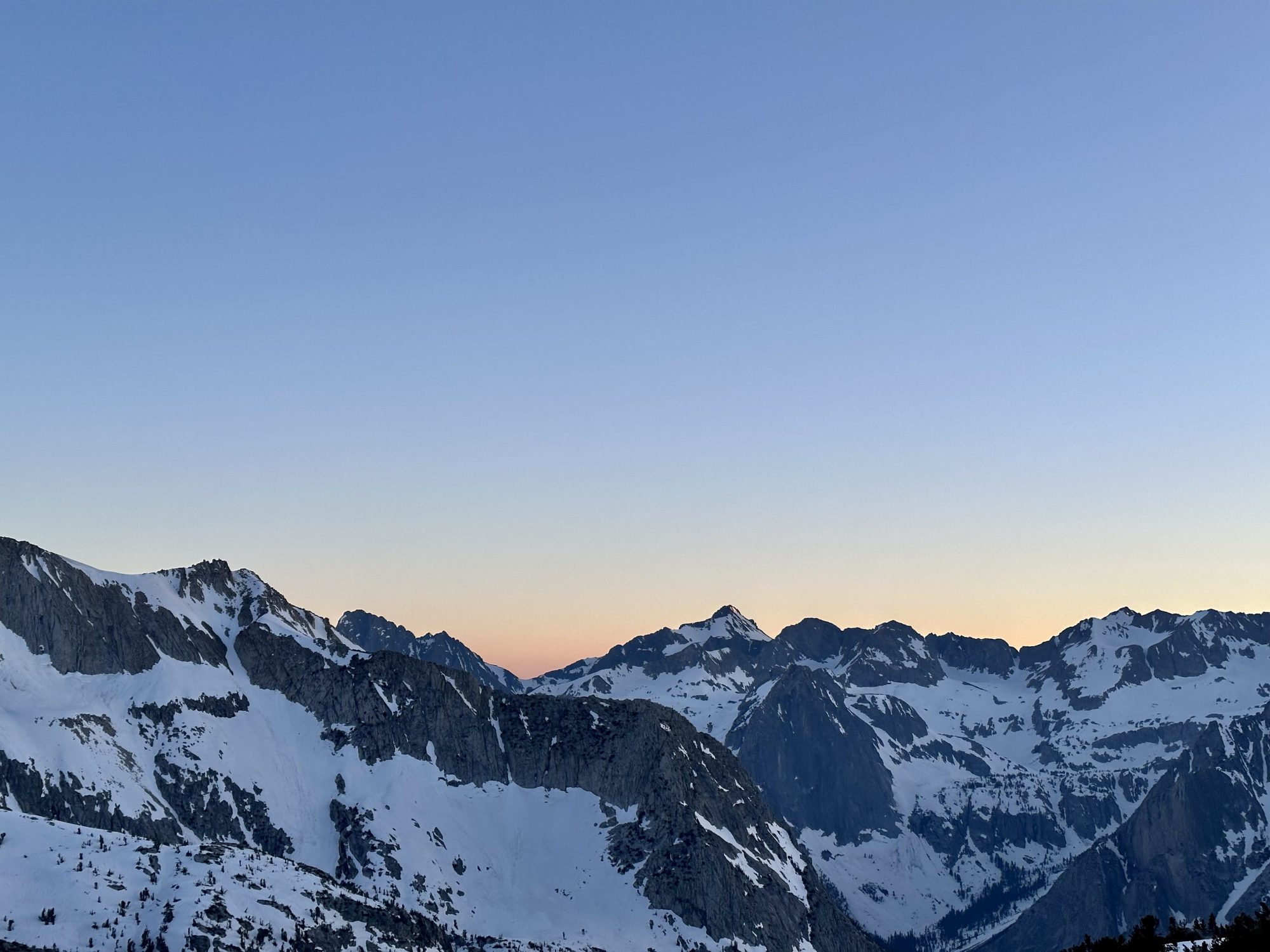
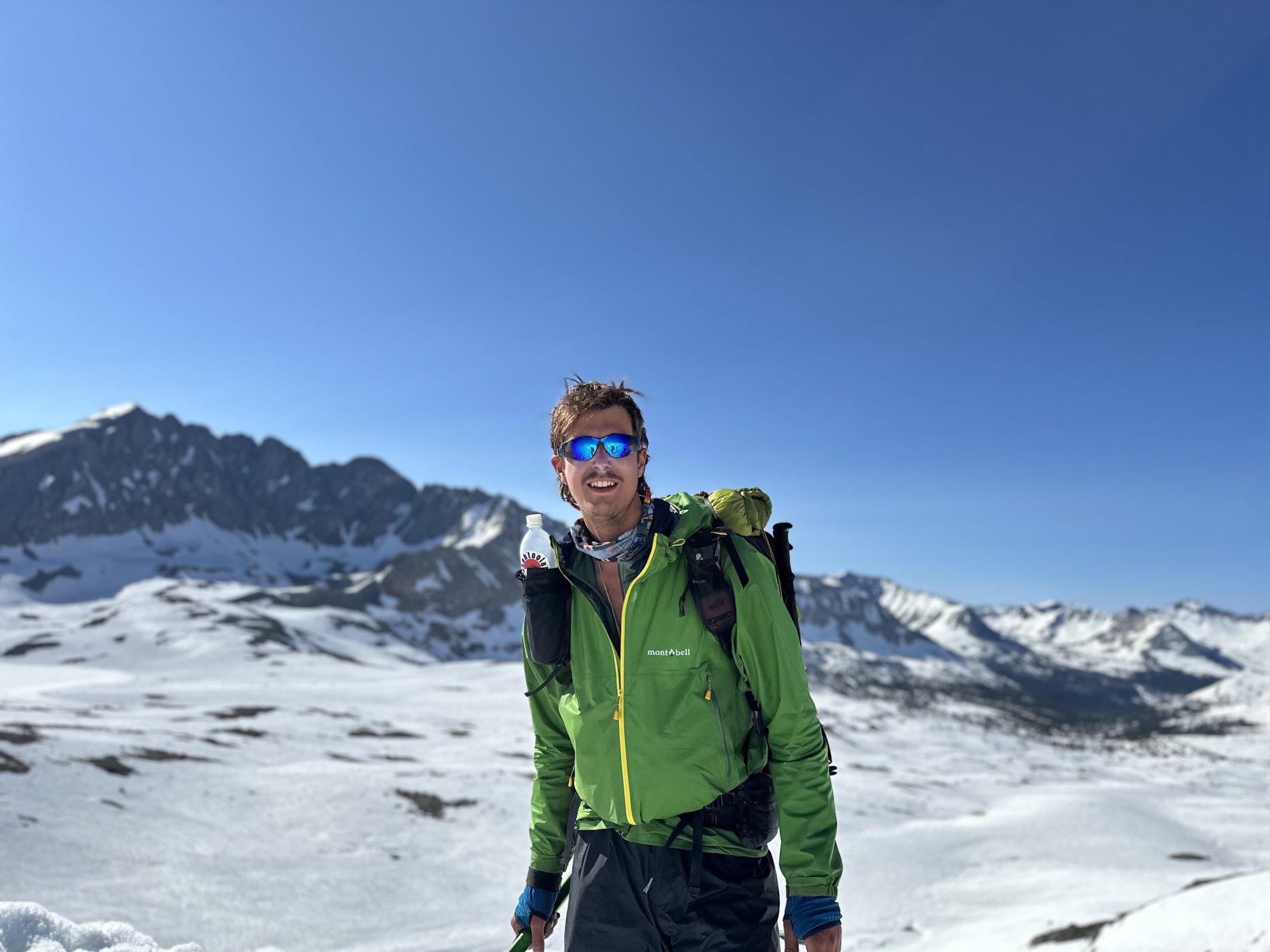
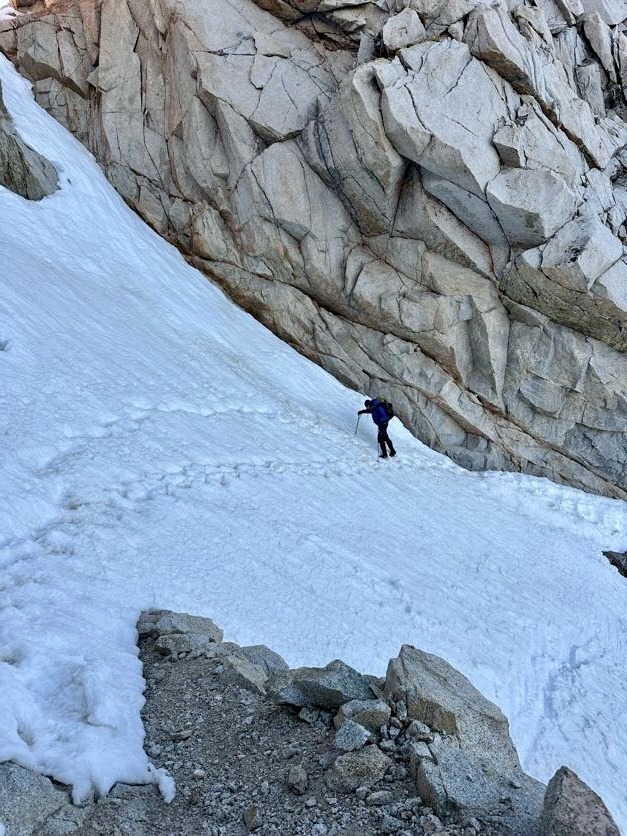
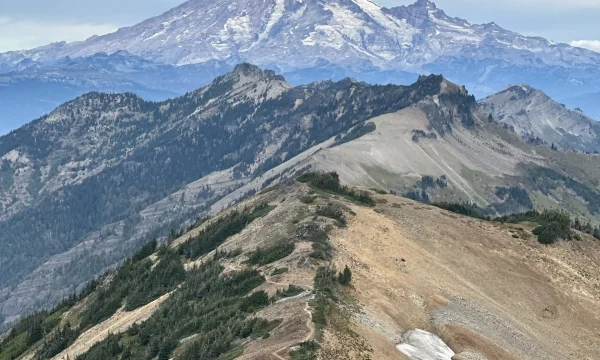
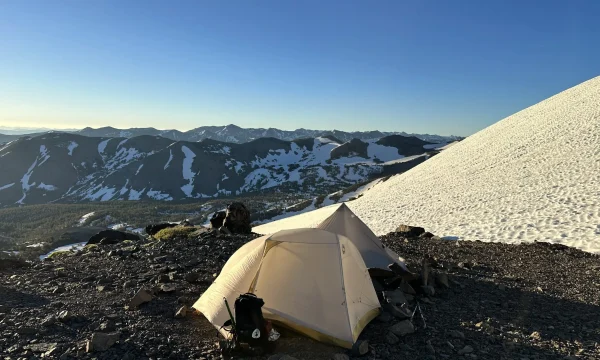
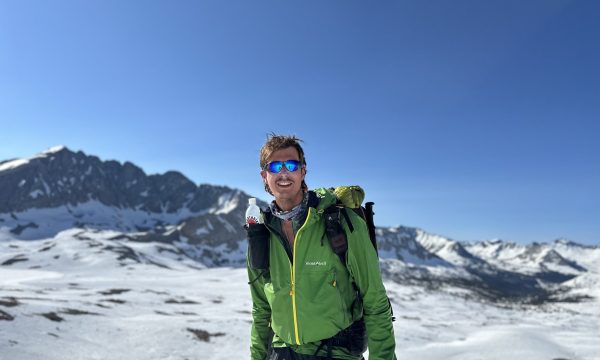
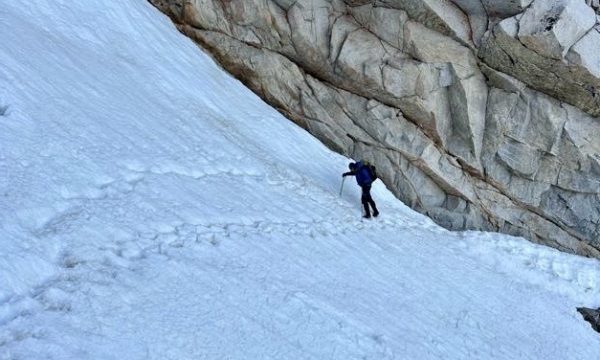
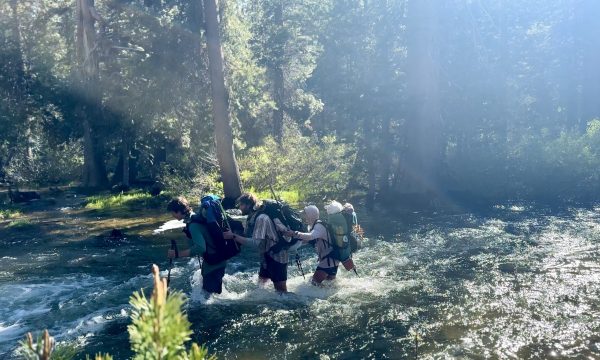
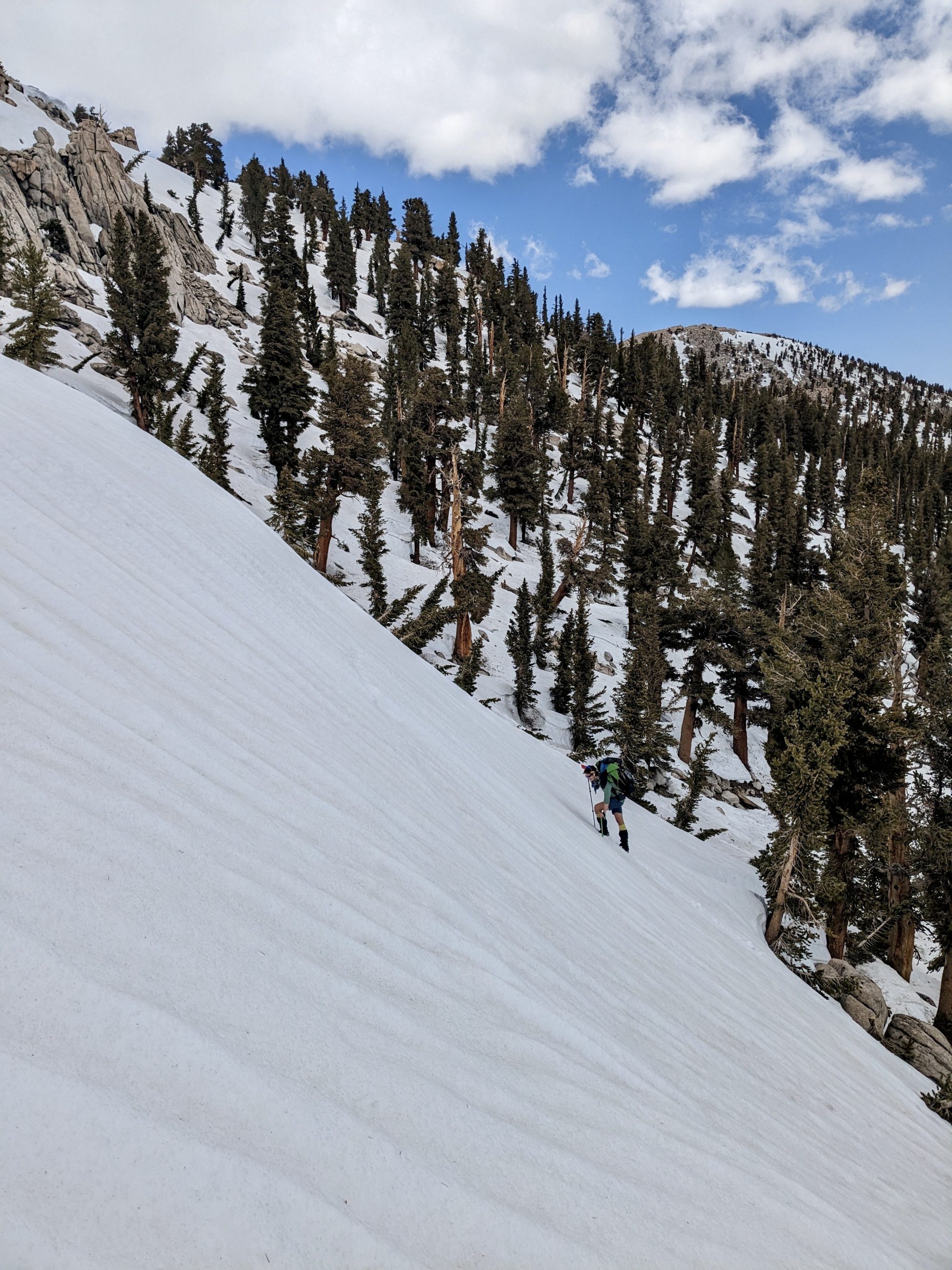
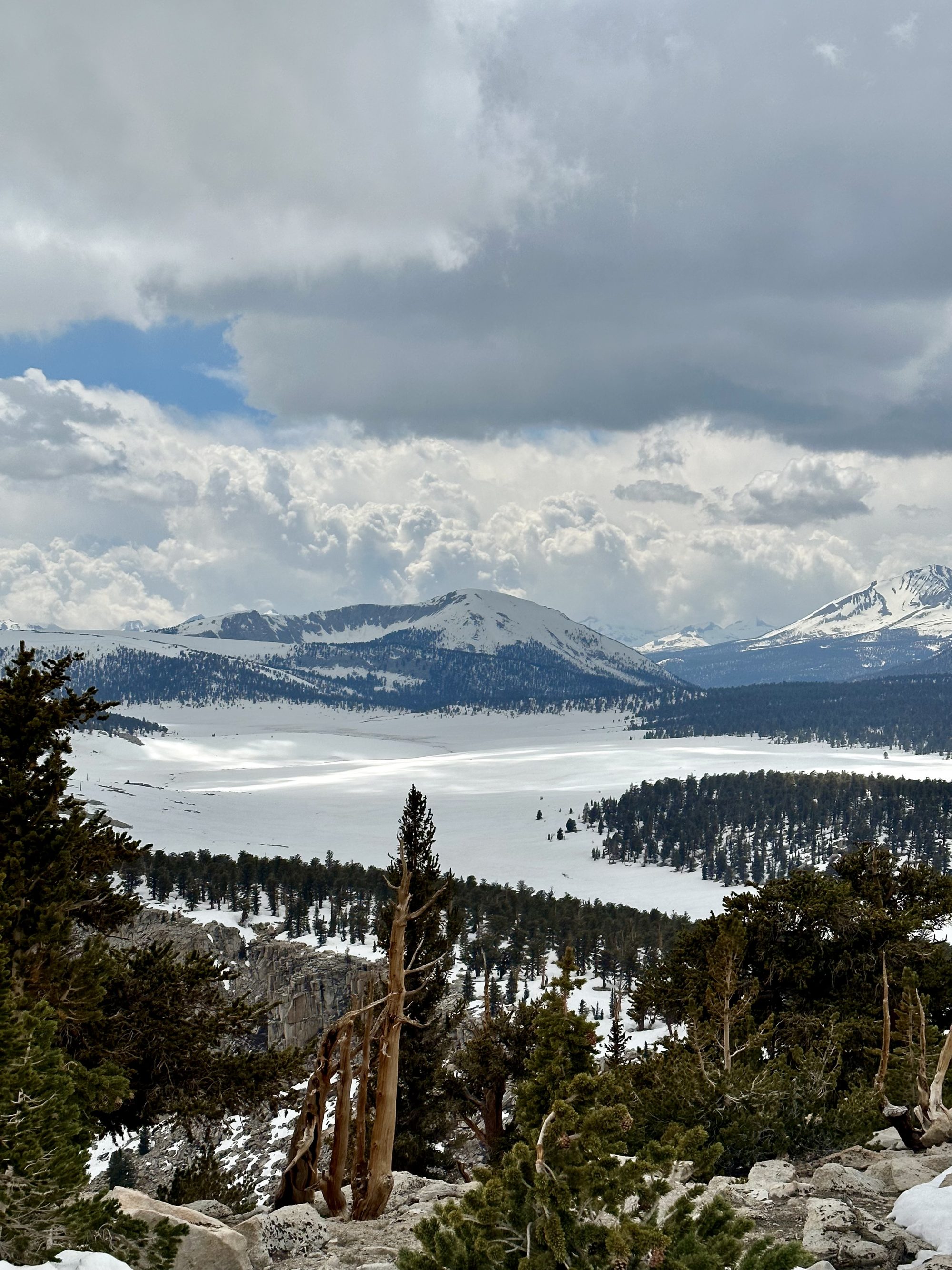
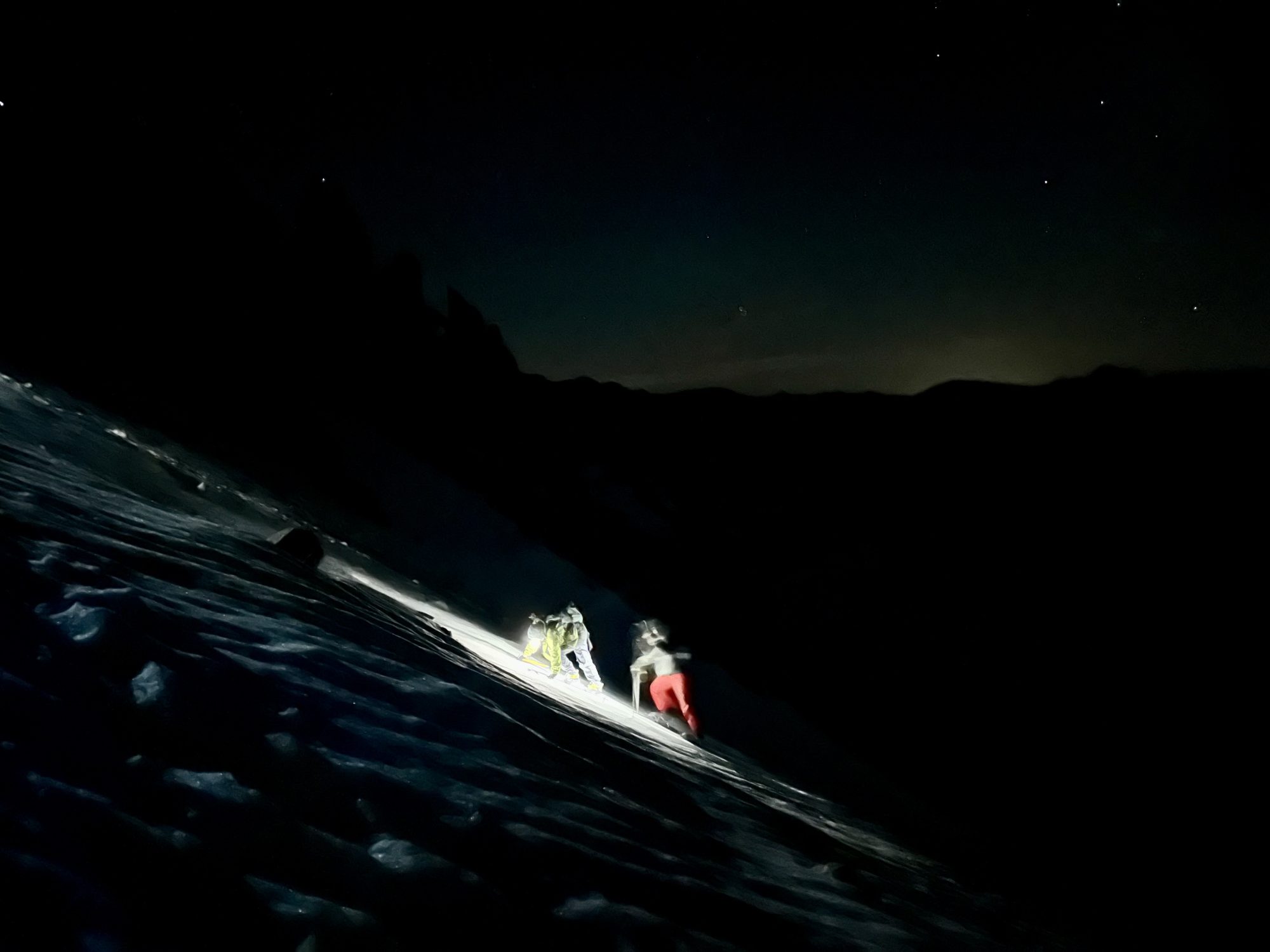
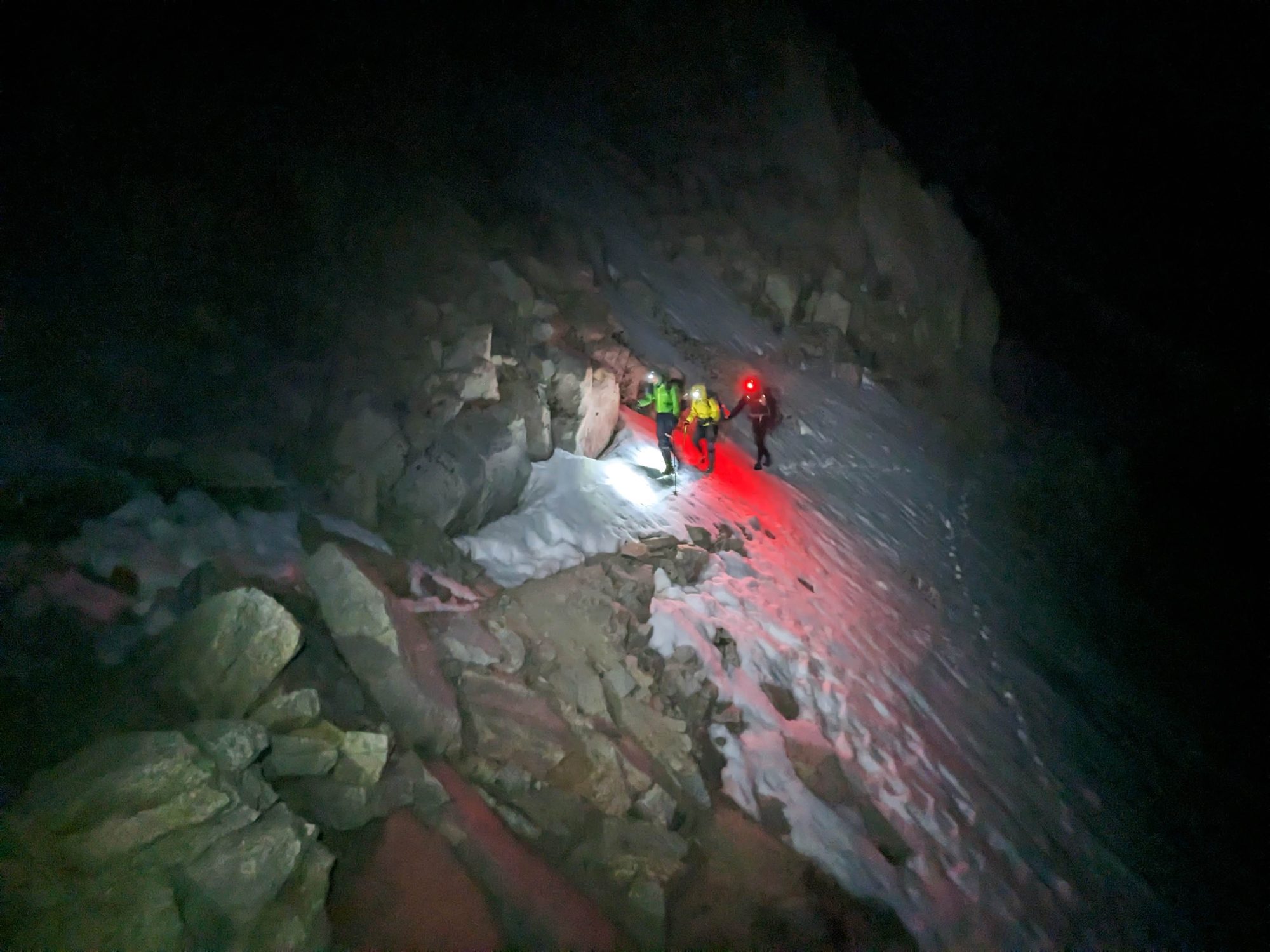
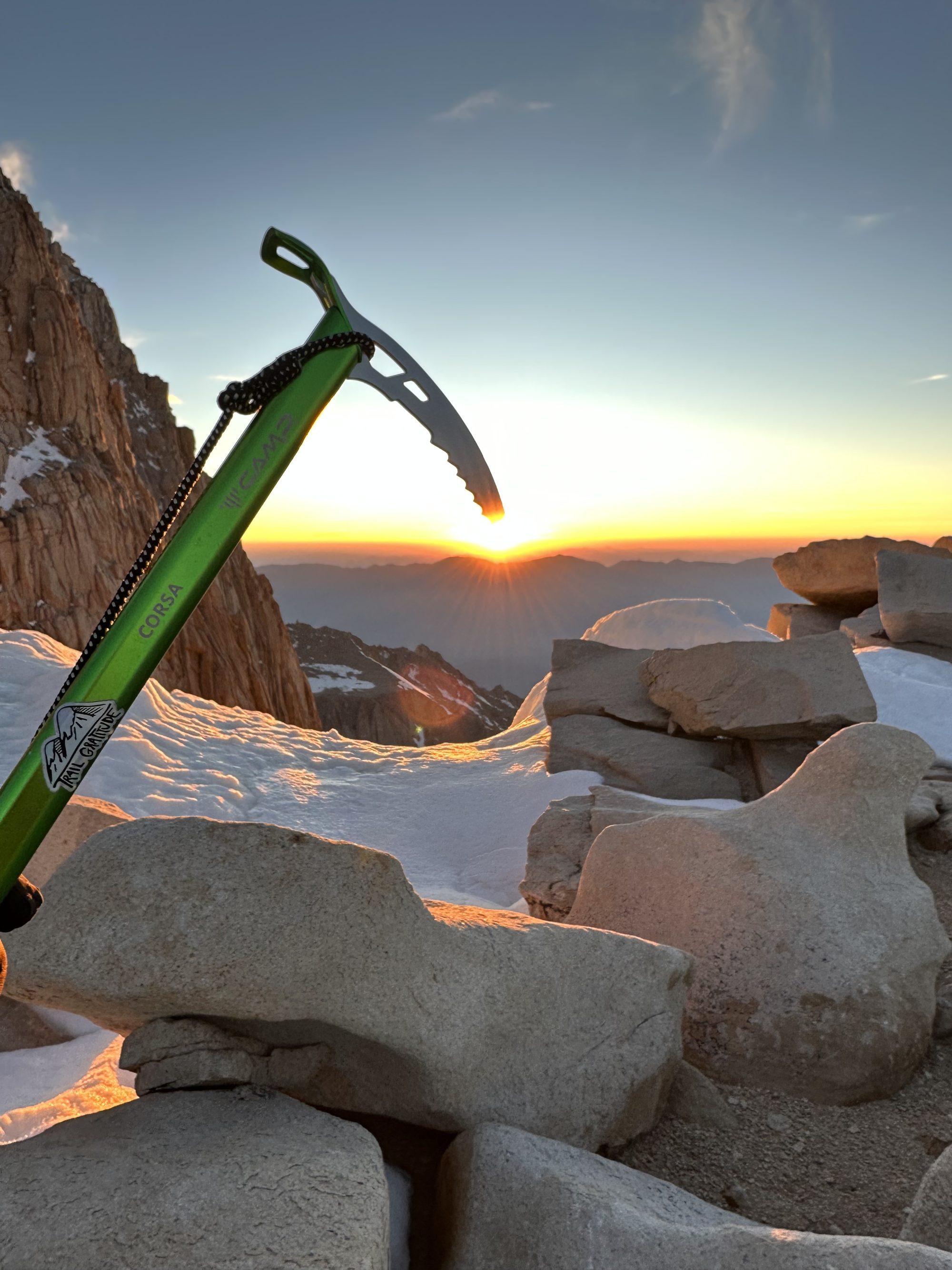
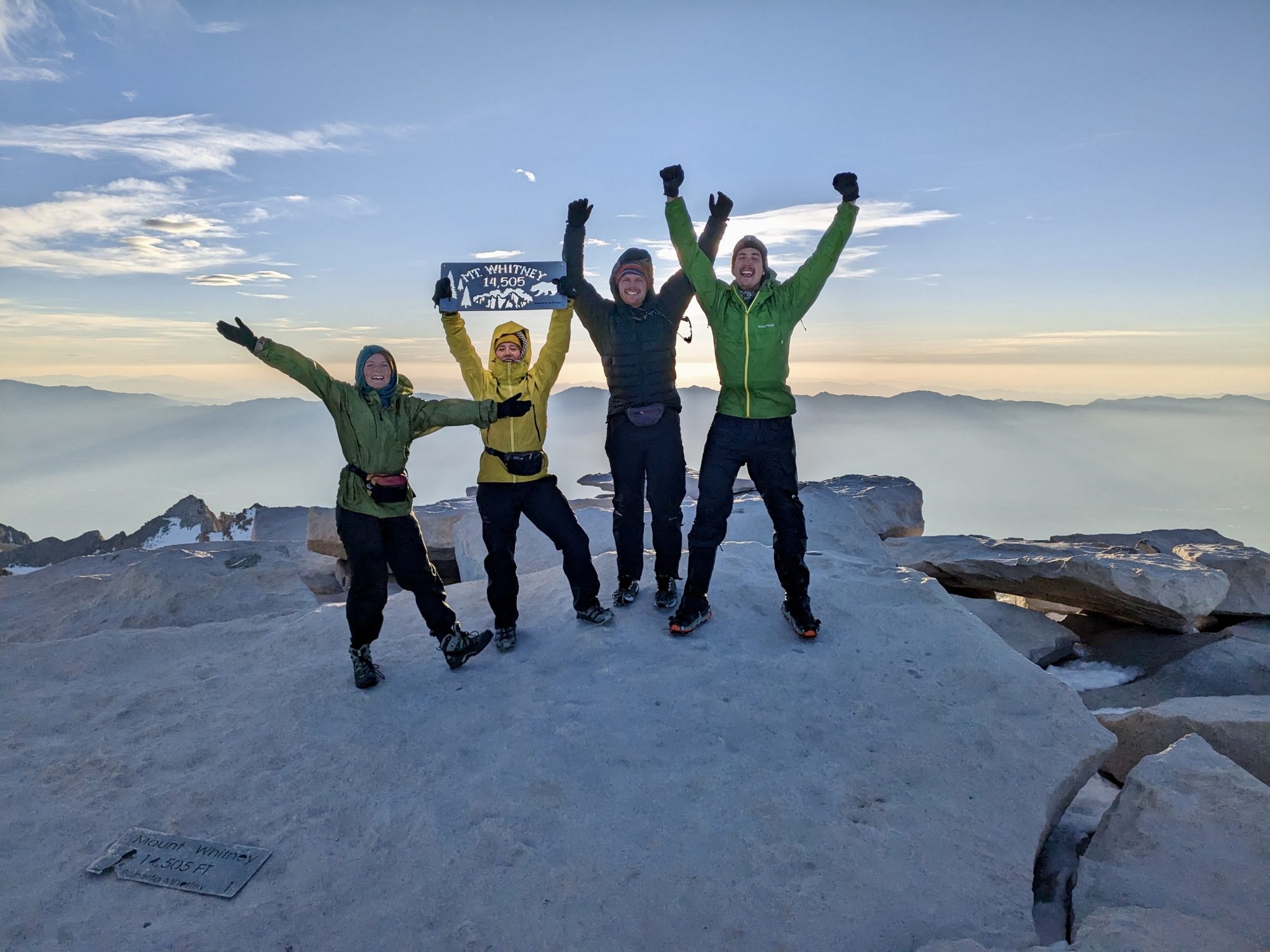
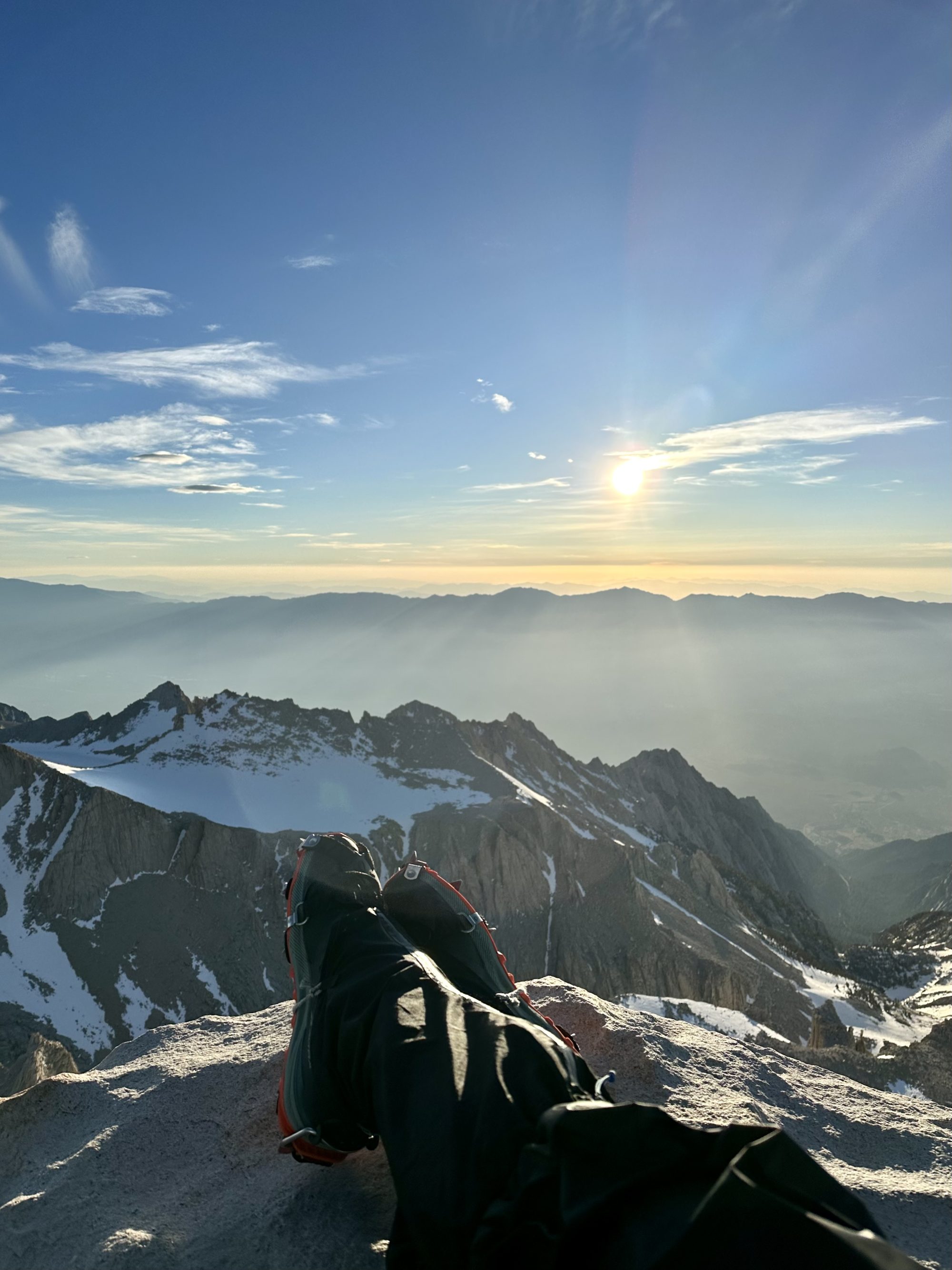
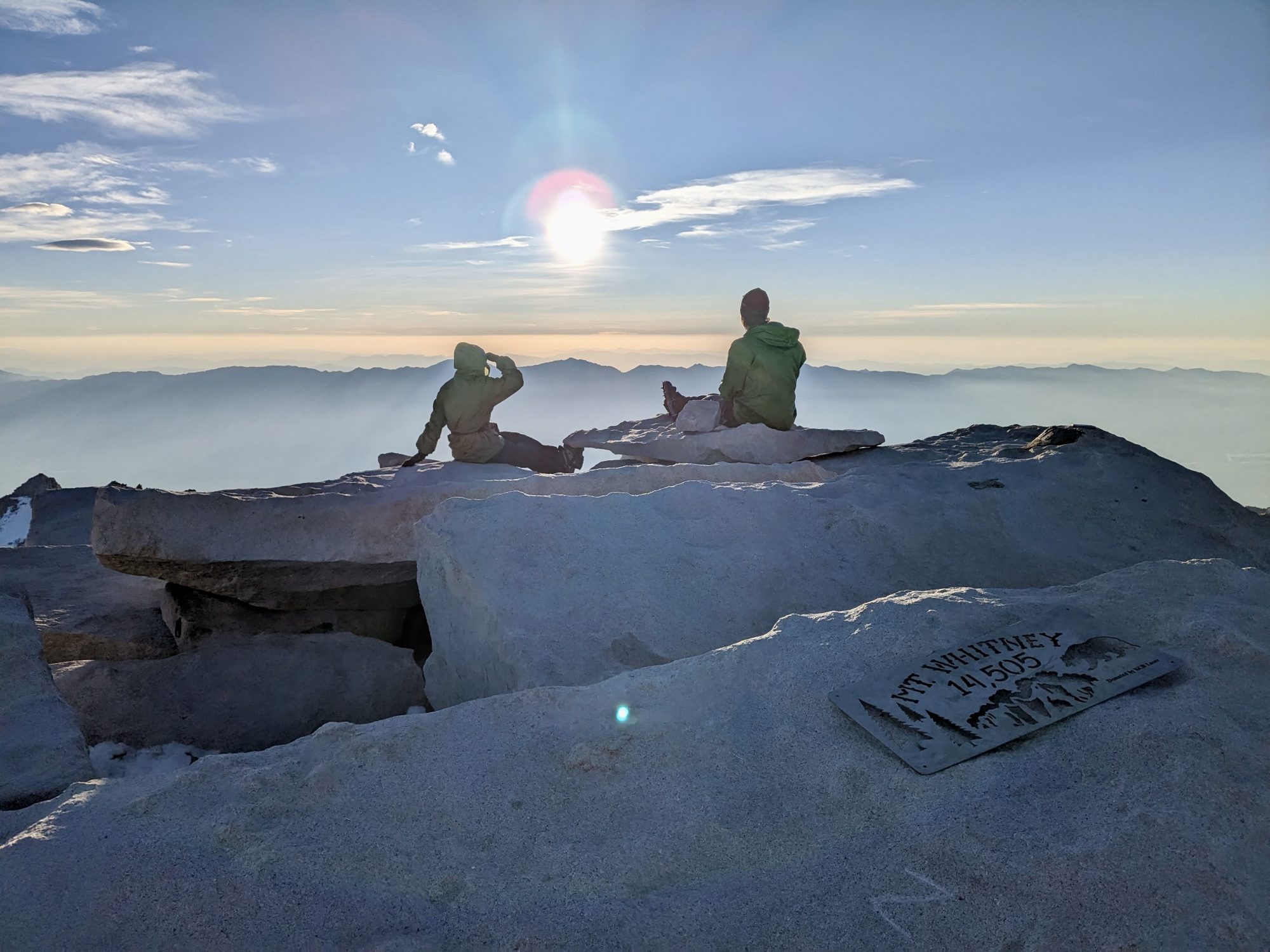
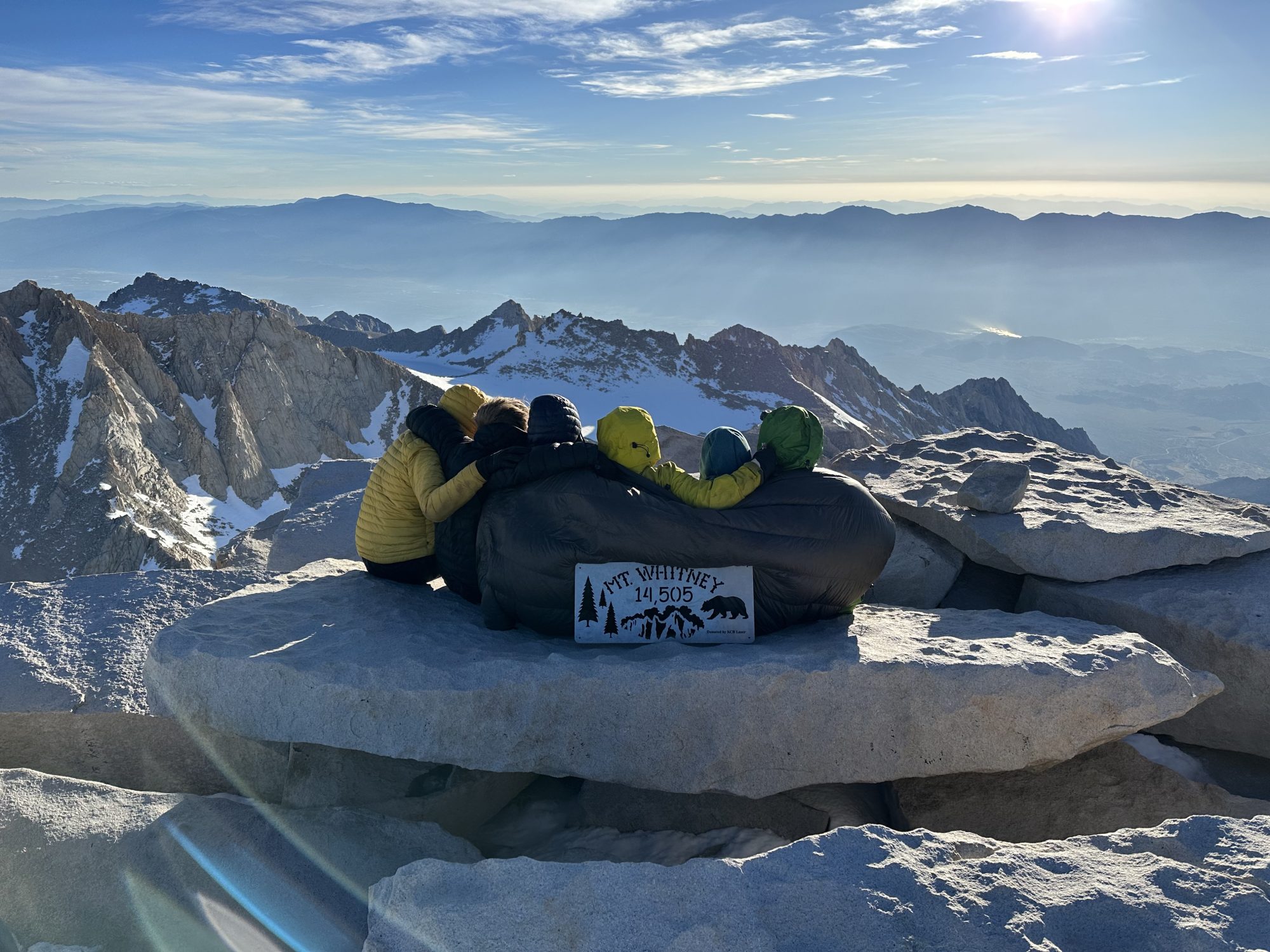
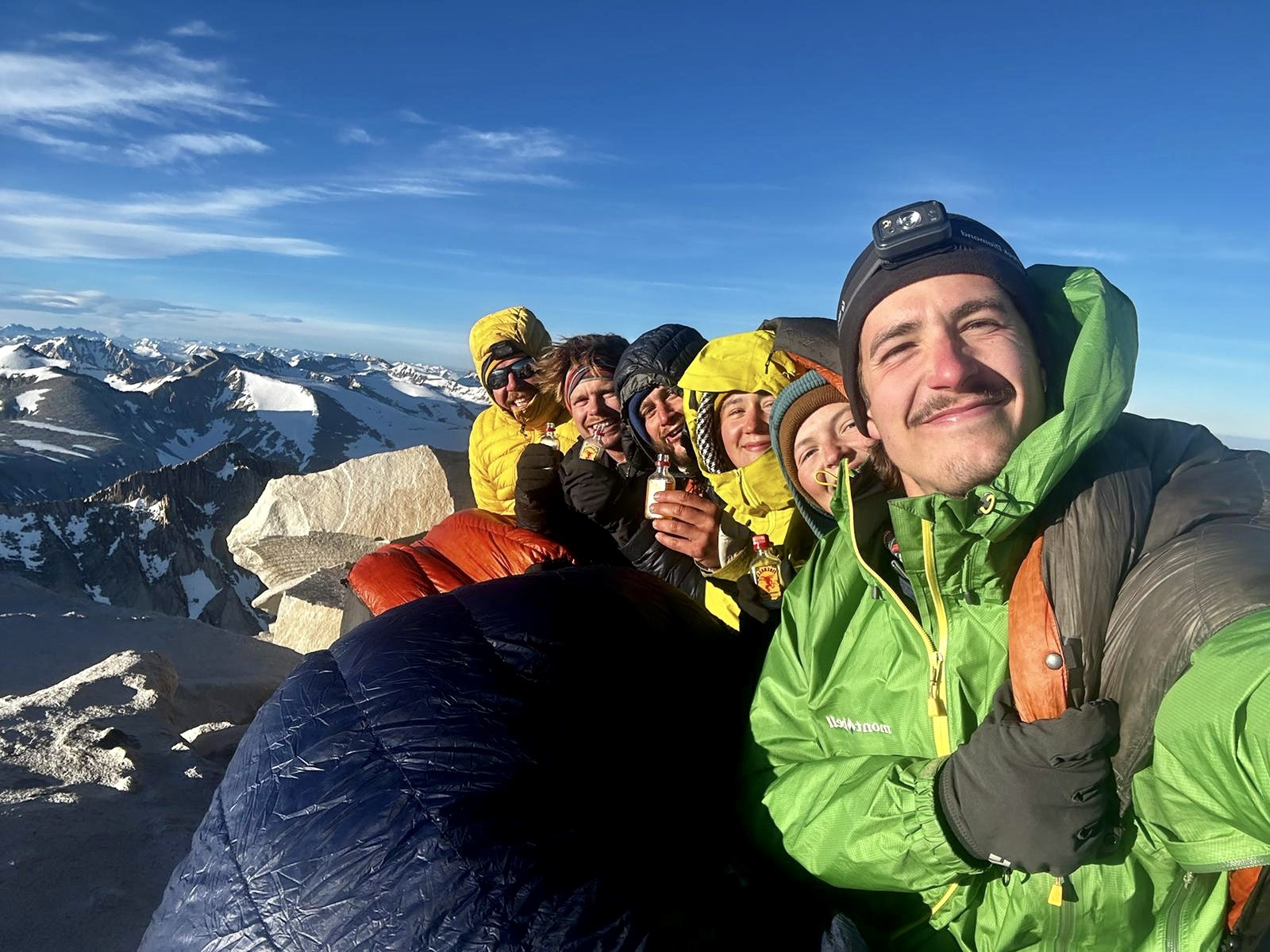
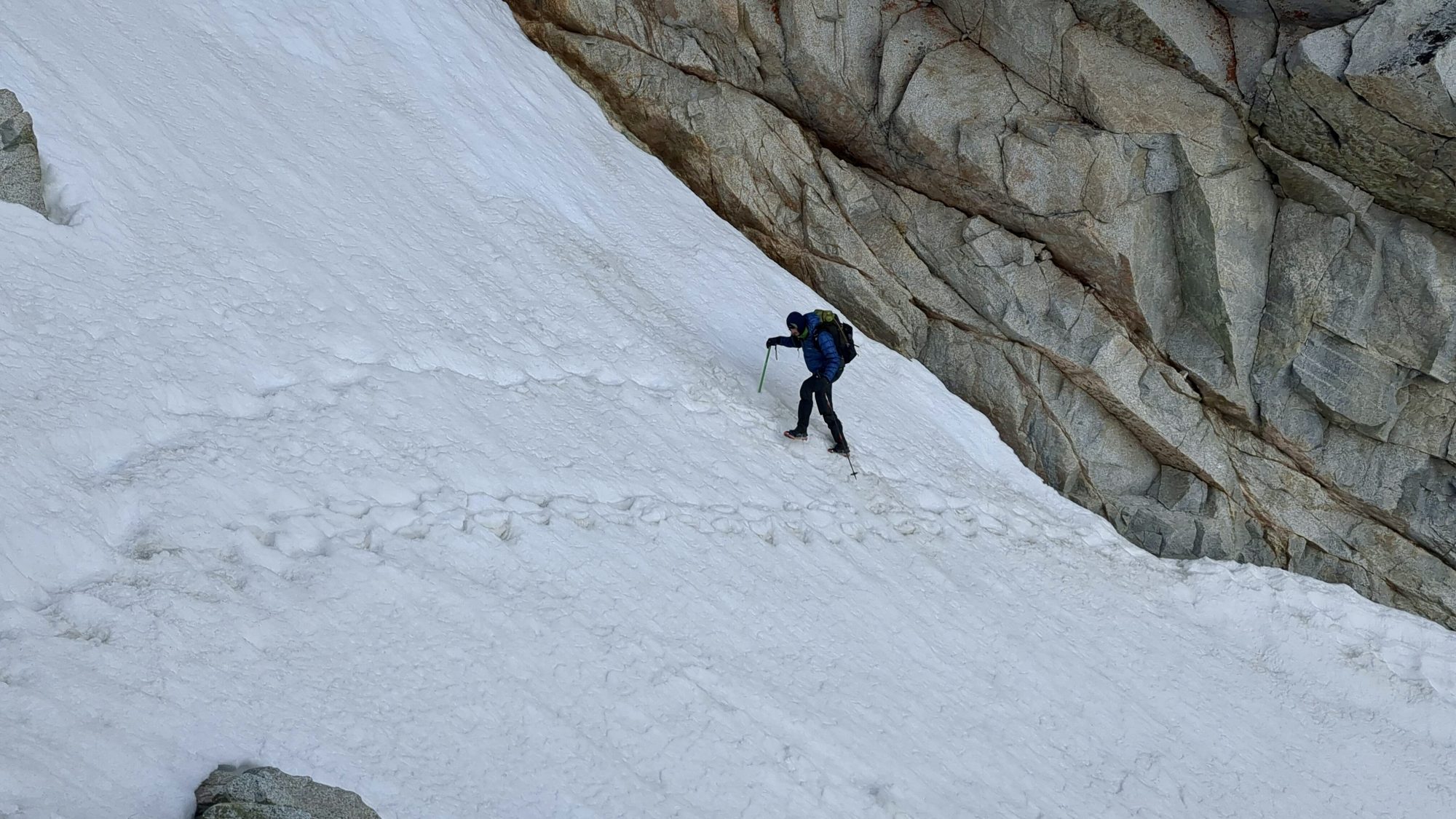
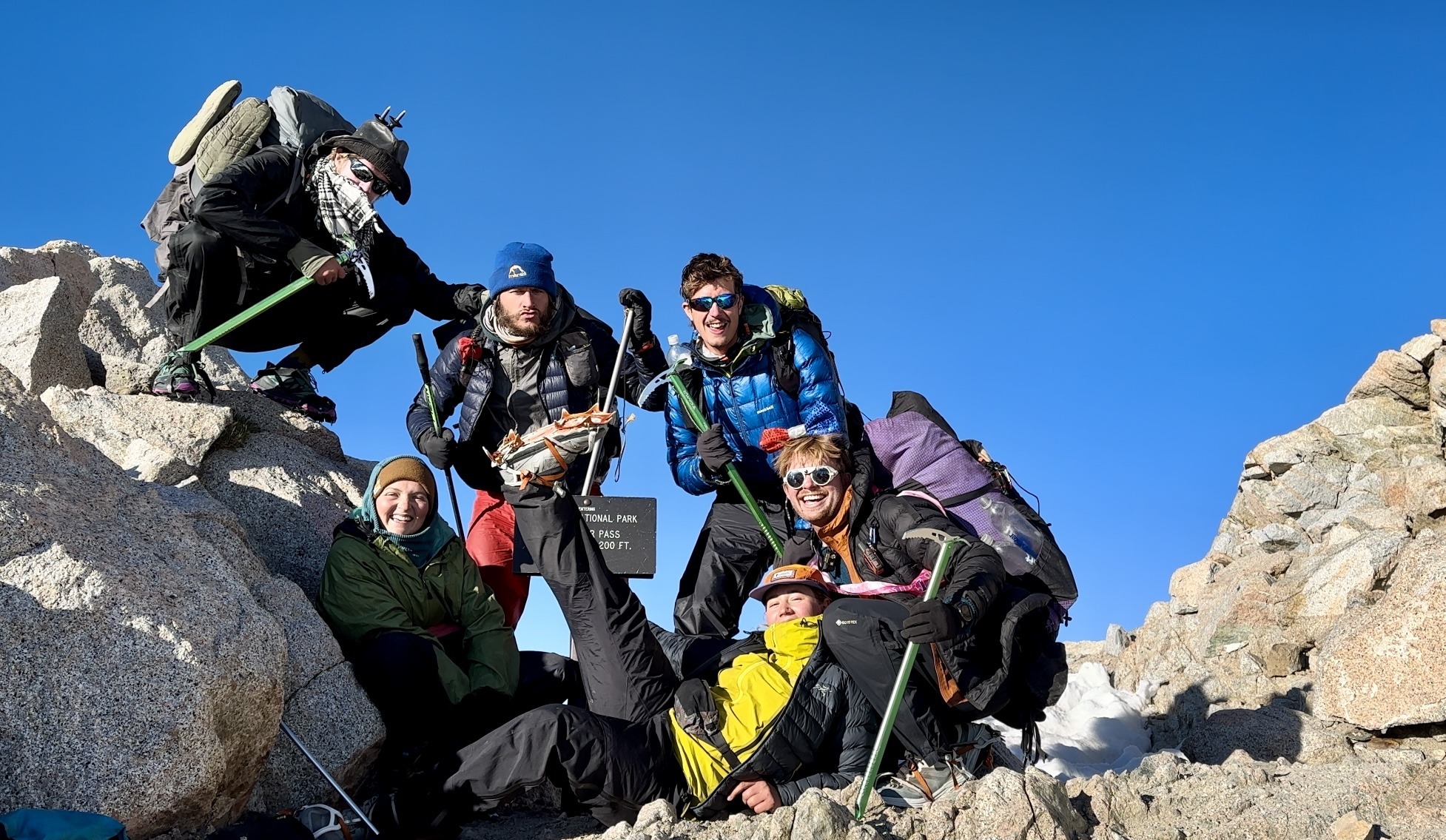
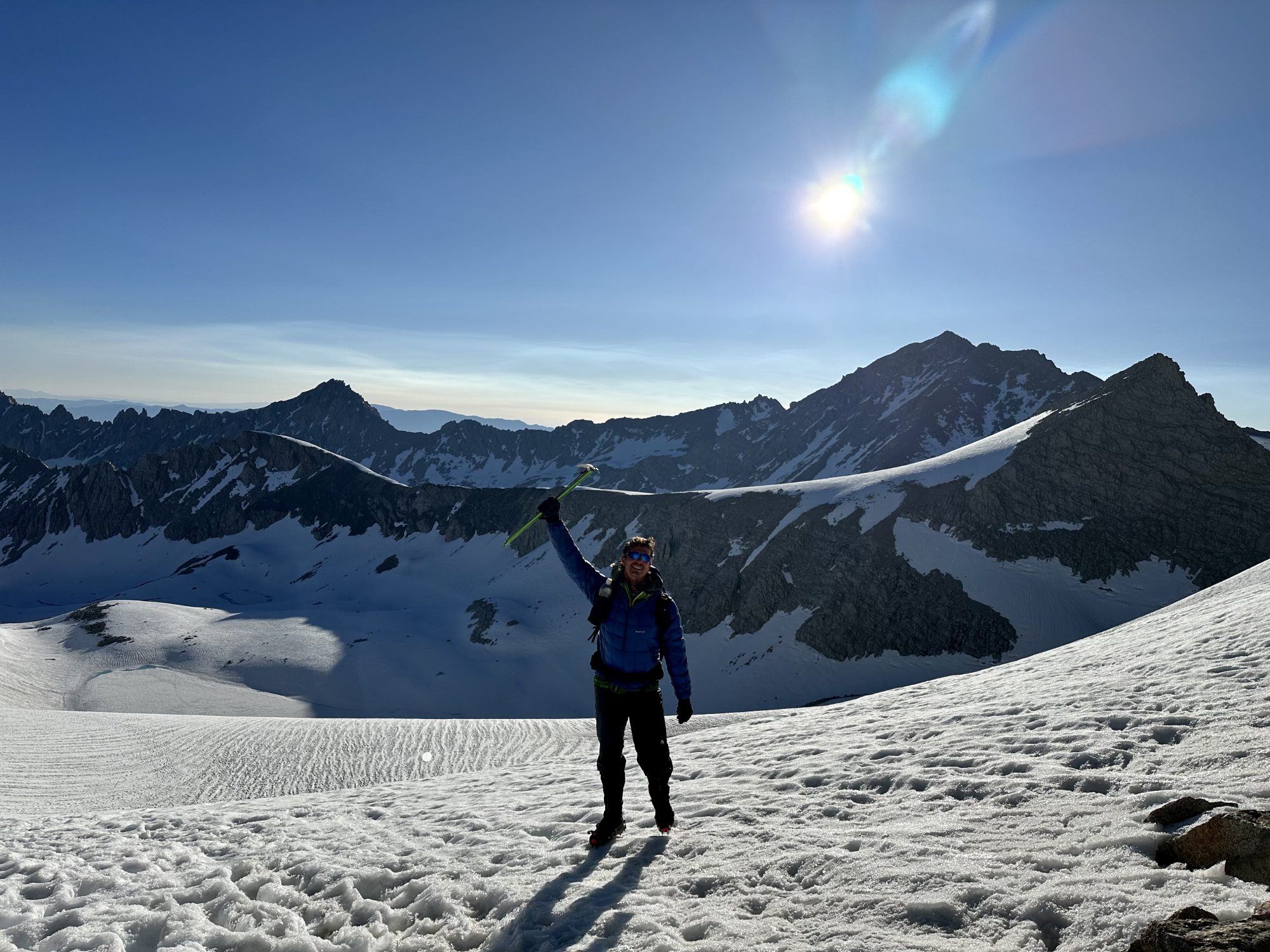
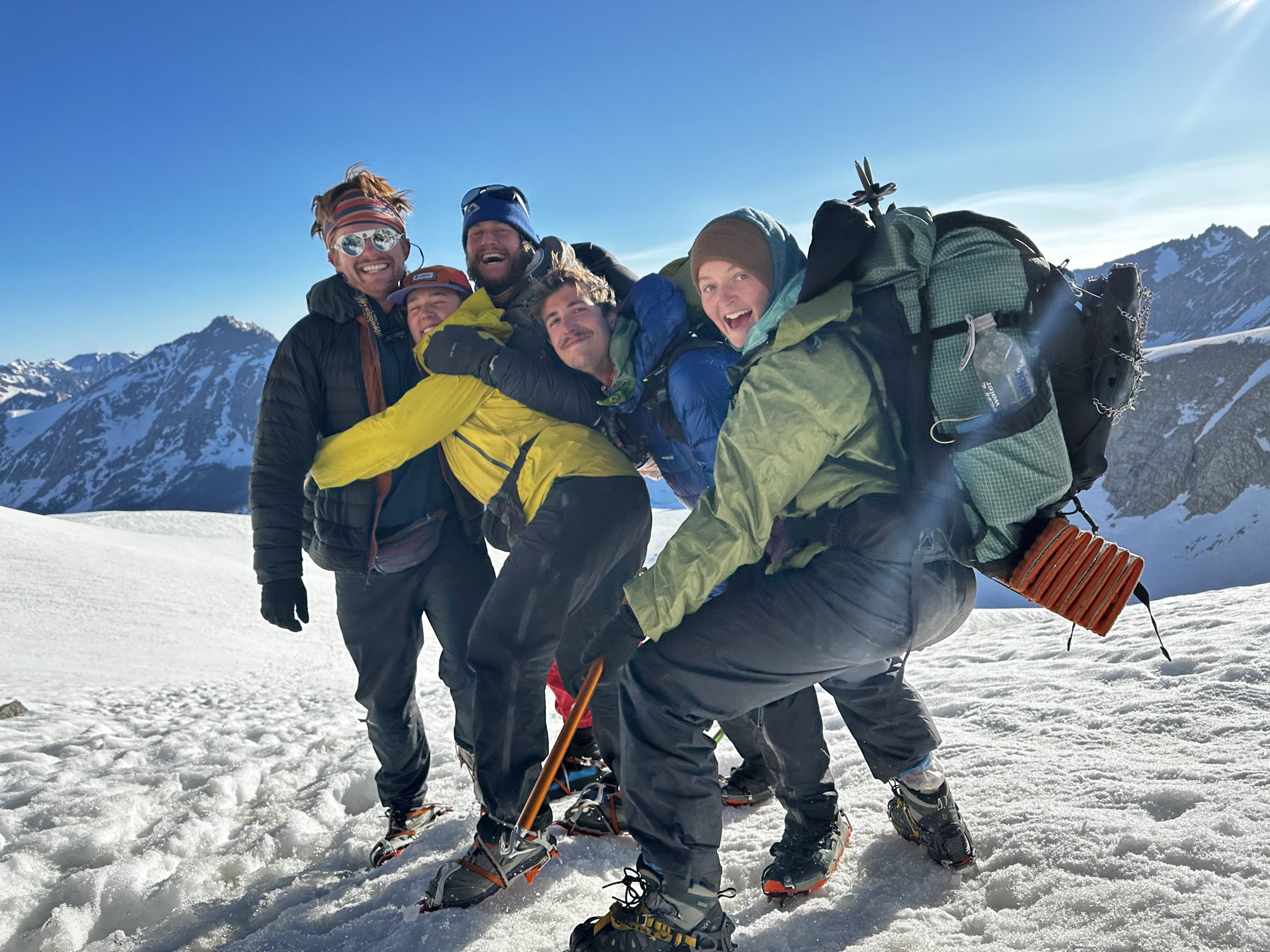
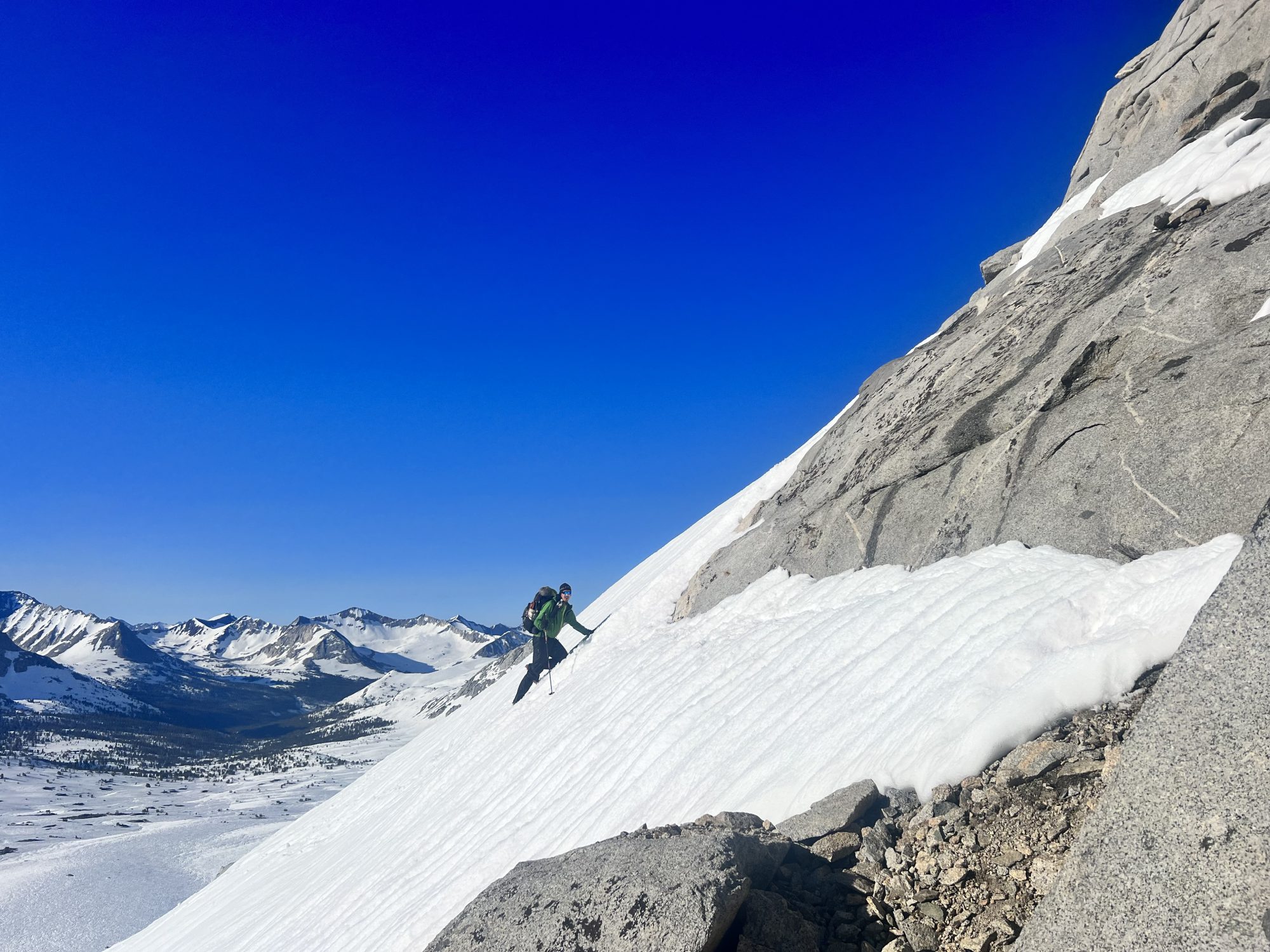
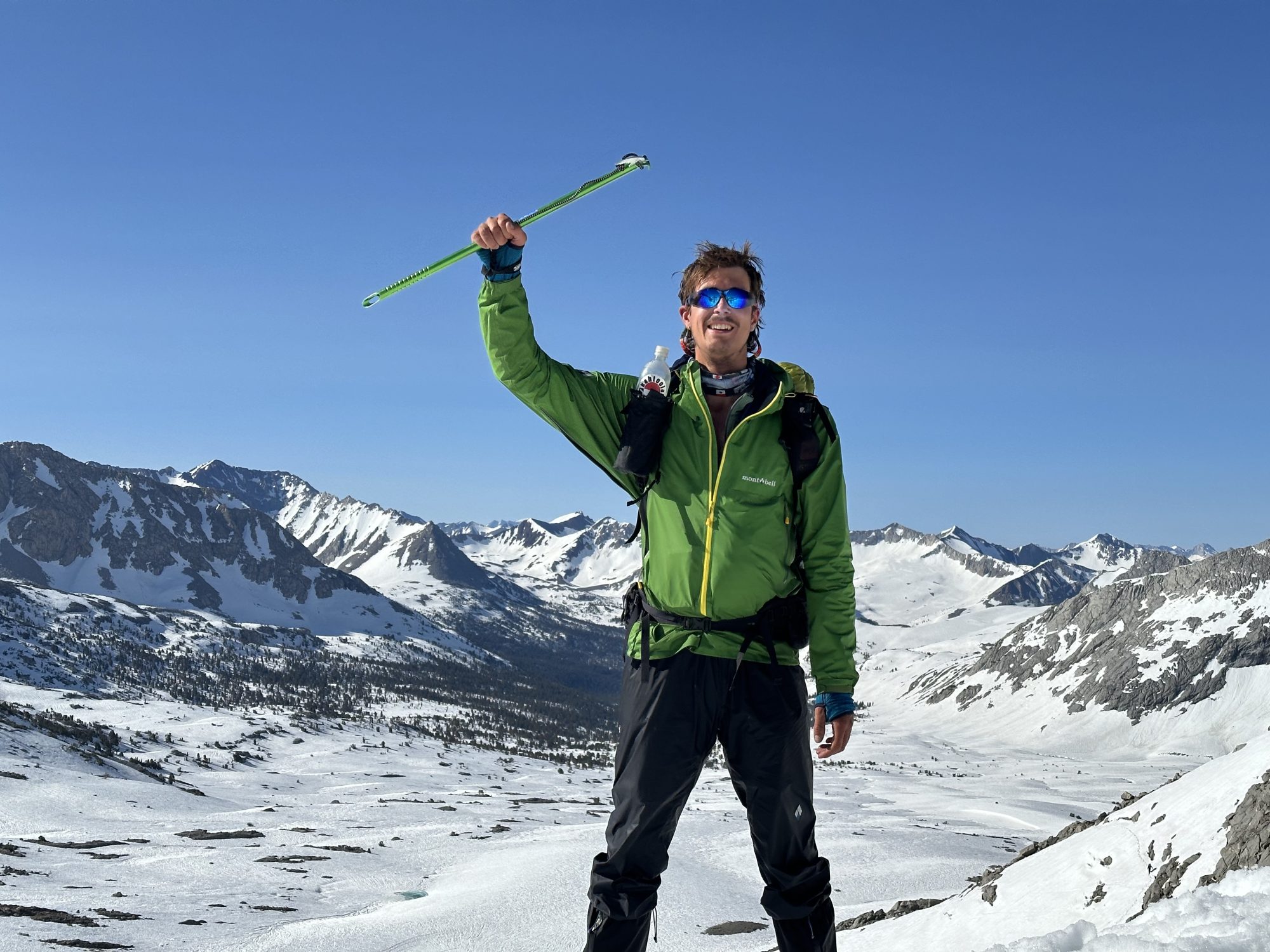
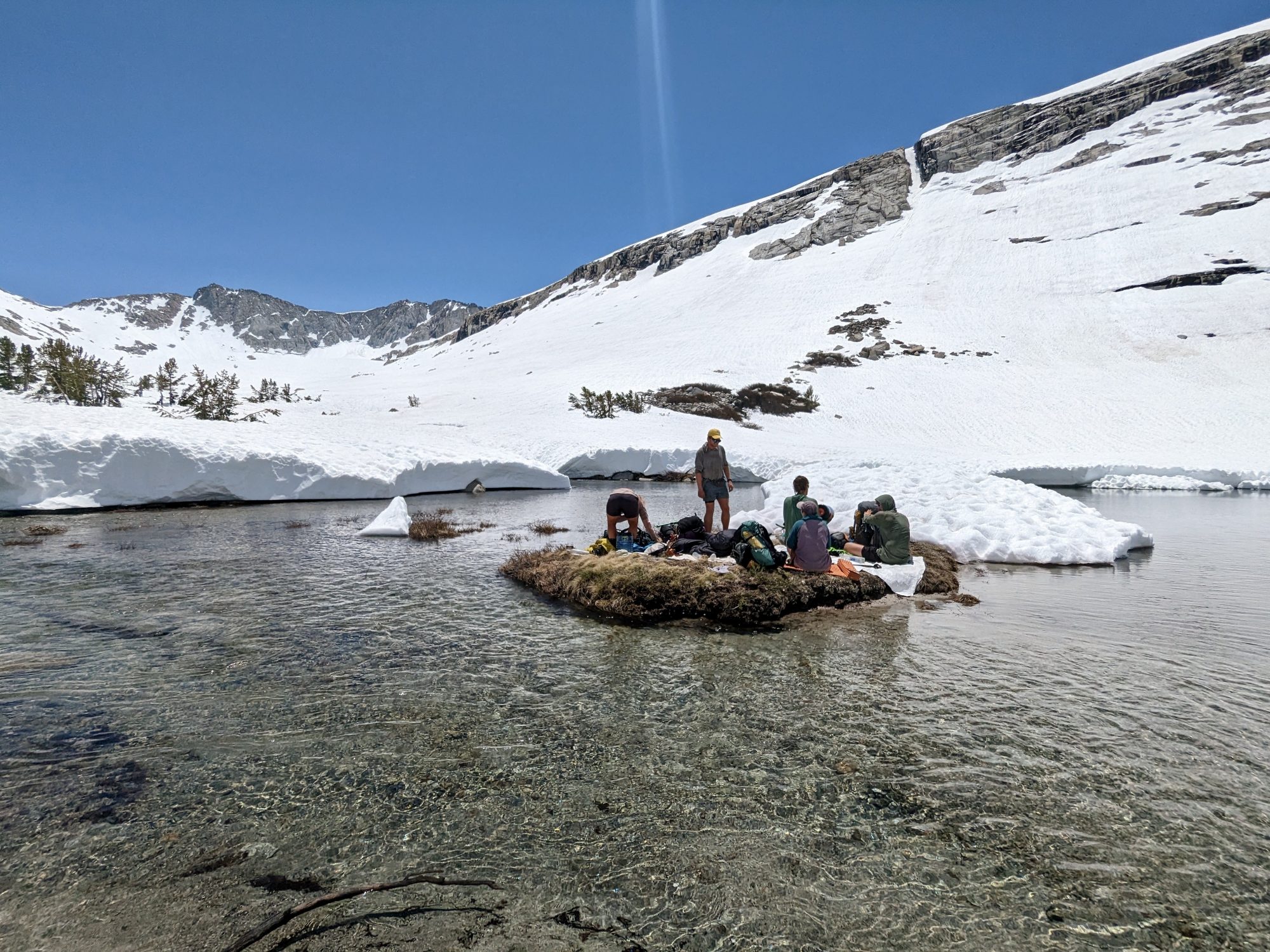
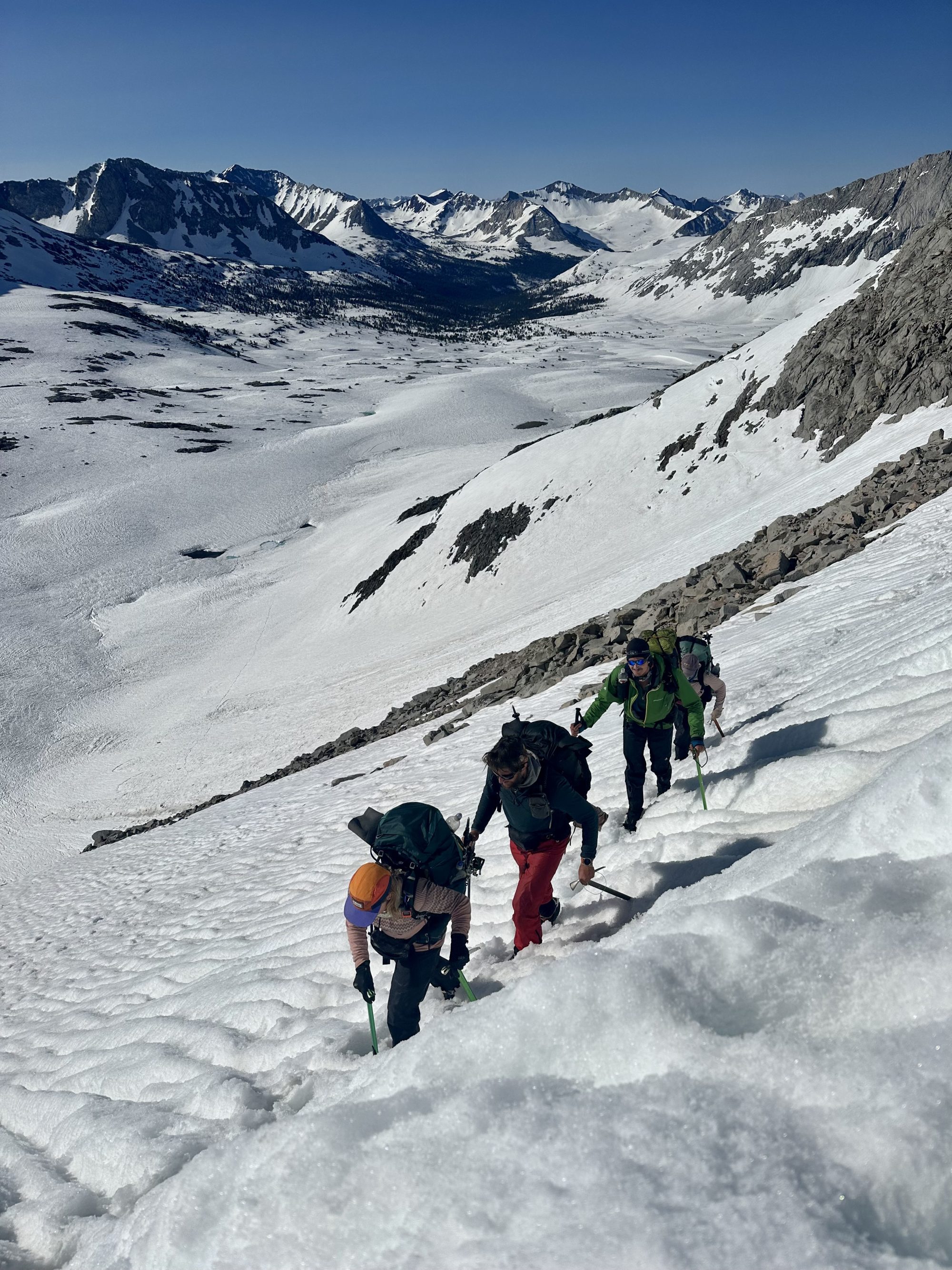
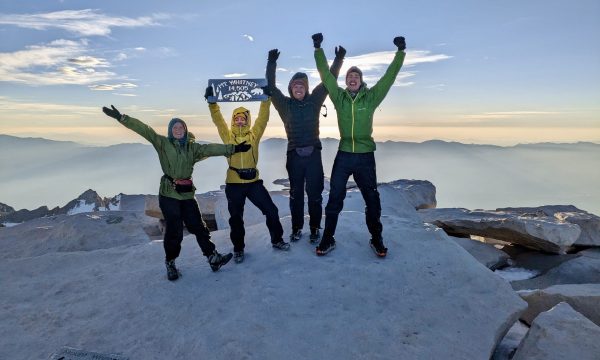
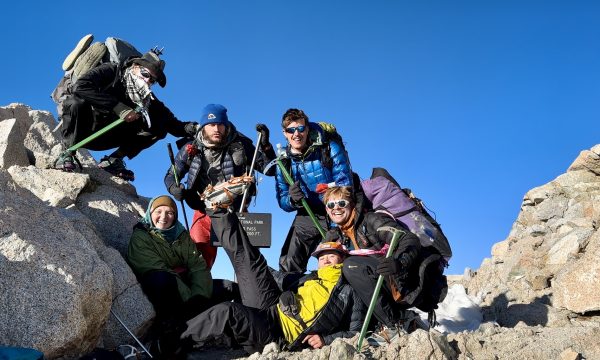
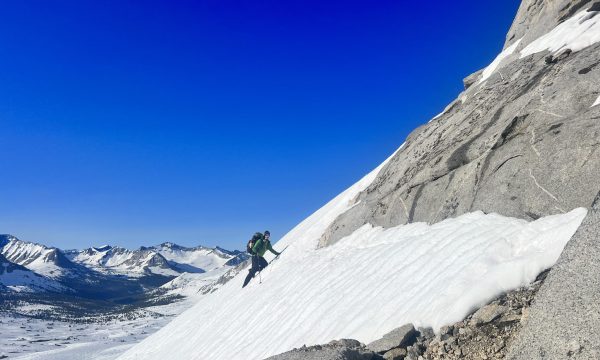
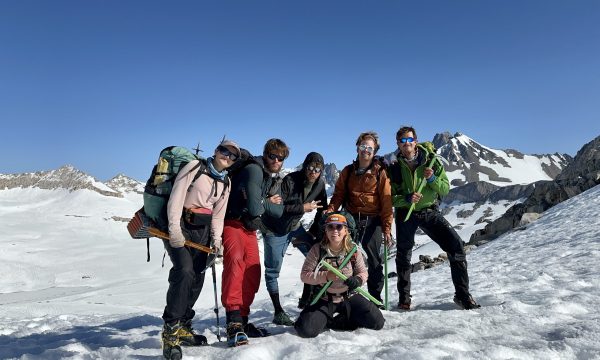
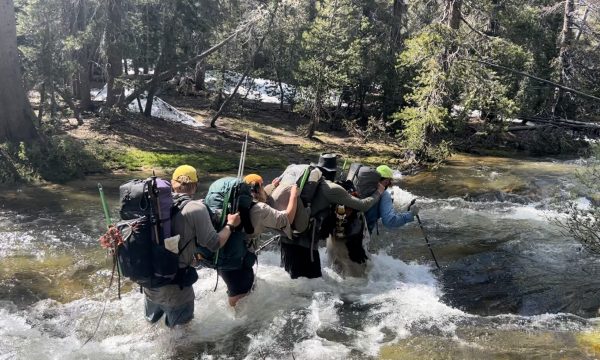
Simon: Extremely intense. 2023 was a record snow year—the highest snow levels ever recorded. Instead of walking across a few snow patches, we walked on up to five meters of snow for weeks. We carried heavy gear like crampons, ice axes, and bear canisters—my backpack suddenly weighed about 25 kg.
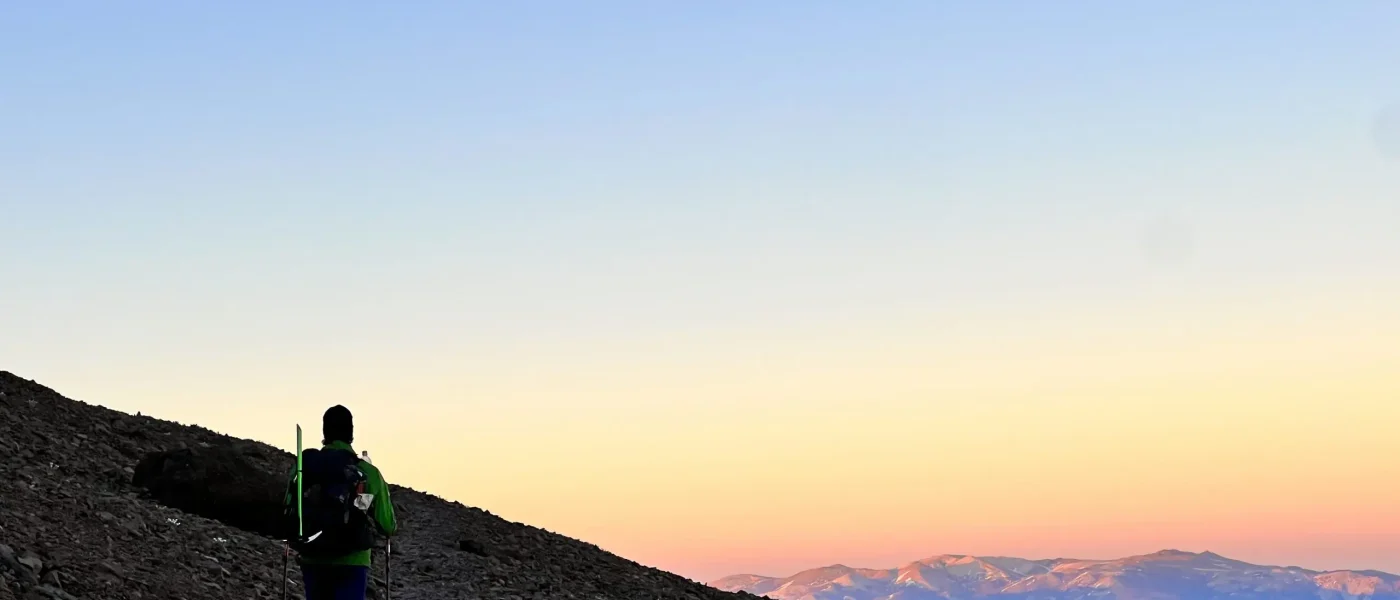
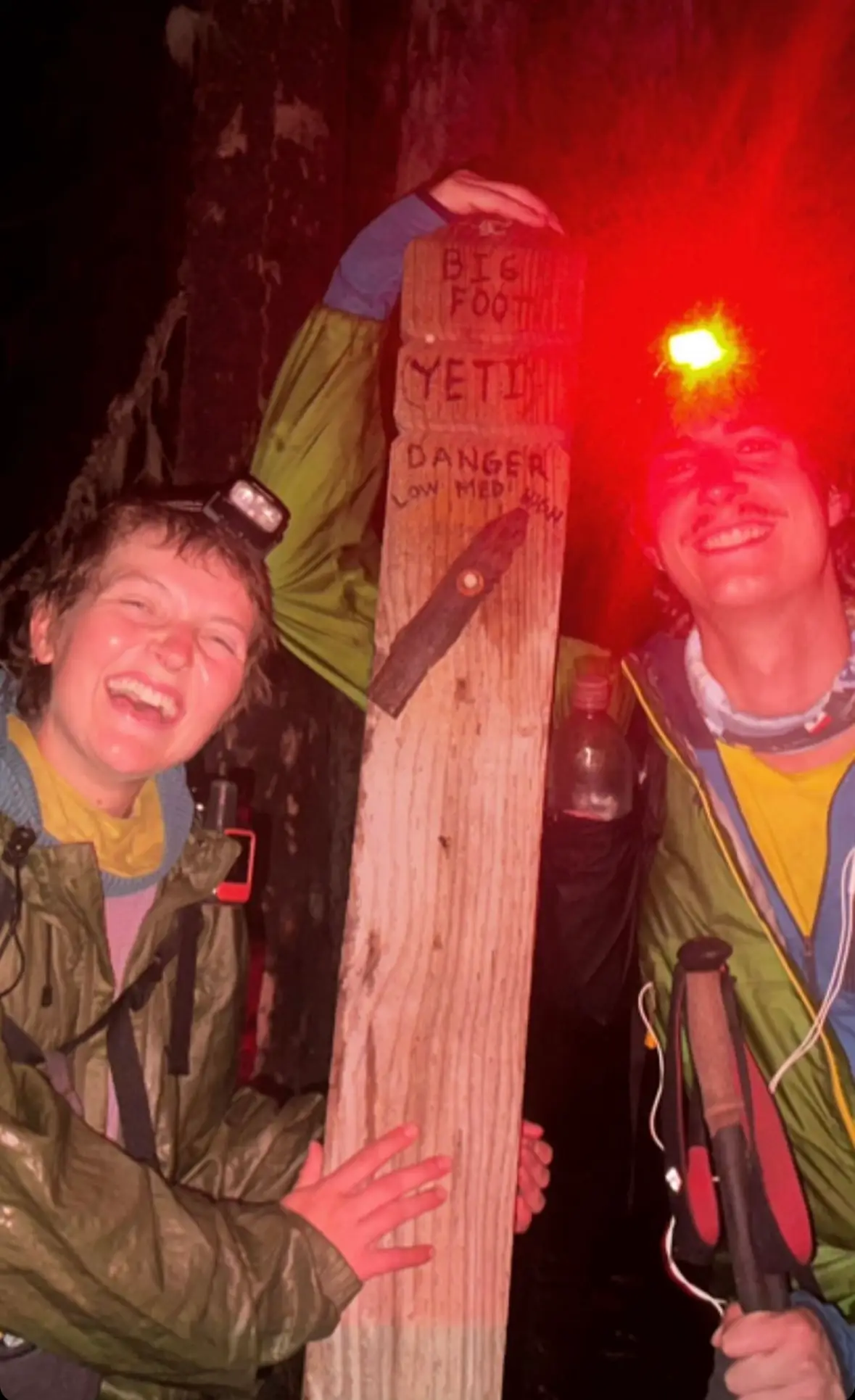
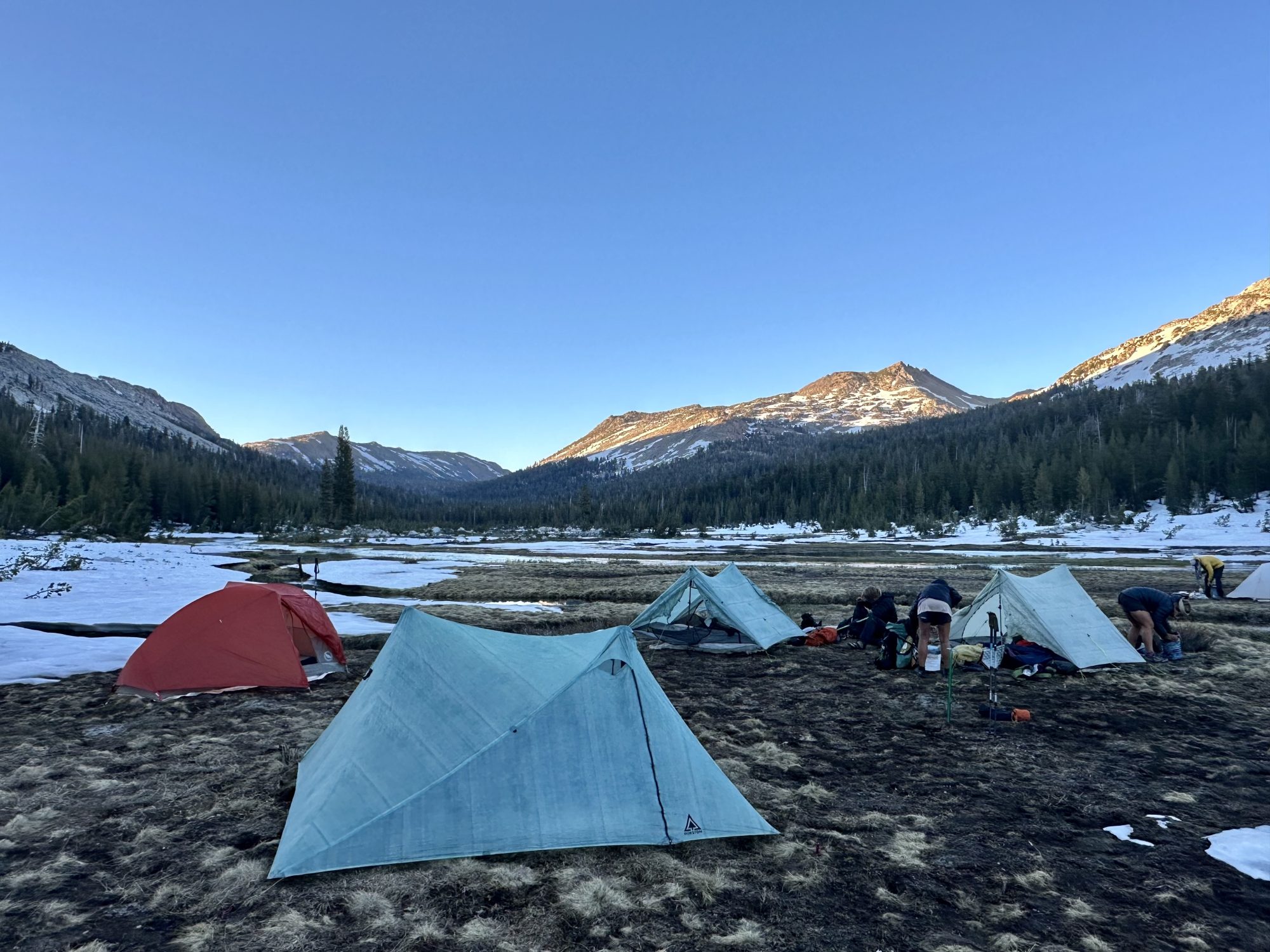
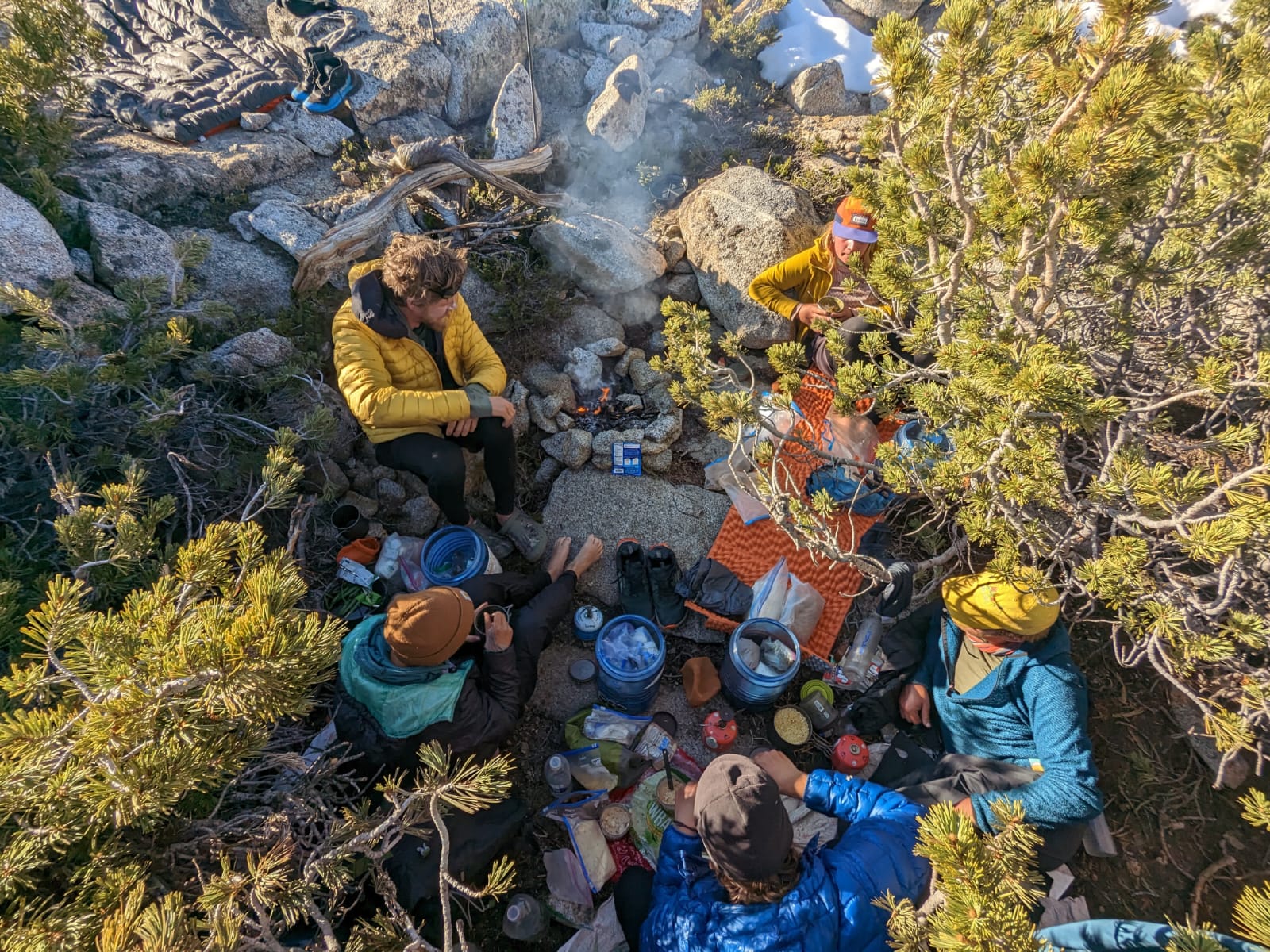
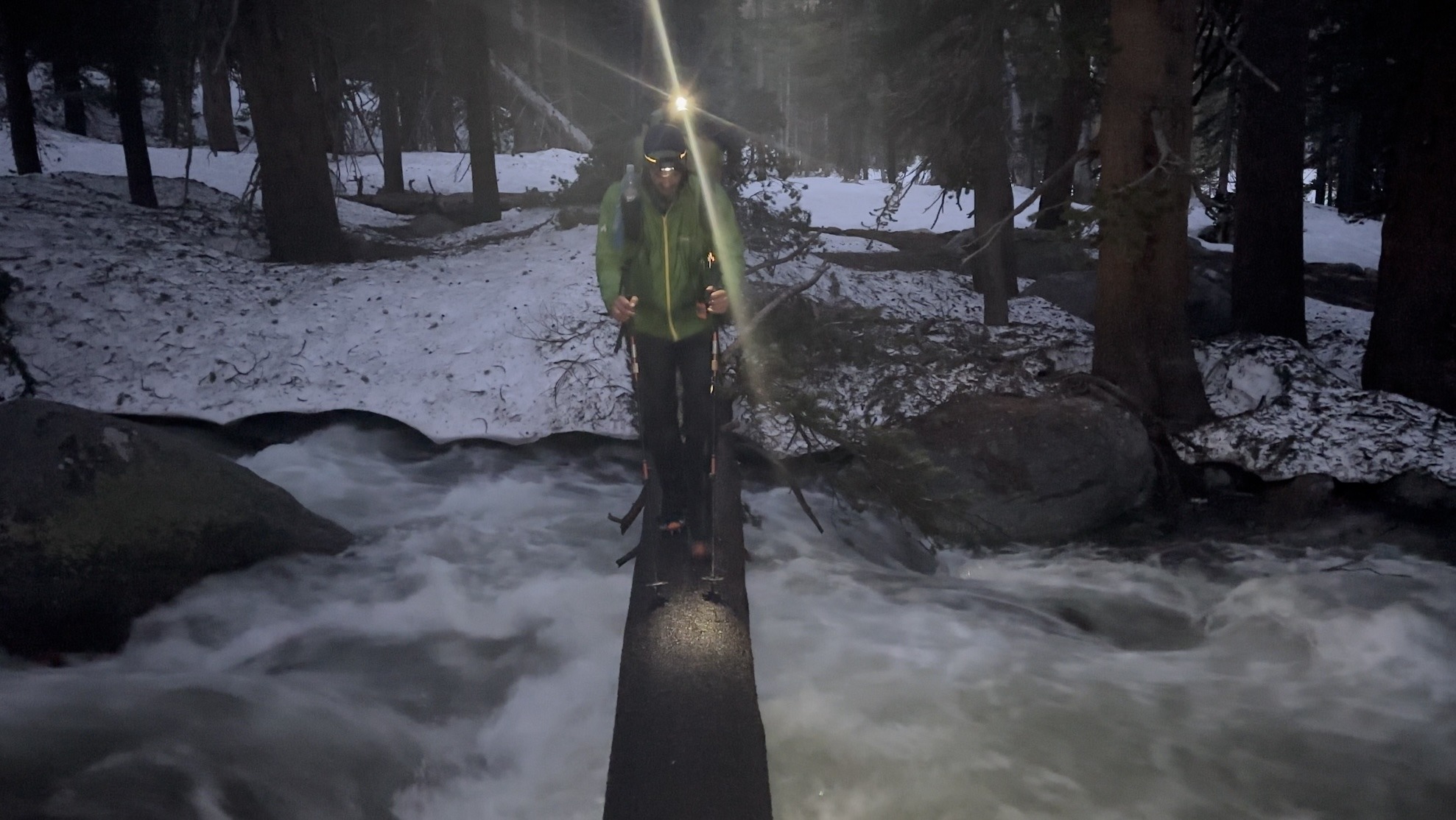
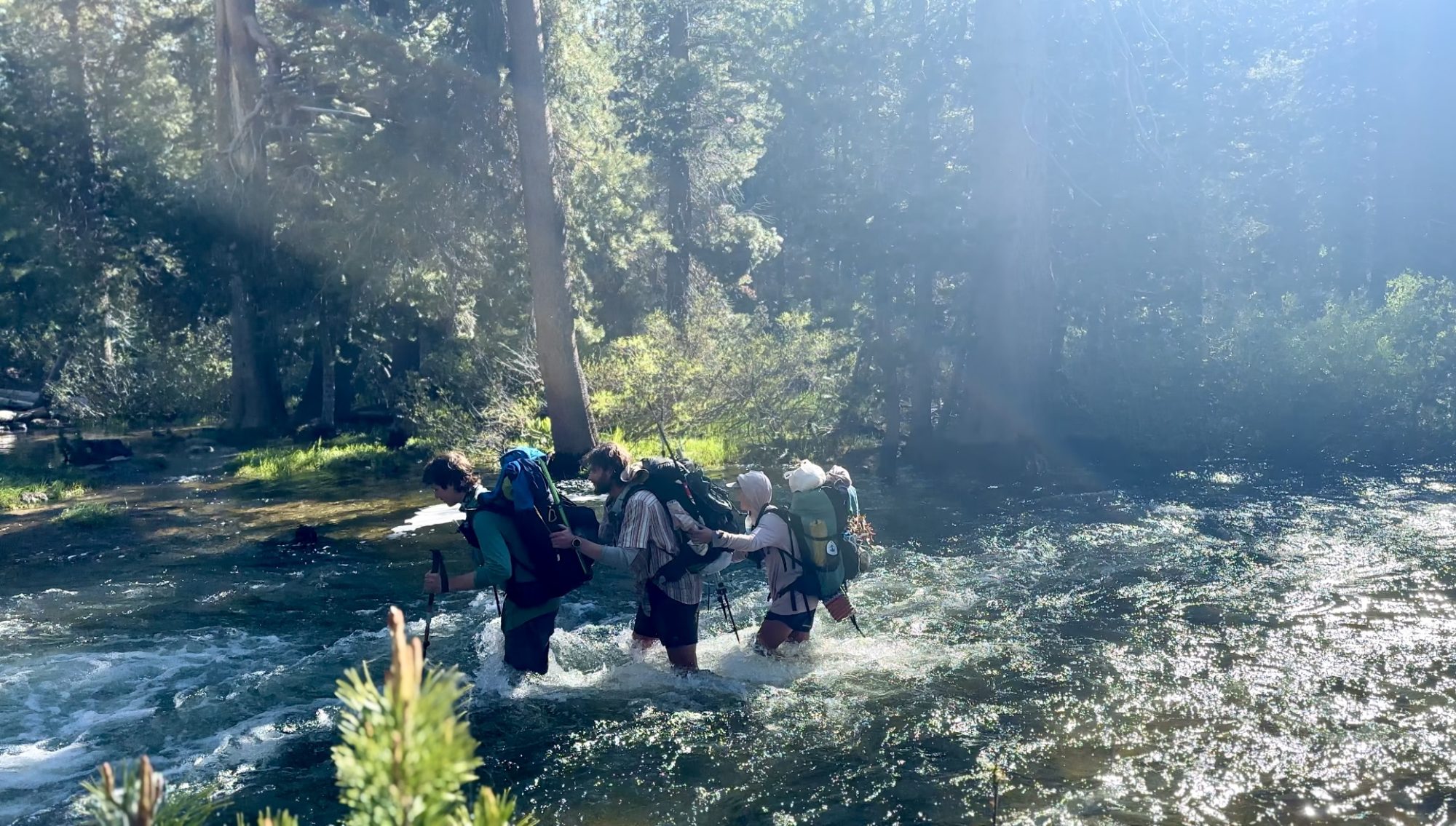
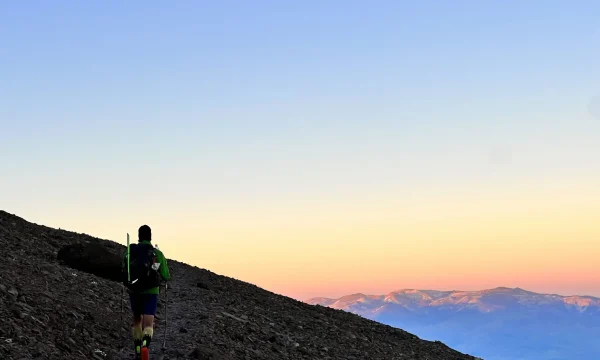
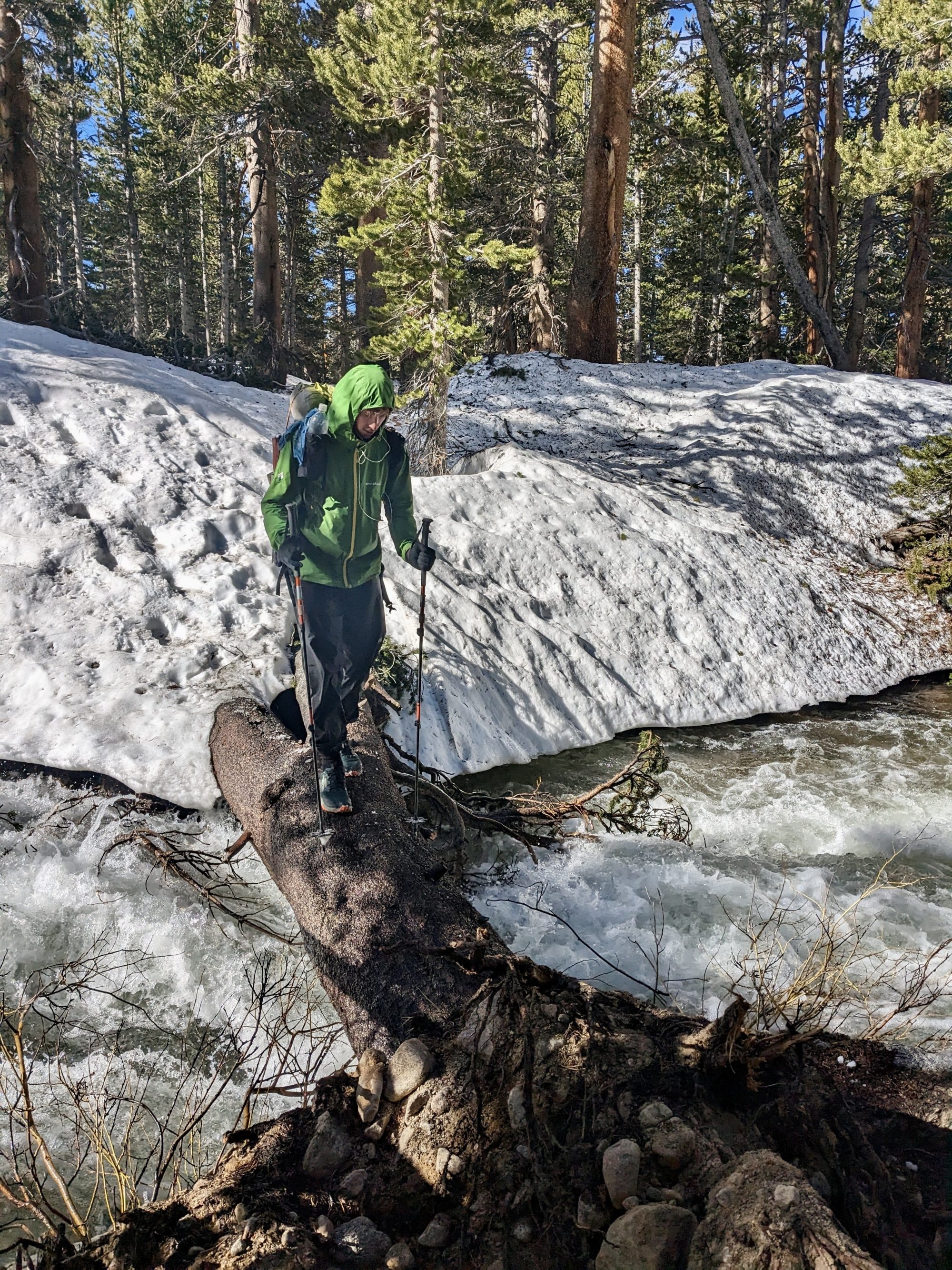
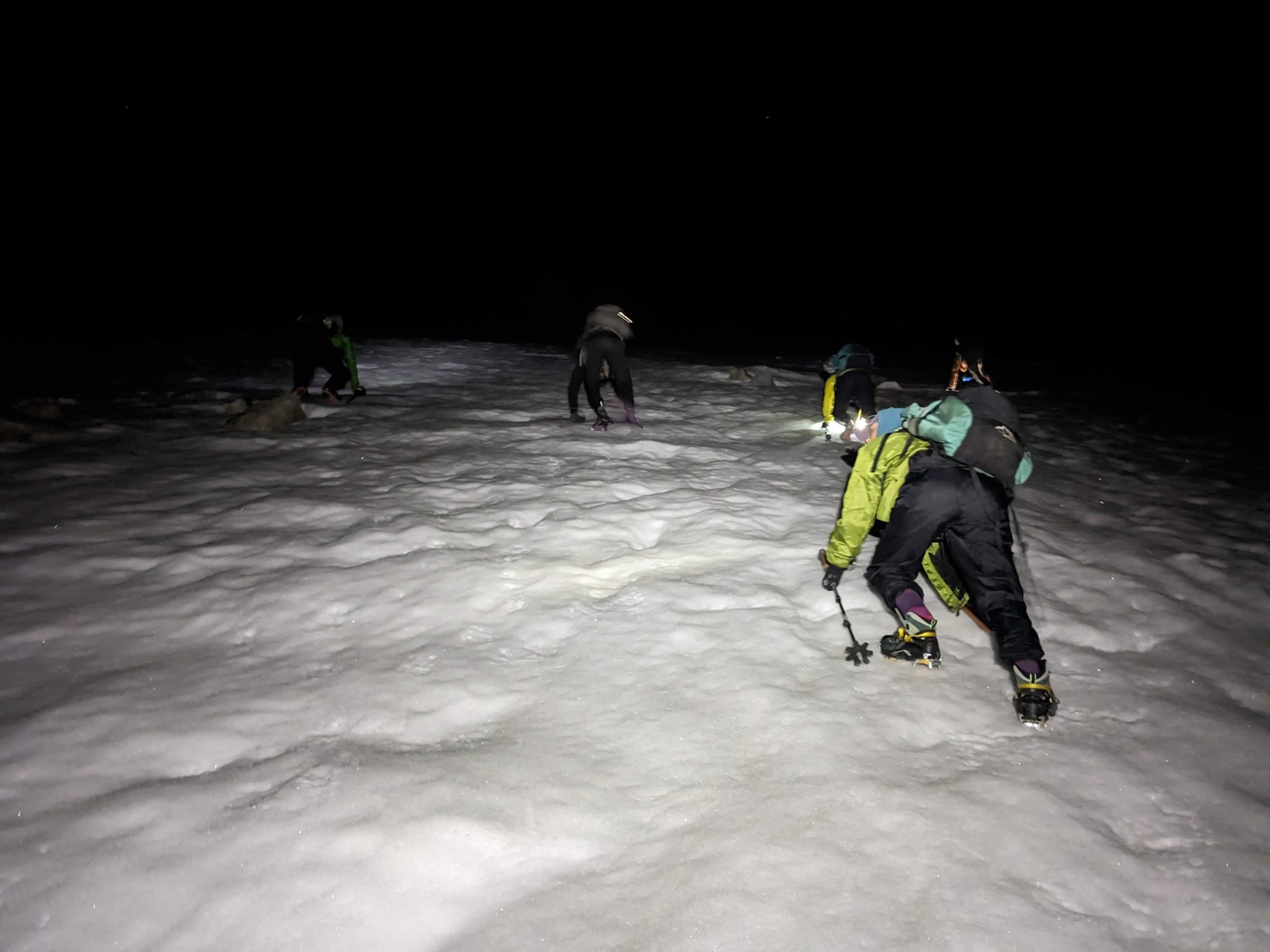
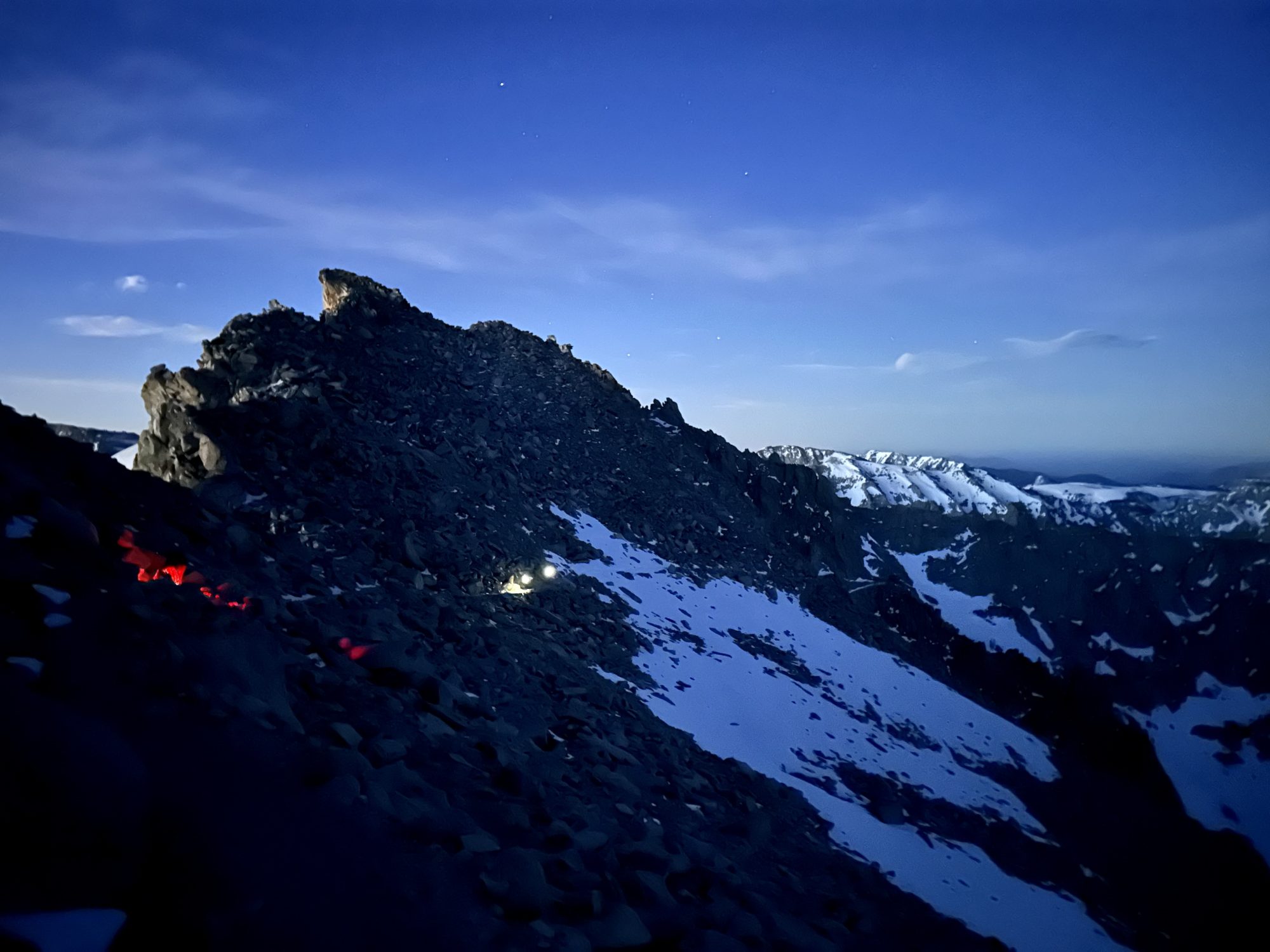
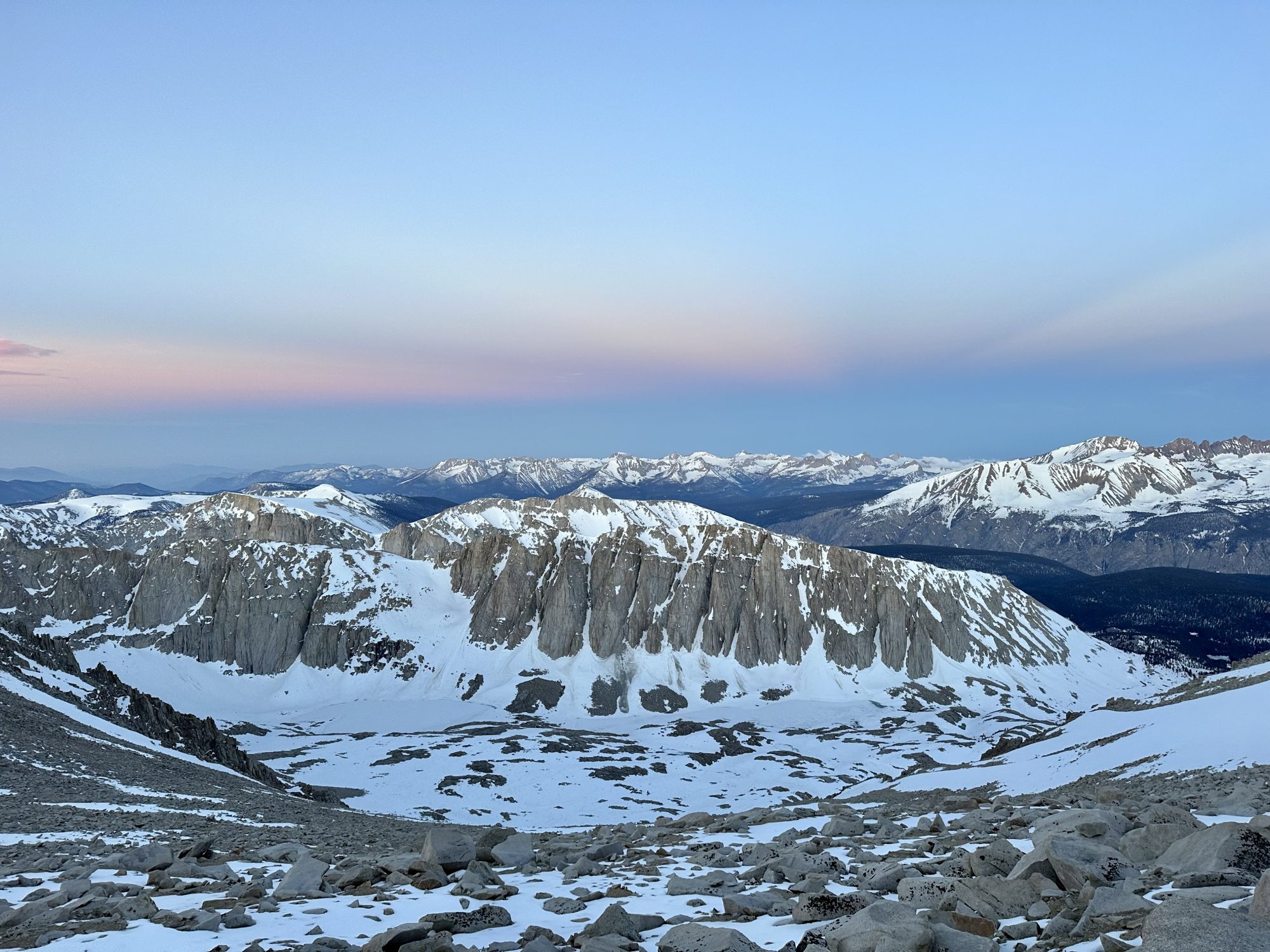
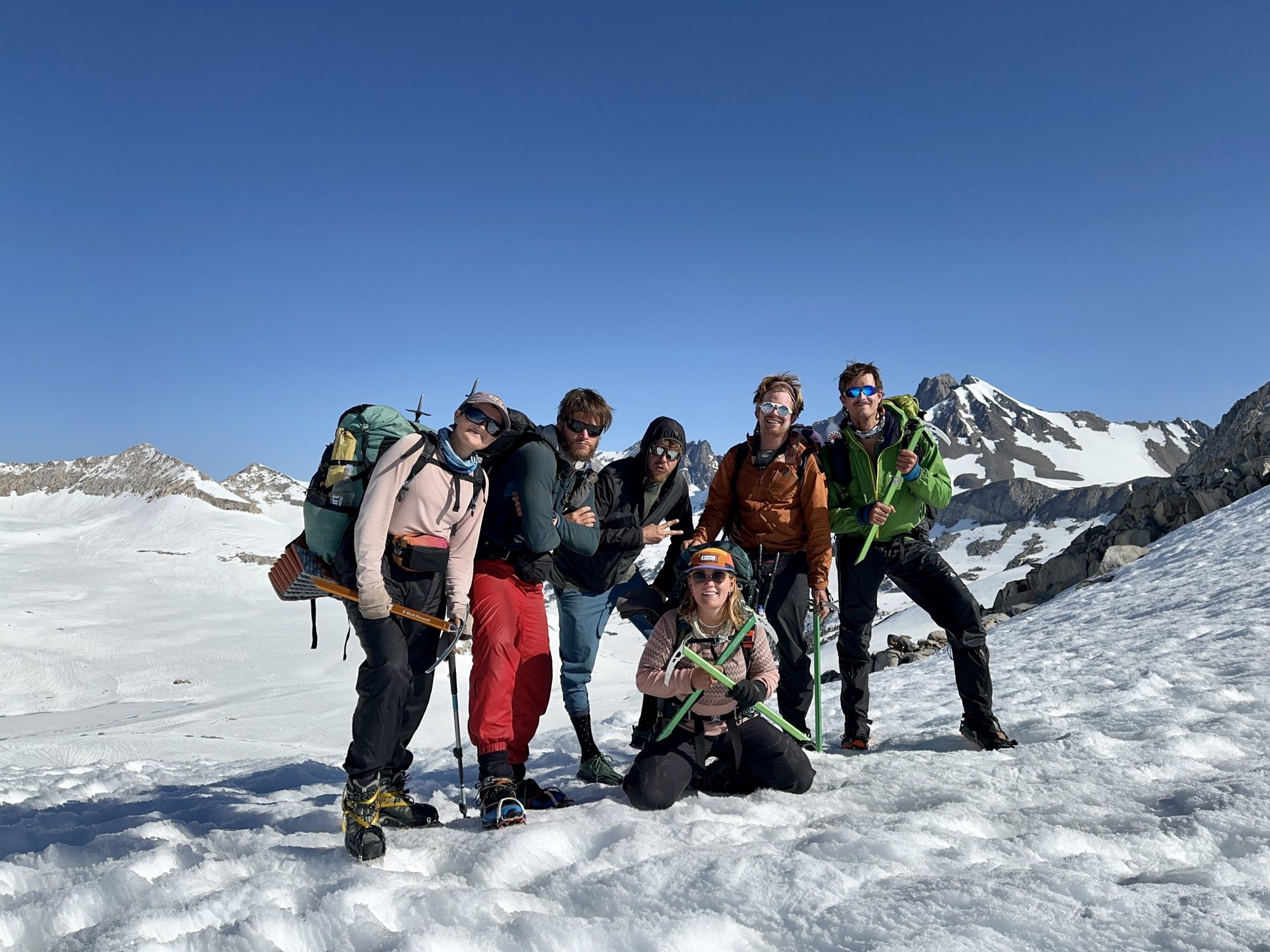
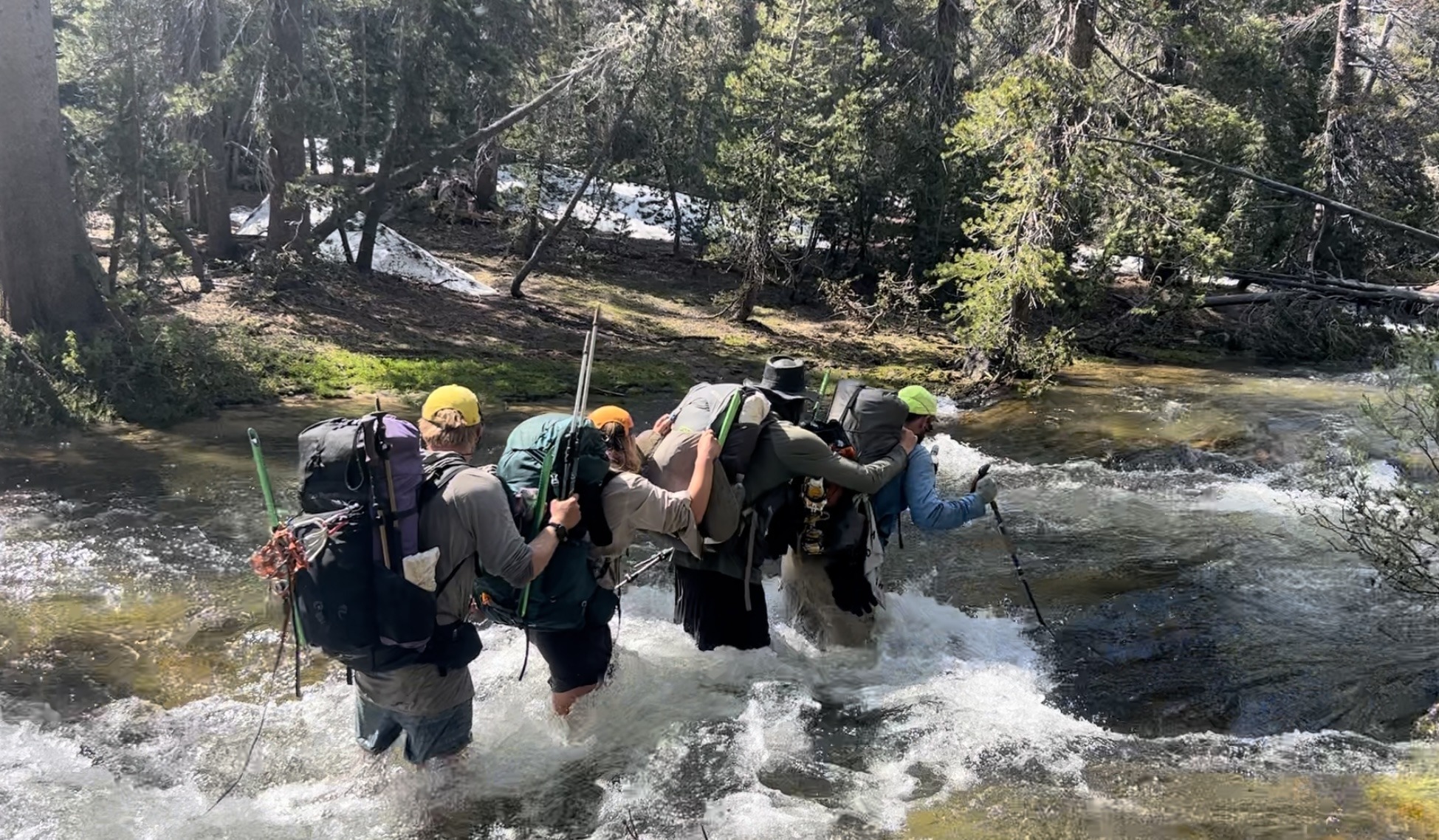
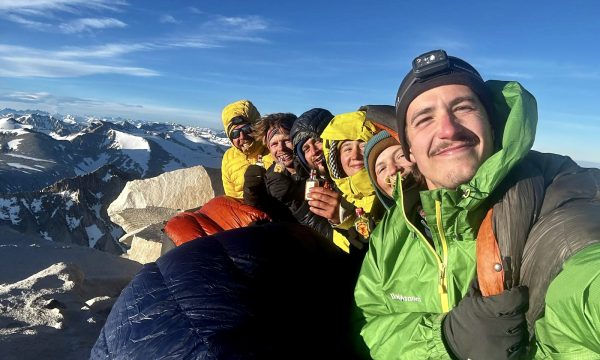
We woke up at 1 a.m. and started hiking at 2 a.m., when the snow was still frozen. Navigation was tough and river crossings could be dangerous. But the Sierra was also unbelievably beautiful, and my group became like a family. We supported each other through everything.
Fear, Hardship, and Perseverance
Q: Were you ever afraid on the trail, for example of any wild animals?
Simon: Not really of wildlife—bears and rattlesnakes usually avoid people. I actually feel safer in the wilderness than in big cities. What I feared more were natural elements: storms, icy slopes, or strong rivers.
Q: Did you ever think about quitting?
Simon: I had difficult days, of course—everyone does. Sometimes you’re tired, hungry, or cold and think, “I’d rather be home right now.” But I never seriously considered quitting. The challenges made the experience even more meaningful.
Joy, Lessons & Looking Ahead
Q: What were some of the best moments on the trail?
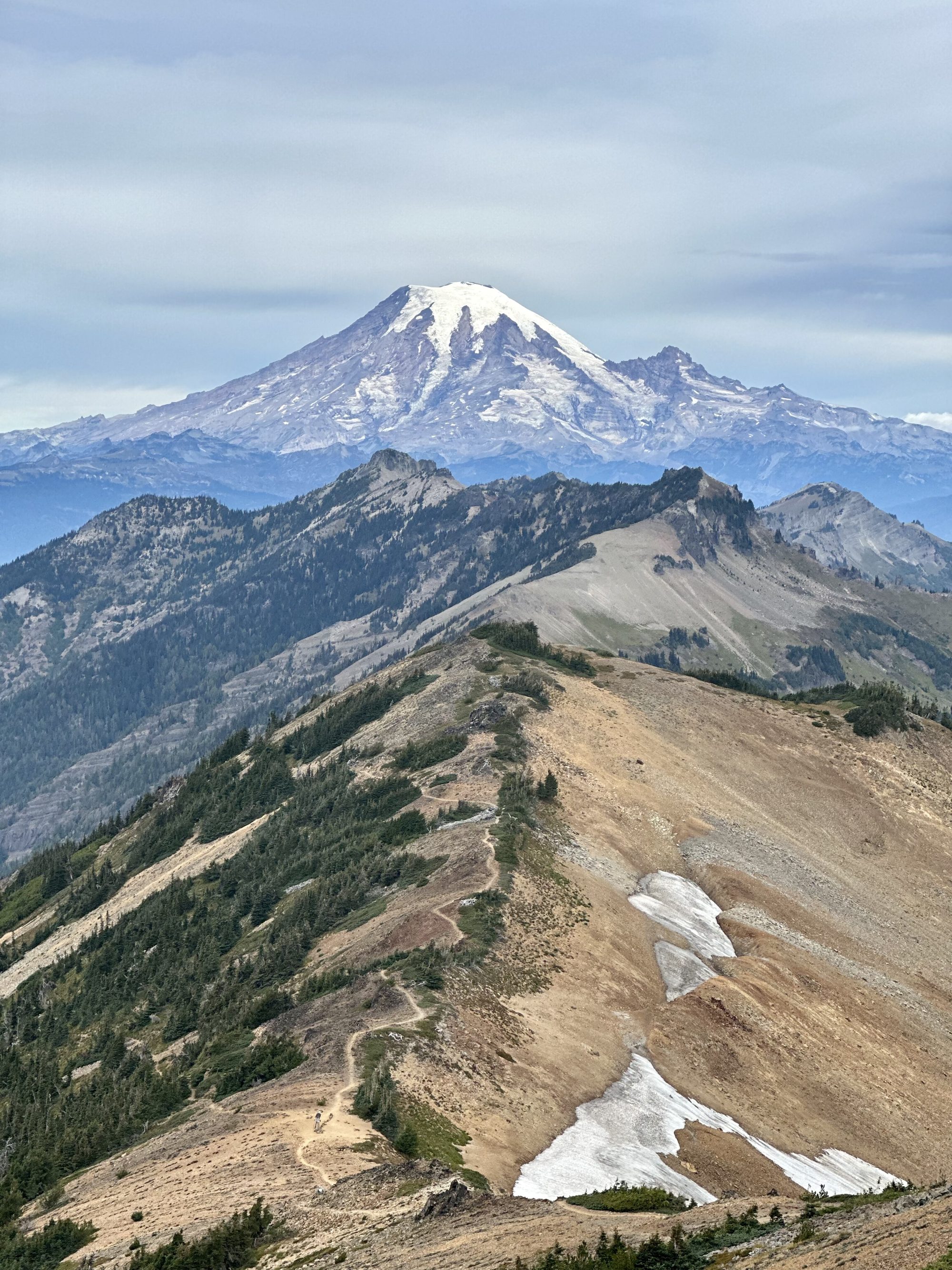
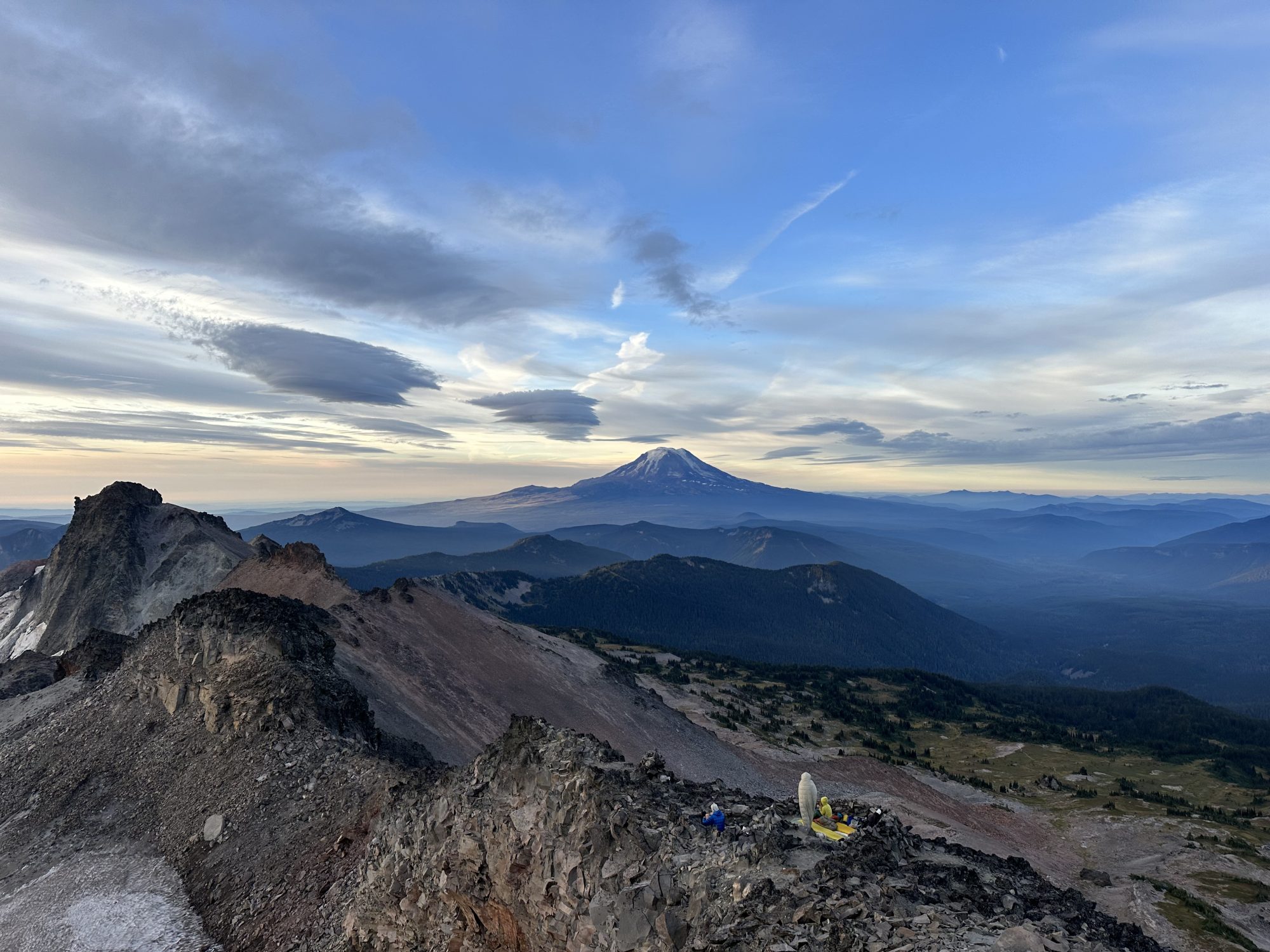
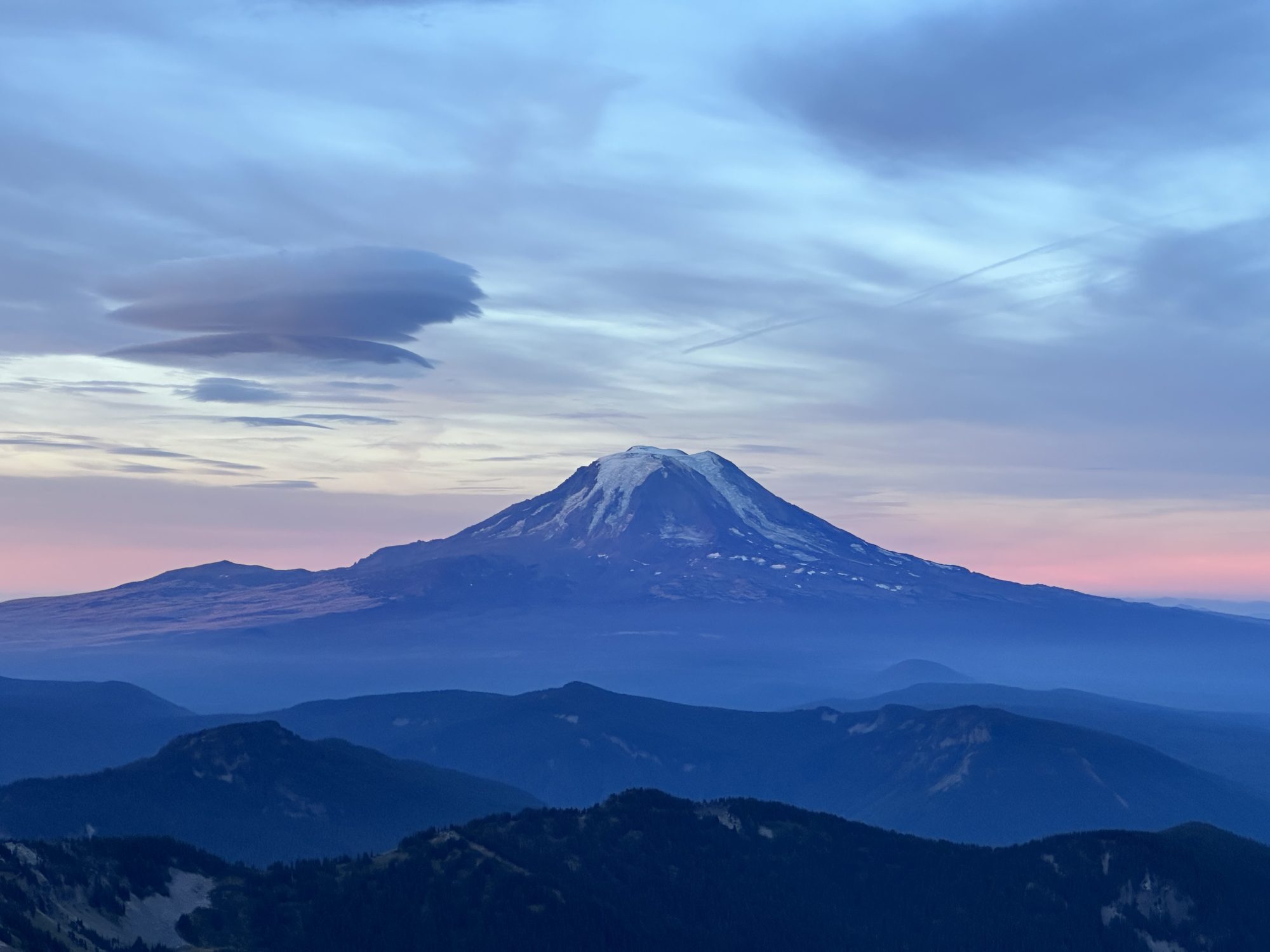
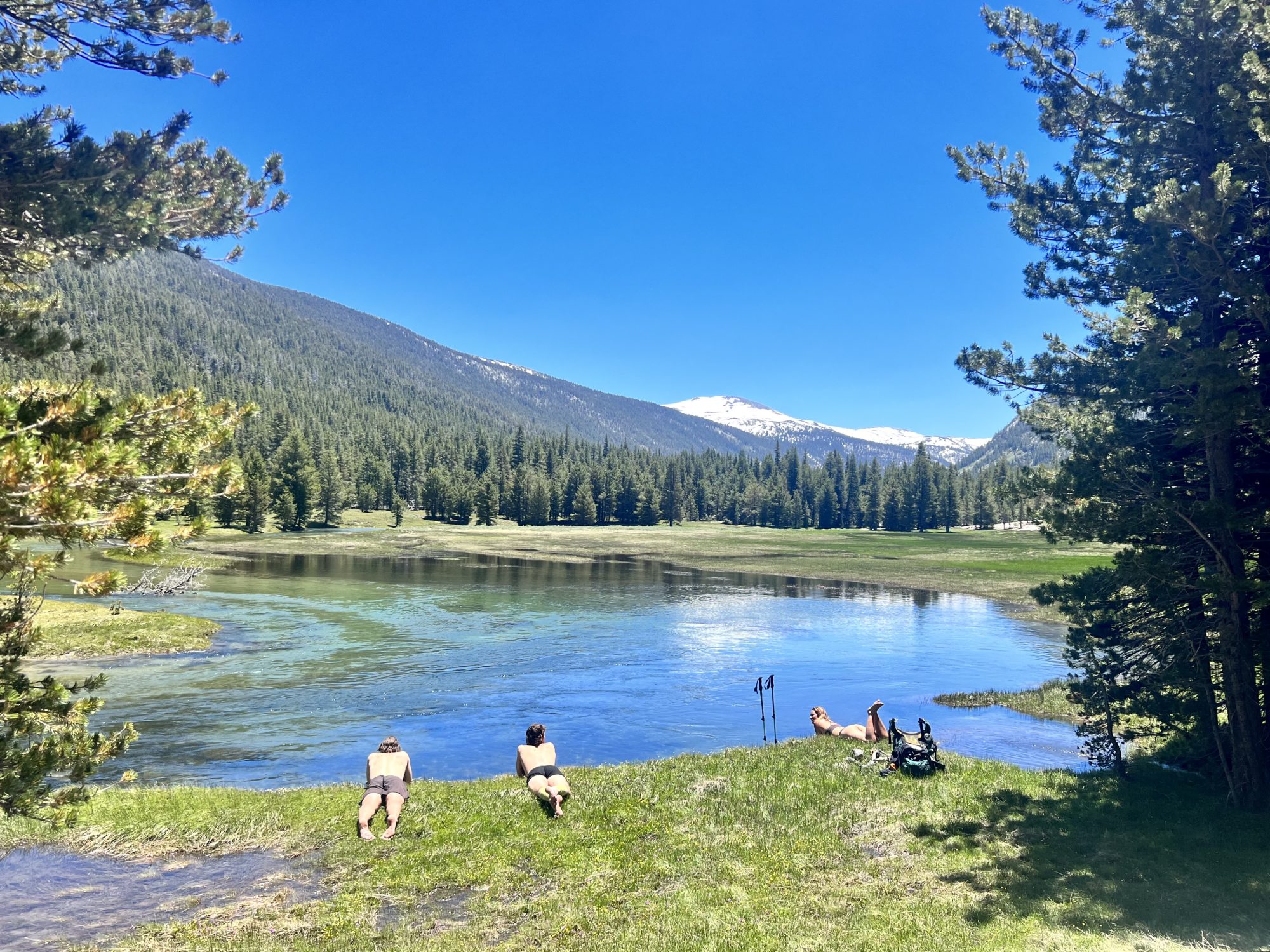
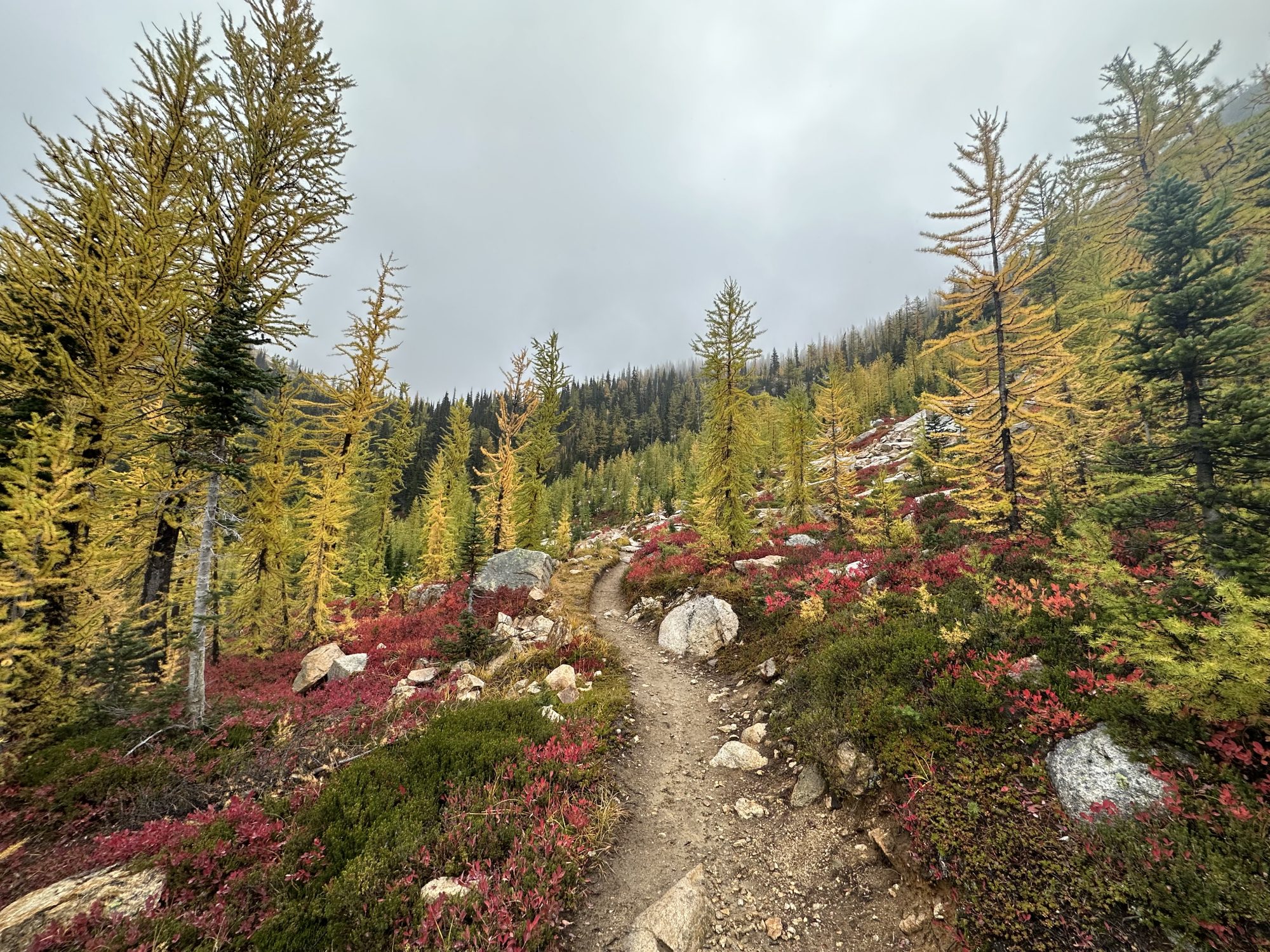
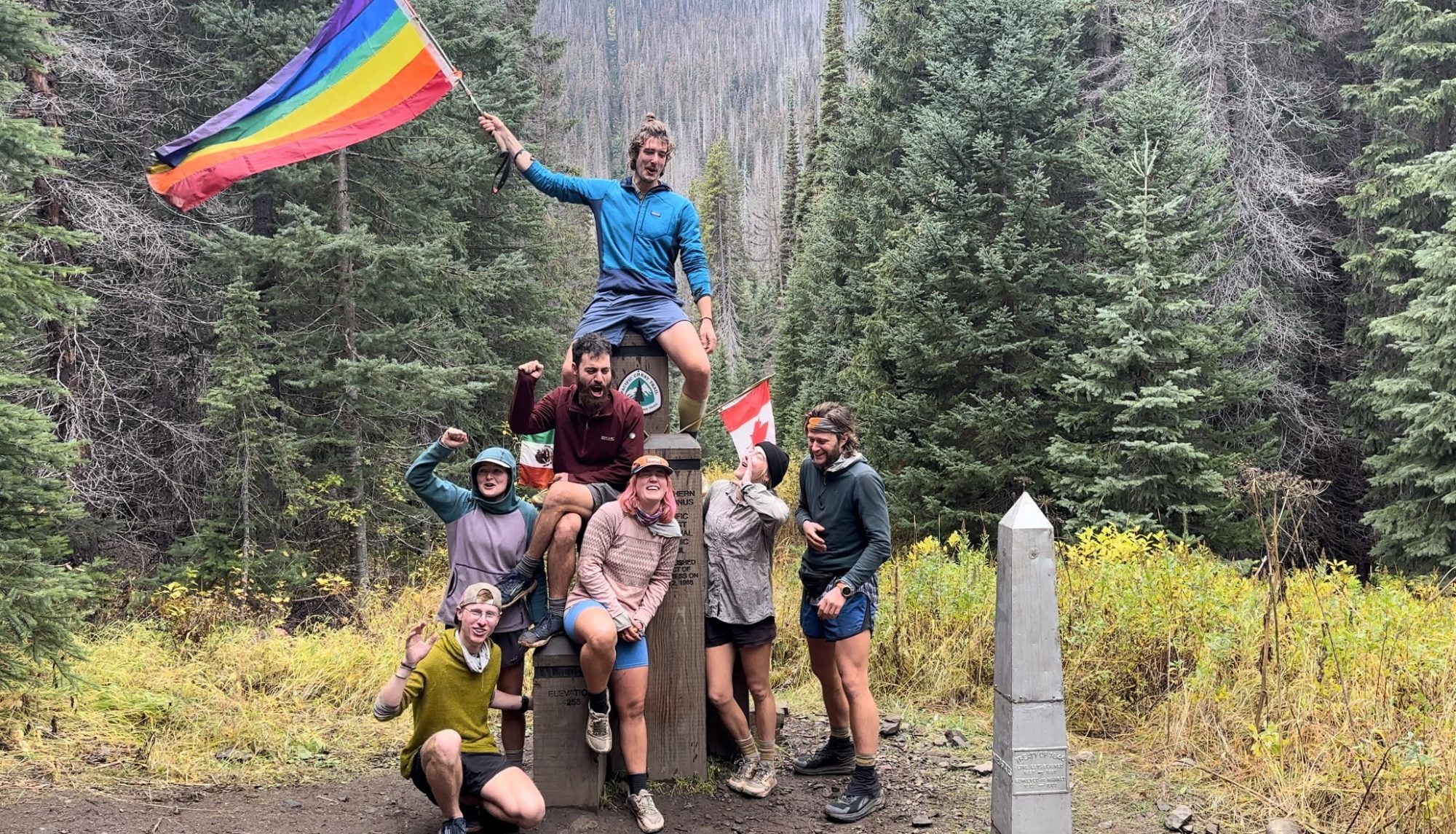
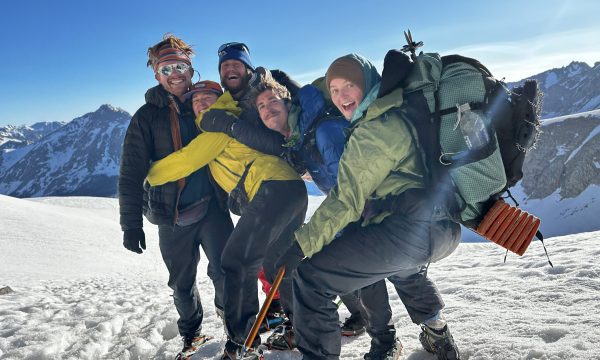
Simon: Forming a trail family after the months of hiking together was one of the biggest highlights. The landscapes were stunning, and even the rainy days had a sense of adventure. The feeling of freedom was indescribable.
Q: What was it like reaching the Canadian border?
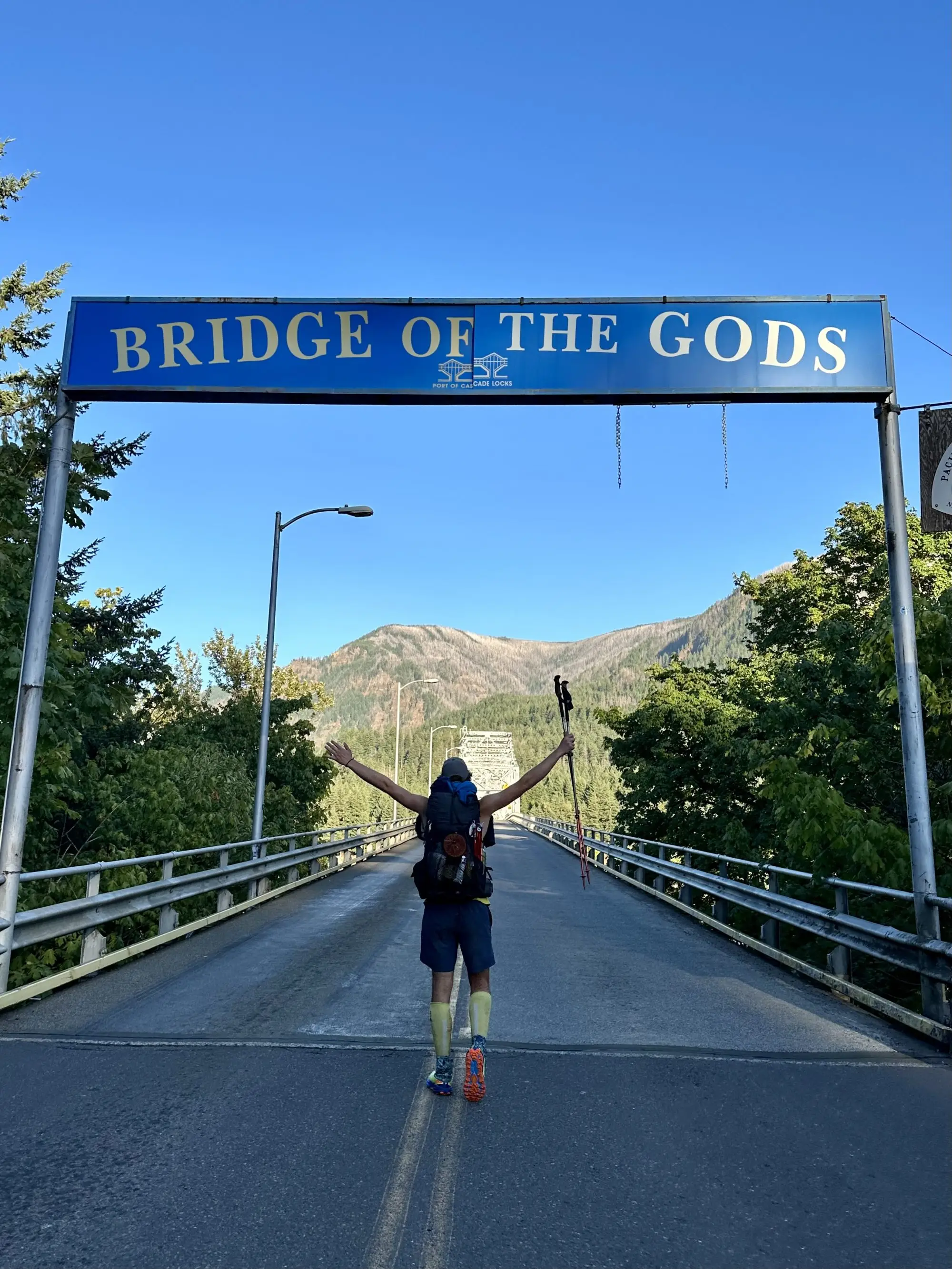
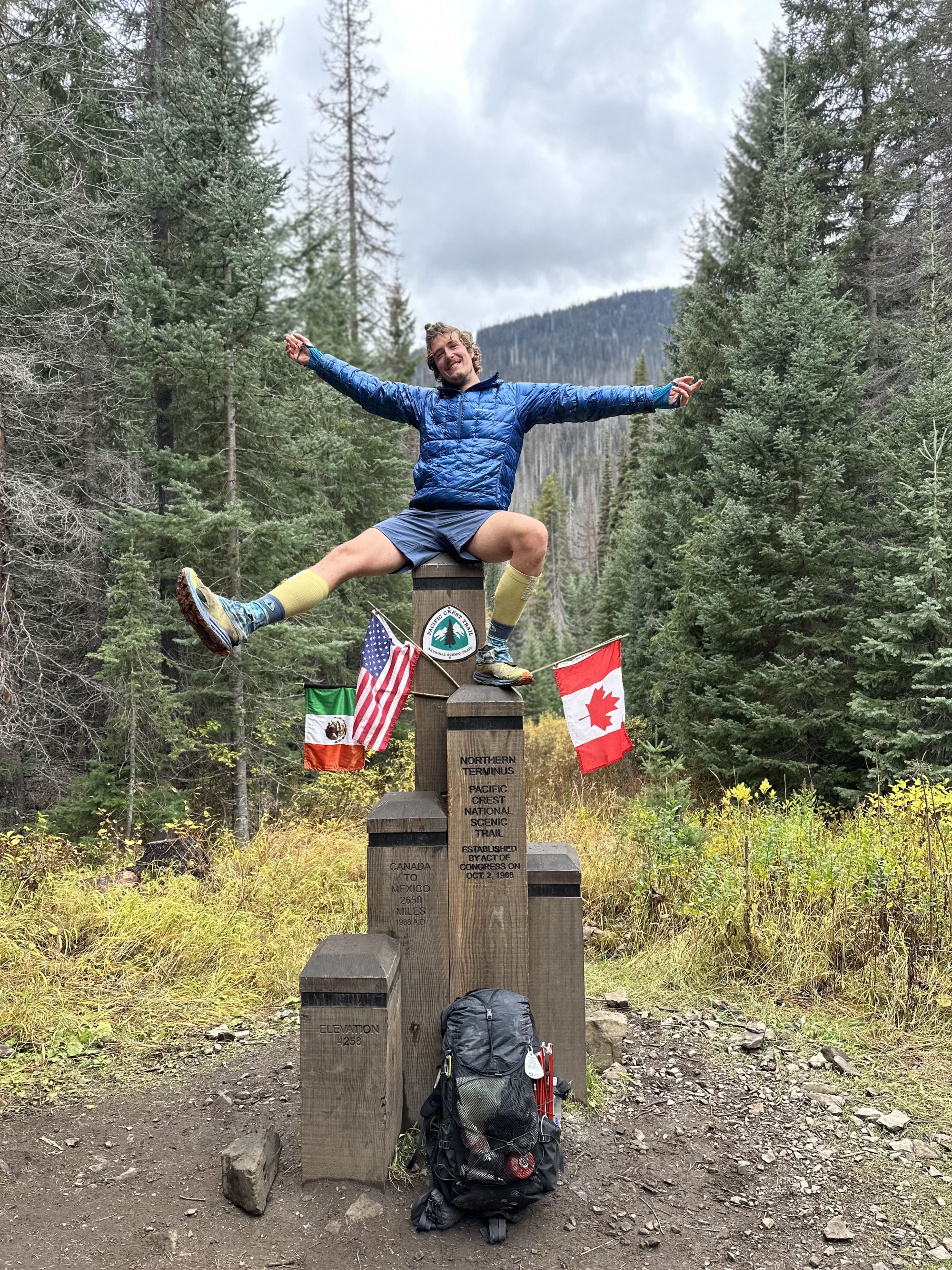
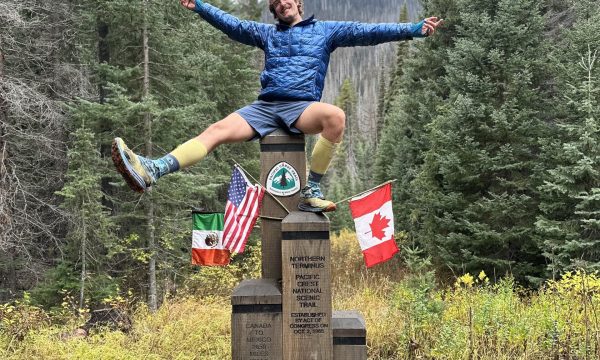
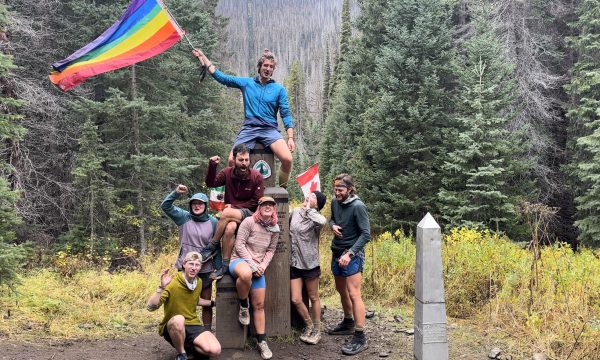
Simon: Surreal. After months of hiking, suddenly the end is right in front of you. We walked the last few miles separately so we had some personal space to reflect on our journeys. I felt proud, overwhelmed, and not quite ready for the adventure to end. Afterwards, we hitchhiked to Vancouver to celebrate.
Q: What did the PCT teach you?
Simon: That I can achieve huge things—even those that look impossible at the start. The PCT gave me a deep sense of freedom and inner strength. I made lifelong friendships and gained experiences that changed how I see life. You really do learn what matters. You appreciate the simplest moments.
Q: What’s your advice for aspiring long-distance hikers?
Simon:
Just go for it. Don’t let fear stop you.
Avoid over-planning. You can’t script a months-long adventure.
Think about whether to hike alone or with someone. Both have their pros and cons.
Q: What’s next for you?
Simon: I want to improve my mountaineering skills. Long-term, I dream of the Seven Summits. And for thru-hiking, I’d love to hike the Continental Divide Trail next—the PCT’s big sibling through the Rocky Mountains.