About Bart
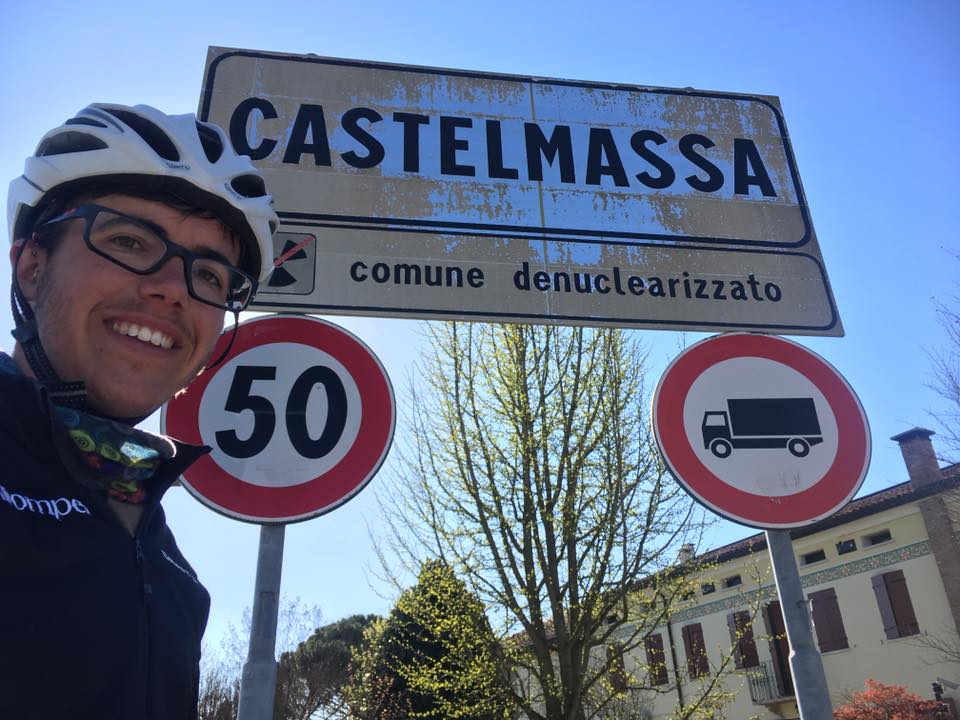
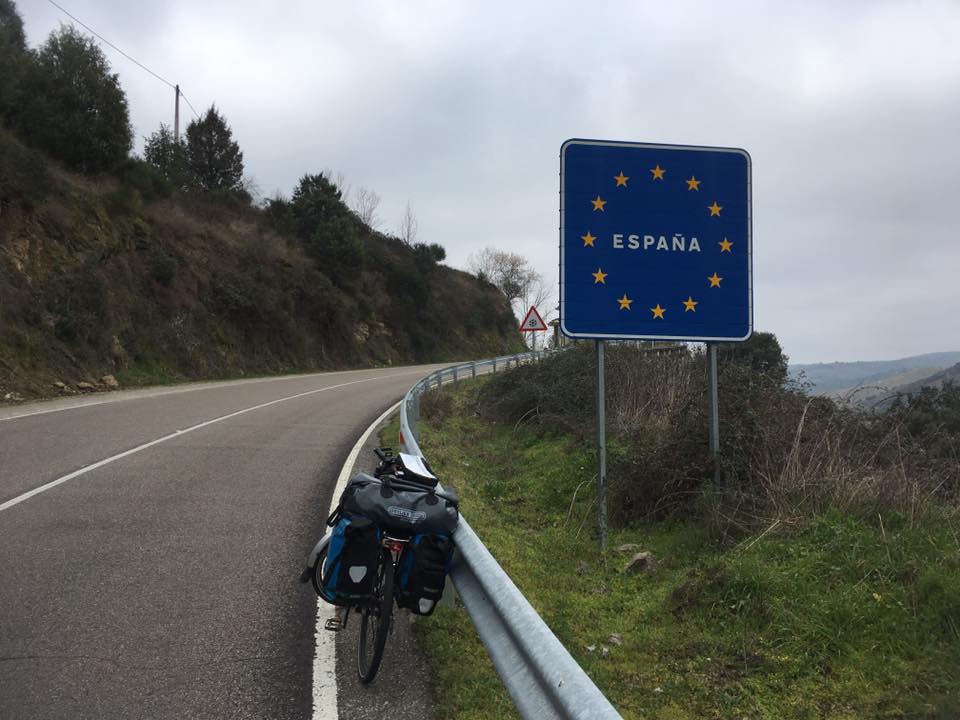
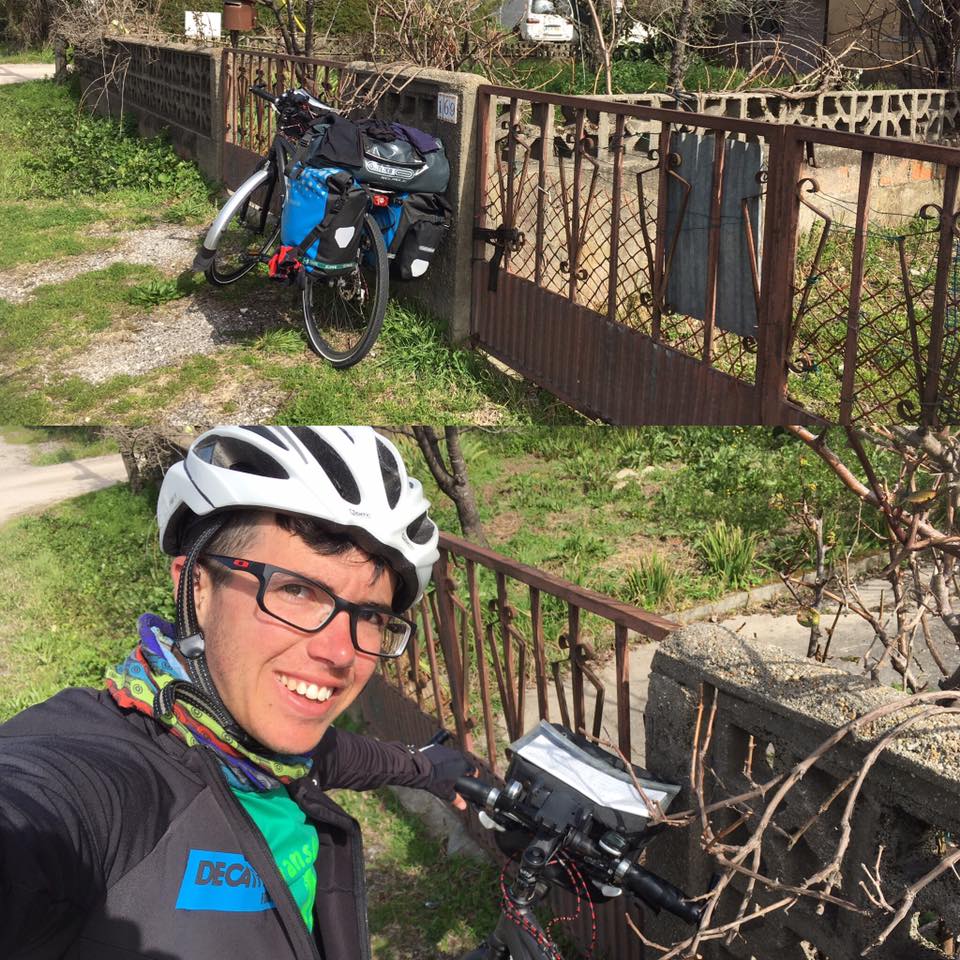
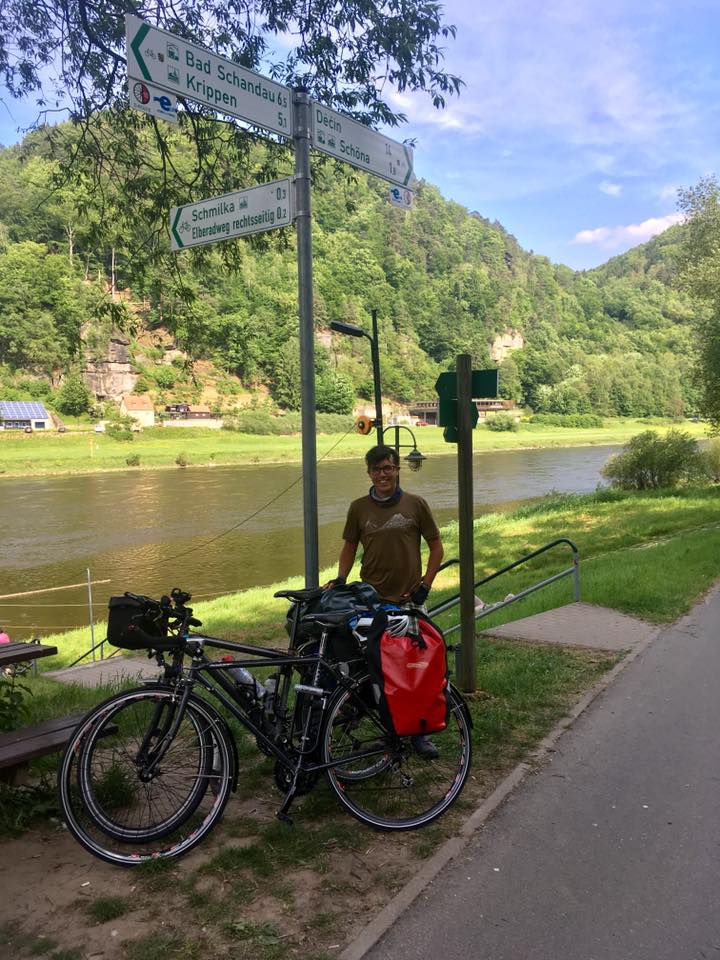
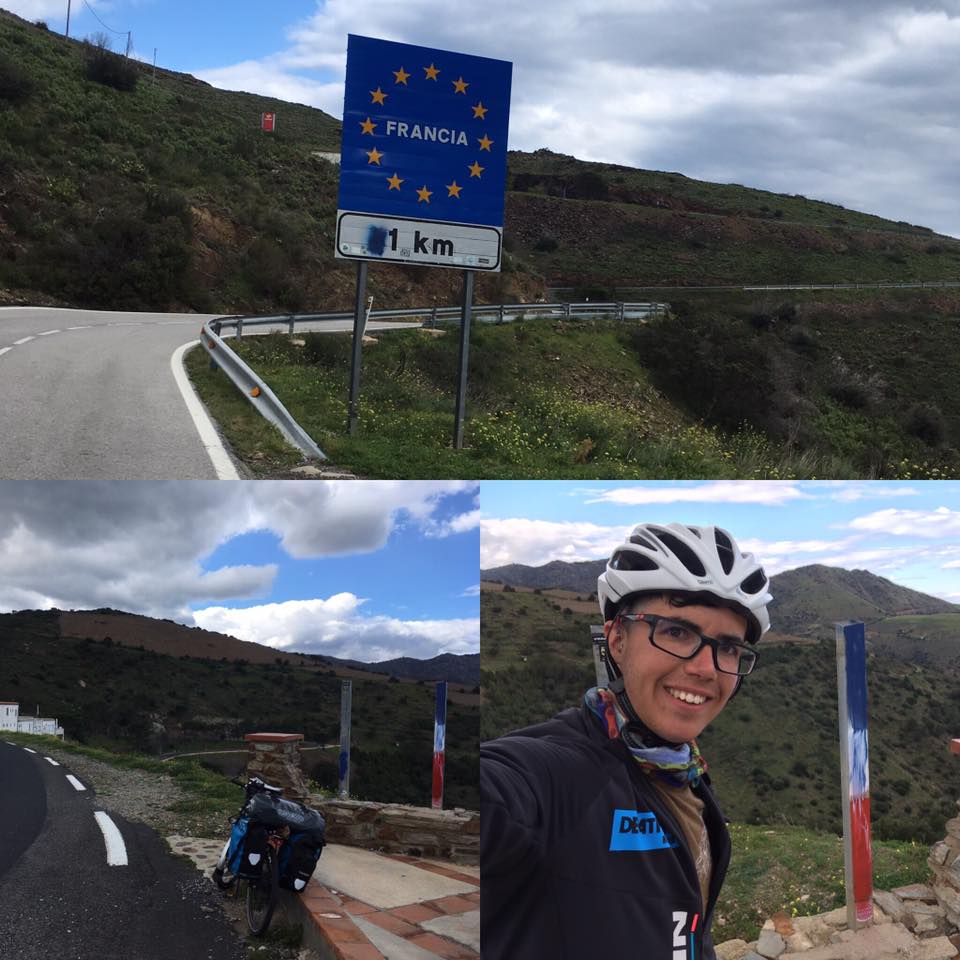
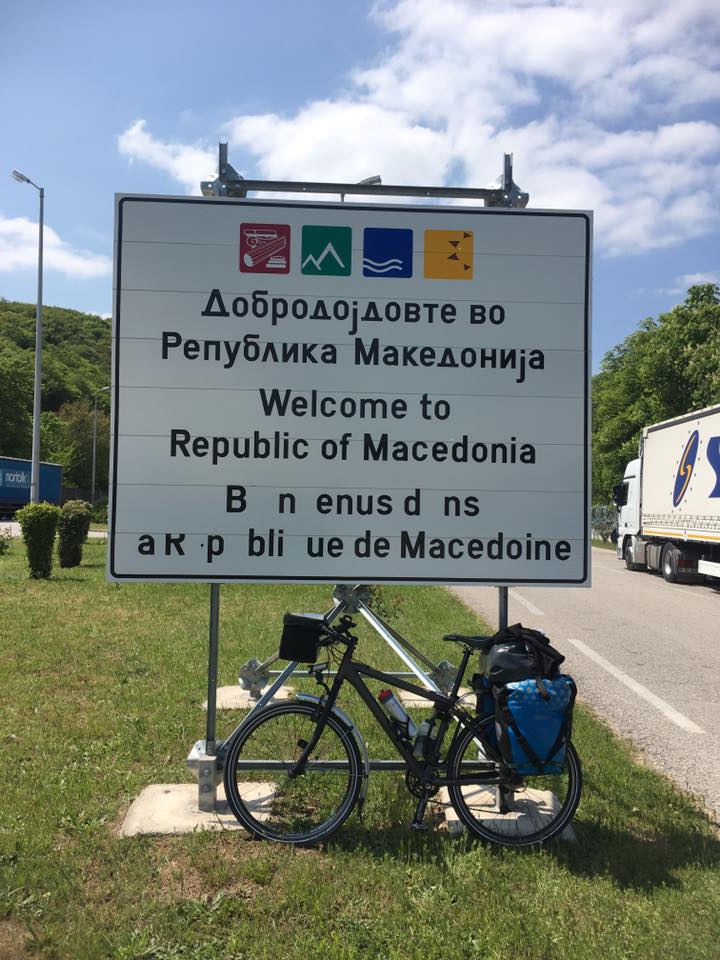
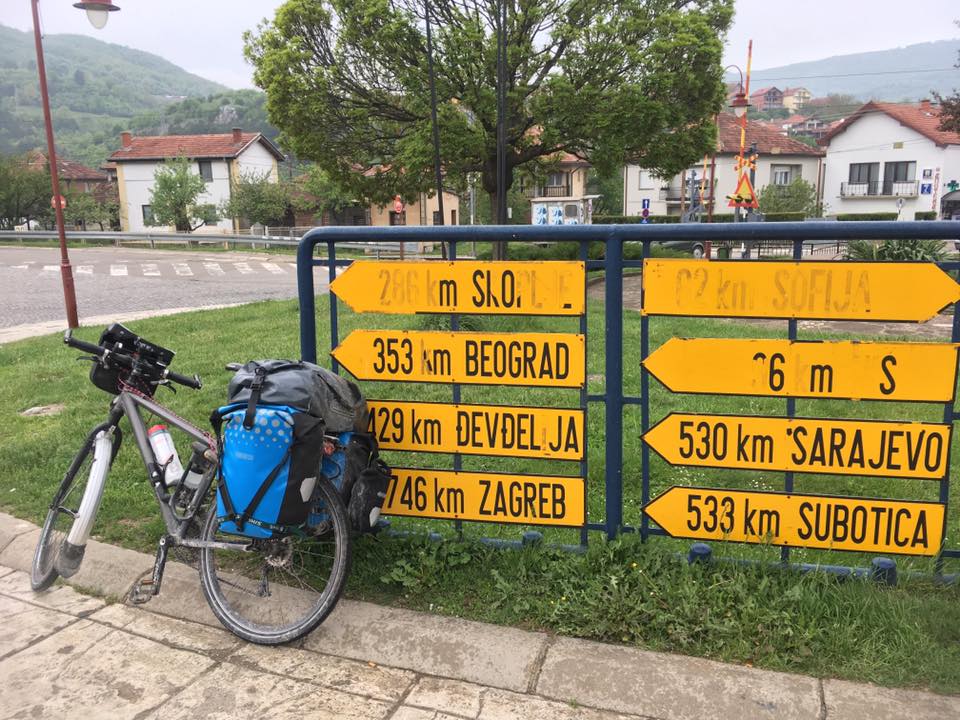
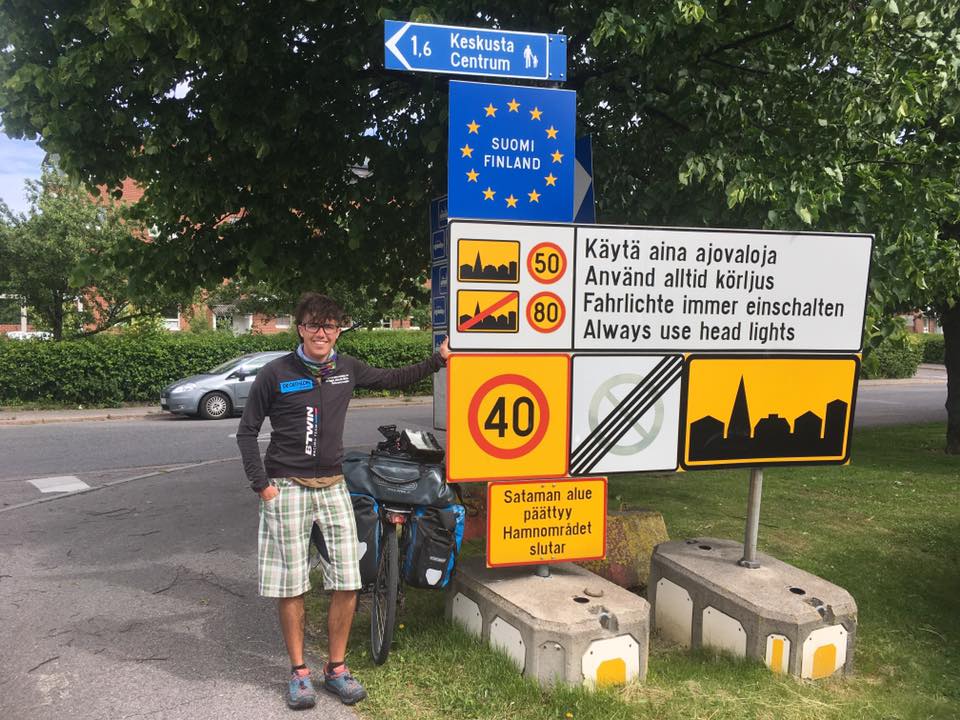
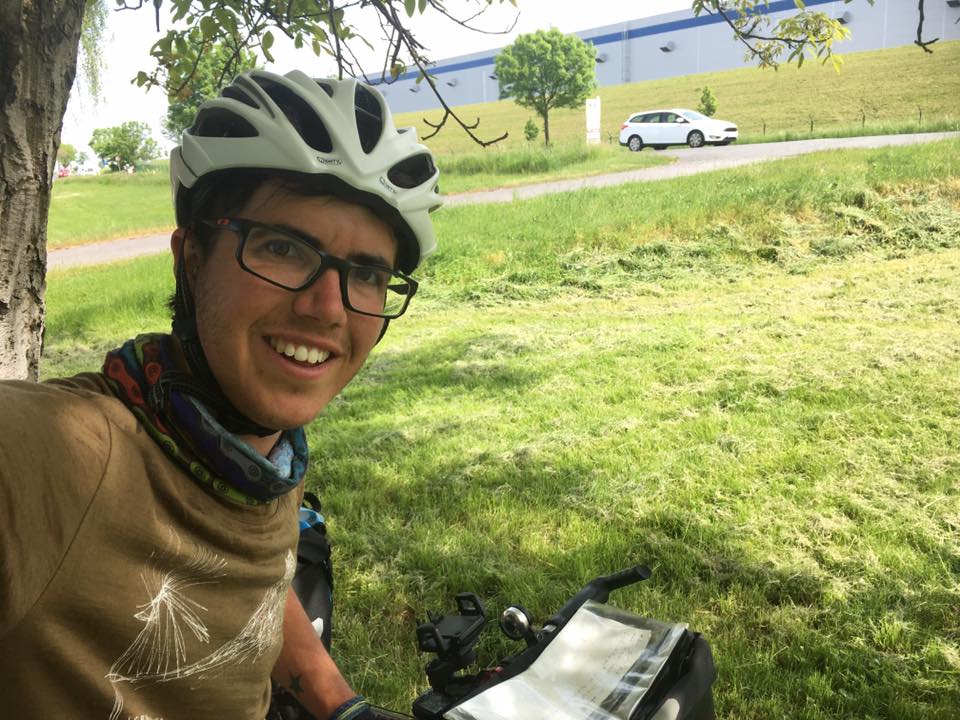
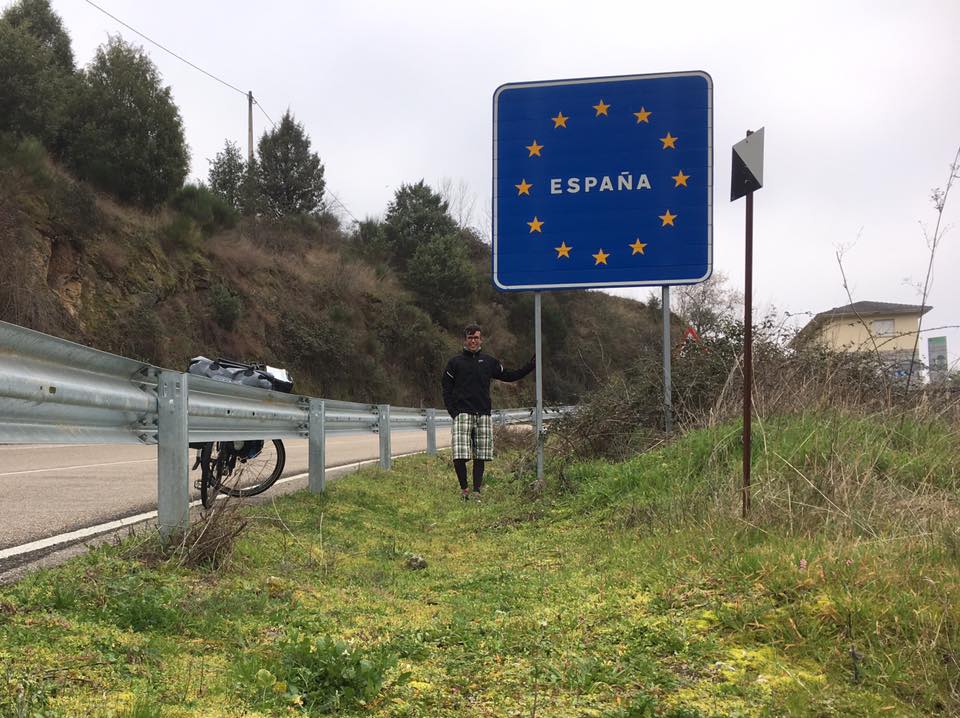
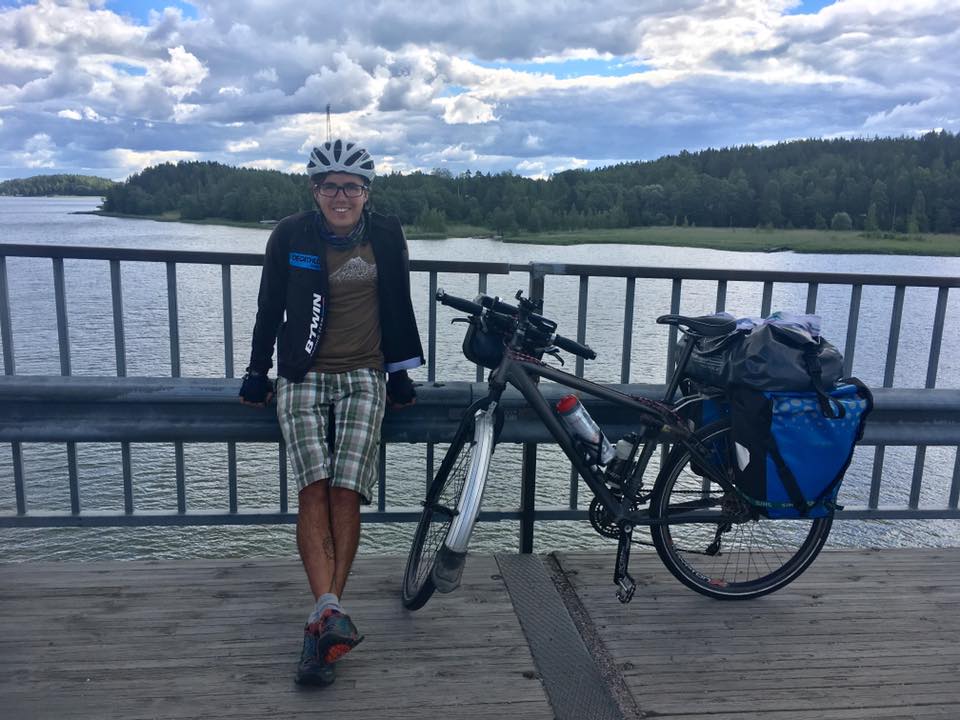
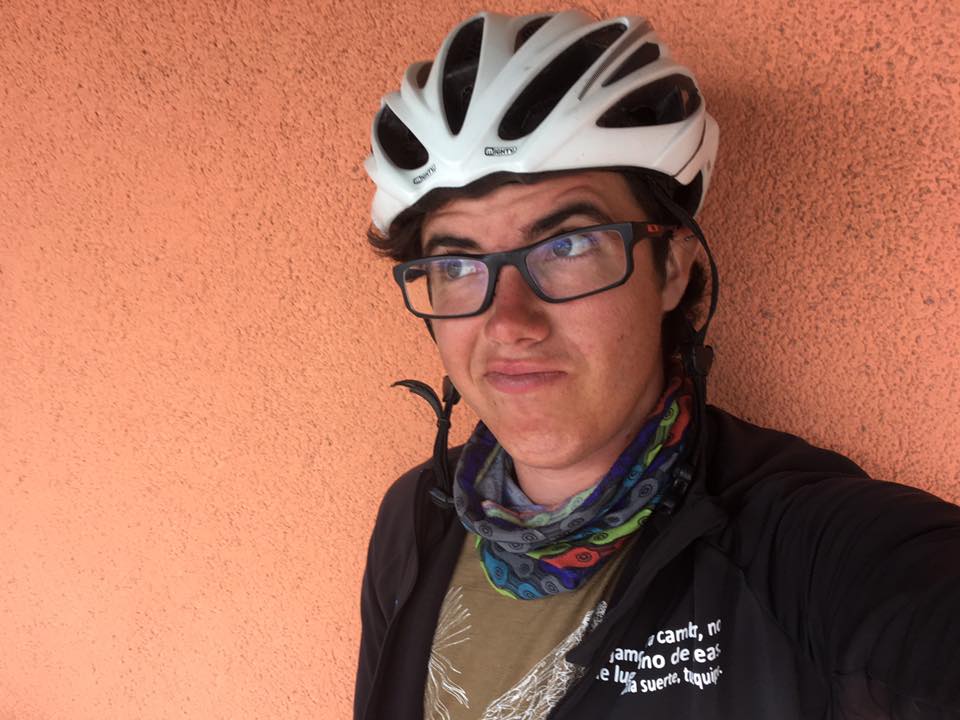
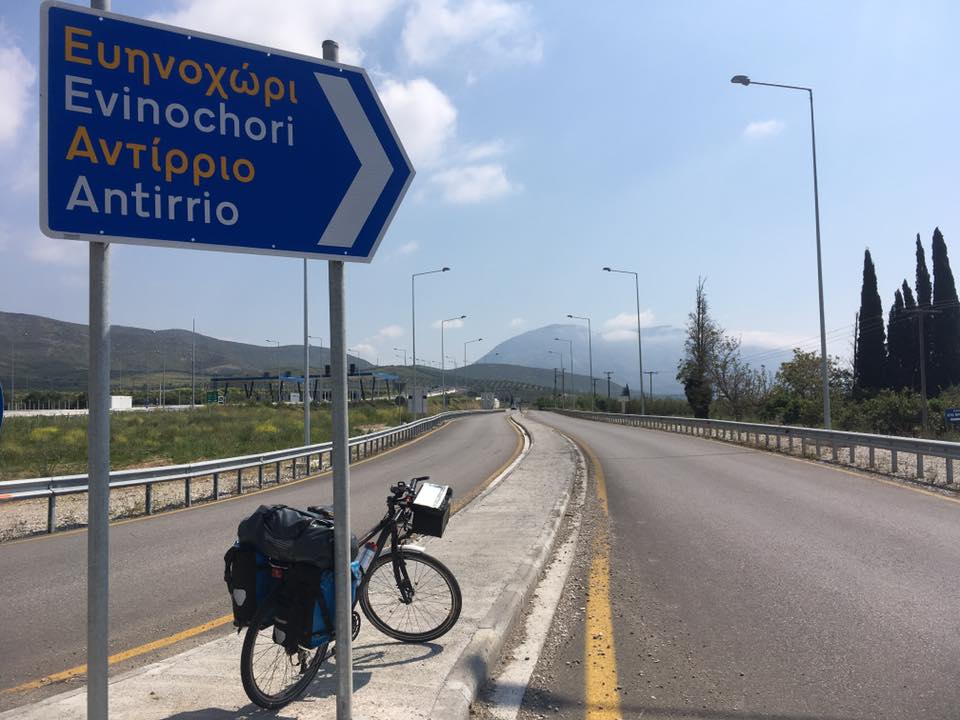
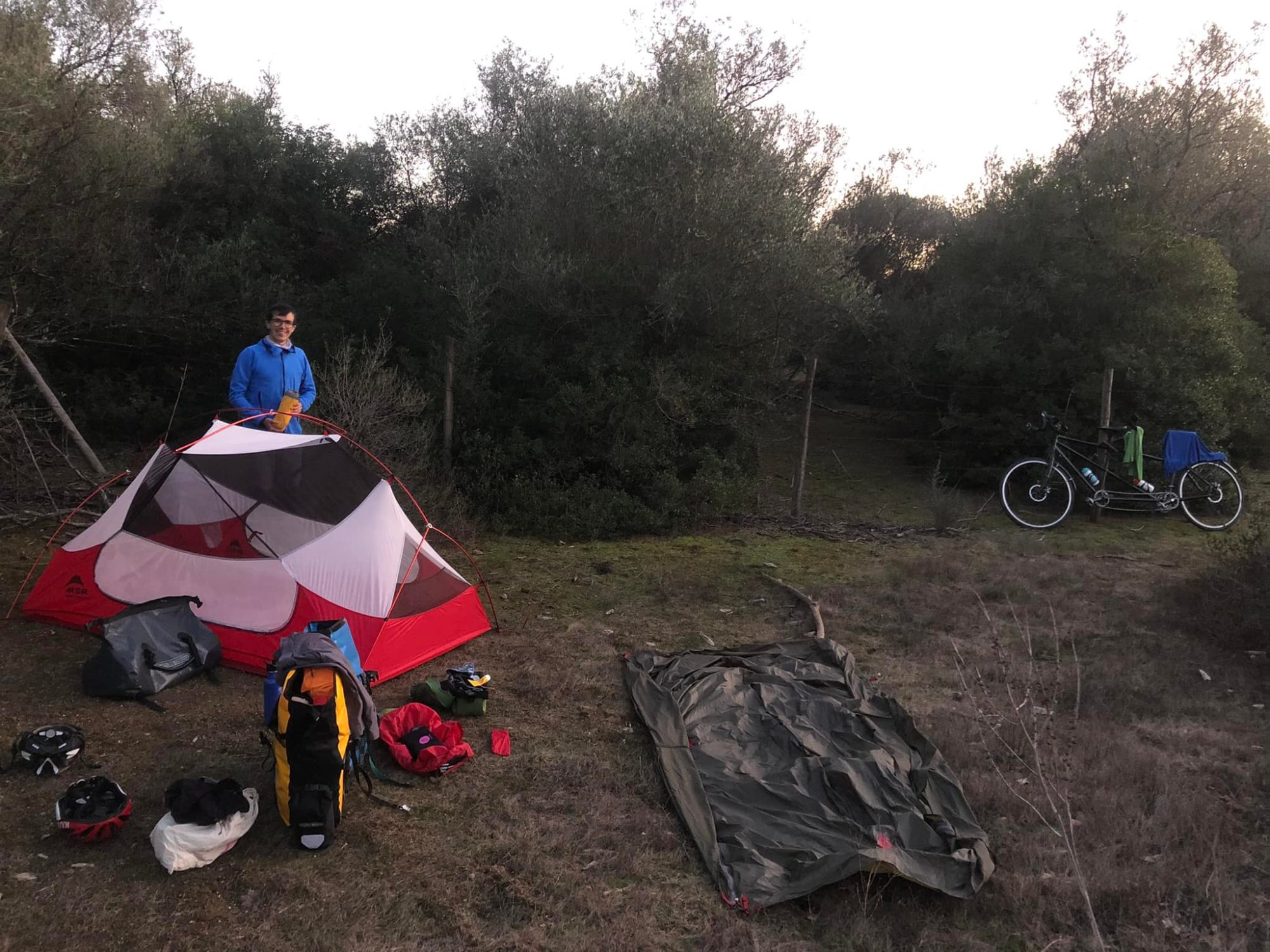
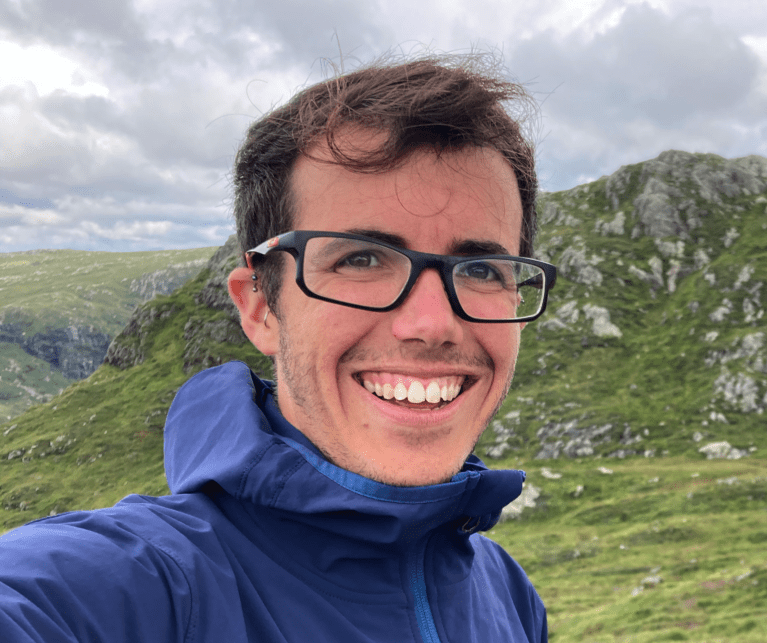
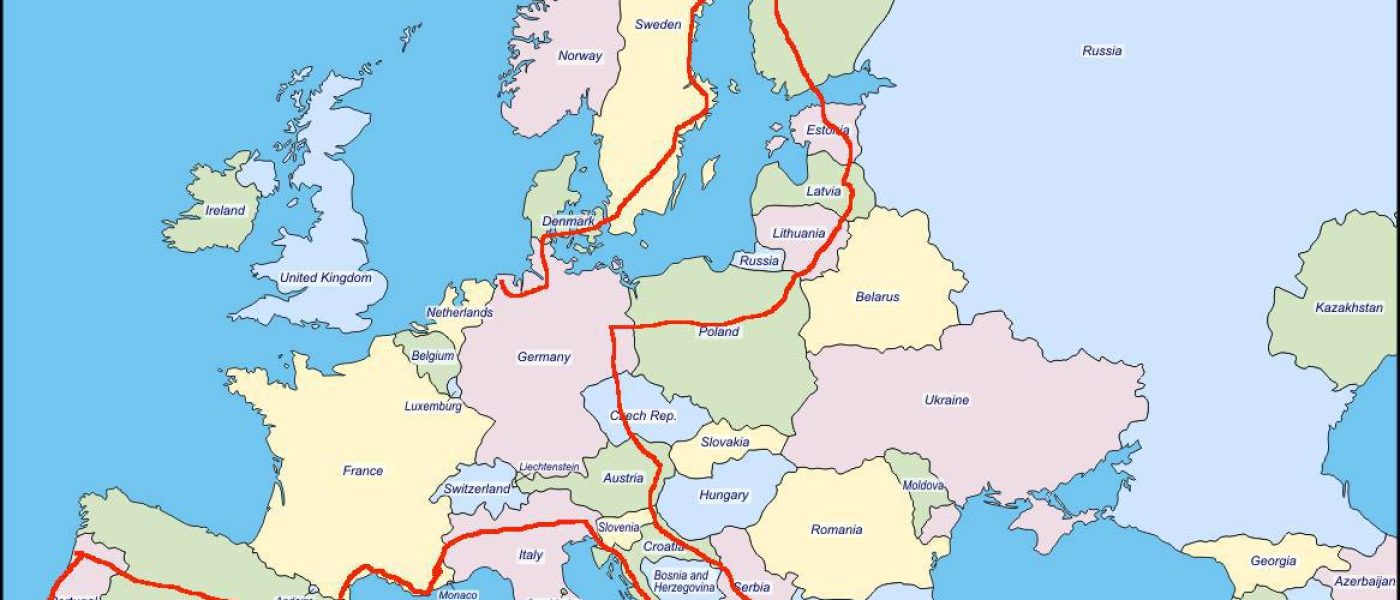
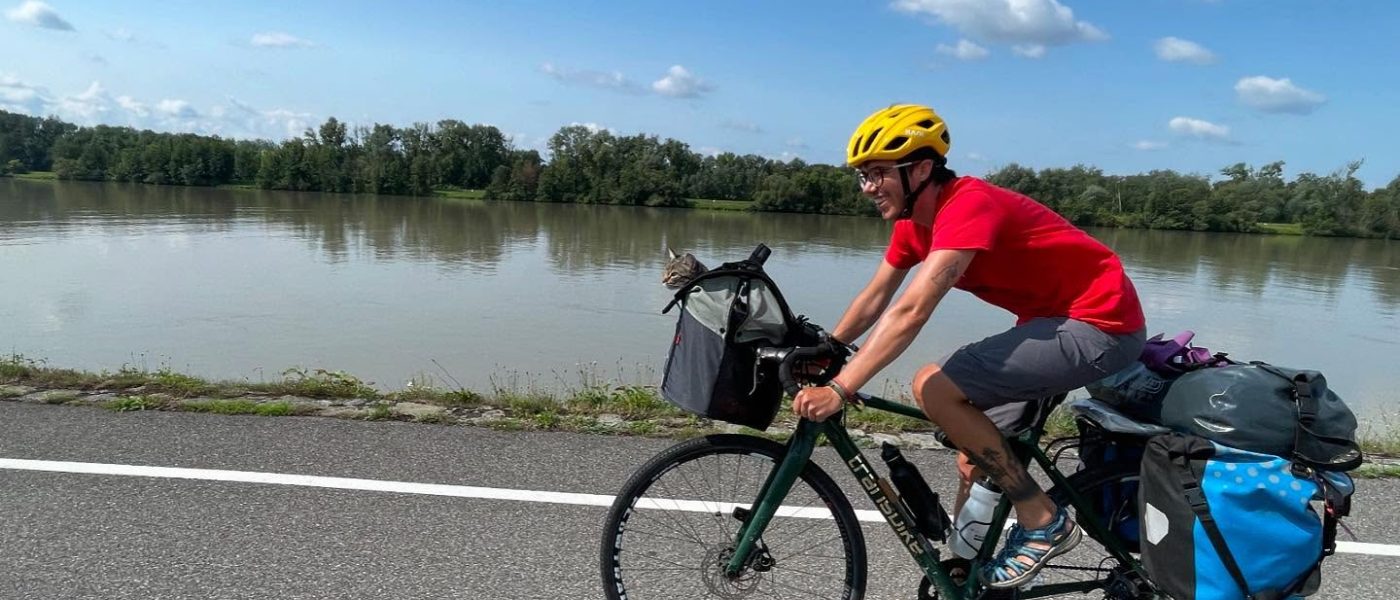
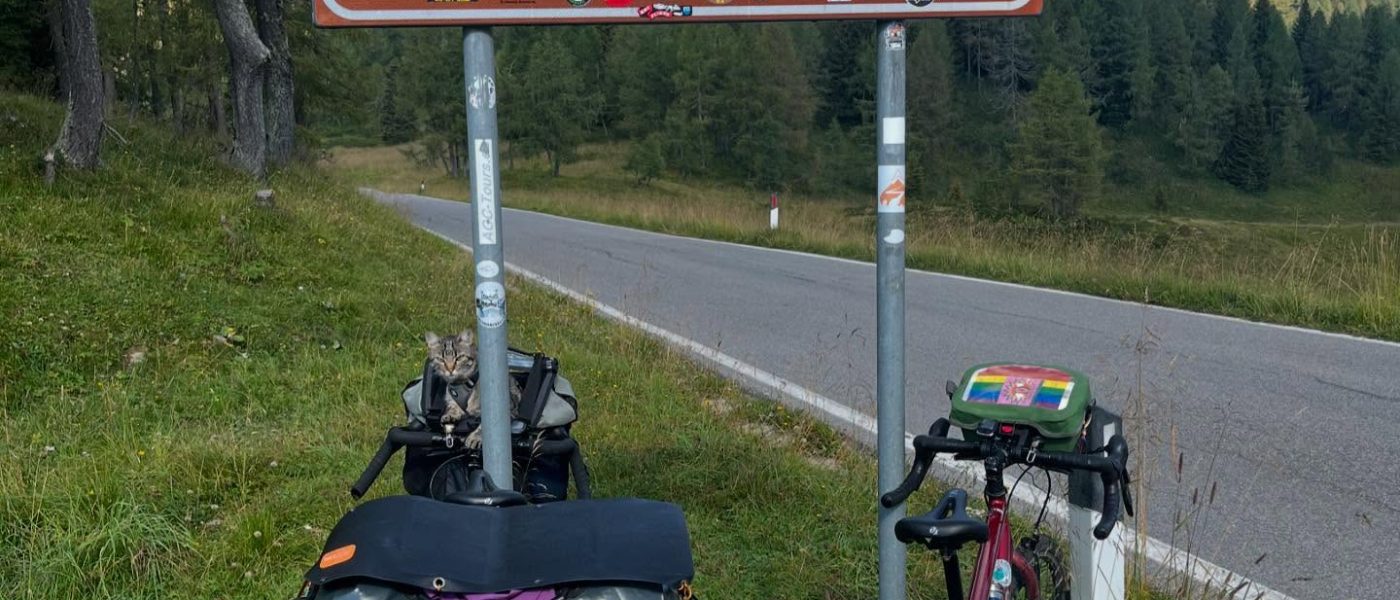
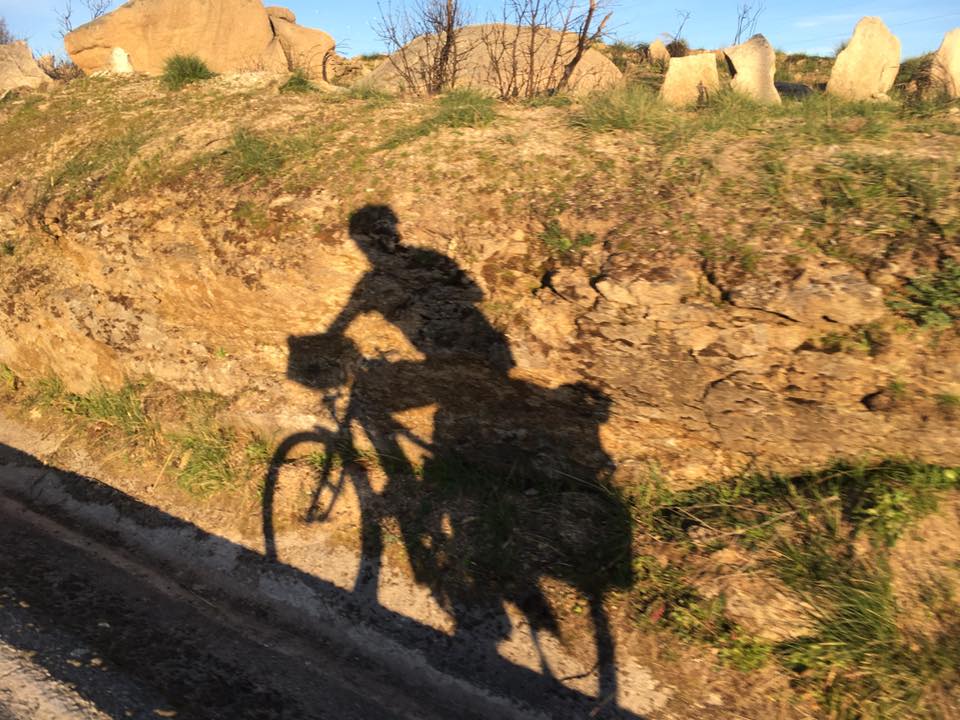
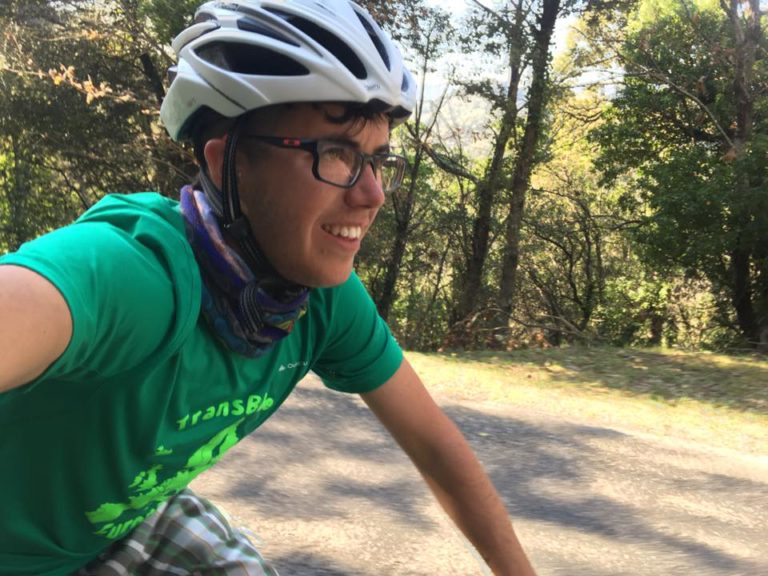
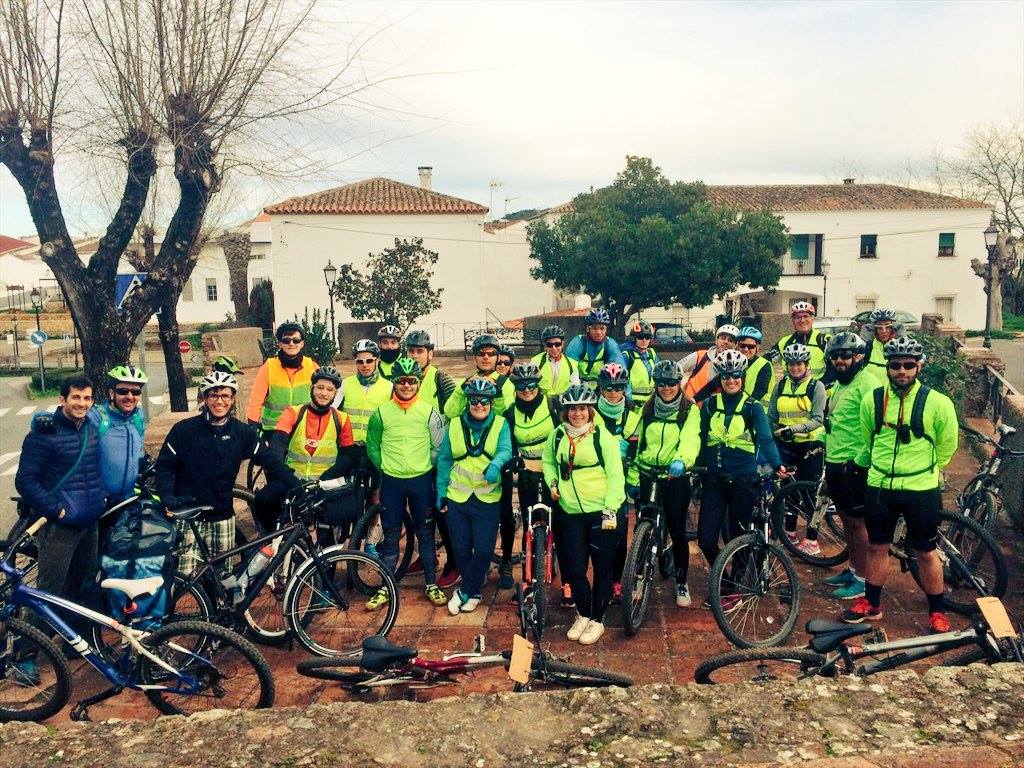
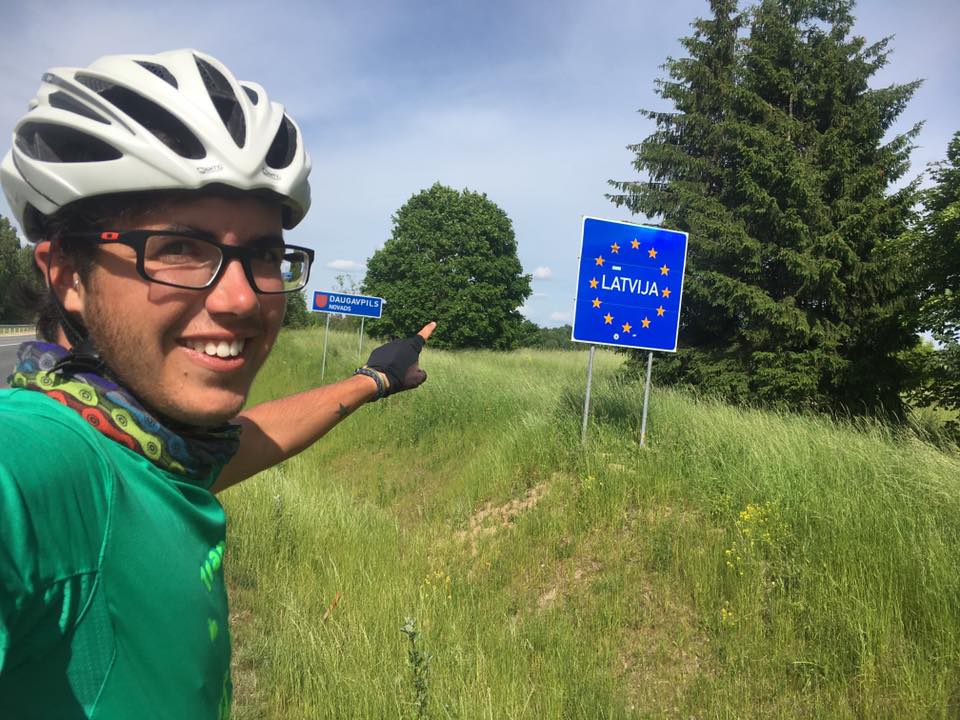
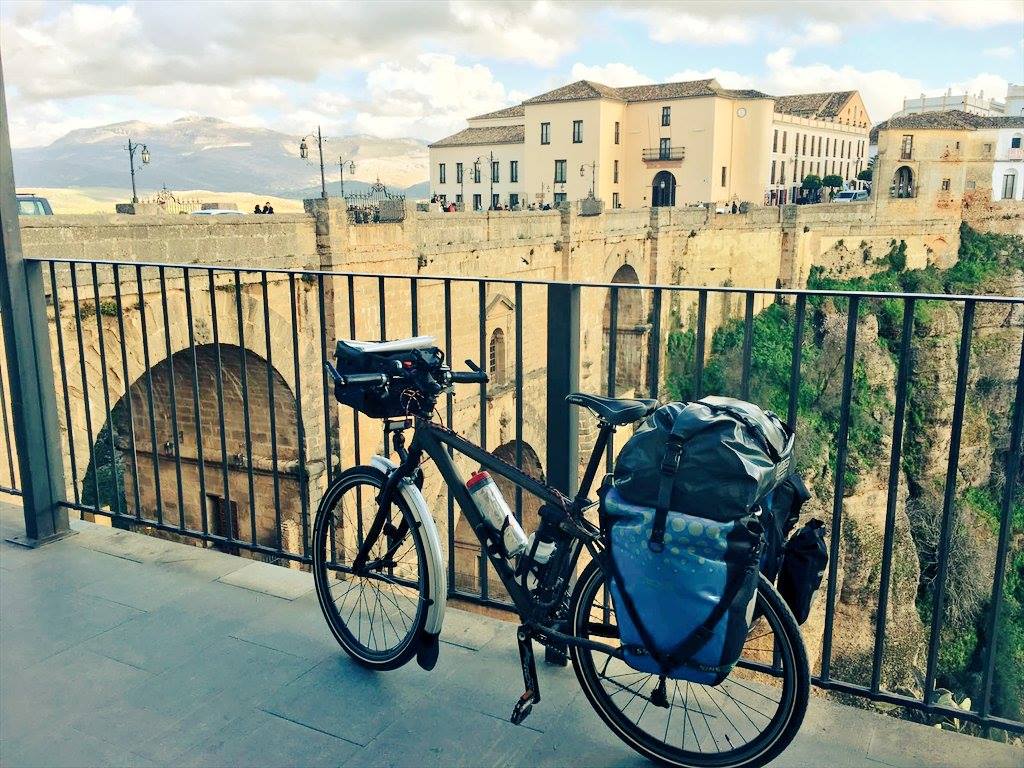
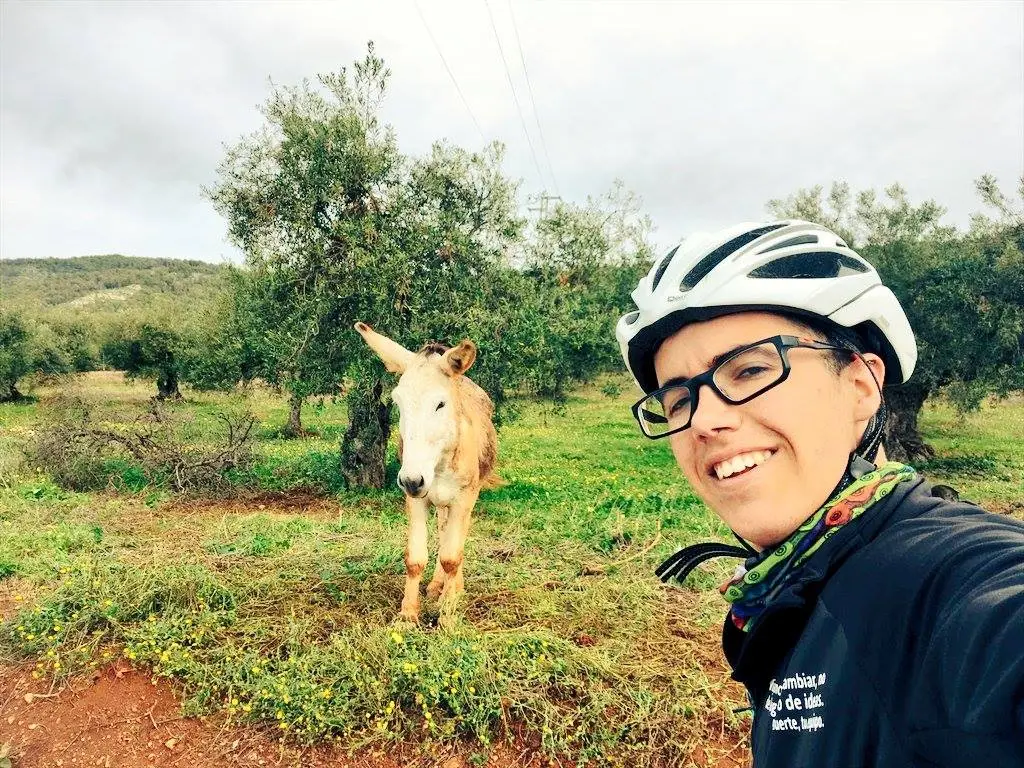
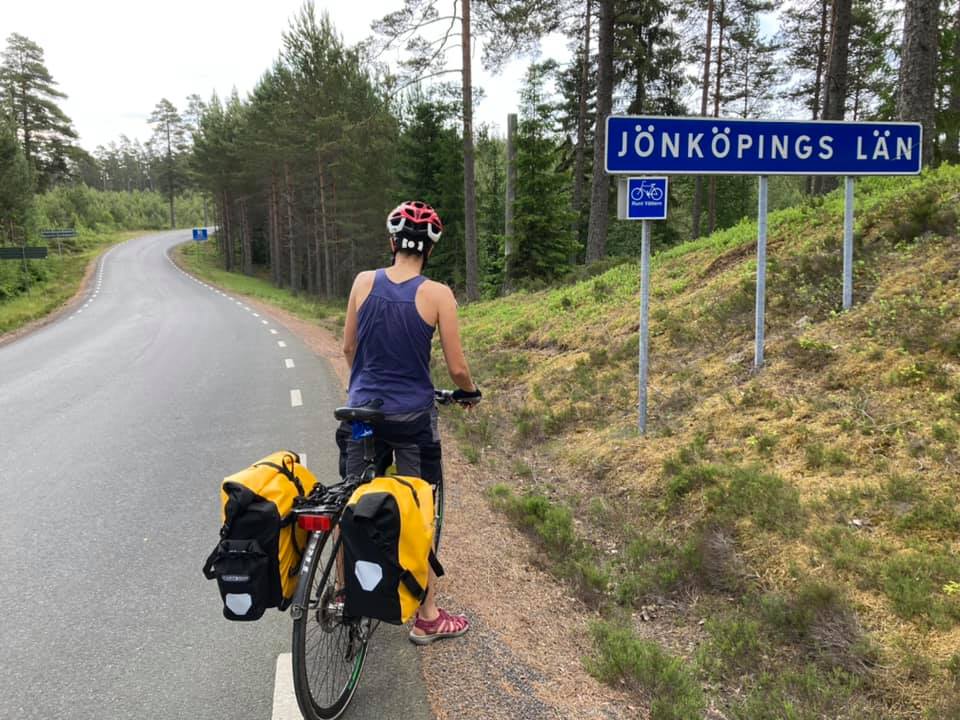
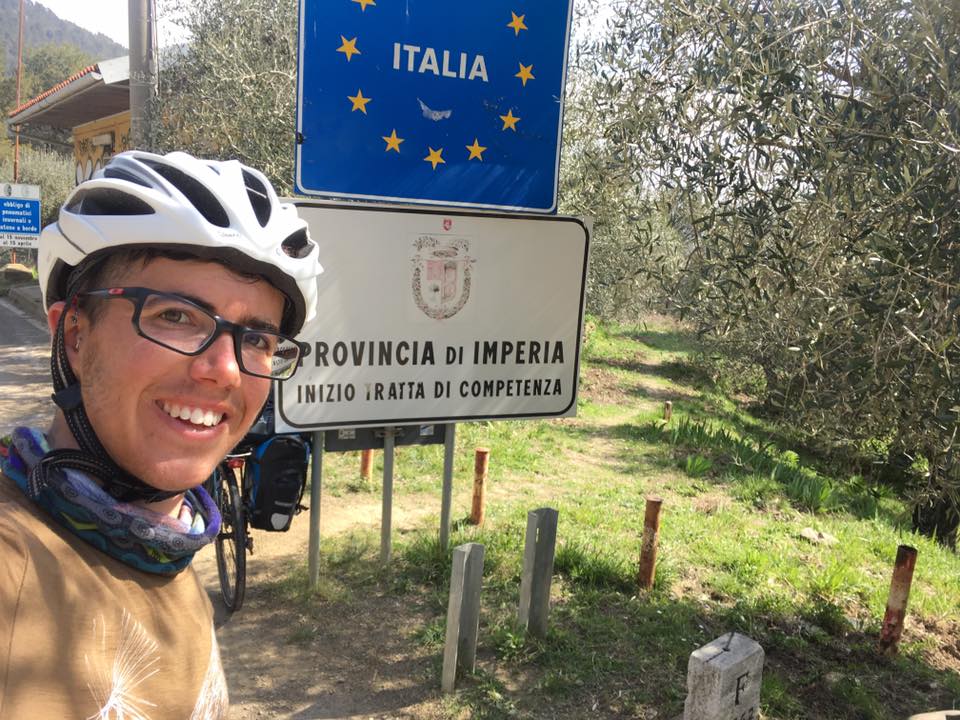
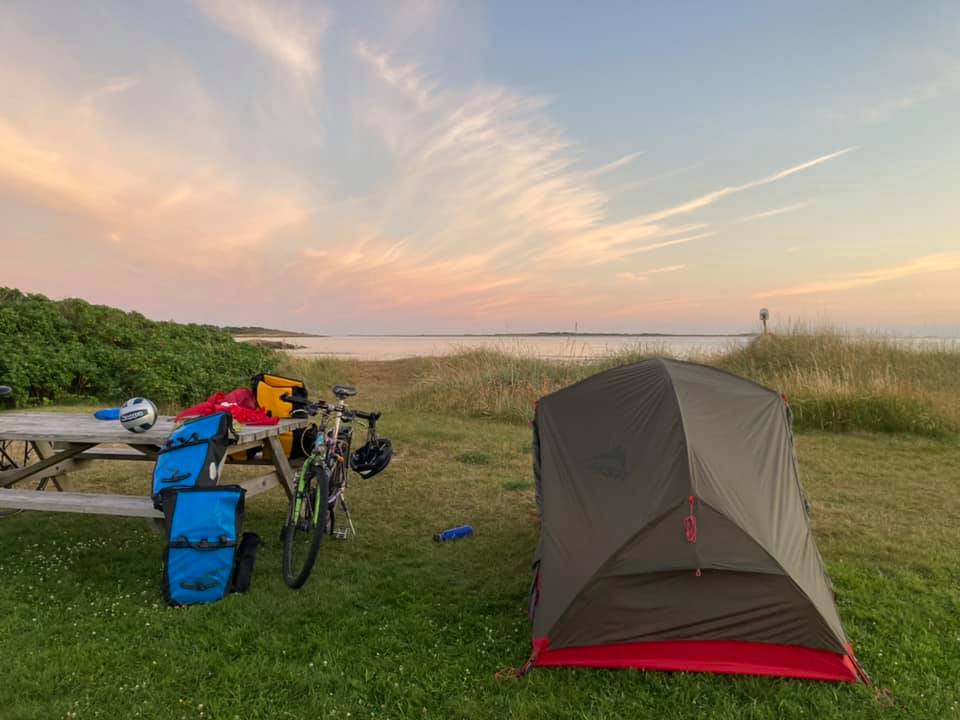
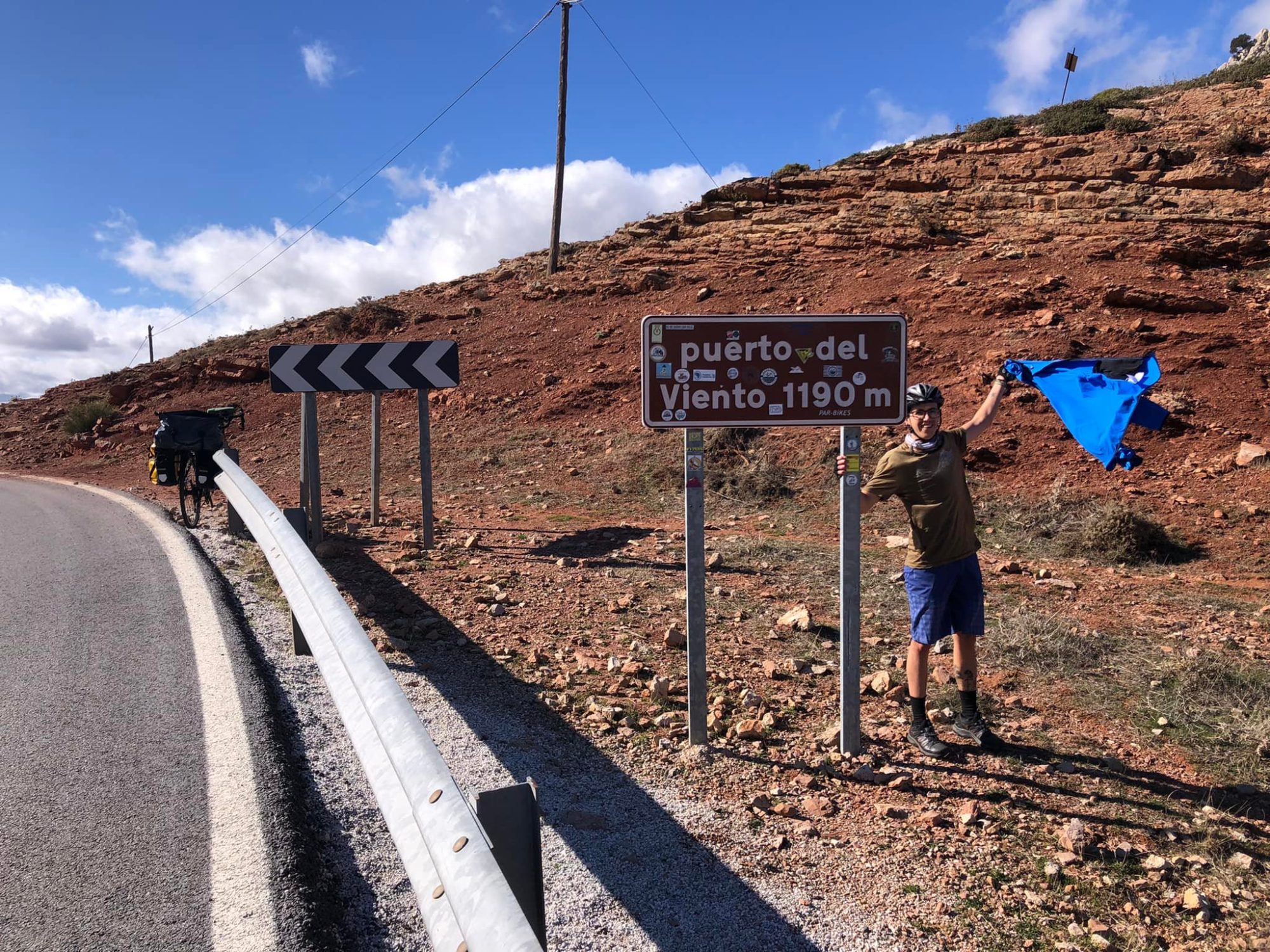
Bart Bloem is a trailblazer in both the outdoor and queer communities. In 2017, they embarked on a six-month solo cycling journey that took them through 26 countries and over 14,000 kilometers, starting in Málaga, Spain, and making a symbolic stop in Athens—a city known as the cradle of modern sports. This epic adventure was more than a personal challenge: it was a bold statement that trans people belong in sports, and can achieve remarkable feats, even when society questions their participation. Along the way, Bart connected with fellow trans activists, building networks of support, visibility, and shared experience.
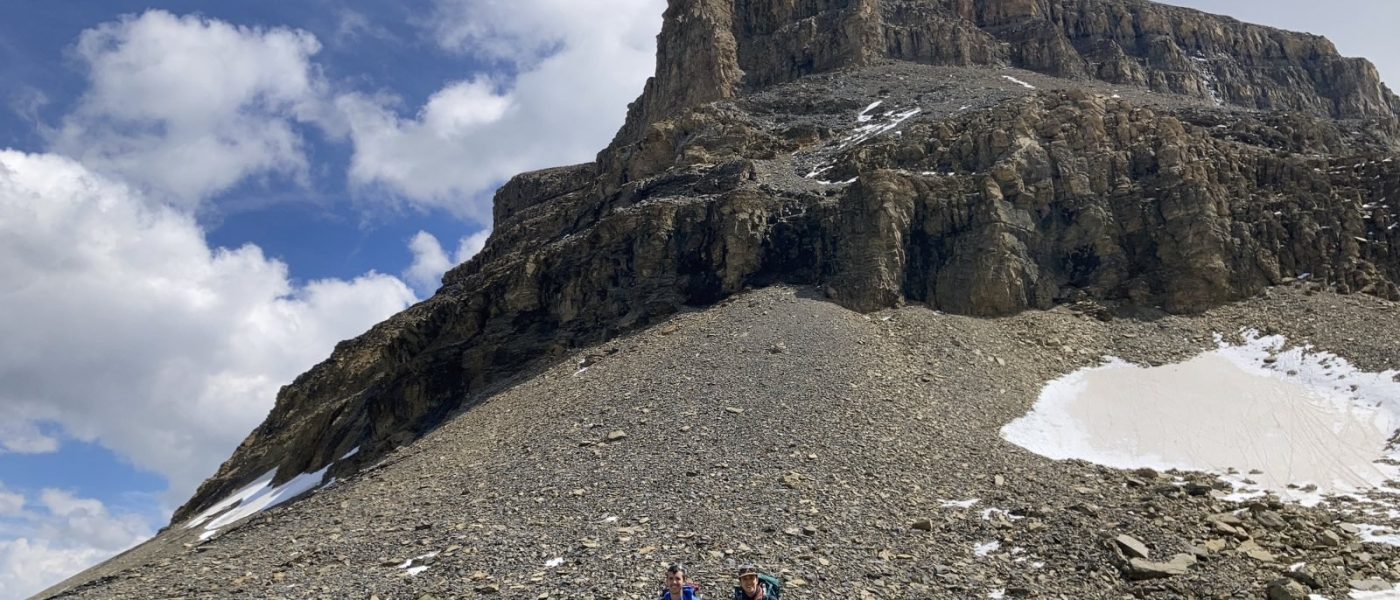
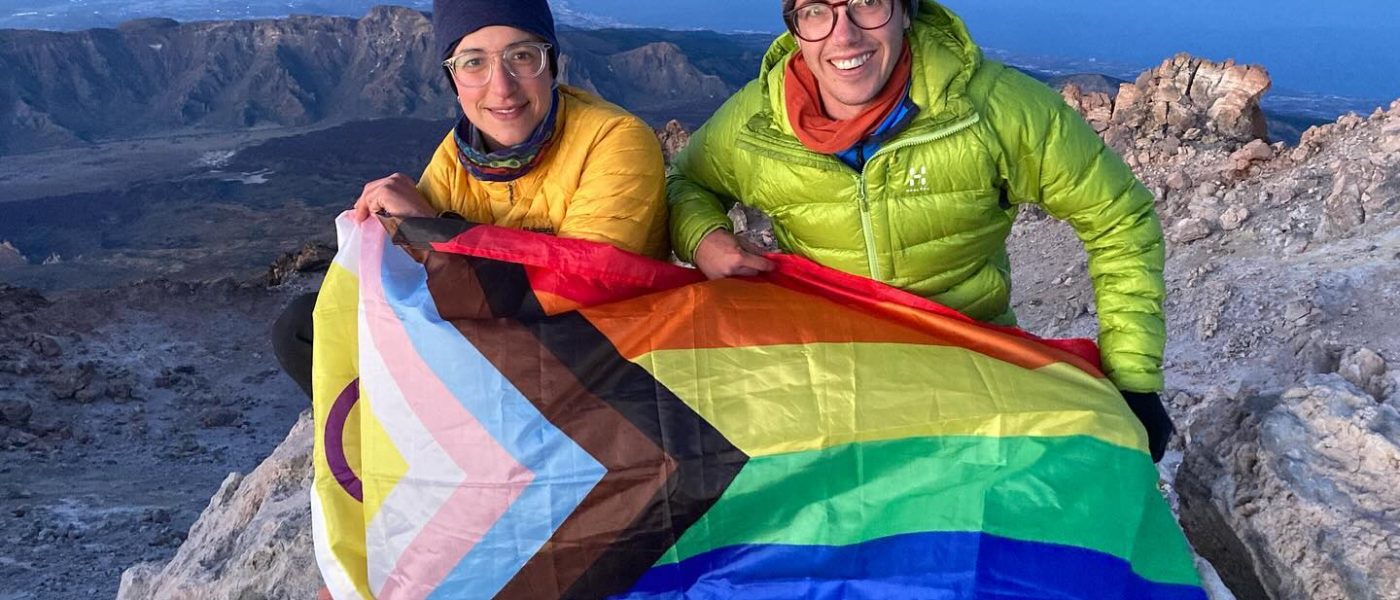
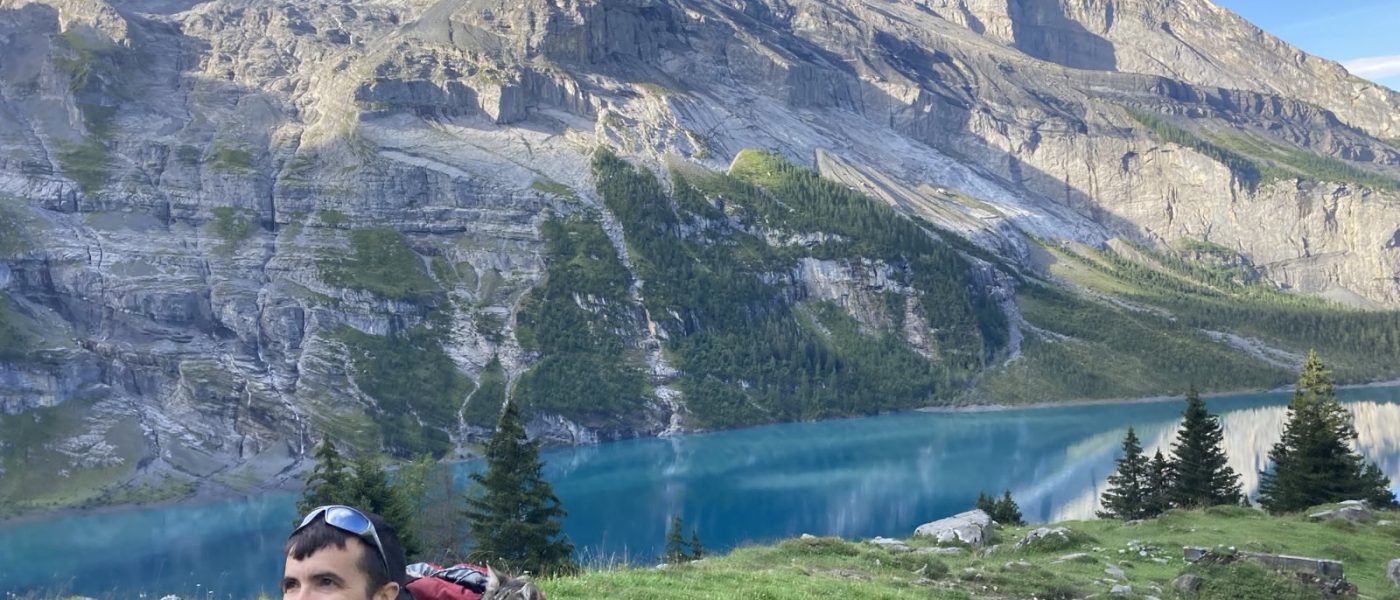
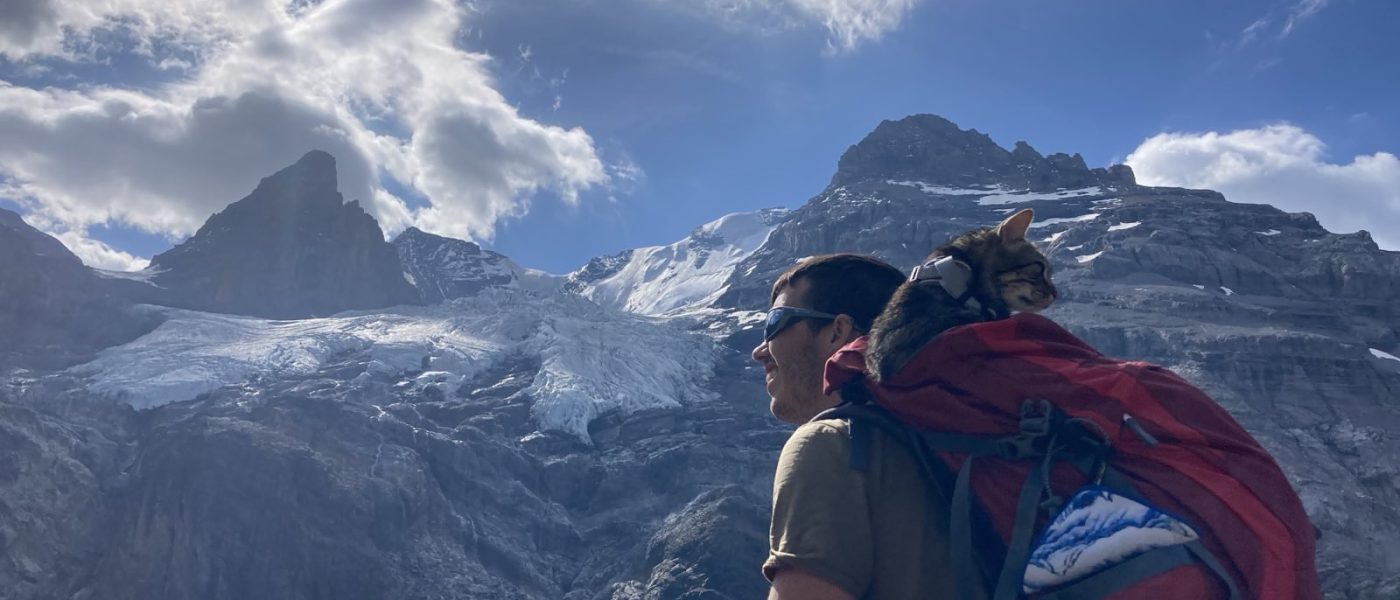
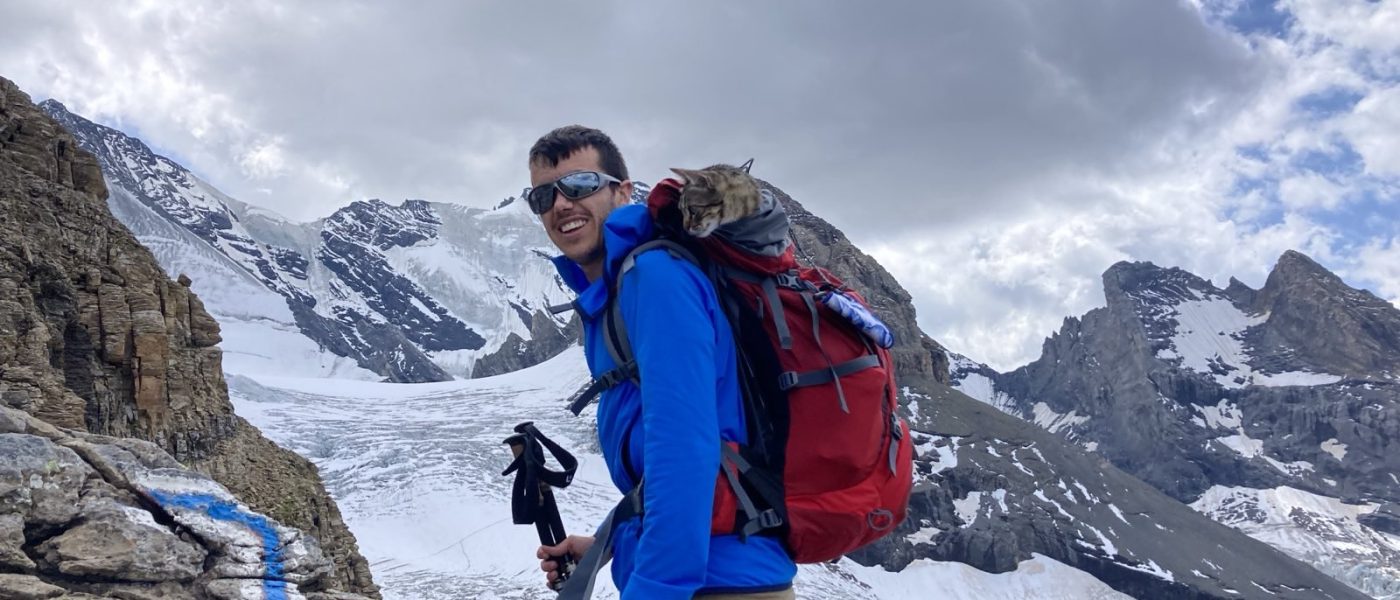
Beyond cycling, Bart is a UIMLA-certified mountain leader, guiding and advocating for inclusion in outdoor adventures. They have navigated not only mountains and long-distance roads but also the unique challenges that trans and non-binary people face in sports—from transphobia during travel to systemic barriers in outdoor activities.
Bart’s journey bridges practical action and academic insight. They hold a PhD studying the experiences of trans and non-binary people in outdoor and adventure sports, combining research with lived experience to illuminate both the obstacles and opportunities for queer inclusion. Their work emphasizes the outdoors as a space where gender norms are less rigid and people can simply “be human.”
Whether on two wheels, atop a mountain, or in the classroom, Bart continues to advocate for visibility, safety, and empowerment for queer people in sports and outdoor adventure. Their story inspires not only trans and non-binary adventurers but anyone seeking courage to pursue their passion despite societal expectations.
A Journey to Reconnect and Reaffirm
Over six months, Bart pedaled from Málaga (Spain), where their mother is from to Aurich (Germany), the hometown of their father.
Bart’s route was deliberate: Málaga was not just a geographic starting point, but a personal one, a way to reconnect with maternal roots. Likewise, Aurich offered a link to their father’s heritage — a journey that felt like finding and claiming a deeply European identity.
But perhaps the most poignant stop was Athens, chosen for its symbolic weight: as the birthplace of the Olympic movement, it represented Bart’s affirmation that trans people have always belonged in sport.
Bart has said that this was not just a cycling trip, but a statement to themselves and to the world: “Being trans is not going to influence my sports decisions and performance… never again.”
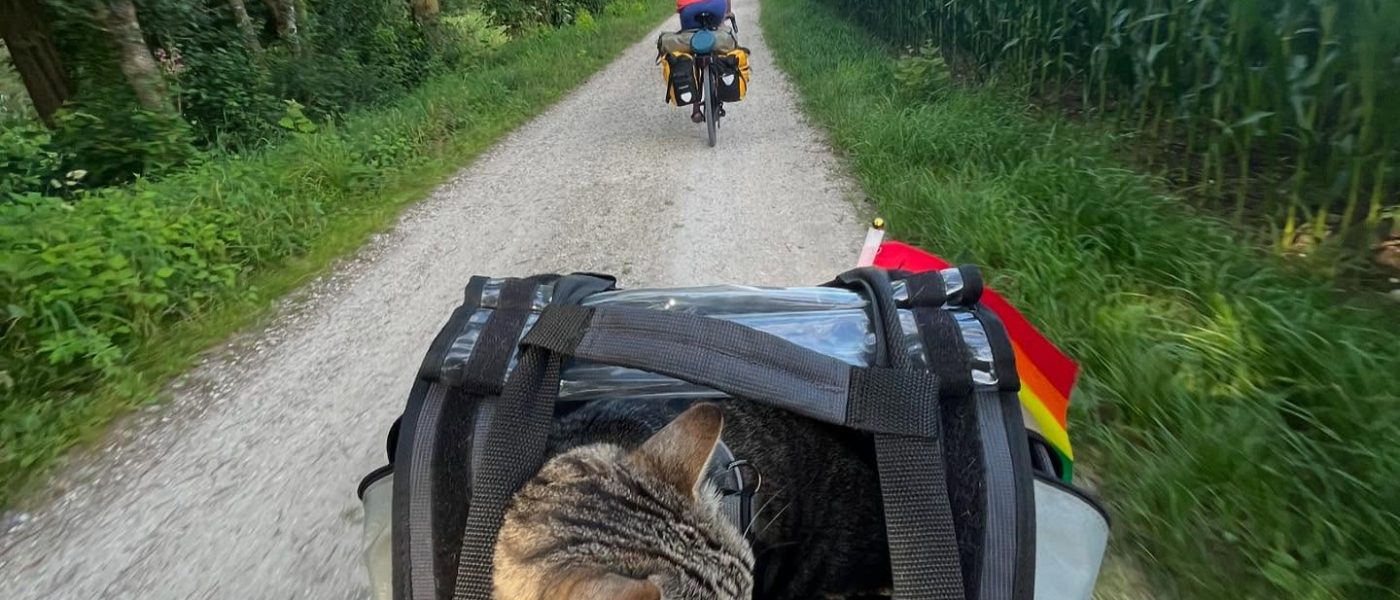
Bart’s journey resonated far beyond the road. For many trans and non-binary people following along, it became a symbol: if you dream it, work for it — you can pedal it into being. They consistently invited people to host them, to join parts of the ride, to make the trip a shared effort rather than solo endurance.
Challenges and Realities
The trip was not without its hardships. Bart faced vulnerability on the road: navigating political borders with hormone treatments, dealing with the bureaucratic realities of being trans in travel, and confronting the uneasy realities of trans activism in parts of Europe where visibility is still limited.
Trans and queer visibility in sports
Q: Why is the visibility of queer communities in general, and trans people in particular, important in outdoor sports and sports in general?
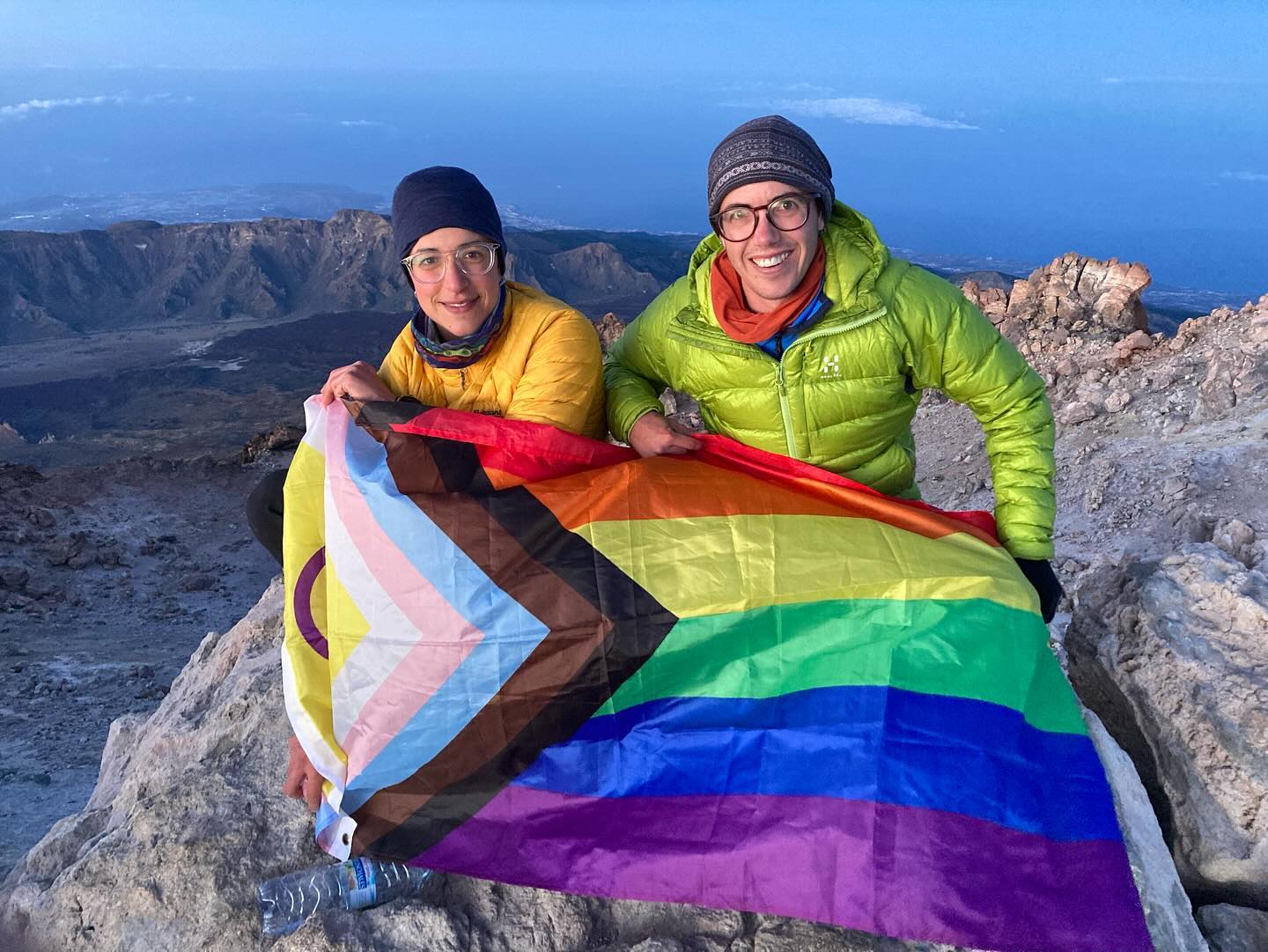
Bart: I have mixed feelings. Visibility is important because I lack representation in sports—seeing other people like me matters. Even though trans people are more visible than 20 years ago, legislation in the US, UK, and Europe is regressing. Sometimes being invisible can feel safer, but representation is still needed. Trans and younger people need to see that we can live happy lives and do whatever we like—including sports.
Q: Do you think increased visibility has led to backlash in some areas?
Bart: Yes, visibility has caused some backlash, like restrictive laws. But it also shows that discussions are happening and more people are aware of trans existence. Over time, societal change matters more than temporary laws. While visibility has challenges, it has brought more positive change than harm.
"I wanted to give visibility to trans people in sports — to say, we are still here, we will continue to be, and we can also do amazing things in sports.”
Q: What are currently the biggest barriers for trans and non-binary people in sports?
Bart: One big barrier is lack of community or safe groups, especially in outdoor sports. Many outdoor activities happen in mixed groups or with strangers, which can feel unsafe for trans people. Traditional sports often have rigid gender divisions—like men’s and women’s teams or changing rooms—which complicates inclusion. Outdoor sports are often more flexible and inclusive, which is a positive aspect.
Q: How has access to triathlon events been for you personally?
Bart: I only started triathlons after transitioning. Initially, I was nervous about registration and competing with my sex marker not updated. But in practice, events didn’t check it. I’ve competed in multiple triathlons and marathons, sometimes in non-binary categories. Europe has a few events with non-binary options, like marathons, trail runs, and gravel bike races. It’s still rare, but progress is happening.
Q: What changes would you like to see in mainstream and queer sports institutions to become more inclusive?
Bart: Mainstream institutions need more visible, proactive support against discrimination for trans athletes. Sports should be accessible to everyone, not just elite competitions. Queer sports clubs often focus on gay men or lesbian women, which can make it hard for trans people to find space. Broader inclusion in all queer sports clubs is needed.
Q: How does your academic work connect to your practical outdoor adventures?
Bart: My PhD focuses on trans people’s experiences in outdoor and adventure activities. The idea started with my master’s research and the bike trip, where I kept diaries. Being both trans and an outdoor sports participant helped participants feel safe and share their experiences. Academia and activism can complement each other—research informs activism, and activism provides insights for research.
“I had to carry five months’ worth of testosterone while crossing borders where my gender marker on my passport wasn’t updated. It was stressful, but cycling alone gave me a sense of control over those situations.”
“Being in nature allows me to just be human, to forget about gender identity. Dangers in nature are universal, unlike the identity-based threats you face in the city. One experience that stuck with me was couchsurfing with a gay man who asked very invasive questions. It reminded me how vulnerable trans travelers can be”