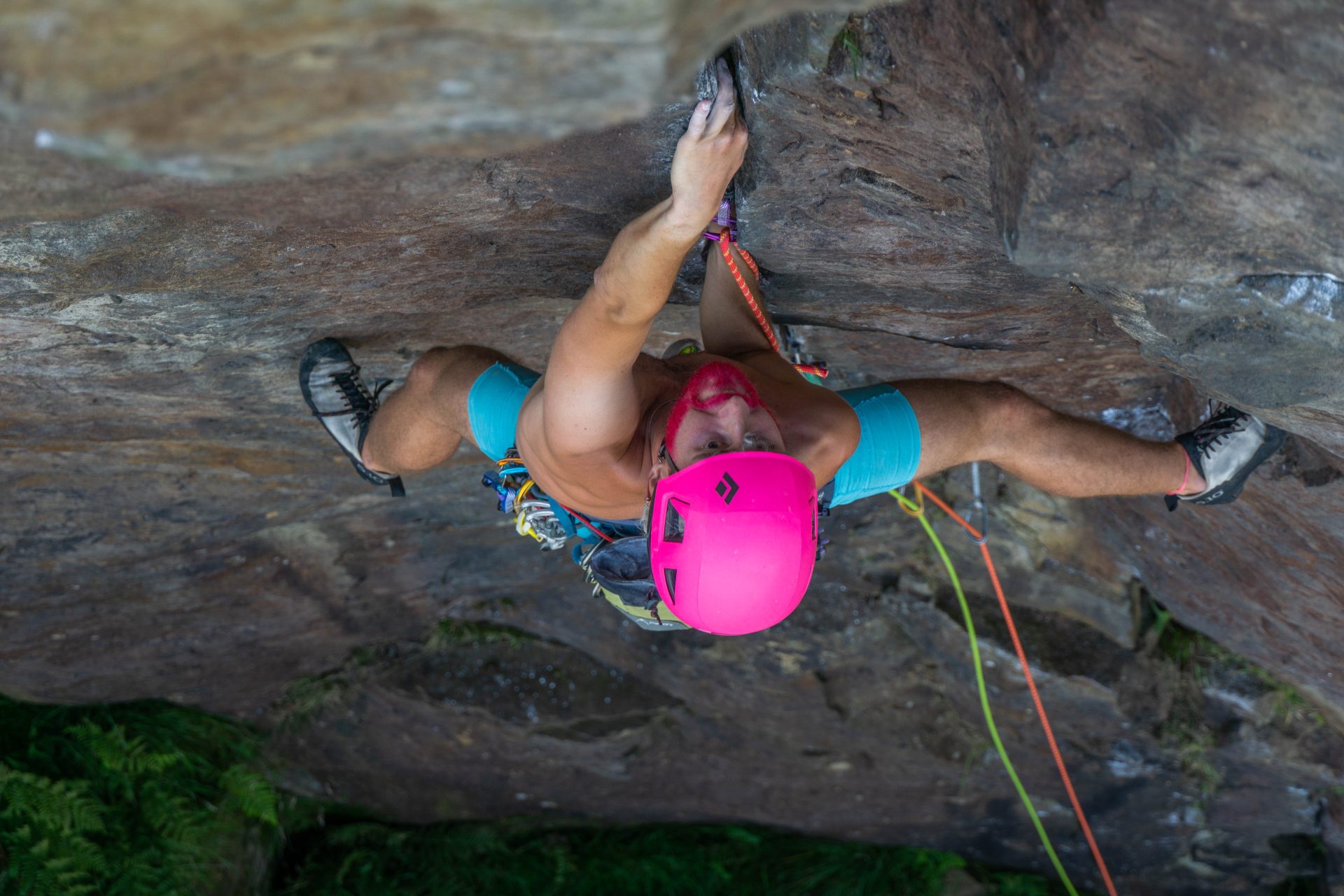
About AJ
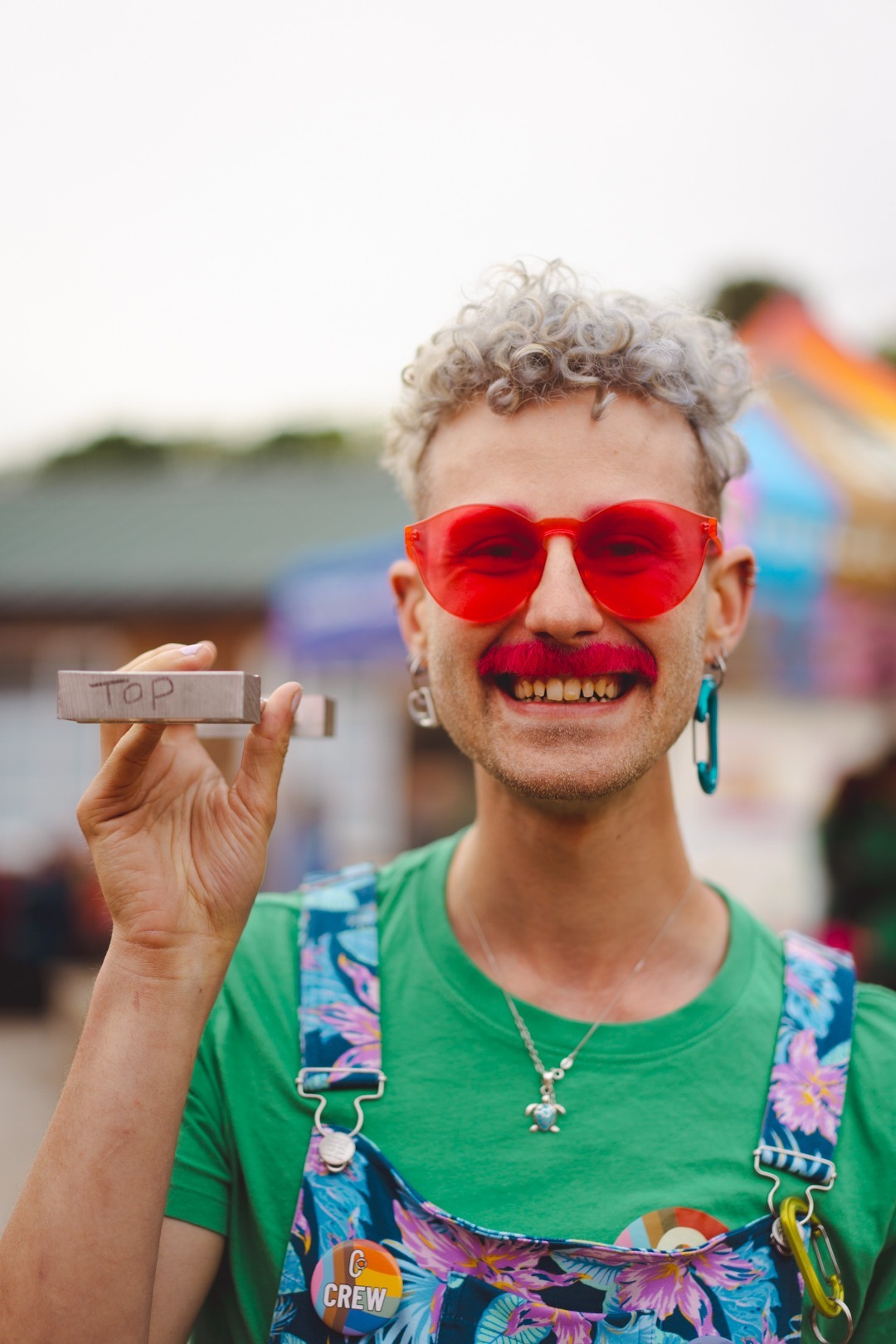
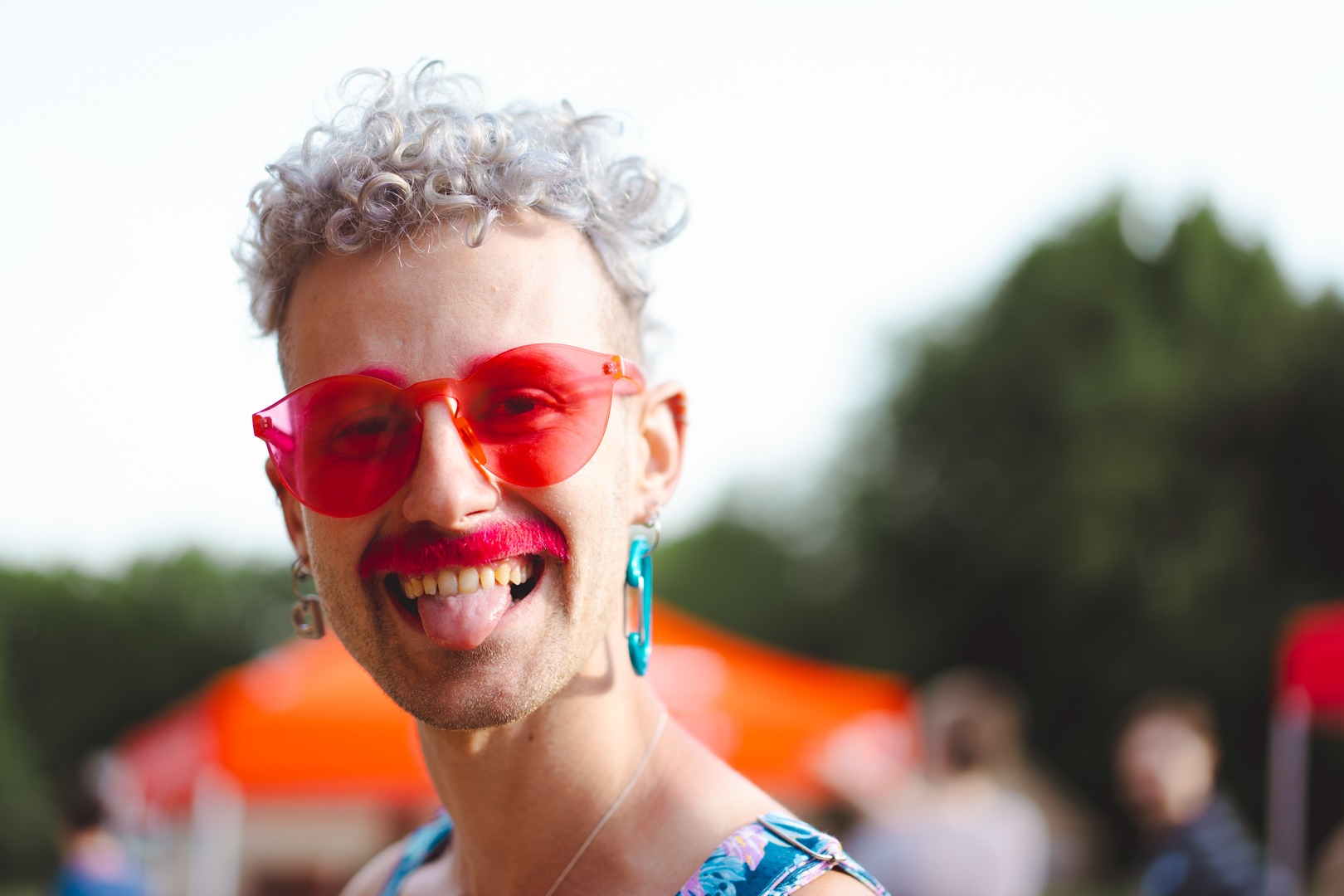
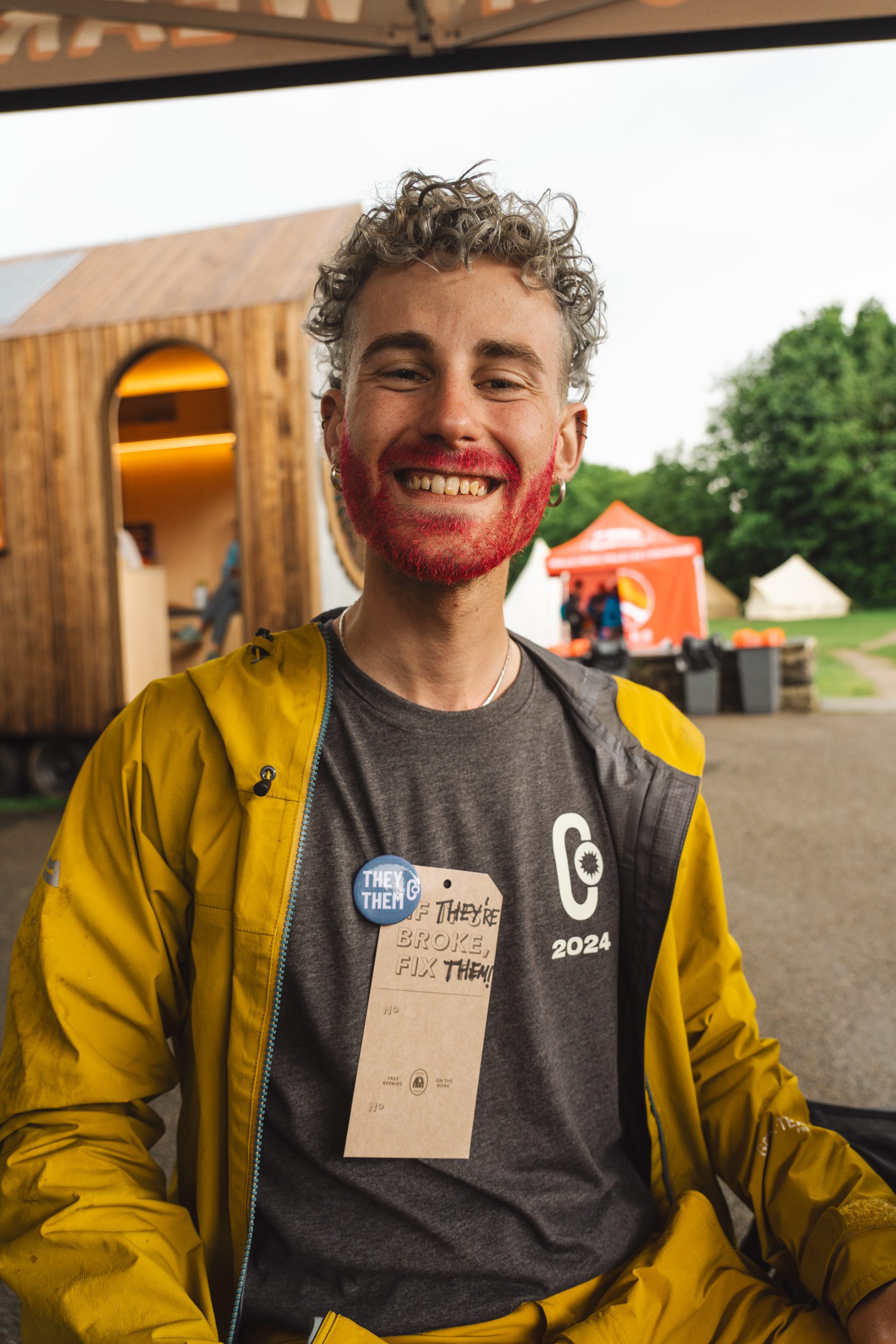
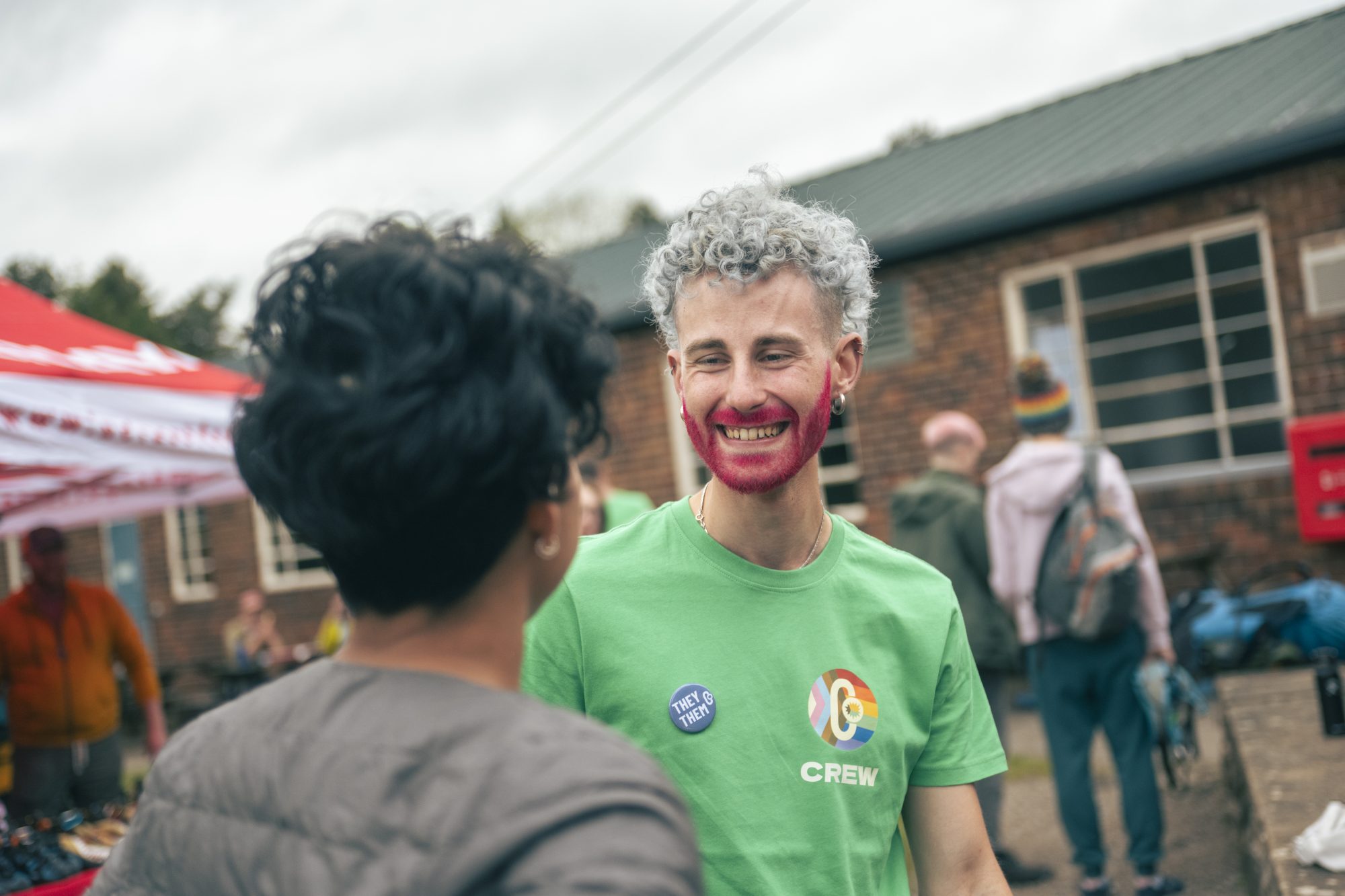
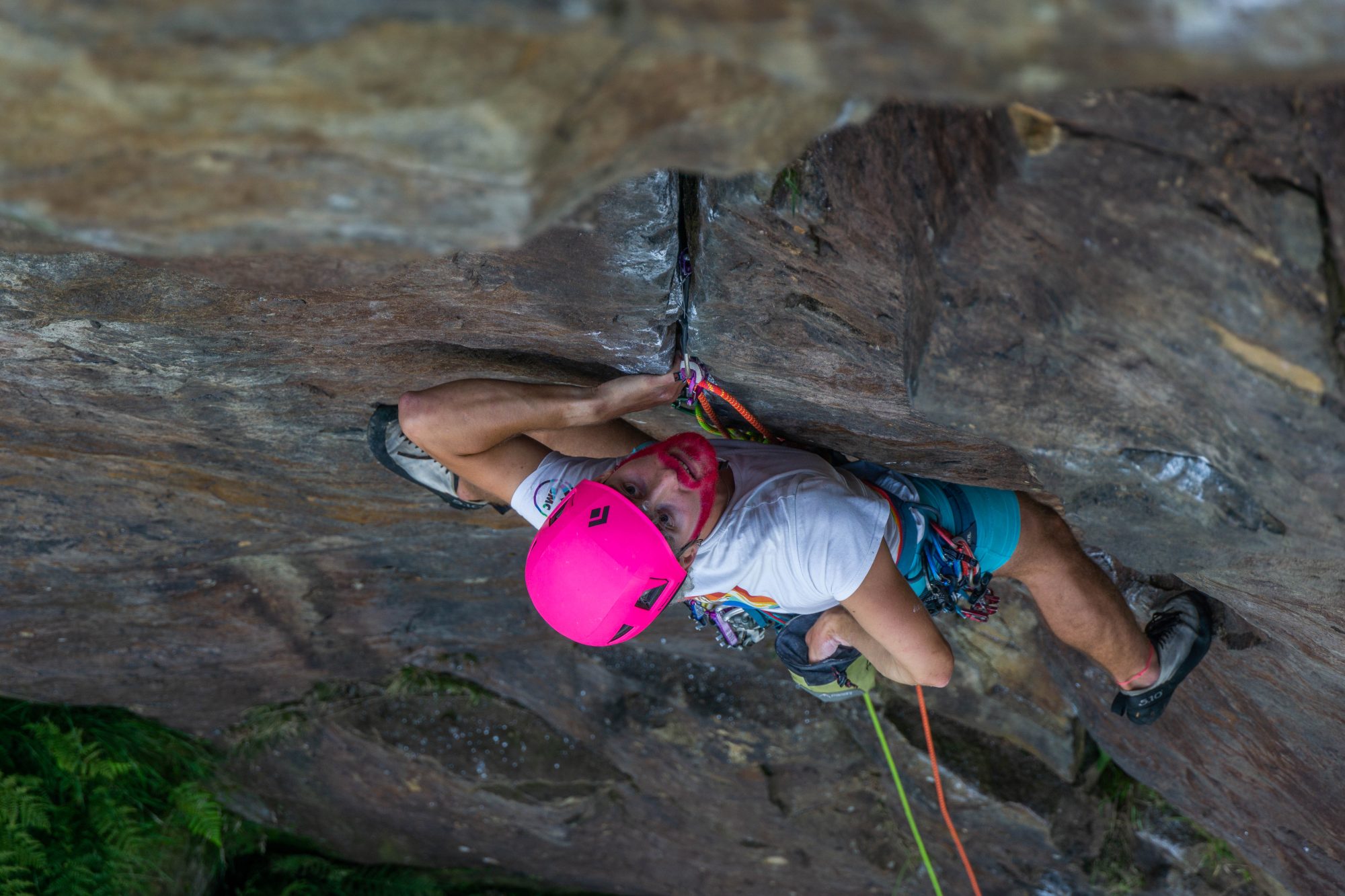
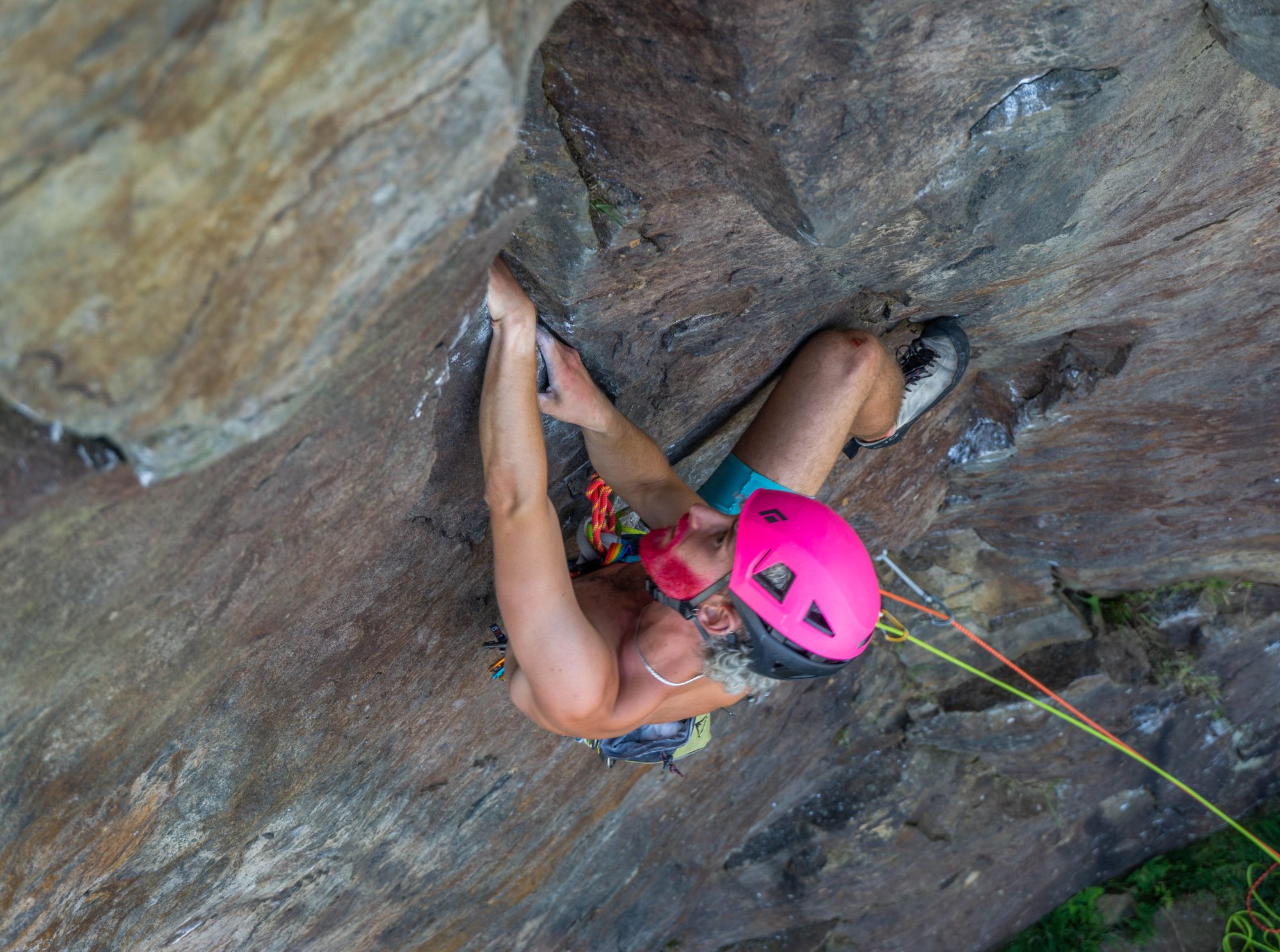
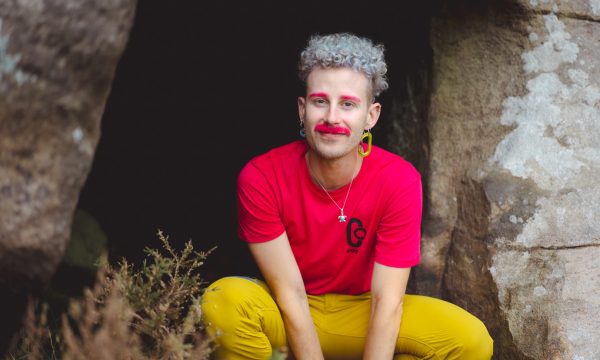
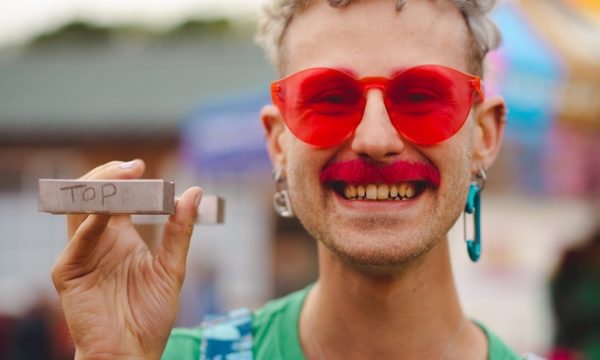
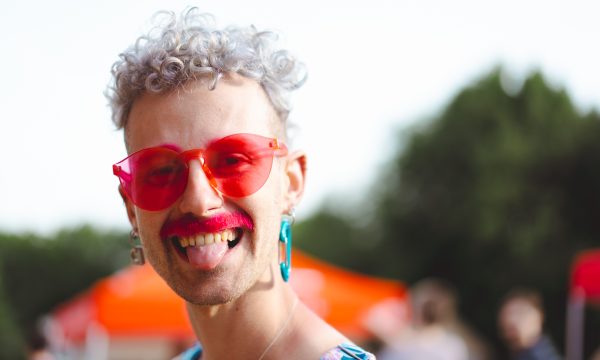
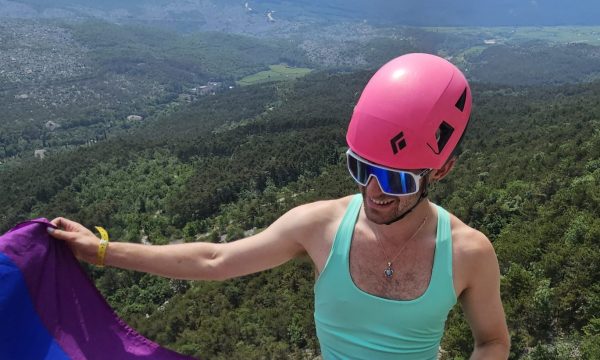
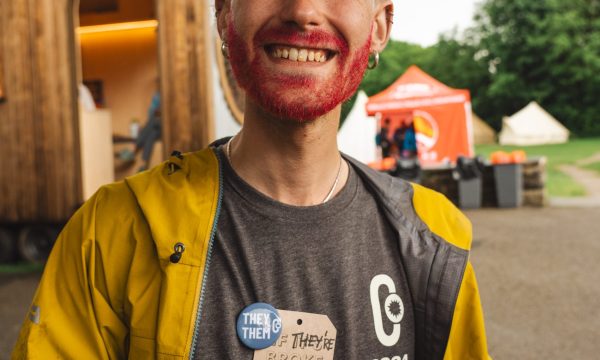
Agus Guardiola, known as AJ, is a climber and queer community leader from Valencia, Spain, now based in Manchester, UK.
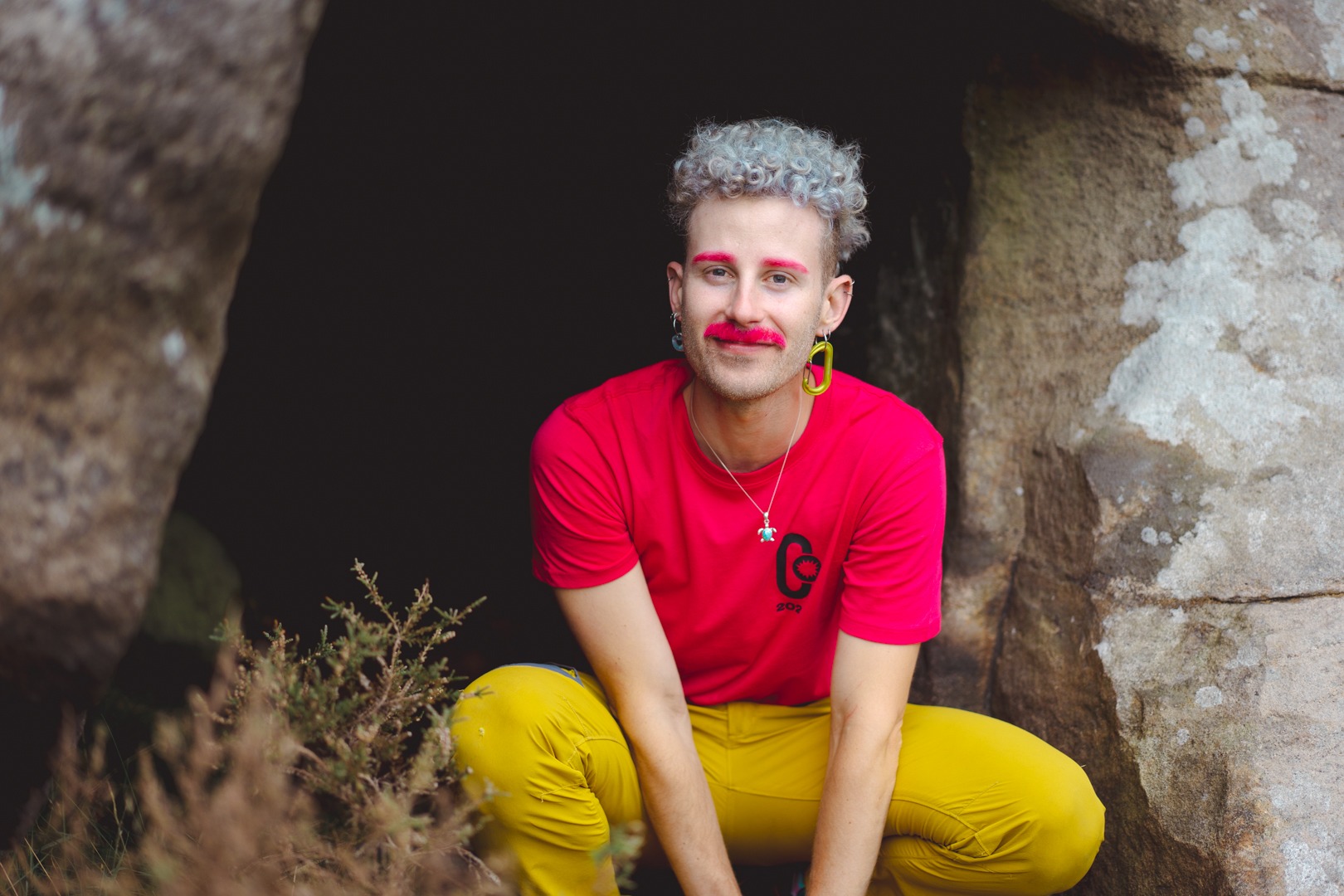
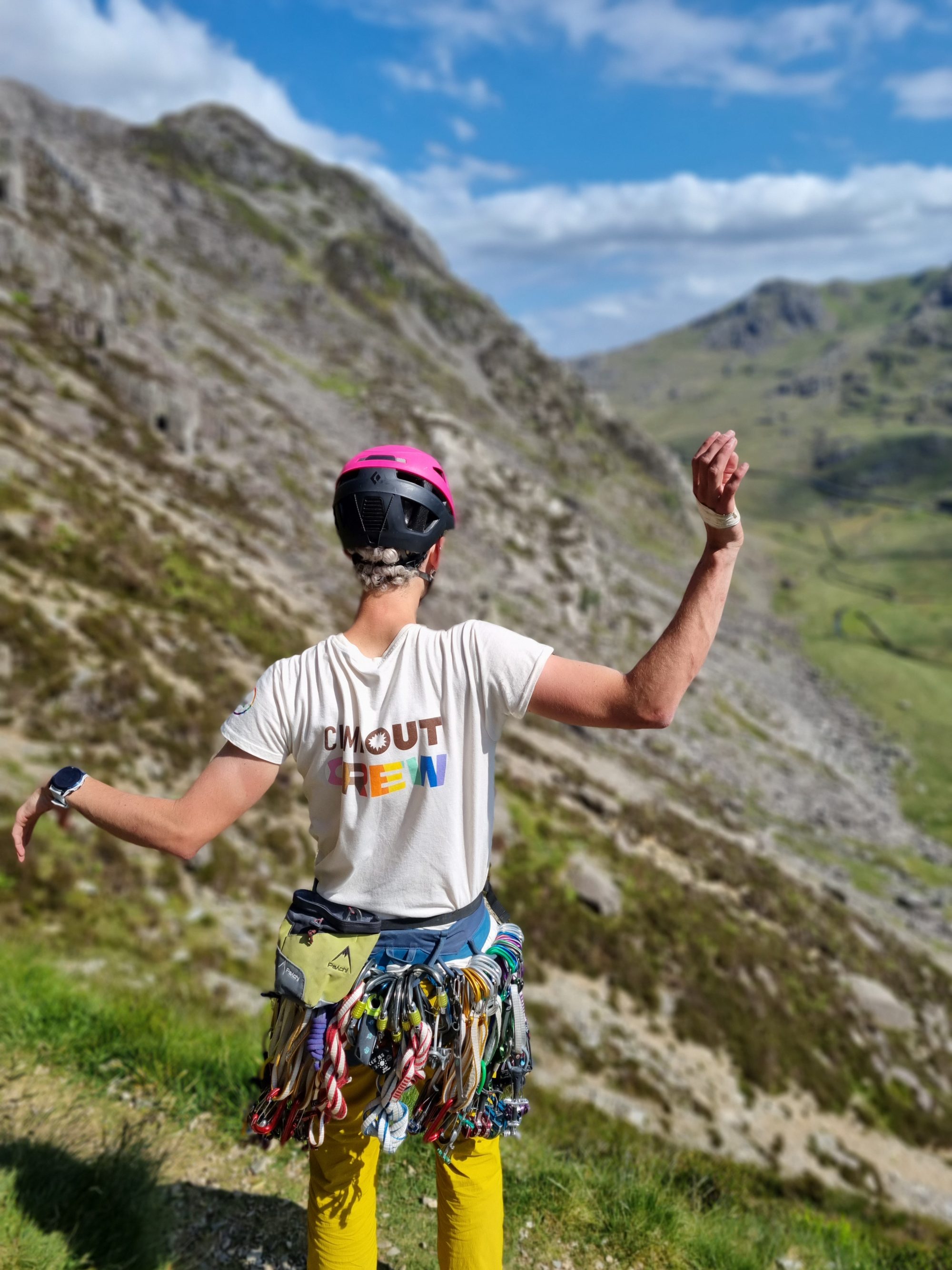
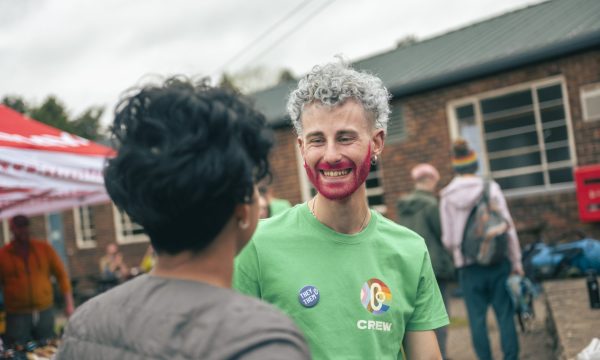
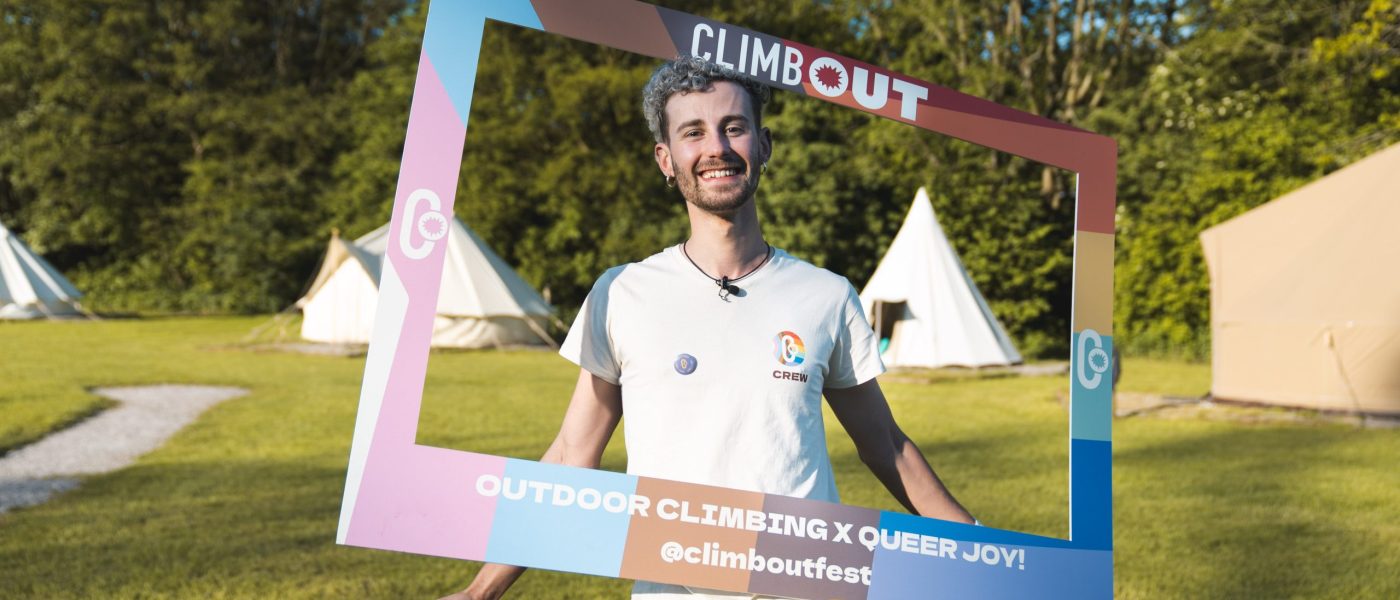
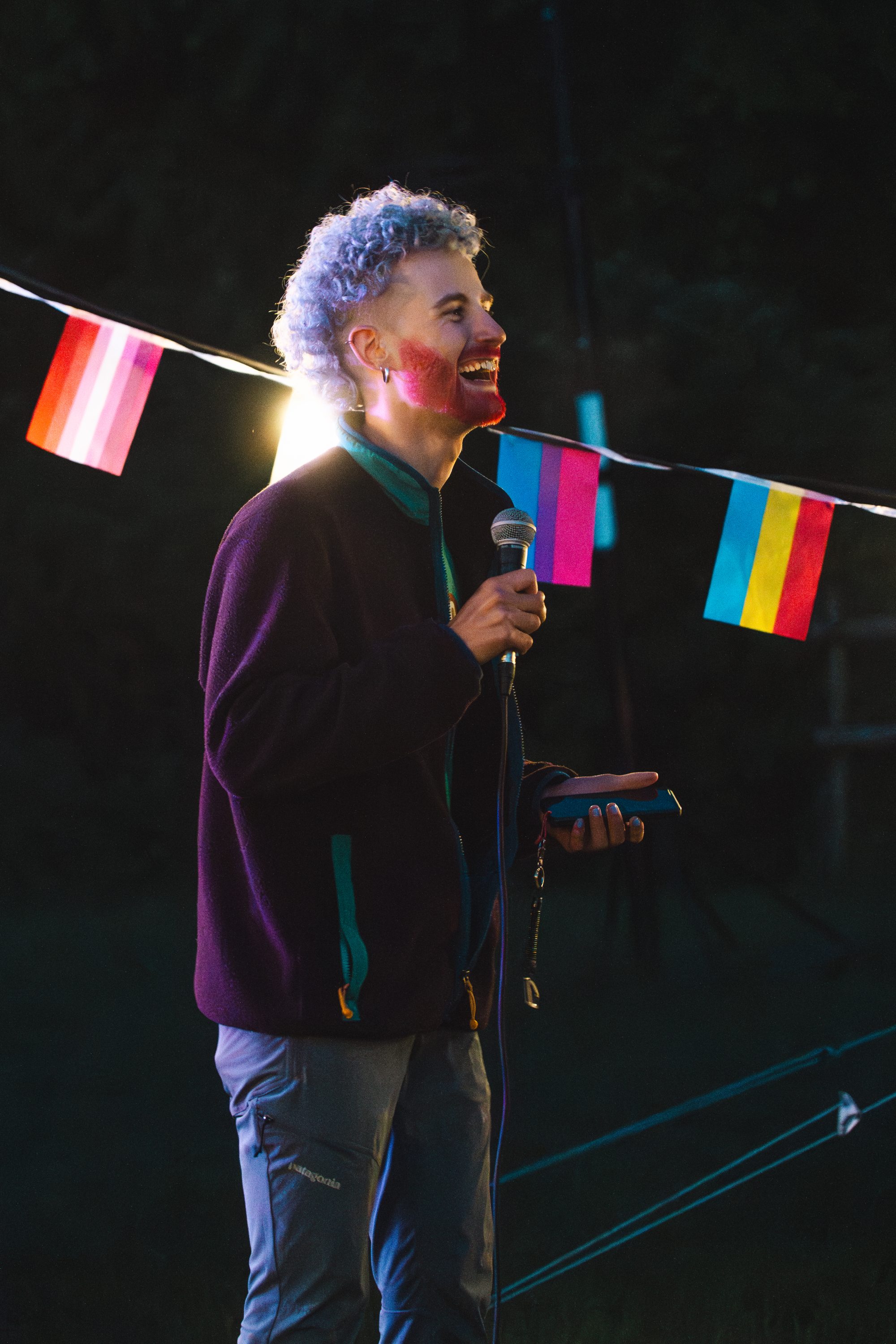
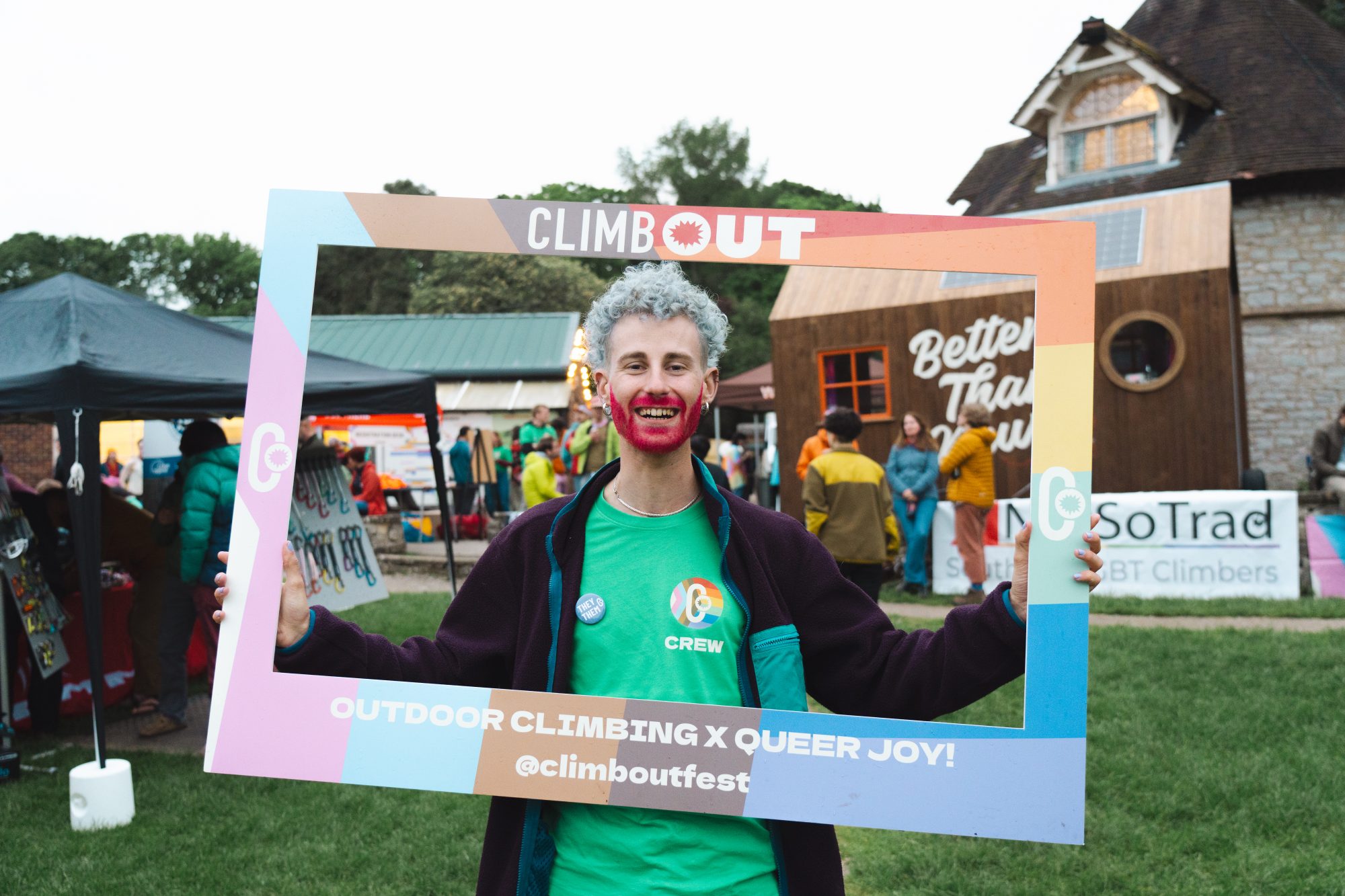
As co-founder and festival director of ClimbOut, the UK’s first queer climbing festival, Agus helped to create a community that celebrates the intersection of queer joy and a love of climbing, providing a supportive space where LGBTQ+ climbers can explore the sport in an inclusive event. They take pride in the meaningful connections ClimbOut has fostered, cherishing the kinship with queer climbers from diverse backgrounds.
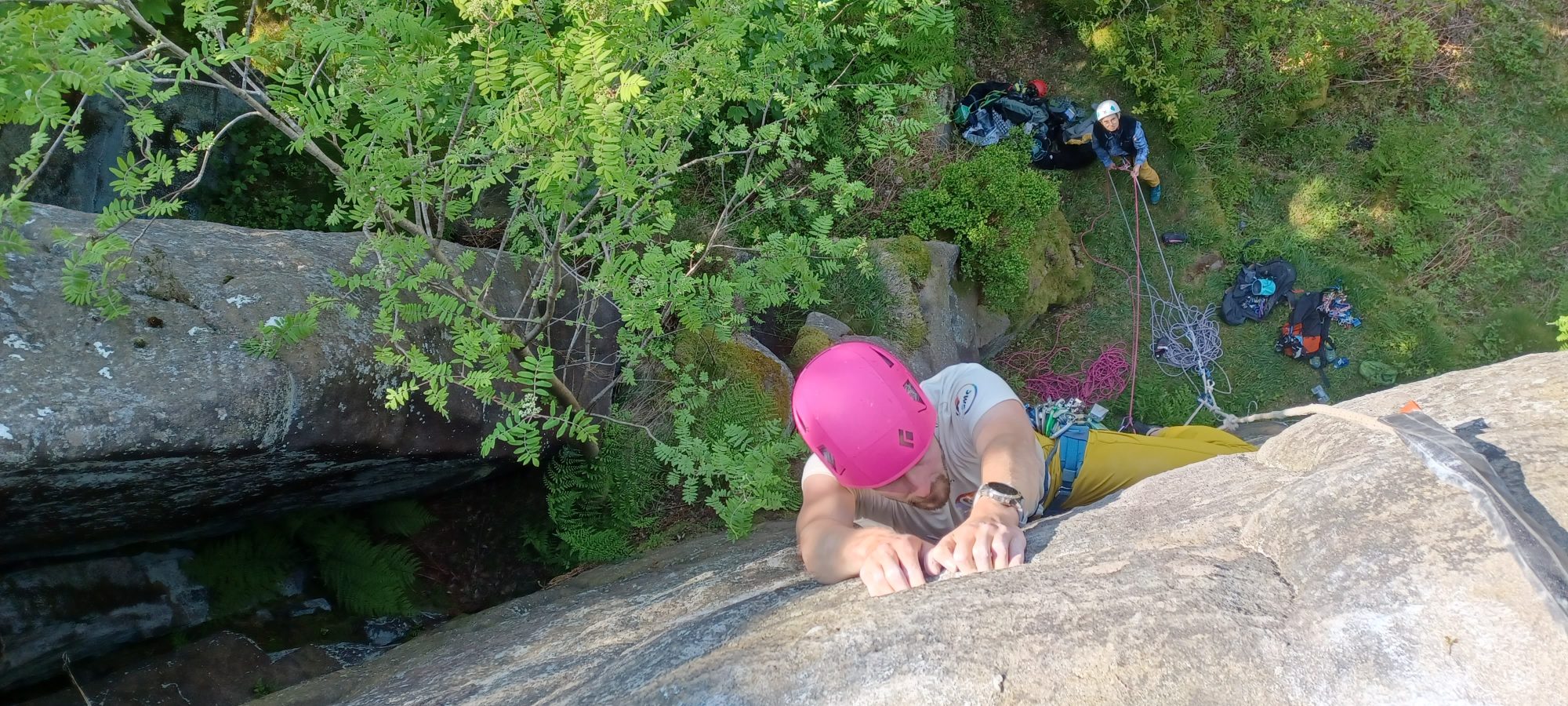
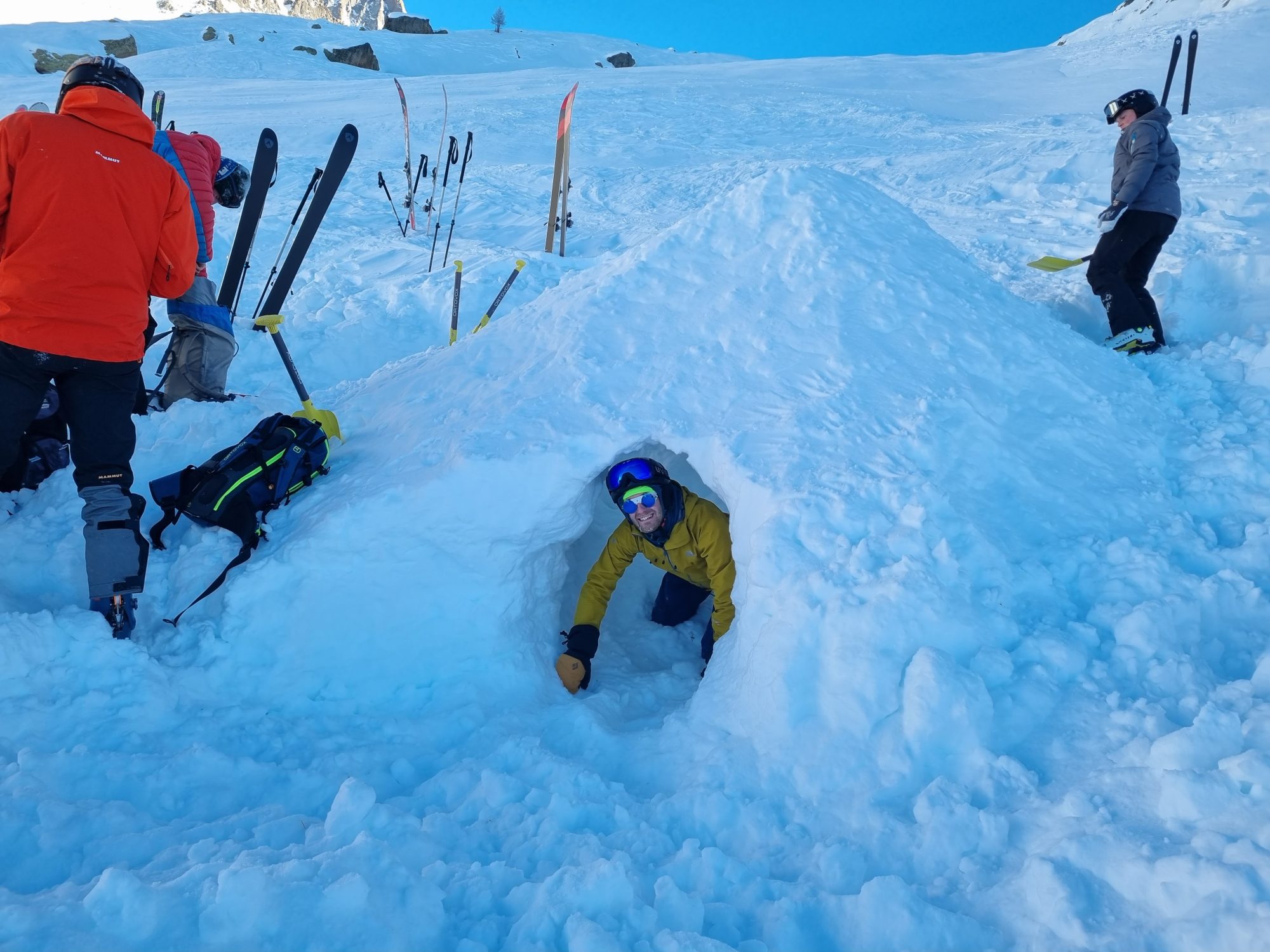
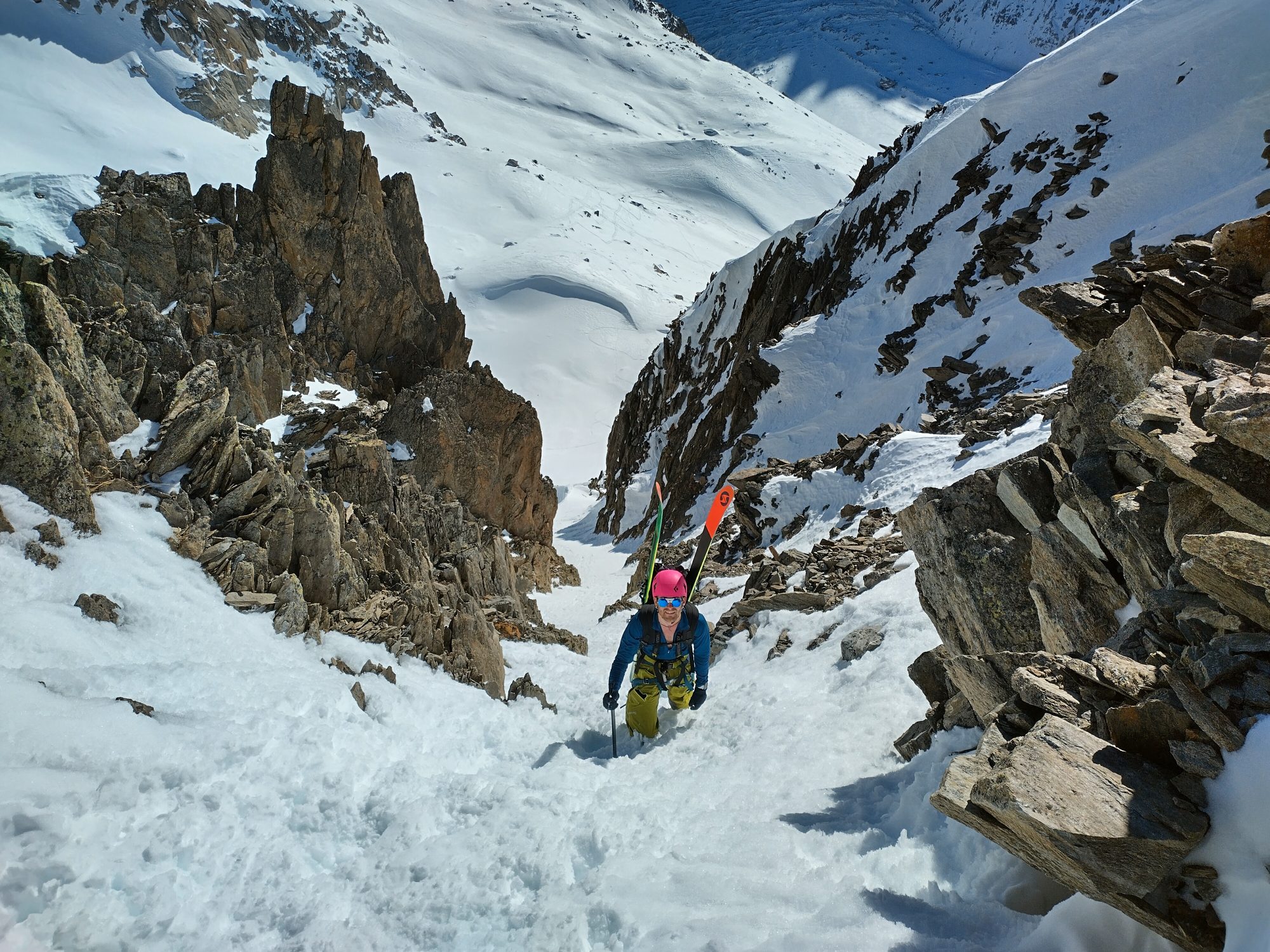
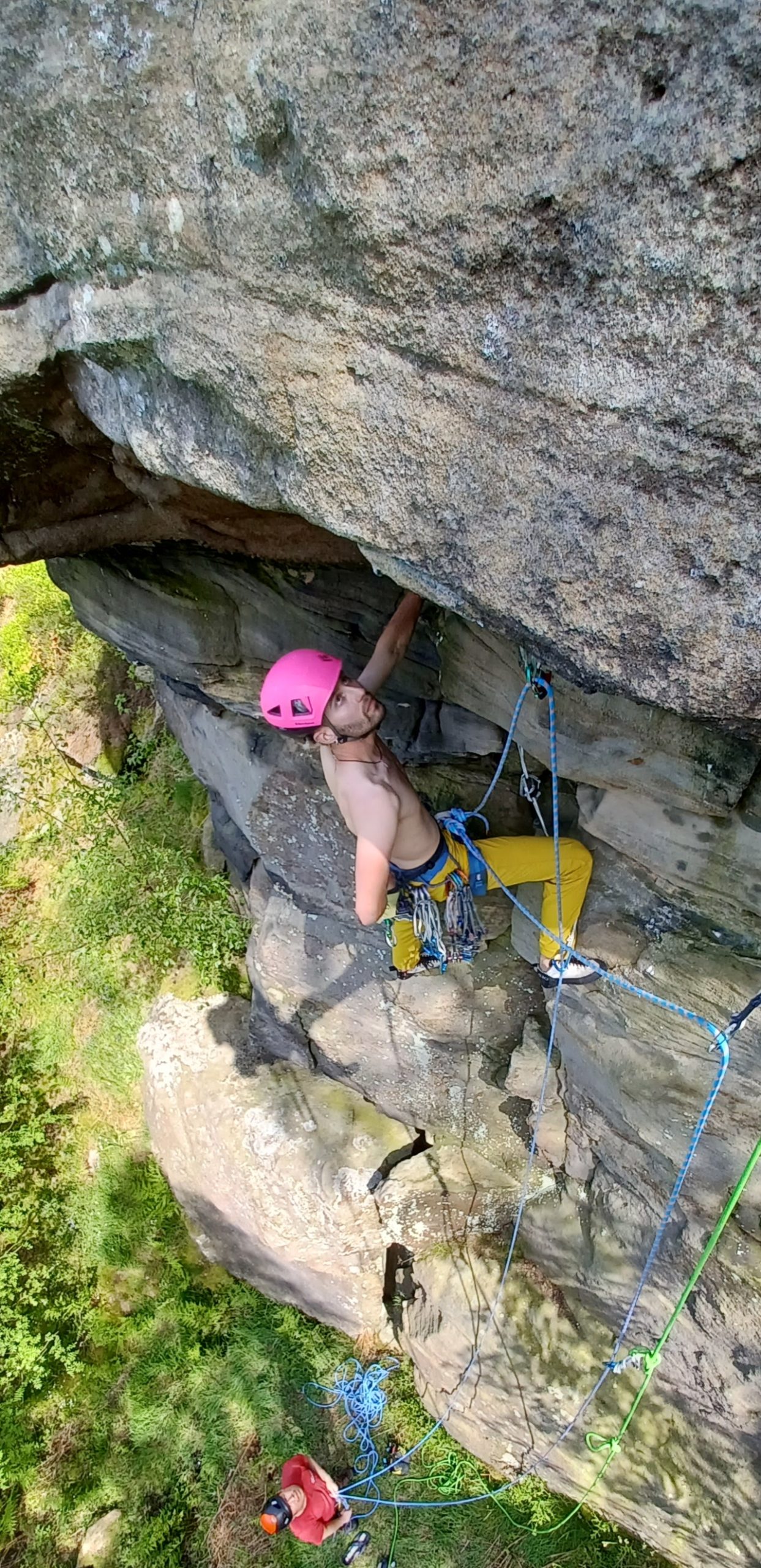
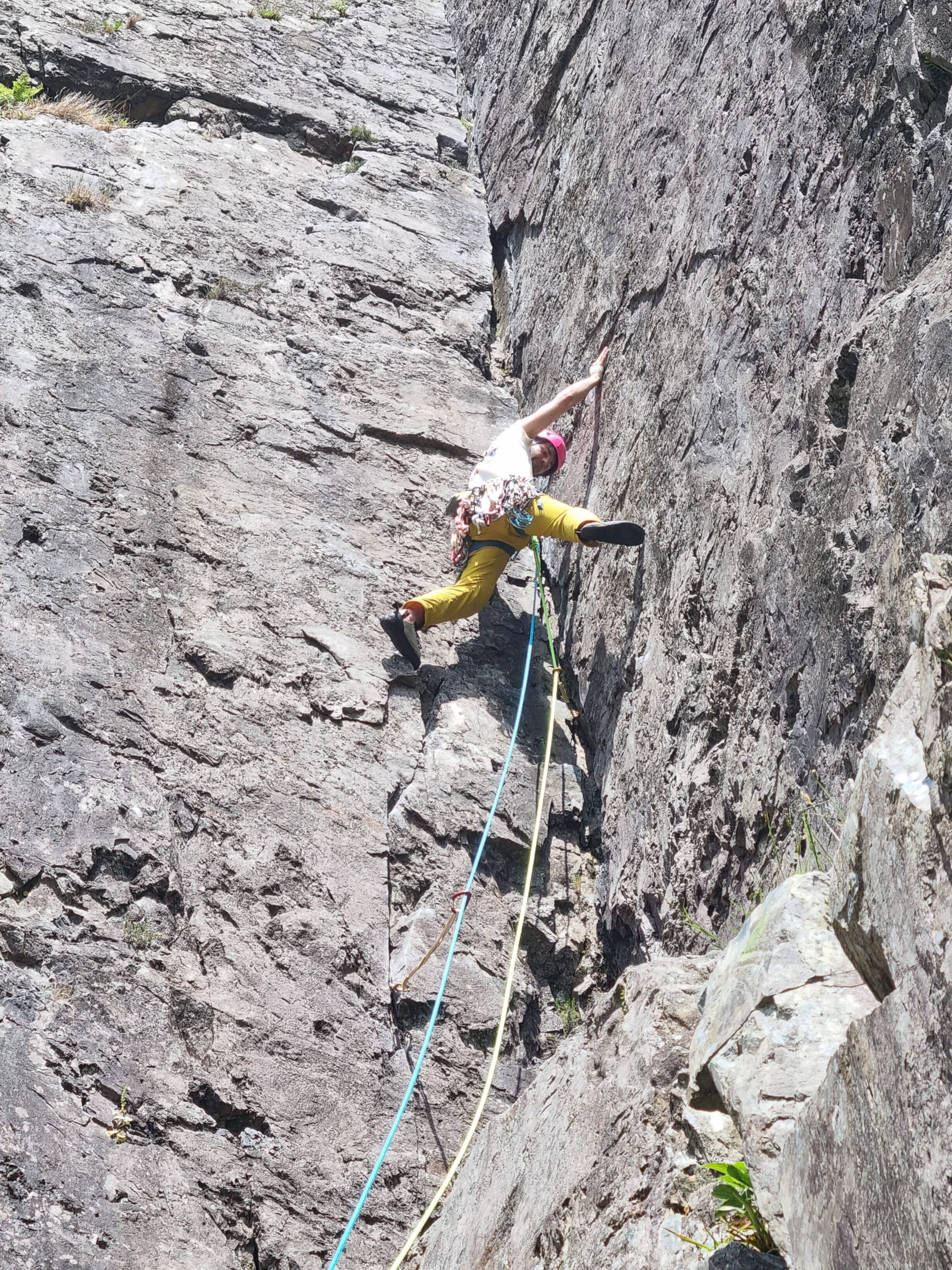
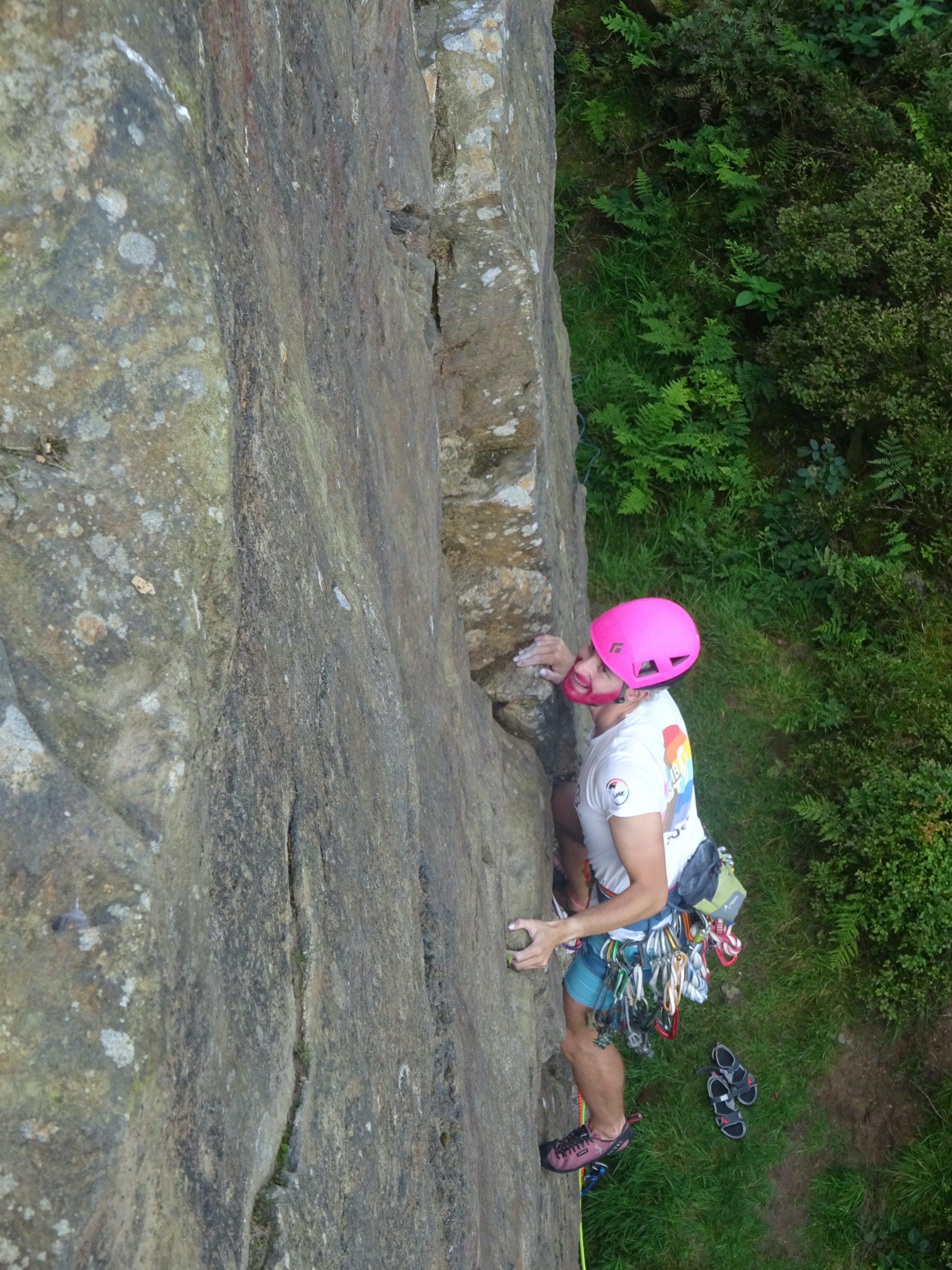
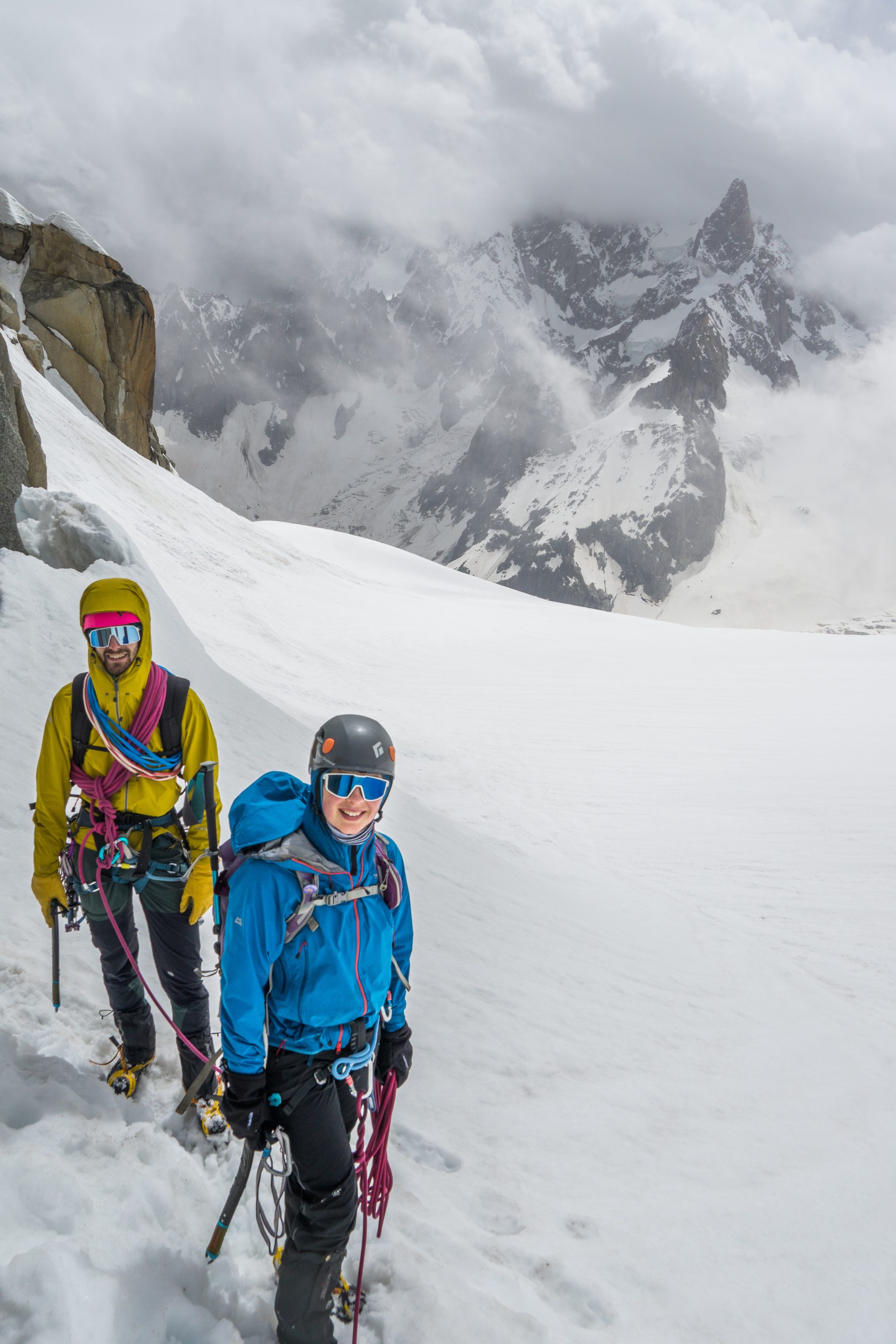
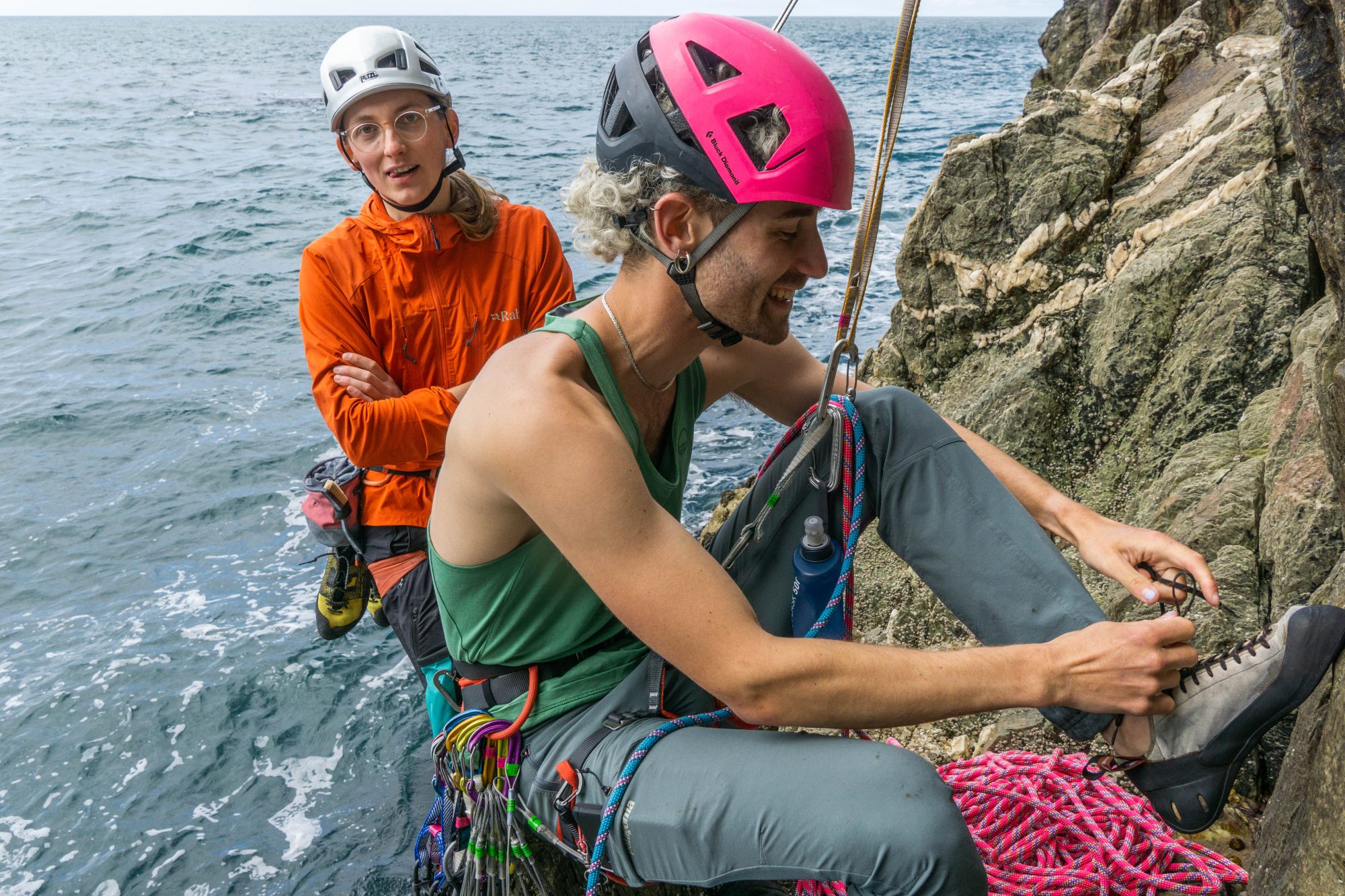
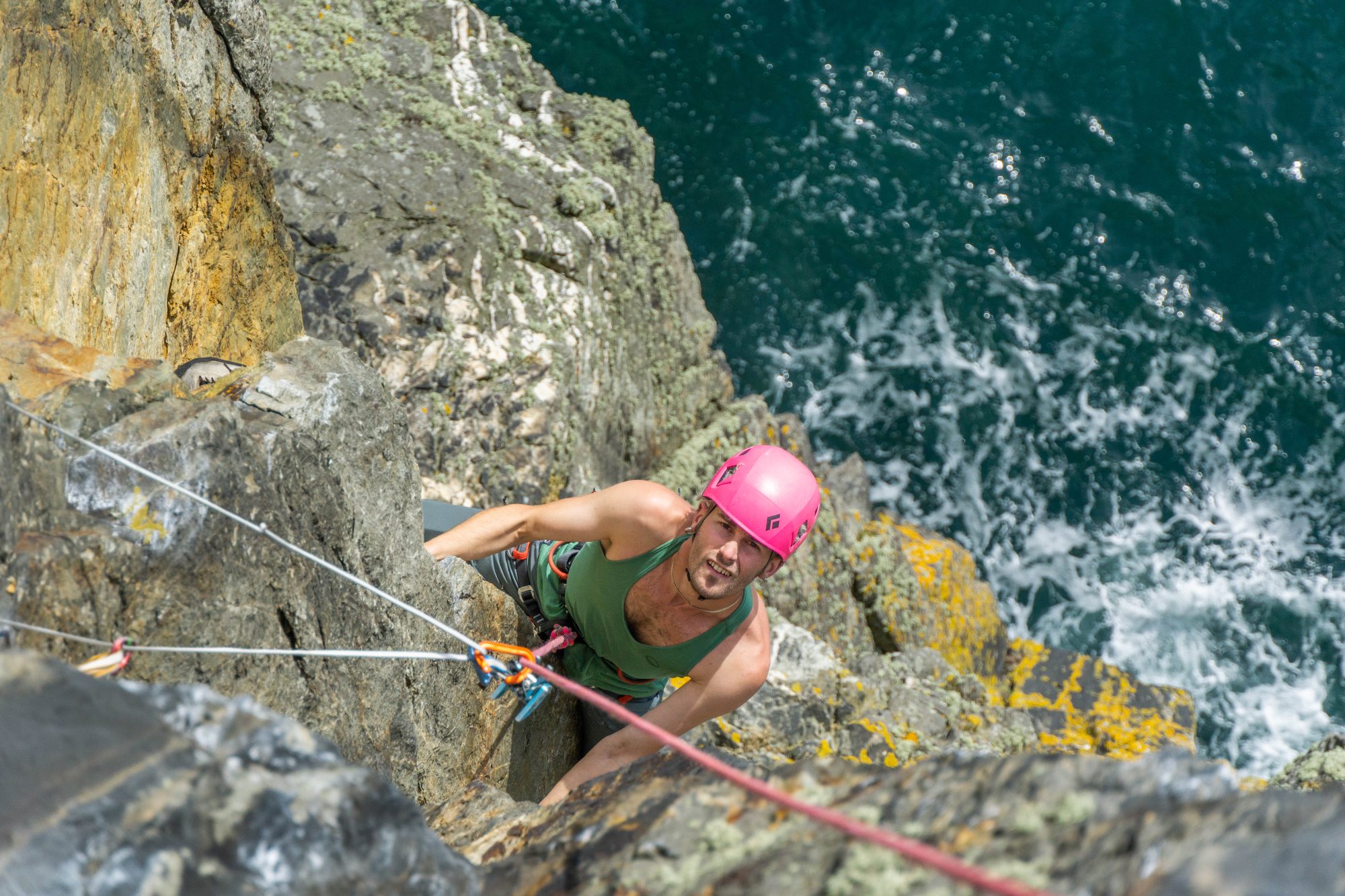
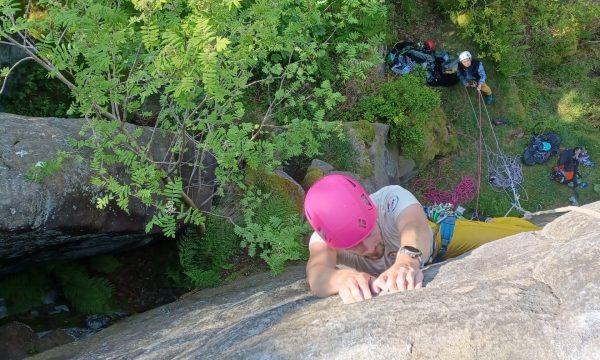
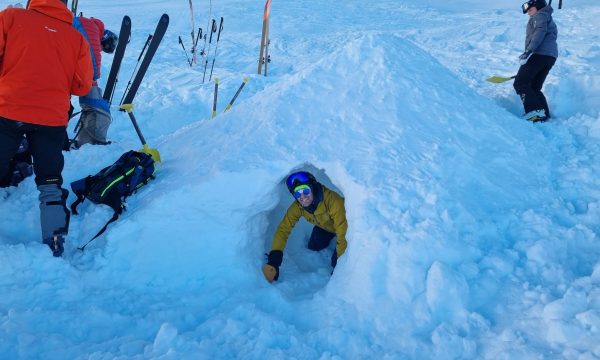
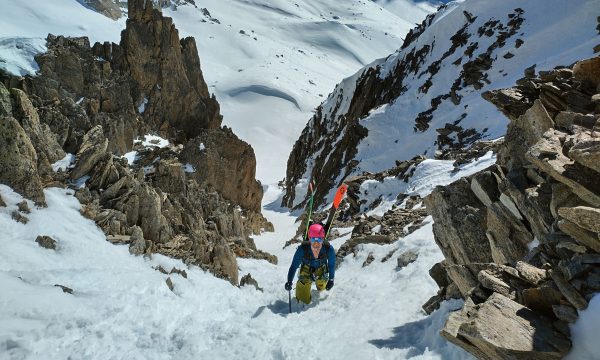
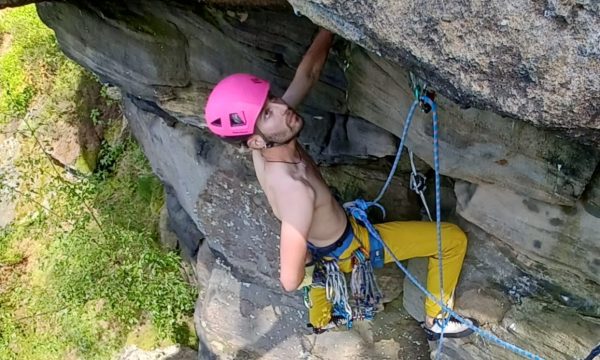
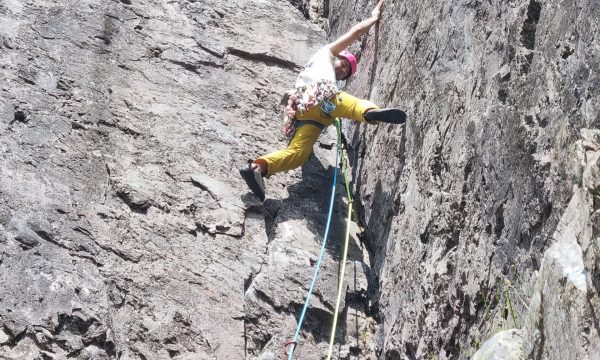
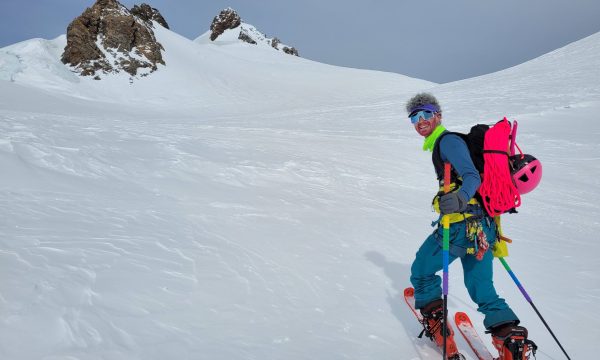
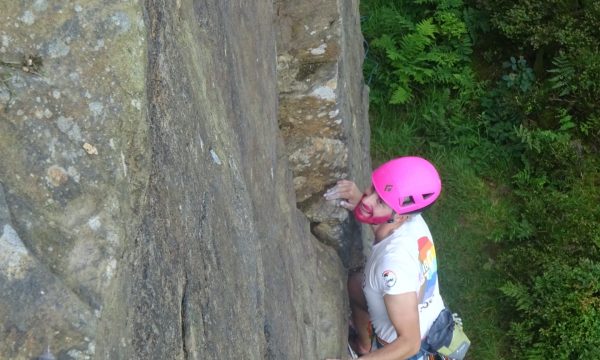
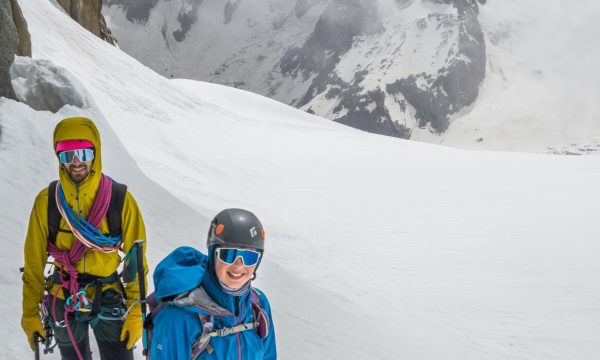
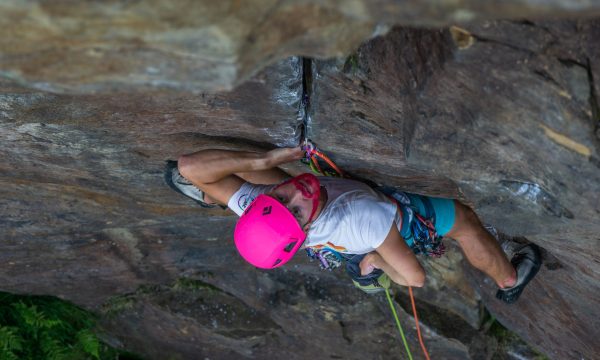
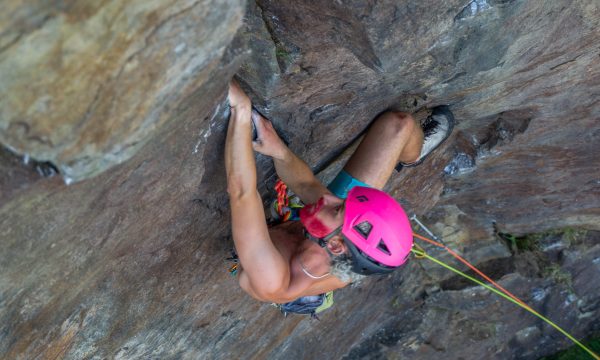
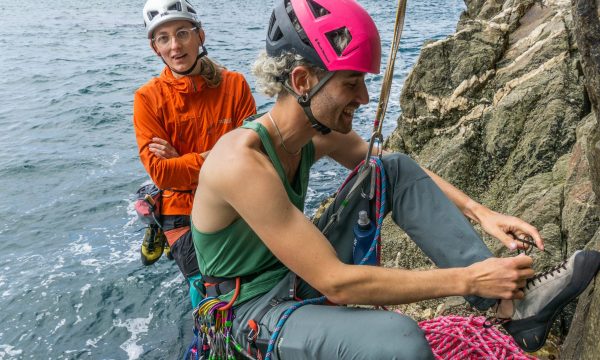
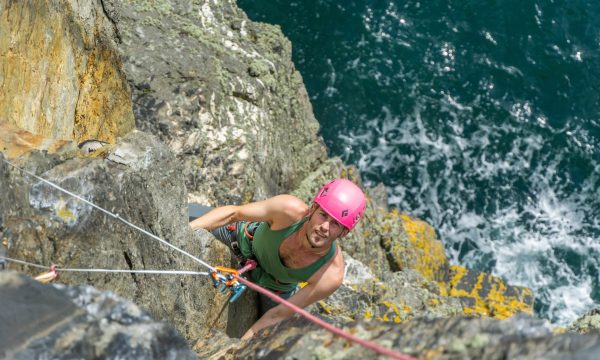
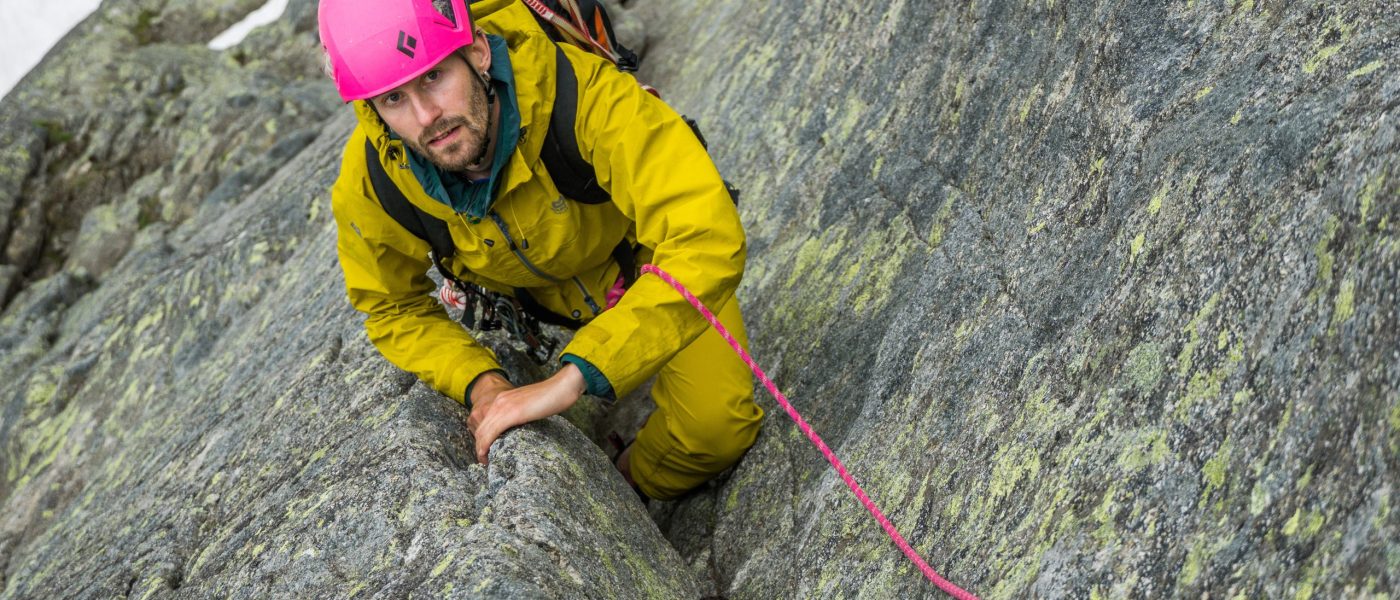
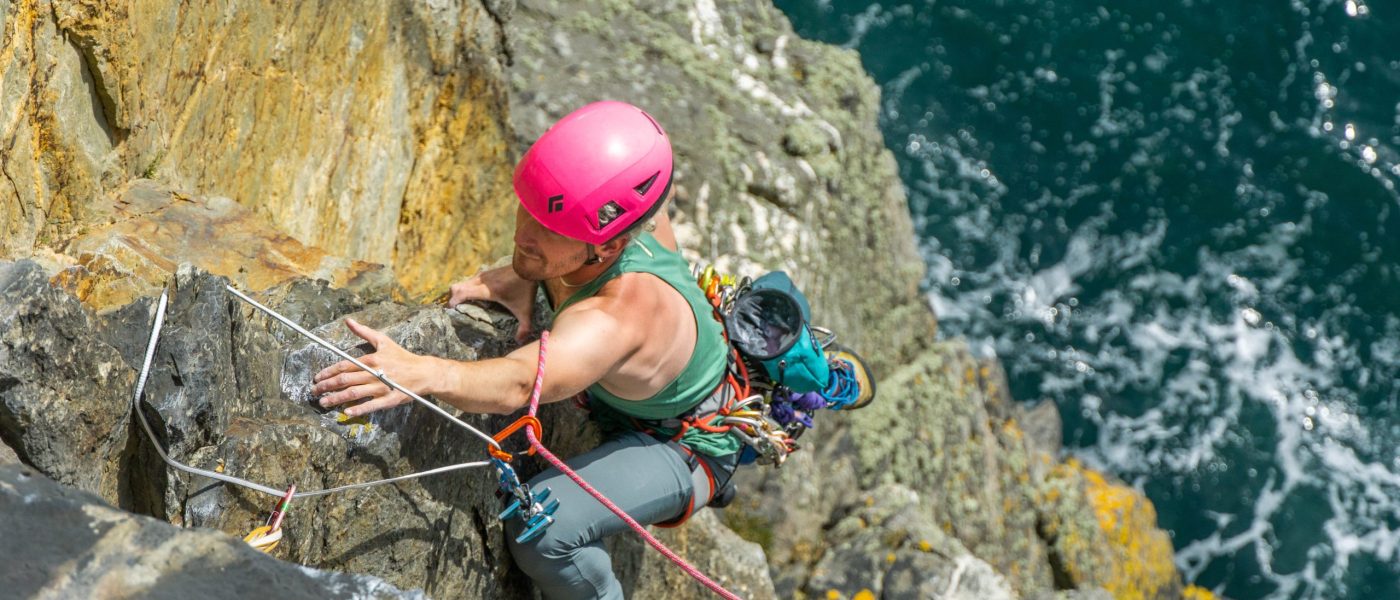
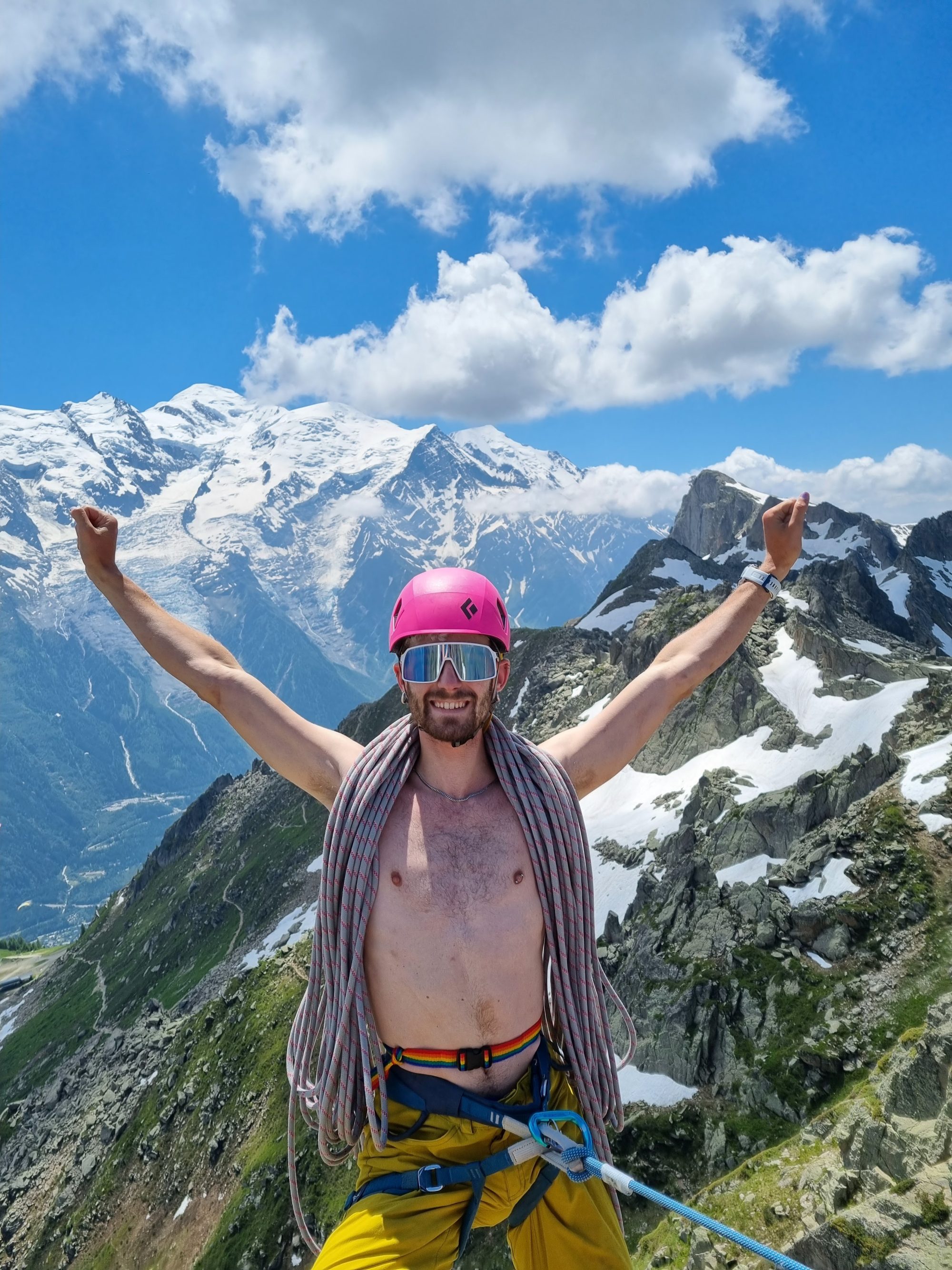
Agus’s climbing journey began on the sunlit limestone of Costa Blanca, sparking a passion that has since taken them across Spain and the UK, with an annual pilgrimage to the Alps. A mountaineer at heart, AJ thrives on big mountain days—whether scrambling, climbing sea cliffs, tackling alpine routes, embracing the challenges of winter climbing, or venturing into ski mountaineering. While they’ve experienced breathtaking landscapes, it’s the trust and relationships built with climbing partners in these shared adventures that are the true highlight of their journey.
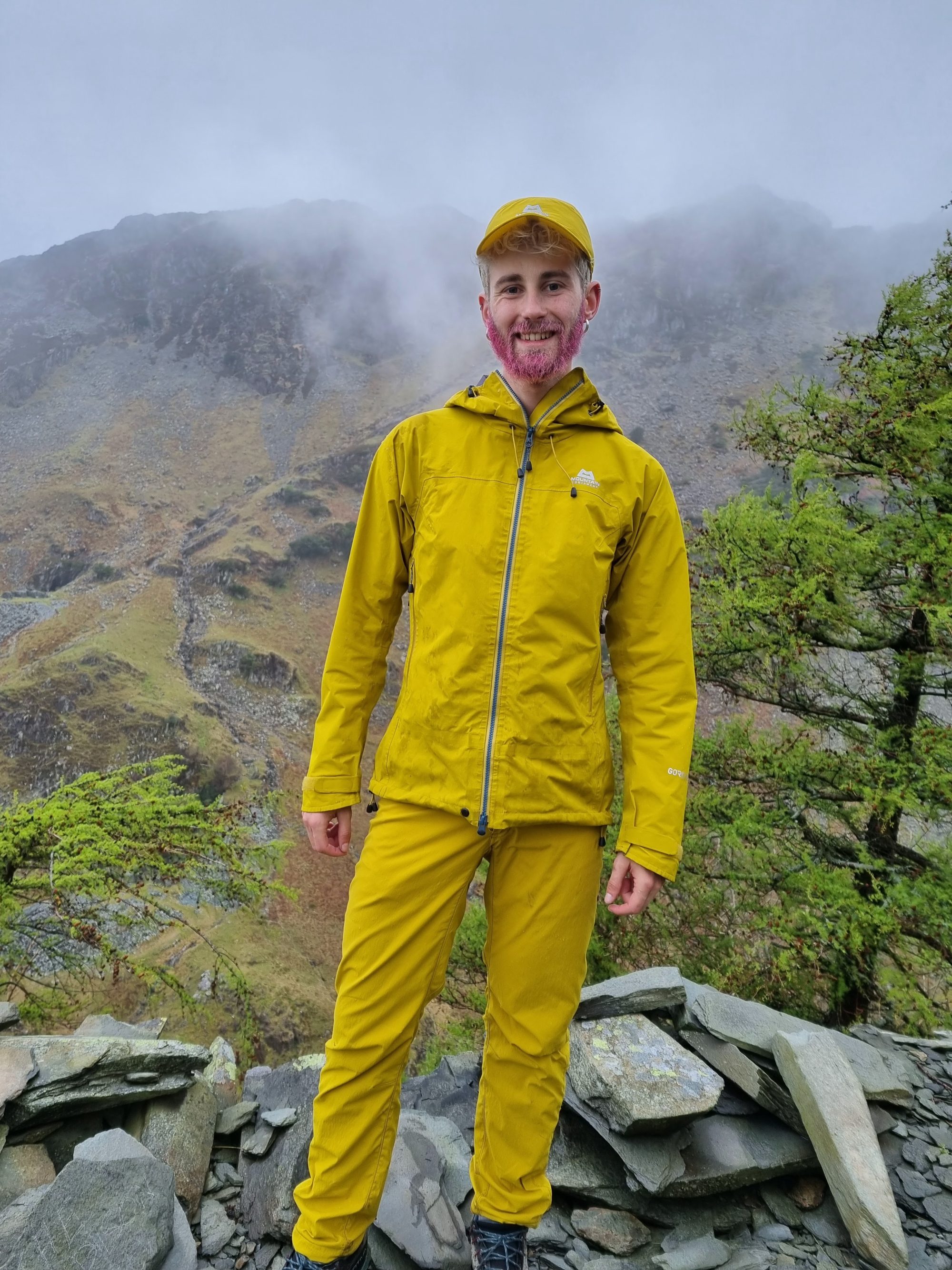
Beyond ClimbOut, Agus is a qualified Summer Mountain Leader and Mountaineering and Climbing Instructor and shares their love for the mountains, particularly the queer community and other underrepresented groups. In their role as Nationally Elected Councillor for Mountaineering at the British Mountaineering Council (BMC), AJ represents the interests of climbers, encourages member engagement, and advocates for a more inclusive outdoor community. Moreover, AJ is a team member of Pink Summits. Through climbing, mentorship, and advocacy, Agus is dedicated to fostering an inclusive climbing culture that welcomes and empowers everyone to explore the outdoors.
Q: How did you first get into mountain sports?
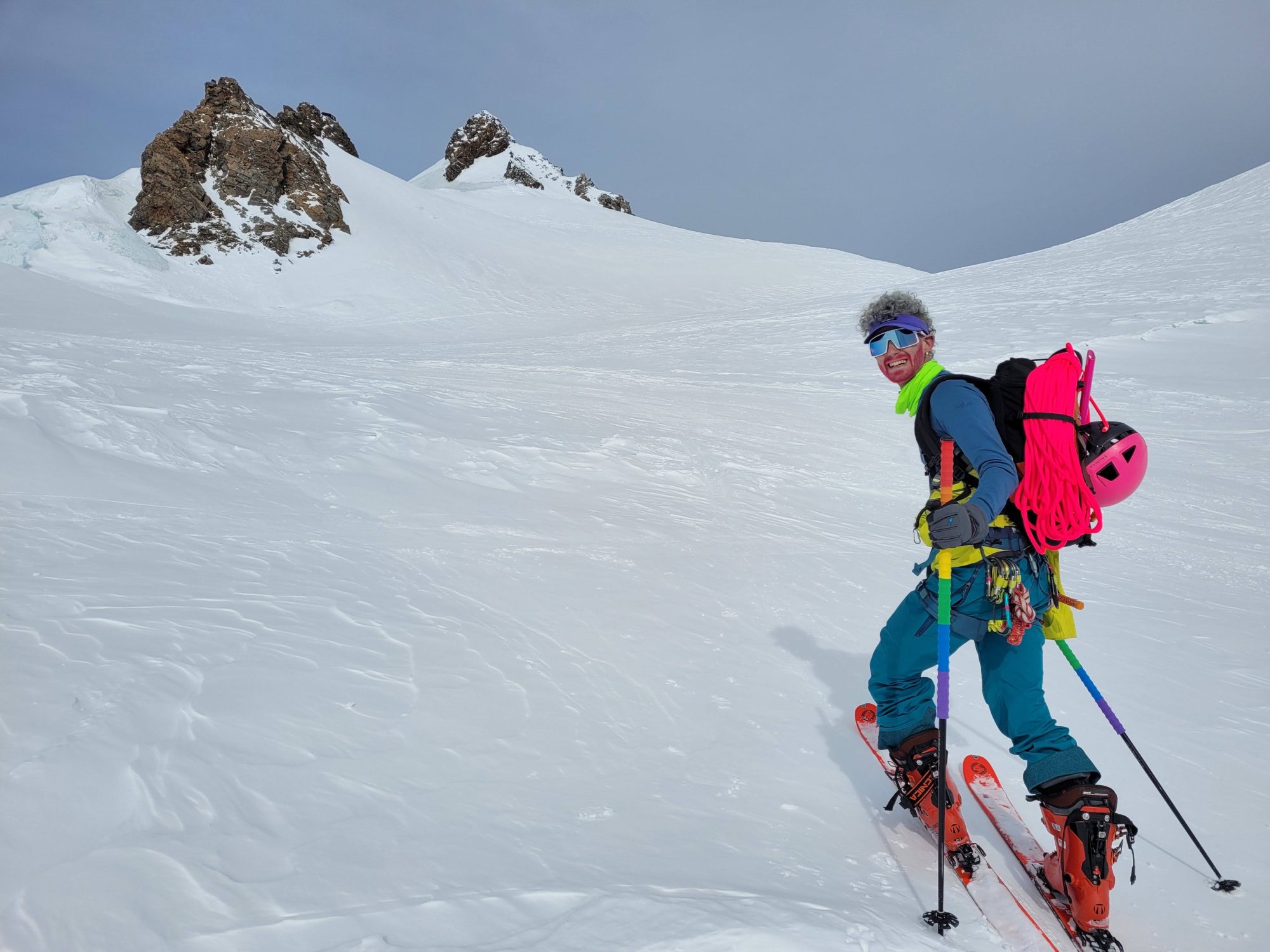
AJ: I grew up hiking and skiing with my family, so being outdoors always felt natural. My aunt was a huge influence—she’s into mountain running, long-distance hiking, cycling, and rock climbing. I always admired that, even though my parents were nervous about the idea of me climbing. Once I was old enough, I started climbing with friends, instantly fell in love with it, and later joined the mountaineering club at my university in Manchester. That opened the door to regular hiking, winter climbing, alpine courses, and eventually ski touring.
Q: What challenges or risky moments have you experienced in the mountains?
AJ: I’ve never had a truly dramatic situation, thankfully. But there have been days where we’ve had to turn back because conditions or energy levels weren’t right. I’ve also dealt with a minor accident where a rock collapsed and my partner needed support to get off the route, though we managed without a full rescue. For me, the real skill is recognising challenges early—how the day is going, how your partner is doing—and adjusting together.
Q: How do you feel when you decide to turn back from a route or summit?
AJ: It can be tough. There was a day in Chamonix where a climb took far longer than expected—we started at 4 AM and didn’t return until 8 PM. Experiences like that teach you the importance of recognising early signs: if the start of a route is already slow, the rest will likely be even slower. It really helps to know your partner well so you can be honest with each other and make safe decisions together.
Q: Who are your most important climbing partners?
AJ: My closest and longest-term partner is my friend Rebecca—we met through the university mountaineering club and have done so many adventures together in the UK, Scotland, and the Alps. I also have a growing network of partners I’ve met through climbing centres, clubs, Instagram, and friends of friends. The mountaineering community in the UK is fairly small, so connections build naturally.
Q: You’re on the path to becoming a mountaineering instructor. Can you share more about that journey?
AJ: Yes! I’m training to become a UK mountaineering and climbing instructor, which allows me to teach rock climbing and mountaineering in the UK. I love sharing mountain experiences and inspiring others, particularly underrepresented groups. Long term, I aim to become an IFMGA guide, though that’s a long-term goal requiring a lot of experience.
Q: Knitting is another passion of yours. How does it connect to your activism or identity?
AJ: Knitting is joyful and political for me. It’s about slow creation, investing time and care into something, and stepping away from screens. There’s a strong queer and inclusive community around knitting, which makes it a space for both creativity and belonging.
4000m Summits in Alps
Q: What are your future goals in the mountains?
AJ: There’s so much of the Alps I want to explore. I’d love to stand on Mont Blanc someday. My long-term dream is to climb all of the 4000-metre peaks in the Alps, ideally as part of a small team project. There are plenty of ideas—just not always enough time—but I’m excited for what’s ahead.
Queer Heroes Outdoor mapped the summits based on the UIAA list.
Climb Out Festival
Q: How did the idea for the Climb Out Festival come about
AJ: I was climbing regularly and involved with the British Mountaineering Council (BMC) as a volunteer. My queer community life in Manchester and my climbing experiences felt somewhat disconnected. While some friends participated in outdoor climbing, the community didn’t feel inclusive. Together with a few others in a similar situation, we realized we wanted to host an event that celebrated queer climbing and empowered people to access outdoor climbing. We noticed indoor climbing was becoming more diverse, but outdoor climbing had many barriers—financial, physical, and knowledge-based—so we wanted to address that gap.
Q: What were the main challenges in organizing the festival?
AJ: Organizing the festival was entirely new for us. We underestimated the amount of work and time it would take. Creating an inclusive event—not just for queer climbers, but for everyone—is challenging. You quickly realize there will always be people whose needs aren’t fully met, and navigating that while acknowledging your limitations as volunteers can be tough. Over time, we’ve learned to be clearer about what participants can expect and make the event more accessible.
Q: How do you envision the future of Climb Out Festival?
AJ: I hope it continues to grow sustainably. Eventually, we’d like to host more events and maintain year-round engagement so people can progress in climbing throughout the year. Beyond queer circles, I want the festival to influence the broader climbing community—supporting organizations, brands, and climbing walls to create inclusive and safe spaces for everyone, especially underrepresented groups.
Q: How political are mountains
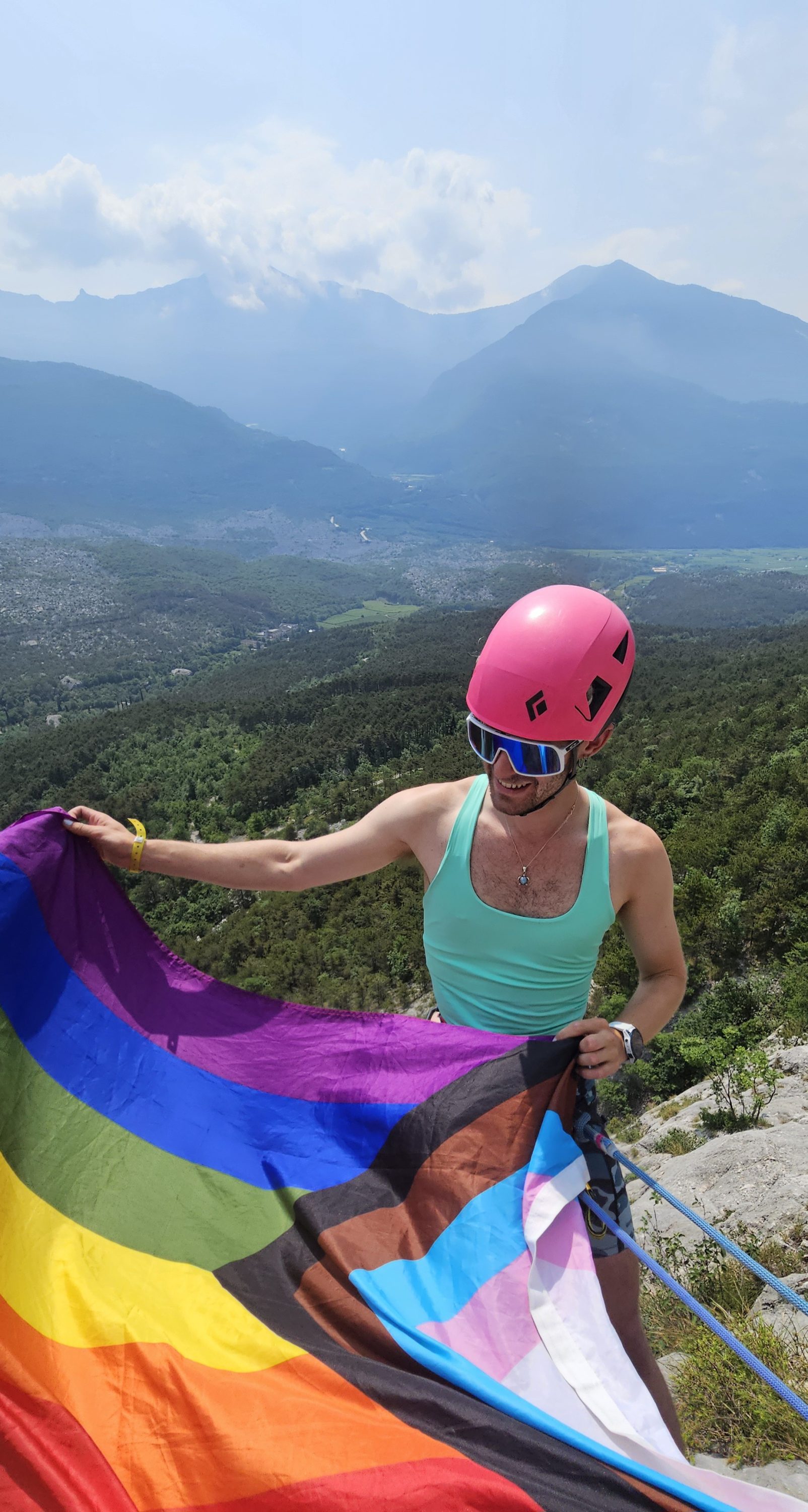
AJ: Mountains are inherently political. Choosing to ignore politics is a privilege—it assumes you can navigate these spaces without your identity affecting your experience. Mountaineering is historically very white, male-dominated, and heterosexual. Increasing queer visibility in the mountains is crucial because if you can’t see role models like yourself, it’s harder to imagine yourself participating.
Q: Have you ever faced any issues with your sexual orientation or gender identity or expression?
AJ: While I haven’t experienced explicit homophobia, I’ve felt my non-binary identity isn’t always recognized. Some people struggle with pronouns or don’t make the effort to respect them. Even without overt hostility, there are moments when you feel you don’t fully fit in. Male privilege does make certain aspects safer, but inclusivity is still inconsistent.
Q: What are your hopes for the queer mountaineering and outdoor community?
AJ: I hope for a future where queer identity isn’t a topic of discussion—where everyone is represented across all levels of climbing and mountaineering. I want these spaces to be safe, visible, and inclusive for all identities, so participation isn’t limited by who you are.
“Mountains are inherently political... Mountaineering is historically very white, male-dominated, and heterosexual.”