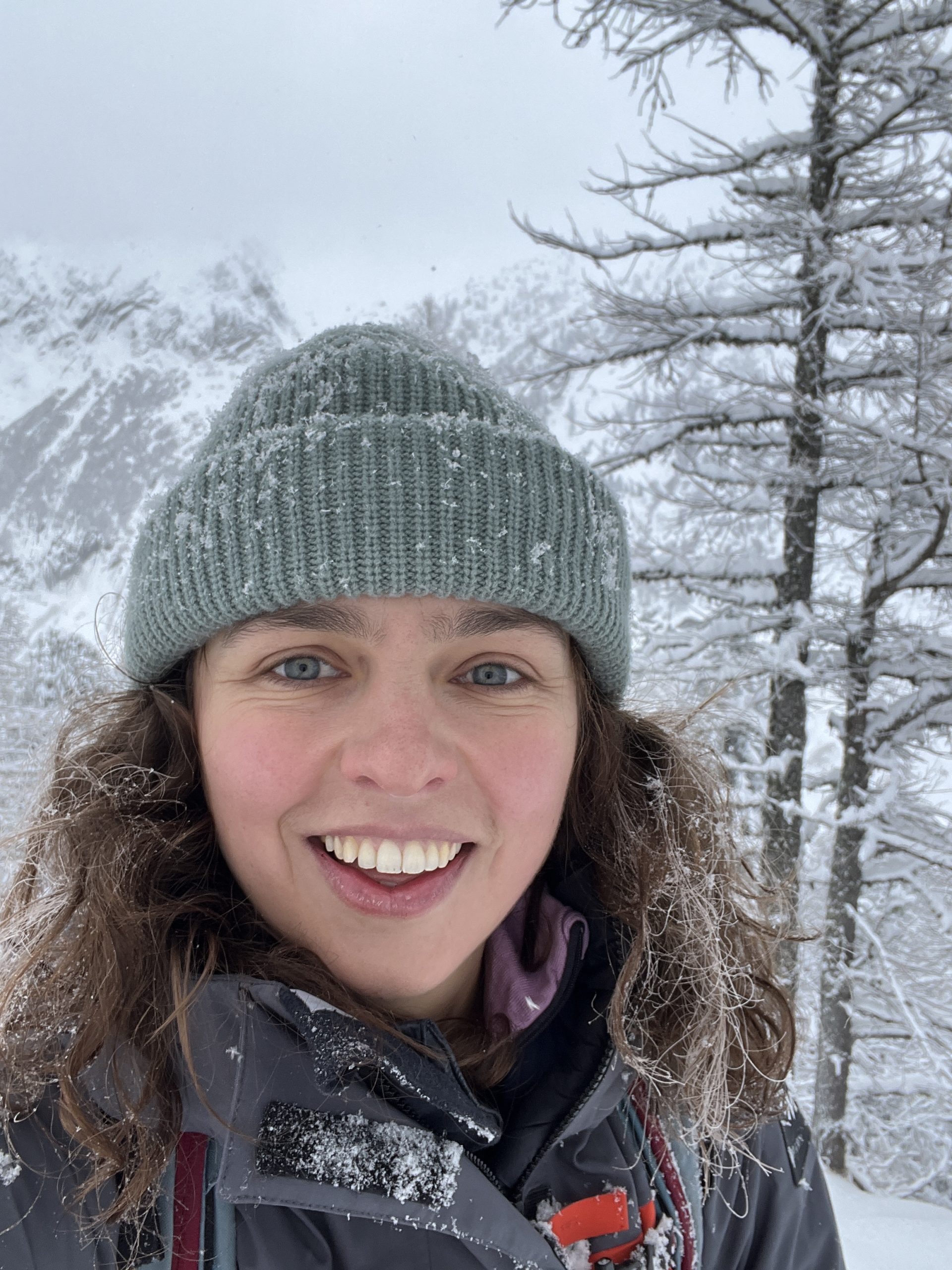
About Amelia
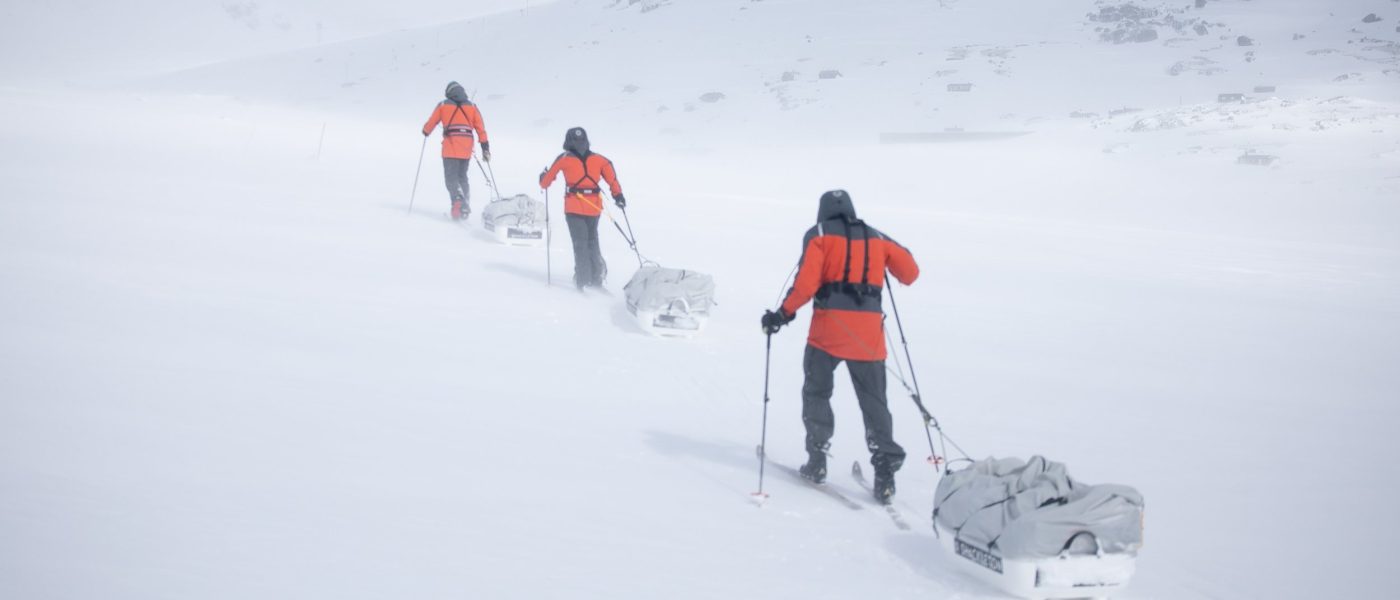
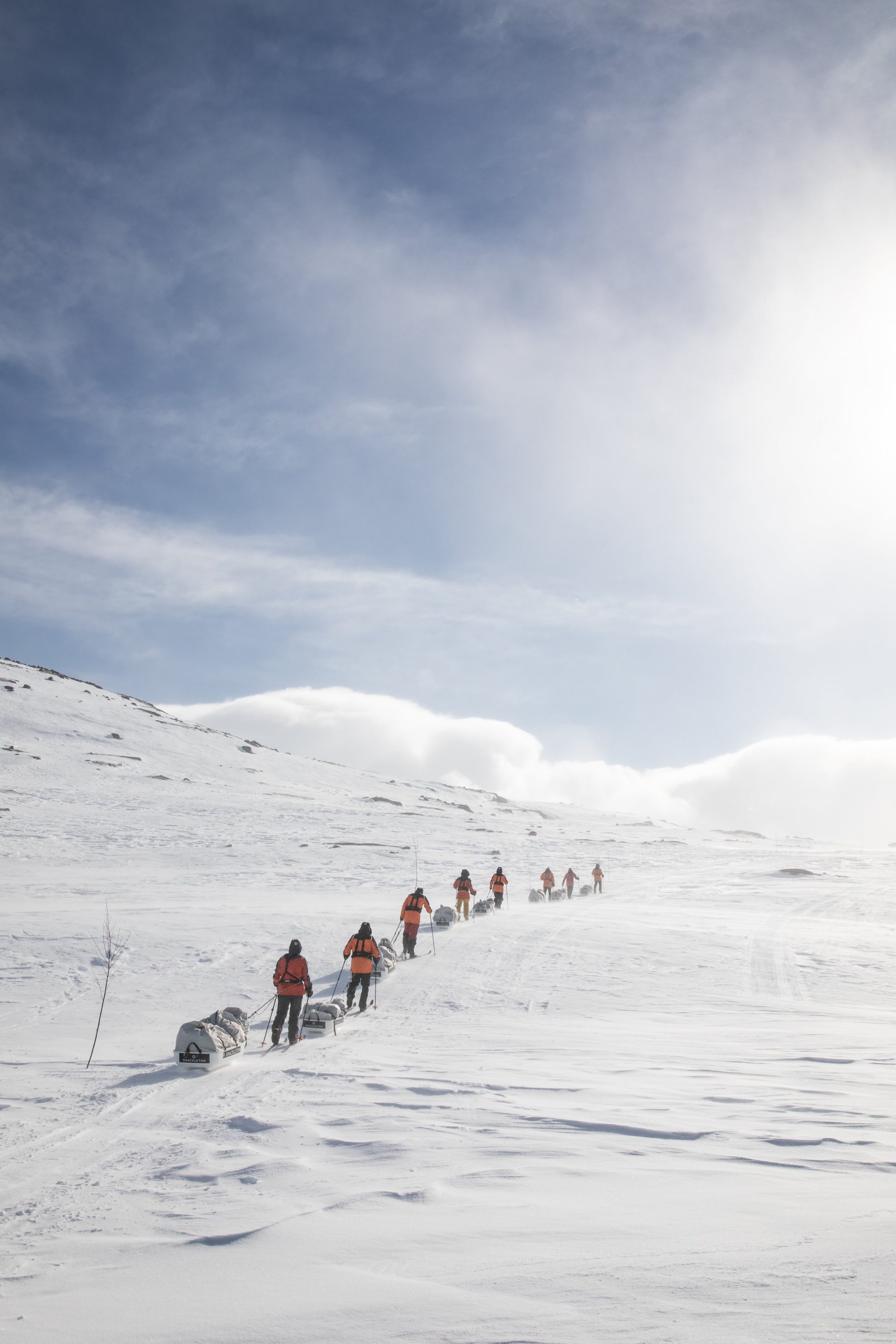
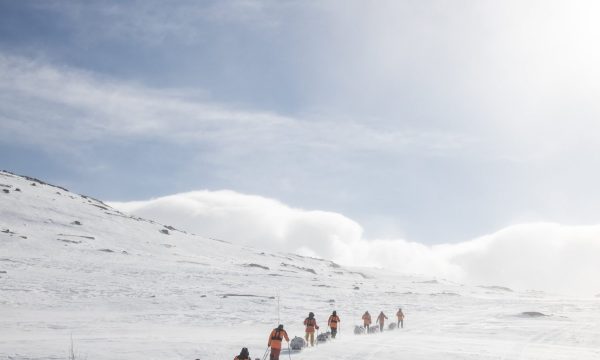
Amelia is an adventure filmmaker and photographer from the UK, with a life entrenched in the outdoors. A lifelong skier, enthusiastic climber and keen surfer, when she’s not filming polar expeditions in Norway, you can often find her bopping around the mountains and coasts of Europe in her converted Sprinter Campervan with skateboard and camera in tow. Amelia is passionate about empowering the LGBTQ+ community to experience the growth and joy access to outdoor spaces and wild adventures brings. She Co-Founded a community hiking group, Dykeing Boots and can’t wait to bring her message to higher and higher peaks as Pink Summits team member.
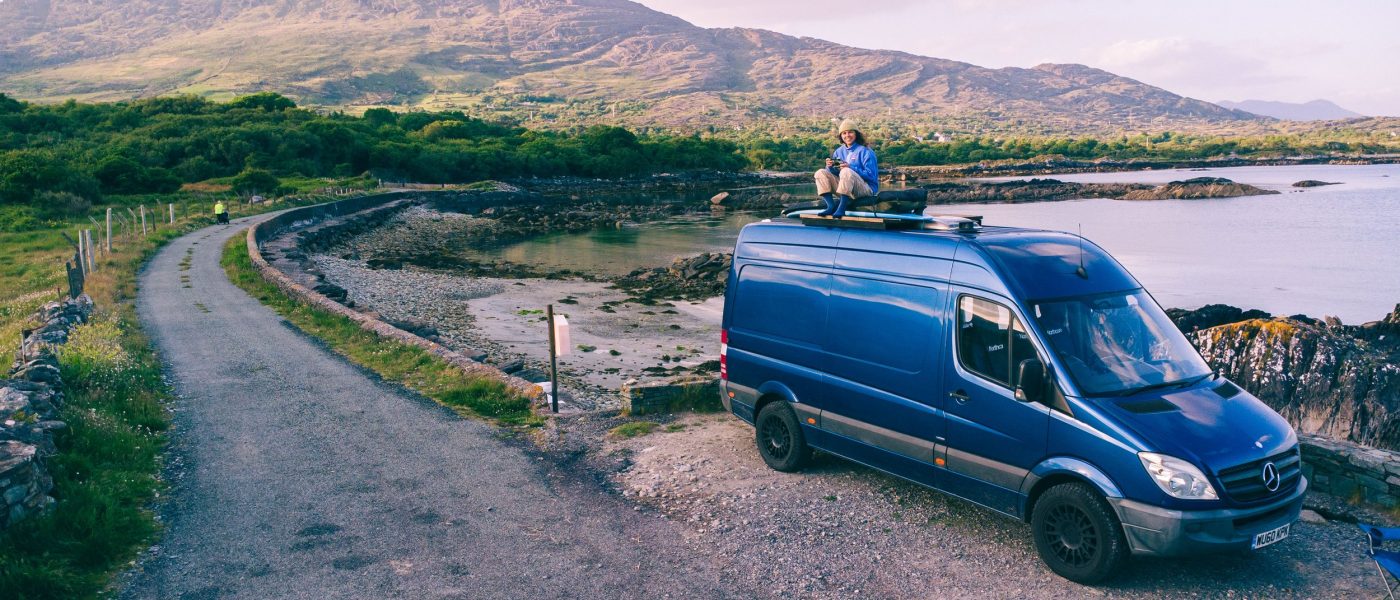
Q: You describe your work as sitting at the intersection of creativity, community, and the outdoors. How did your journey into this world begin? What first drew you into the mountains?
Amelia: I was incredibly lucky—my parents were both adventurous, especially my mum, who’s an amazing skier. So from the age of three, I was already in the Alps learning to ski. My dad pushed us into mountain biking, camping, doing slightly “crazy” outdoor things as a family. That early exposure just kept snowballing.
At school I absolutely loved the multi-day hikes. From there I kept exploring more on my own. Eventually, what was once a childhood passion quietly became my adult career. I feel very privileged to have turned that into my life’s work.
Q: Your outdoor pursuits go beyond climbing. What other sports shape your connection to the outdoors?
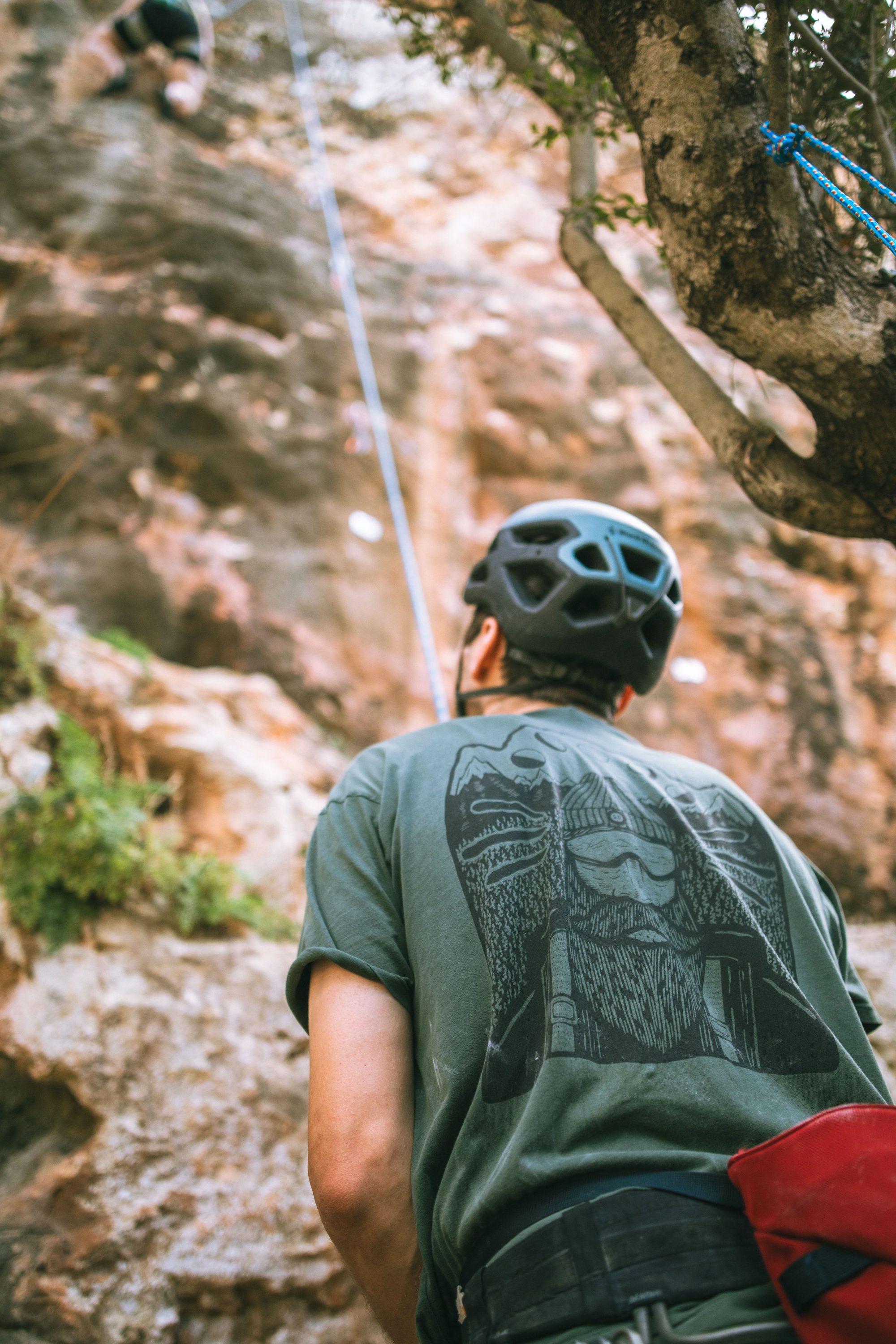
Amelia: Climbing is my main focus right now, but I do a bit of everything—mountain biking, surfing, skateboarding, hiking, and skiing. Skiing has been the big constant throughout my life. I’ve lived and skied in places like Japan, and Norway, from resort skiing to freeride touring and even long expedition-style trips. Powder days are the dream!
Skateboarding also changed my life—it made me braver, taught me how to fall properly, and even improved my skiing.
Q: As a queer woman in mountaineering, what does visibility mean to you?
Amelia: Being queer is simply who I am—it’s not political to me, it’s just a fact. But because of the state of the world, it is politicised.
When I was younger, I didn’t have queer women to look up to. So being visible matters, especially in remote or traditionally male-dominated spaces like on expeditions. It creates mirrors for young queer people who might be searching for someone to reflect their identity back at them.
The mountains have historically been shaped by straight white male narratives—exploration, colonialism, “conquering summits.” So showing up as a queer woman disrupts that story. It shows we’re not one monolithic group. We’re diverse, capable, and belong there just as much as anyone else.
Q: Have you encountered discrimination or unsafe situations because of your identity in the outdoors?
Amelia: More for being a woman than for being queer. I “pass” as straight to people who might hold prejudices, so they usually react to my gender first.
It’s often subtle—surprise that I might be more capable than expected, or that familiar attitude of “girls are bad at this.” Nothing dramatically hateful, just the background noise of a culture historically shaped by strong, straight, white men.
But in those environments, I also wouldn’t feel completely safe saying, “By the way, I’m a lesbian.” Not because of any direct danger I’ve experienced, but because I don’t trust what reactions might follow. And I know many queer people have had it far worse. I’m lucky—but it still says something about outdoor culture.
Q: You’re a filmmaker, photographer, and creative strategist. What does authenticity mean to you in an age of polished outdoor media and AI-generated imagery?
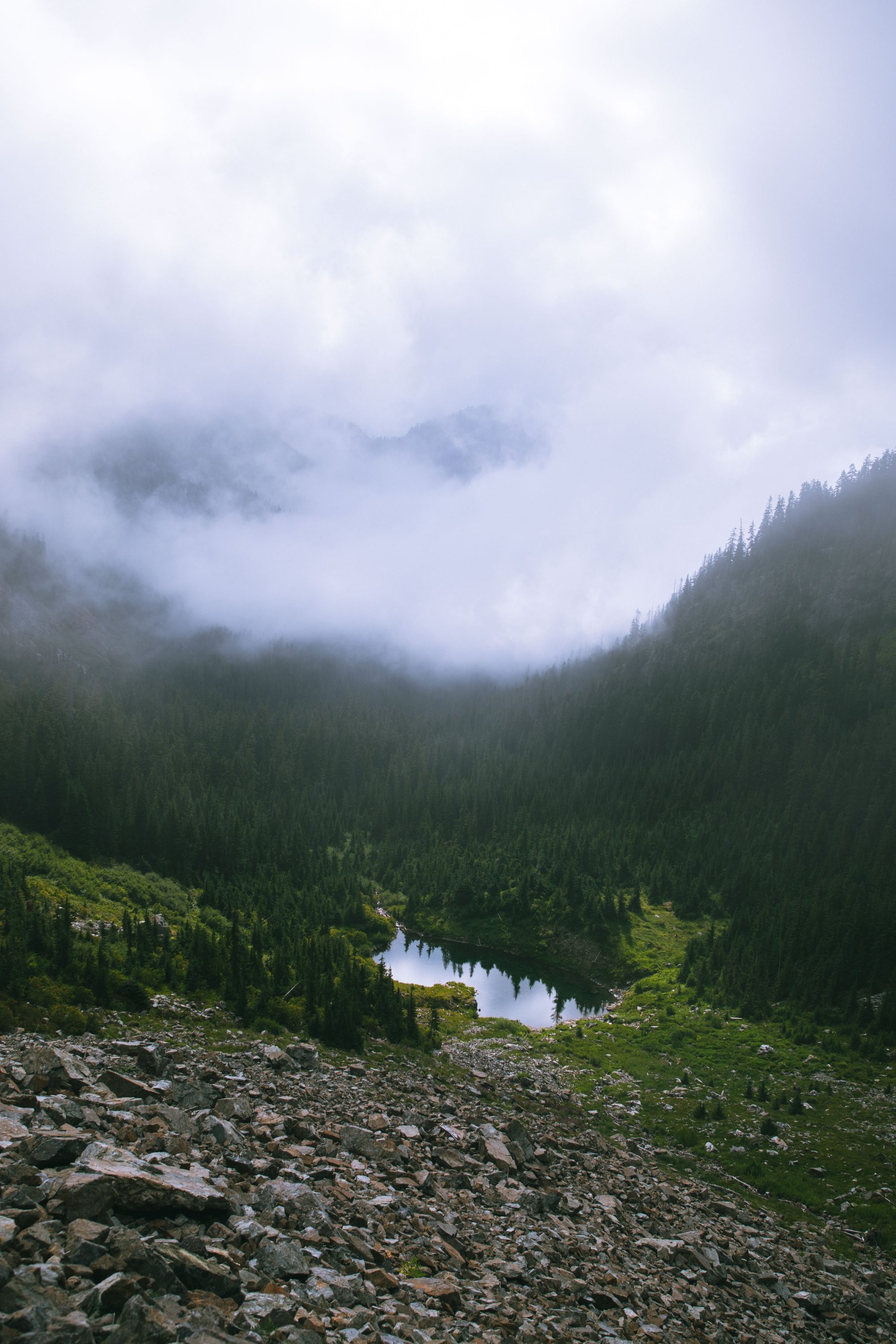
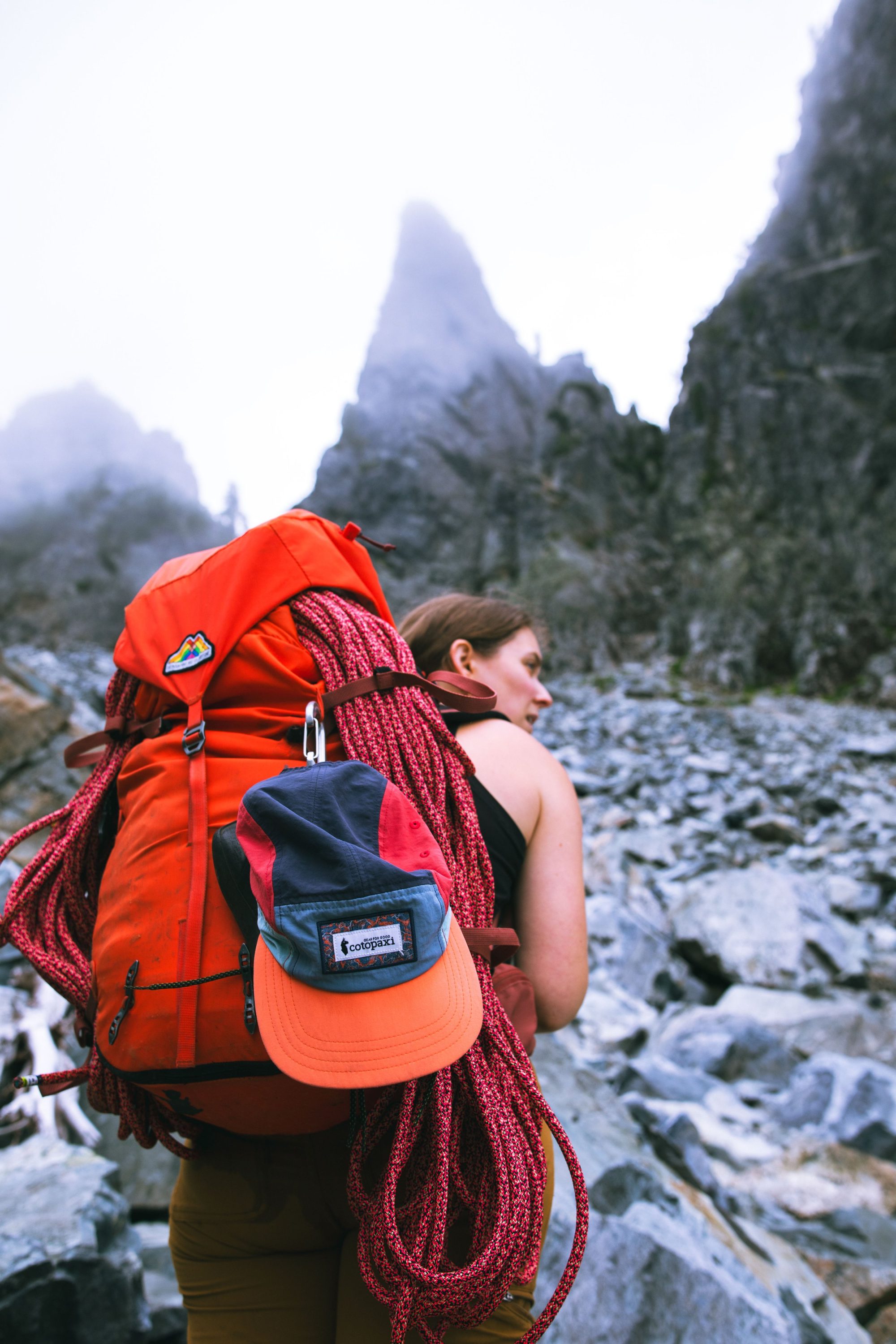
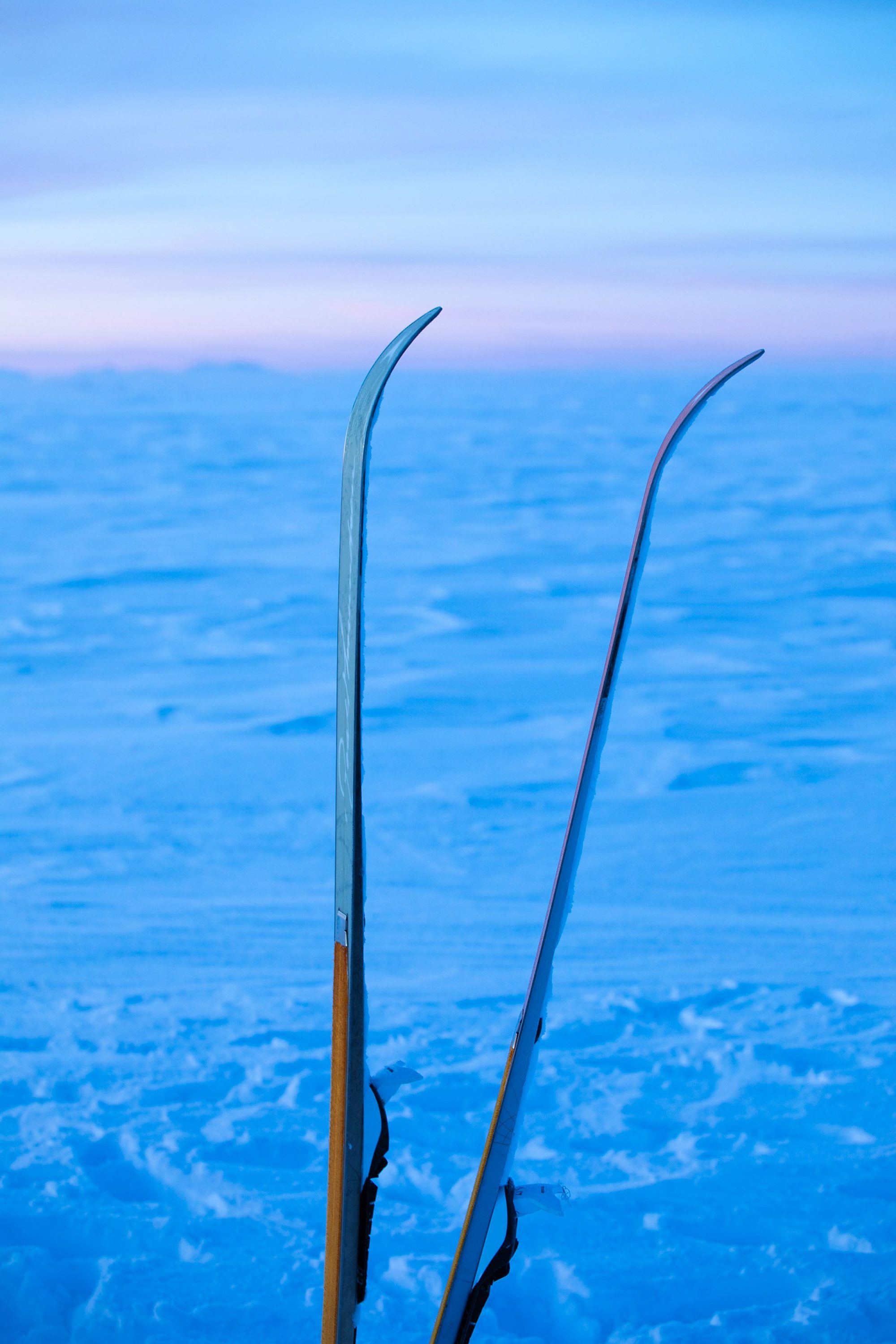
Amelia: Authenticity is everything. AI is powerful, and it has its place, but what it can’t recreate is the human experience of enduring something difficult, emotional, or wild.
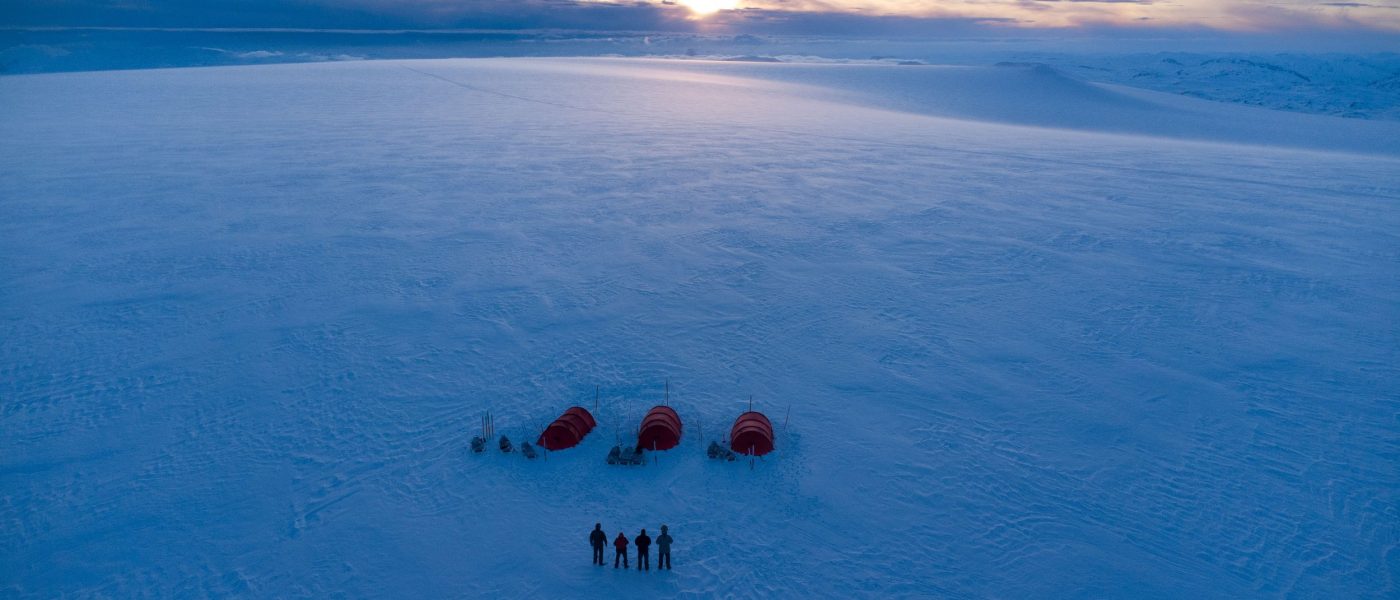
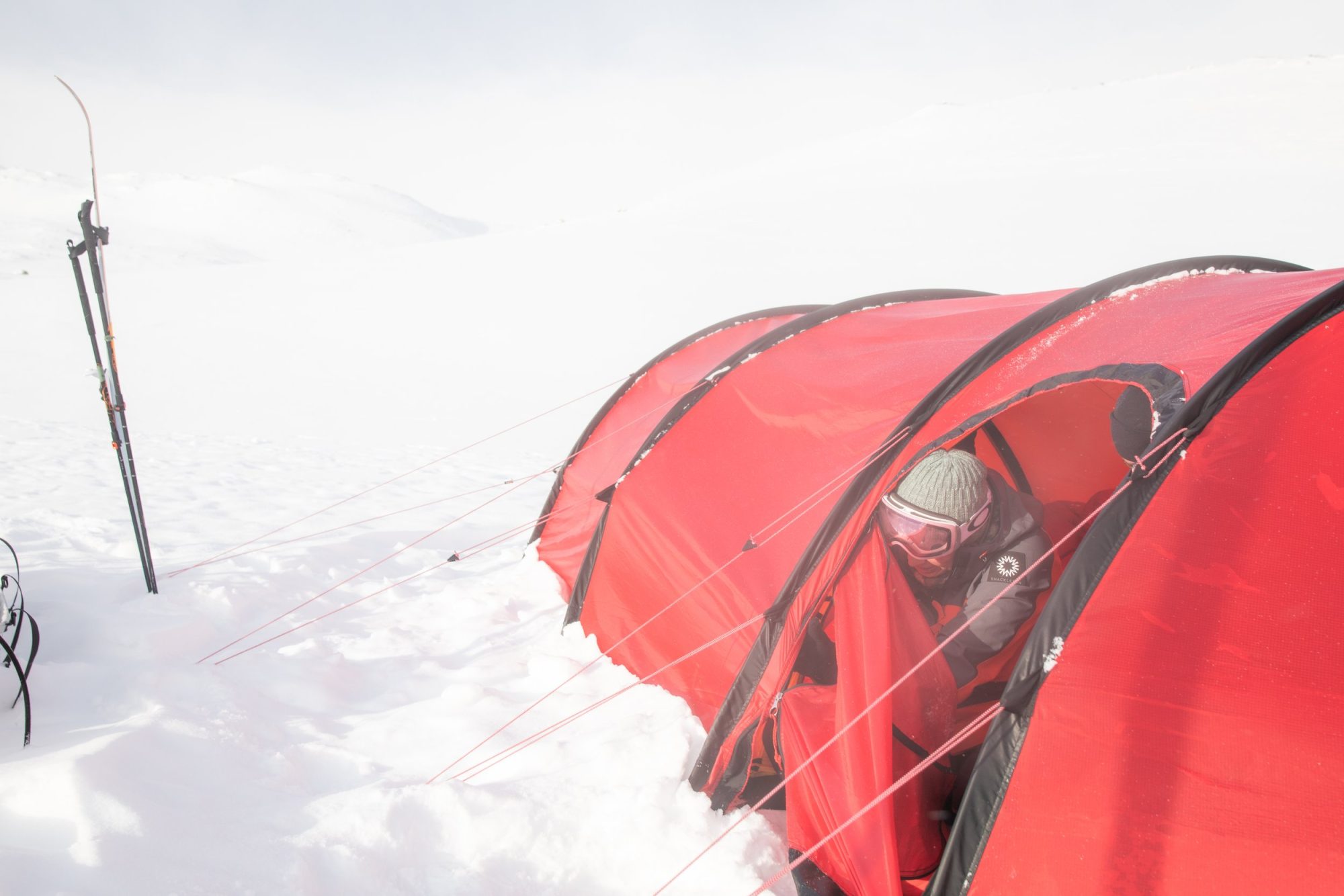
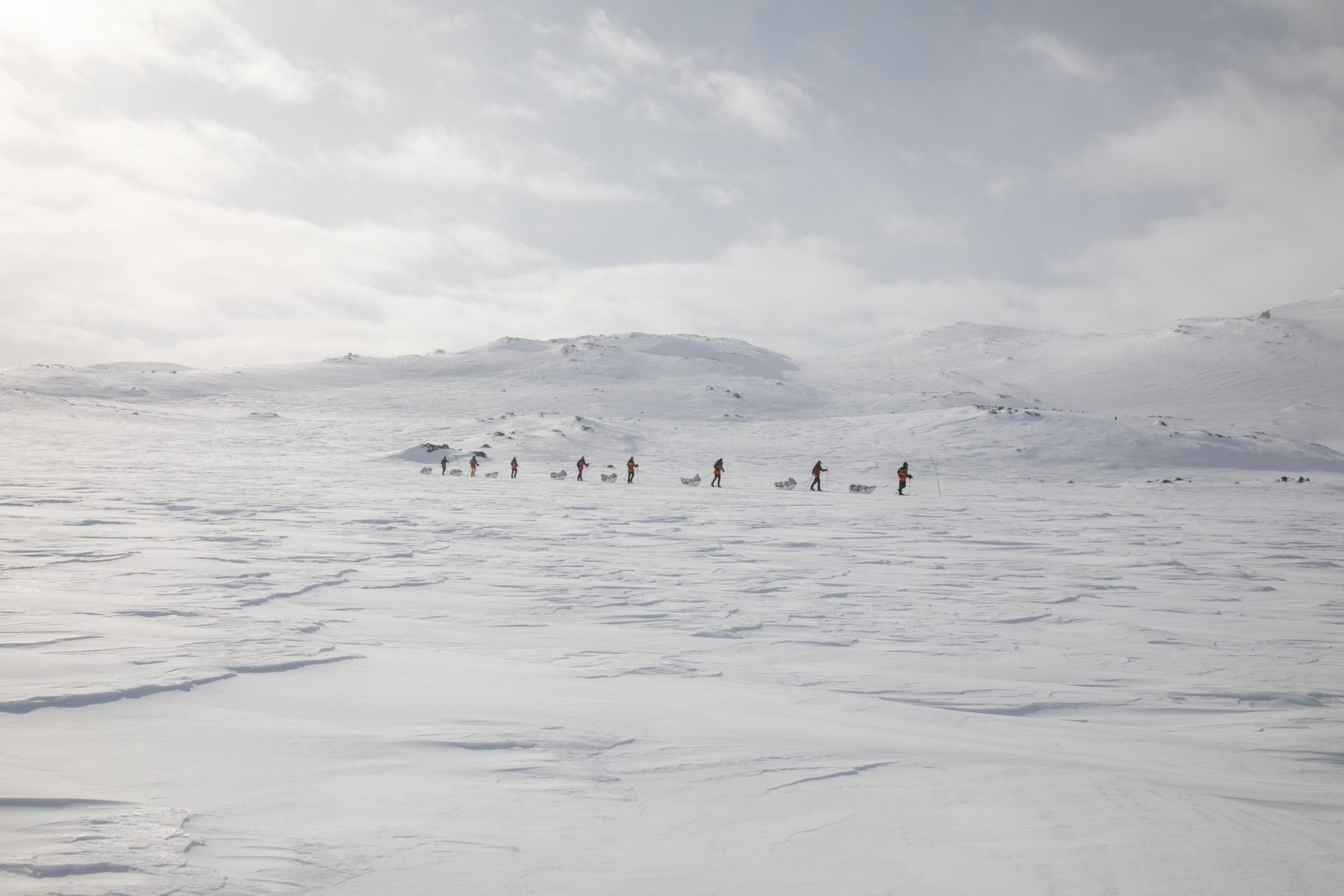
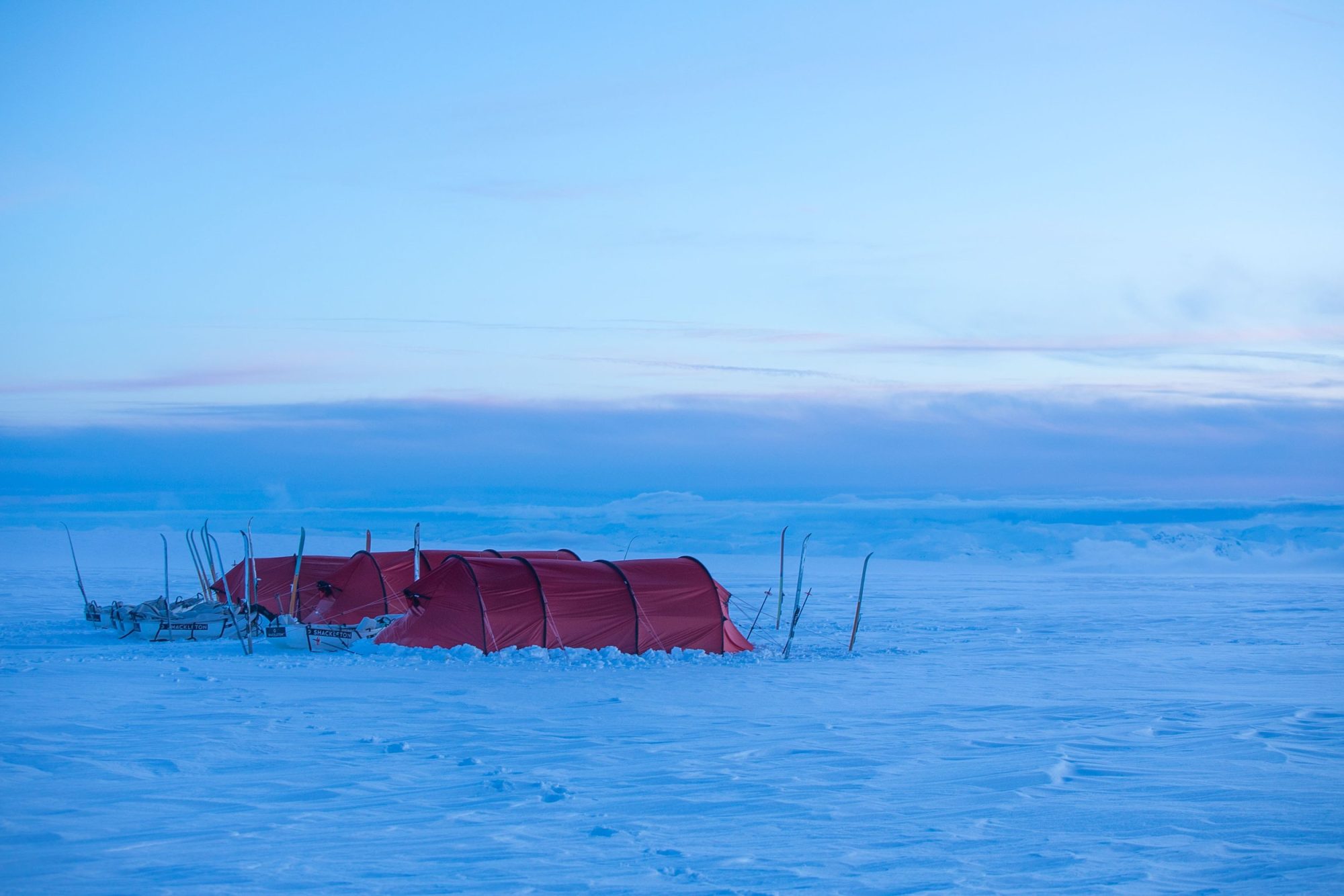
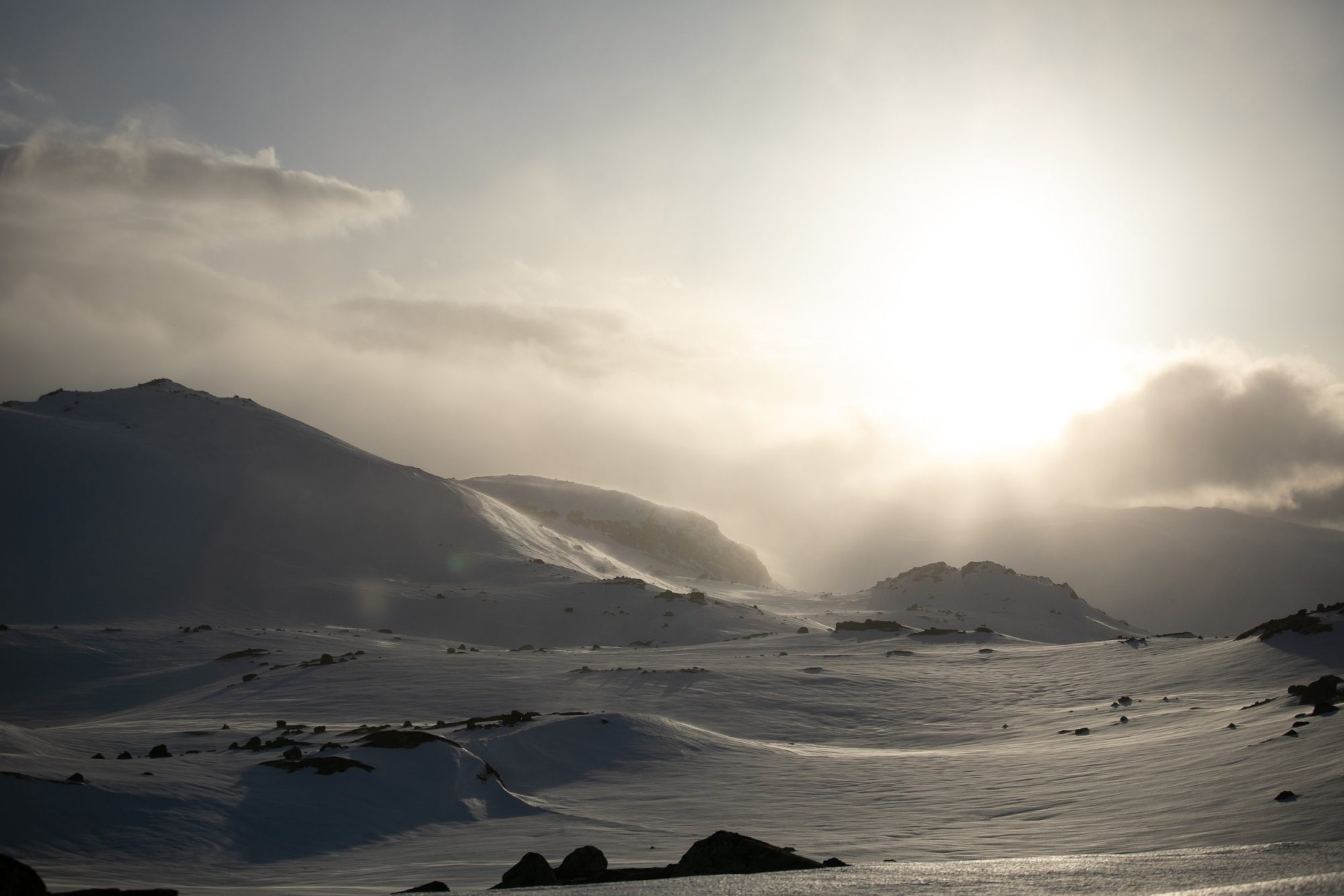
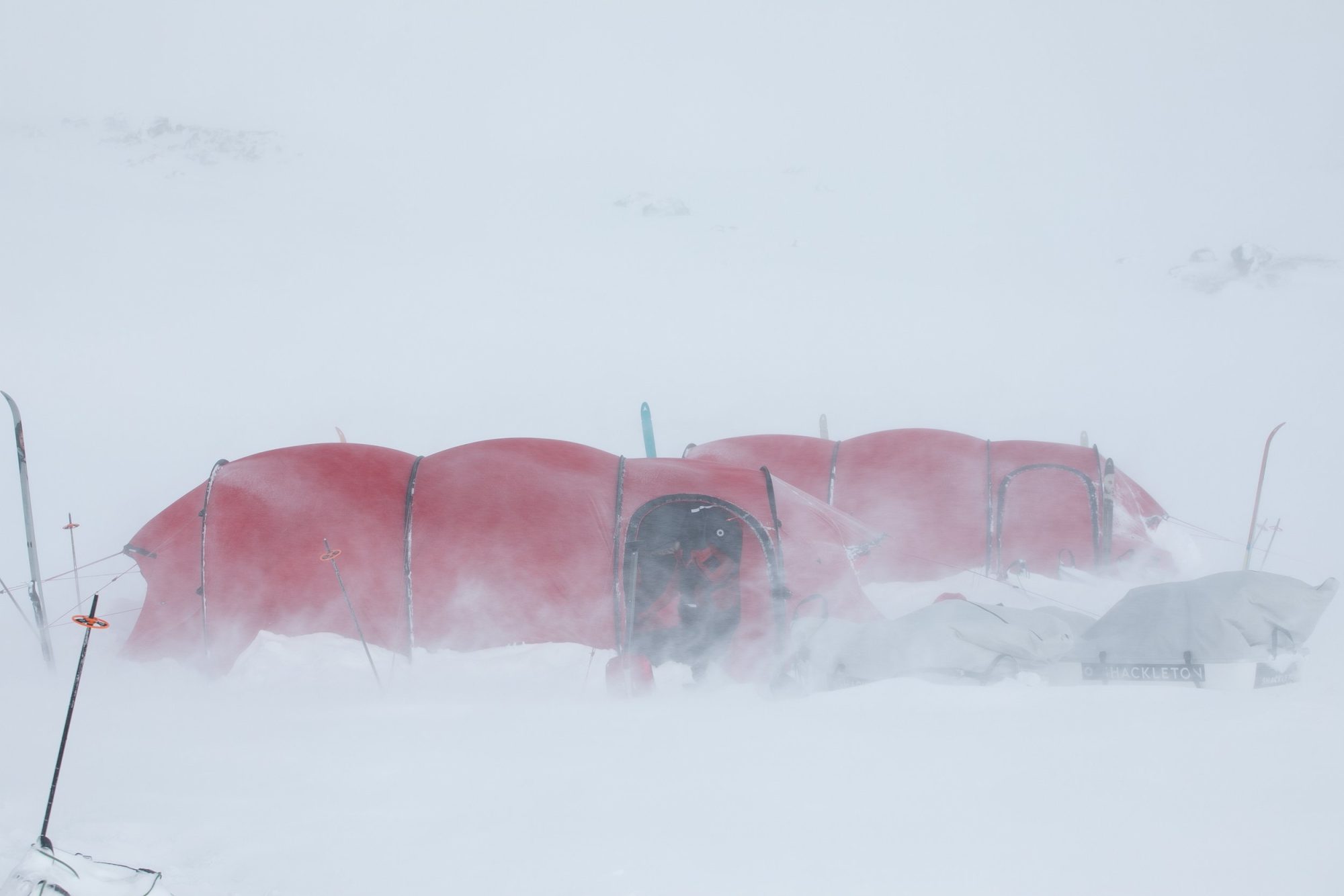
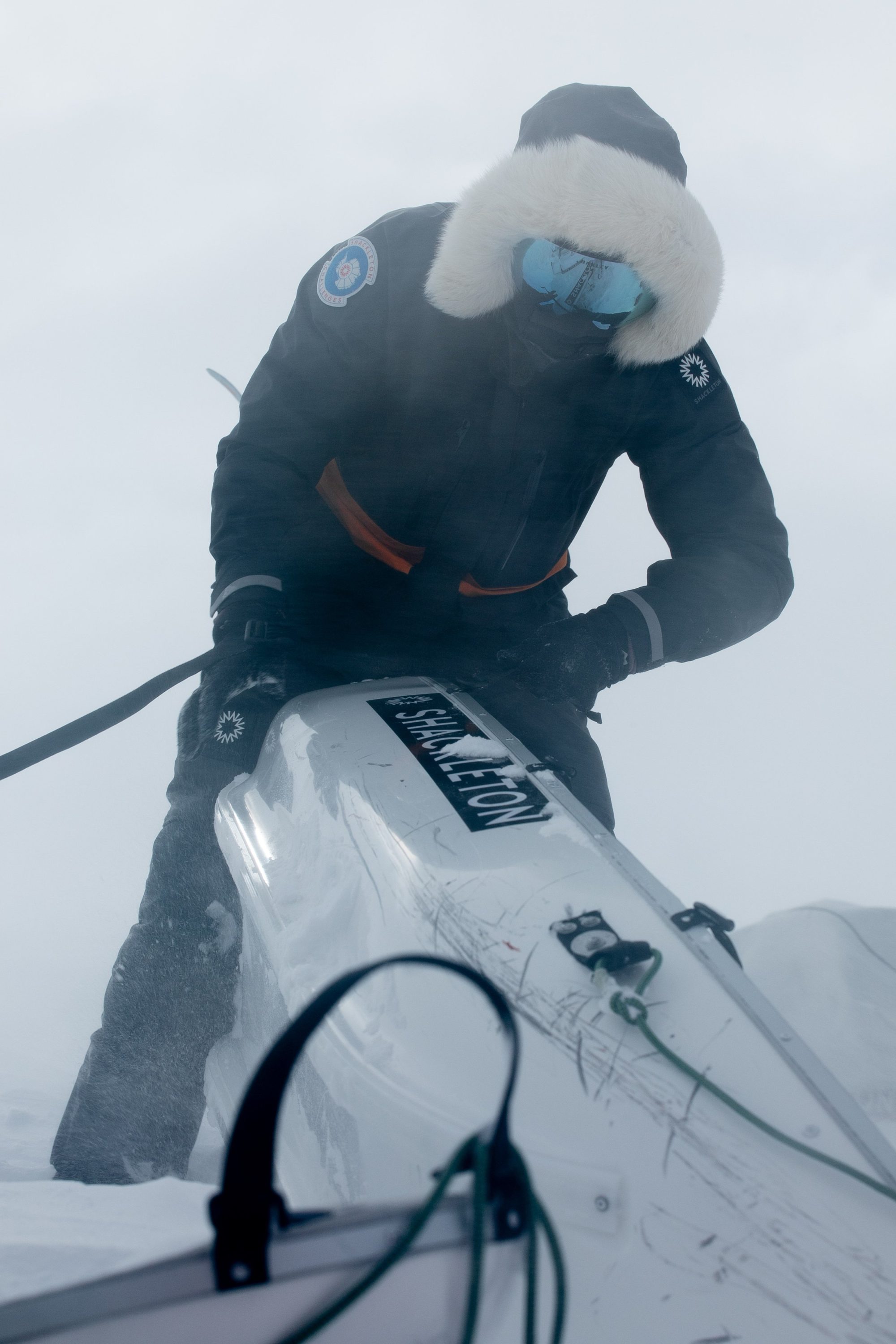
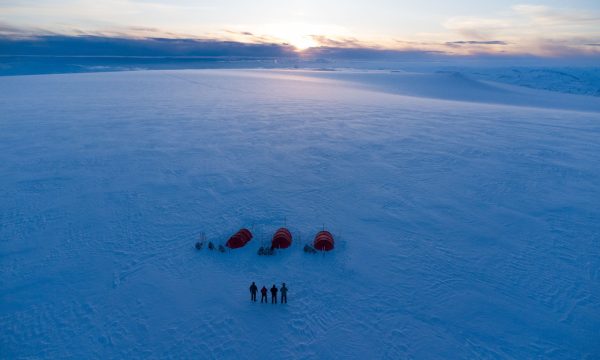
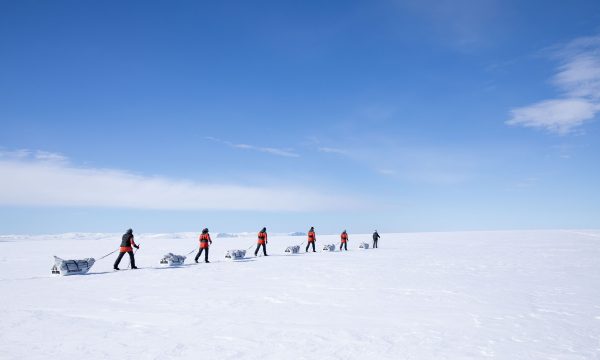
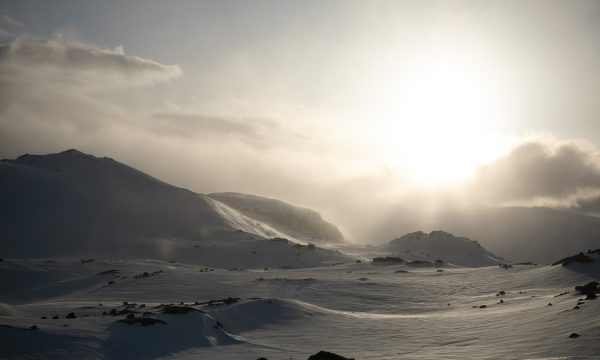
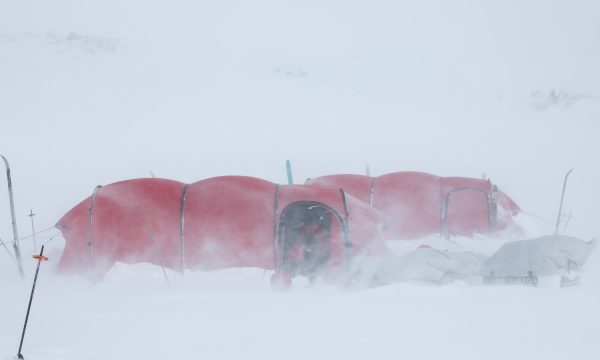
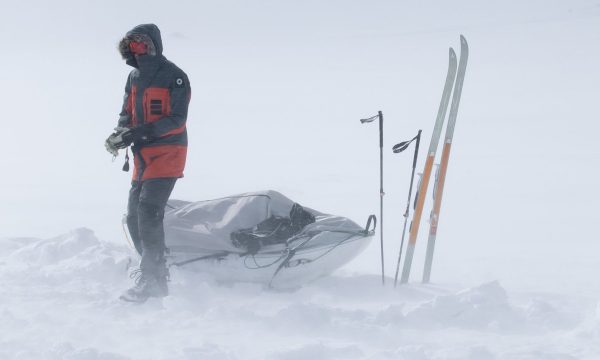
In outdoor storytelling, what really resonates with people isn’t a perfect sunset or a glossy action shot—it’s human emotion. It’s exhaustion at −30°C in a tent. It’s fumbling with numb fingers during a snowstorm while still trying to capture the moment. Those experiences can’t be manufactured.
The future of outdoor creativity will belong to people who can show genuine stories—things so raw and remote that no one would ever assume AI created them.
Q: You’ve been in some extreme expedition conditions. How do those moments shape your creative process?
Amelia: In the moment, it’s pure improvisation. You act fast, get whatever shot you can, and sometimes you can’t even look at the footage until much later because the pressure was so intense.
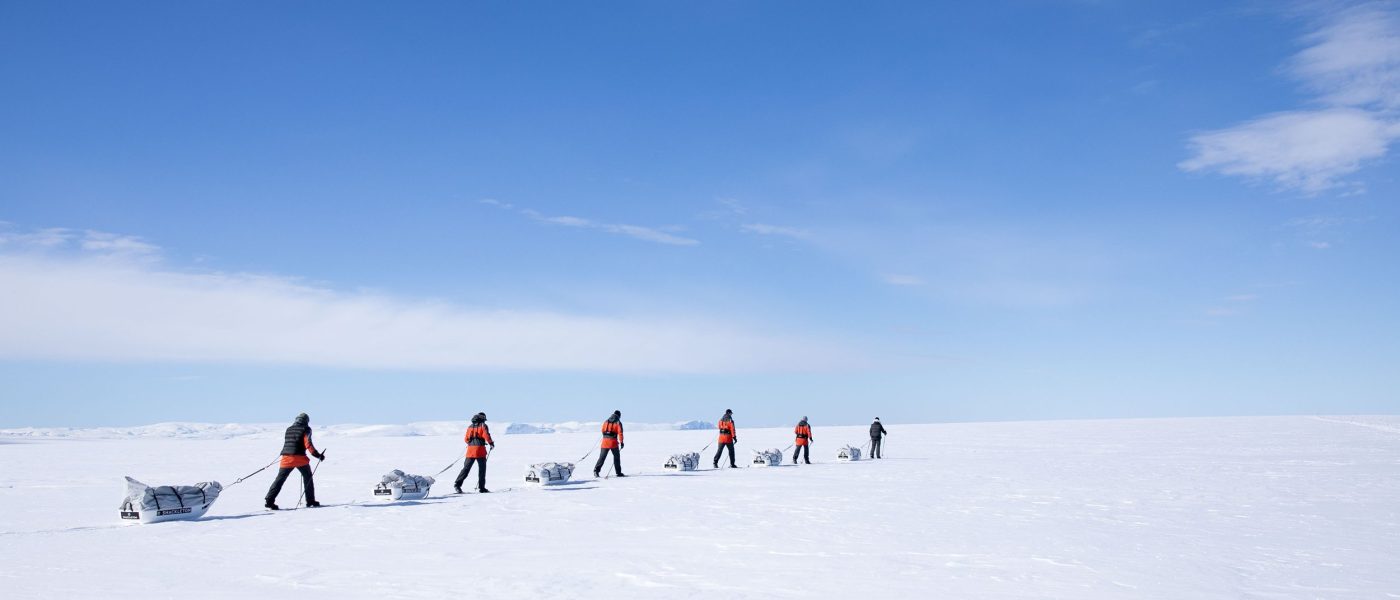
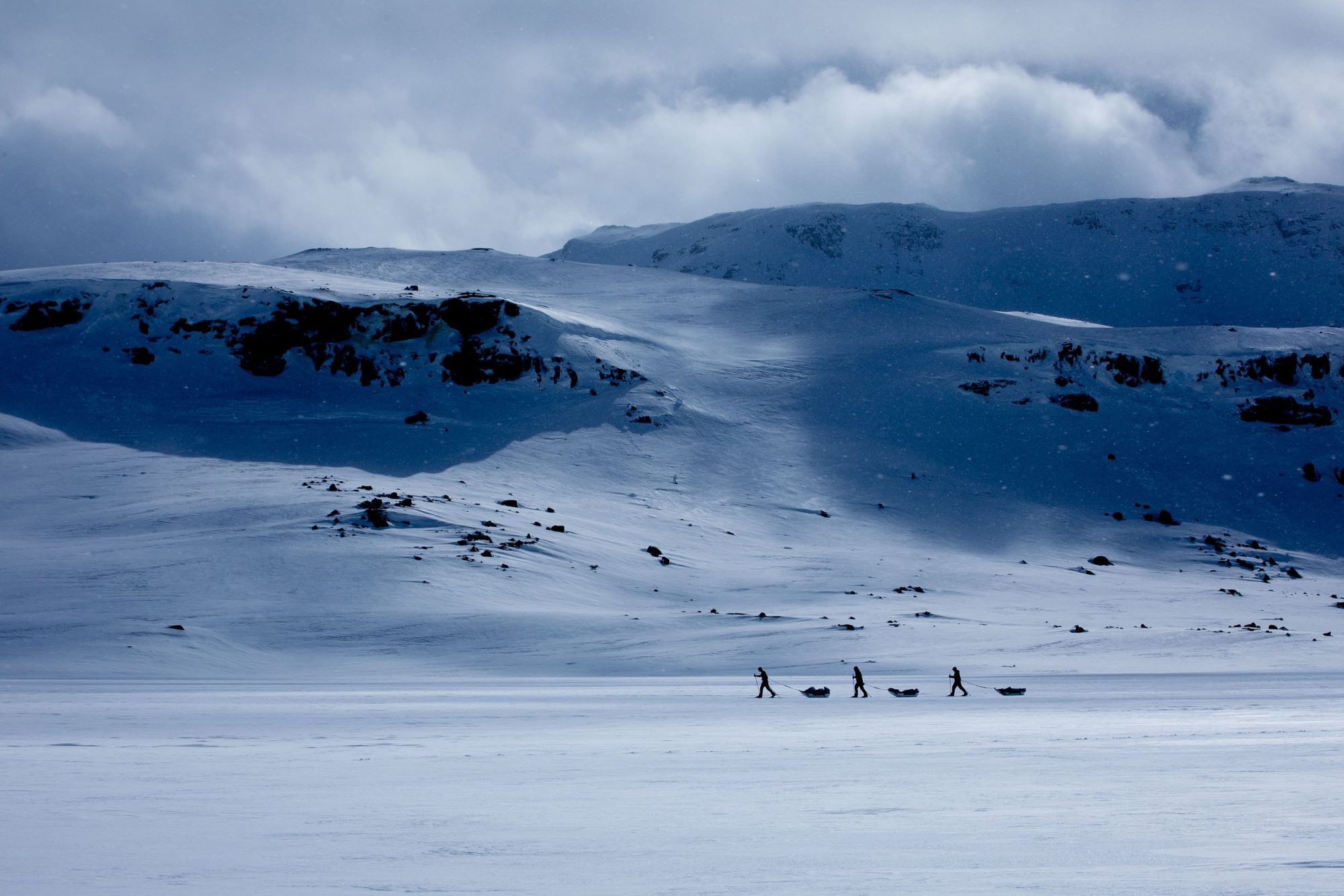
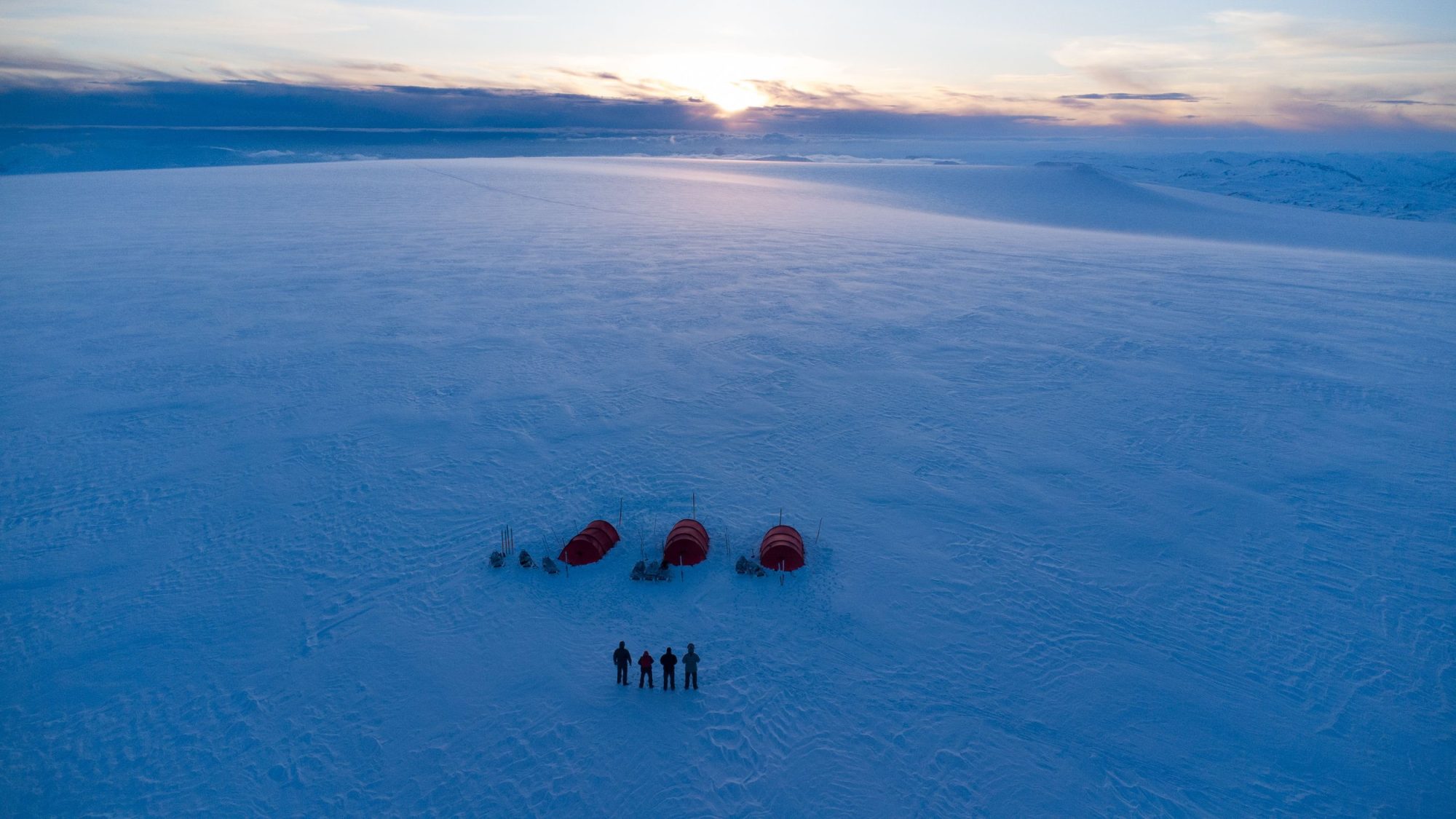
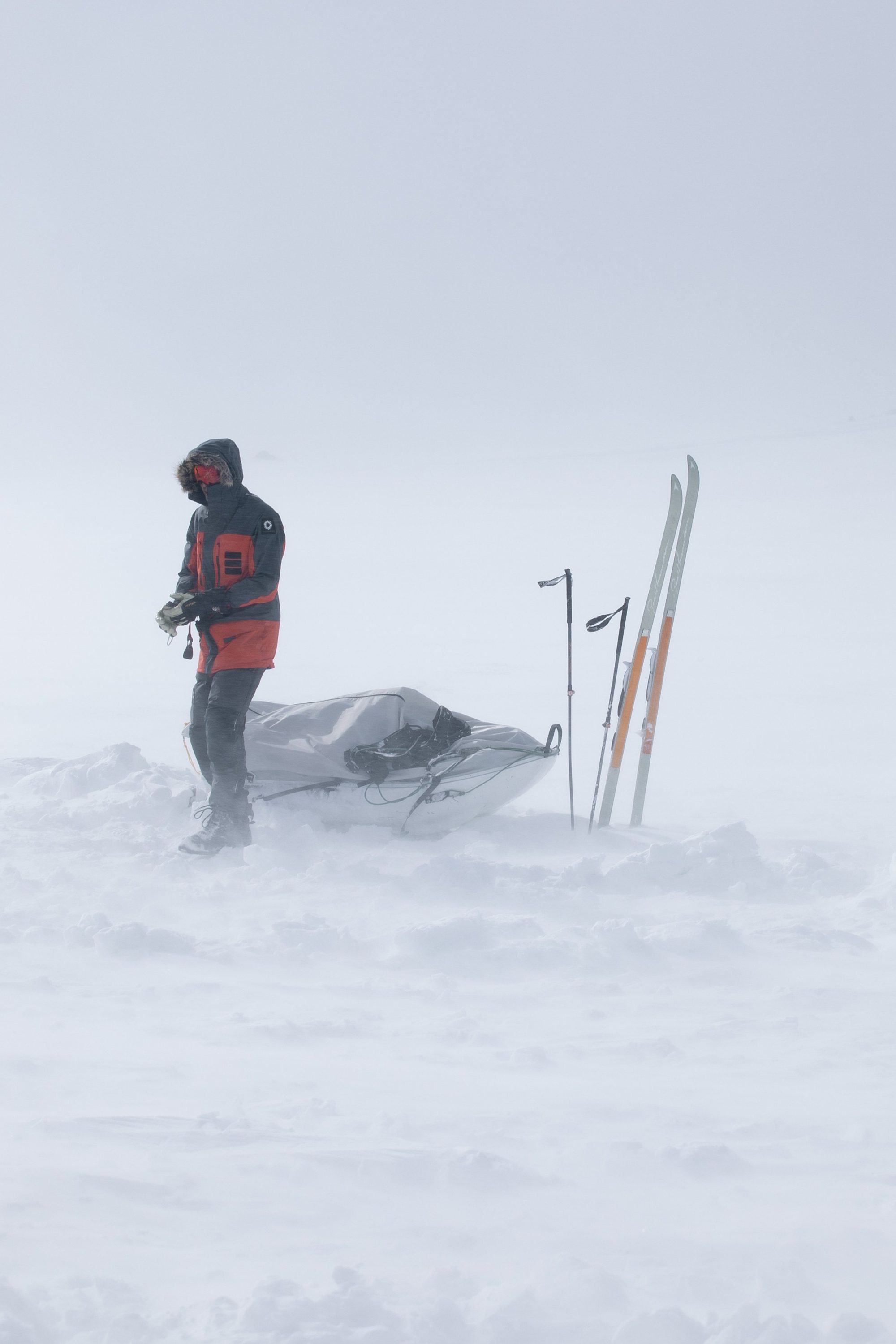
I’ve shot in blizzards hands frozen while panting into the microphone, trying not to lose a drone while battery levels drop. But those are often my favourite shots—because people see them and go, “Bloody hell, that looks hard.” And it was.
Extreme conditions create imperfect, shaky, beautiful footage that puts people right in the moment.
Q: How do you balance safety, creativity, and actually enjoying the experience you’re documenting?
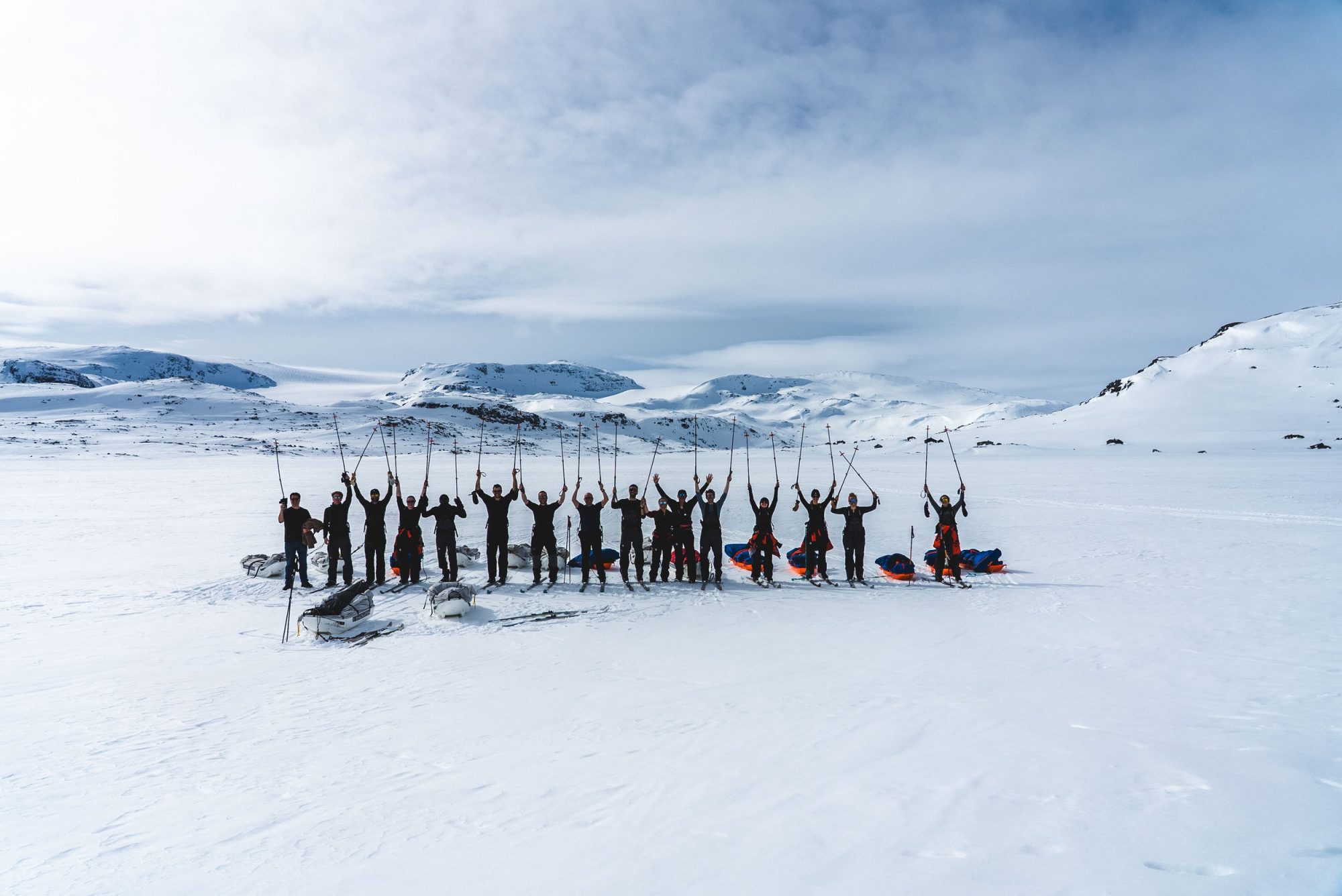
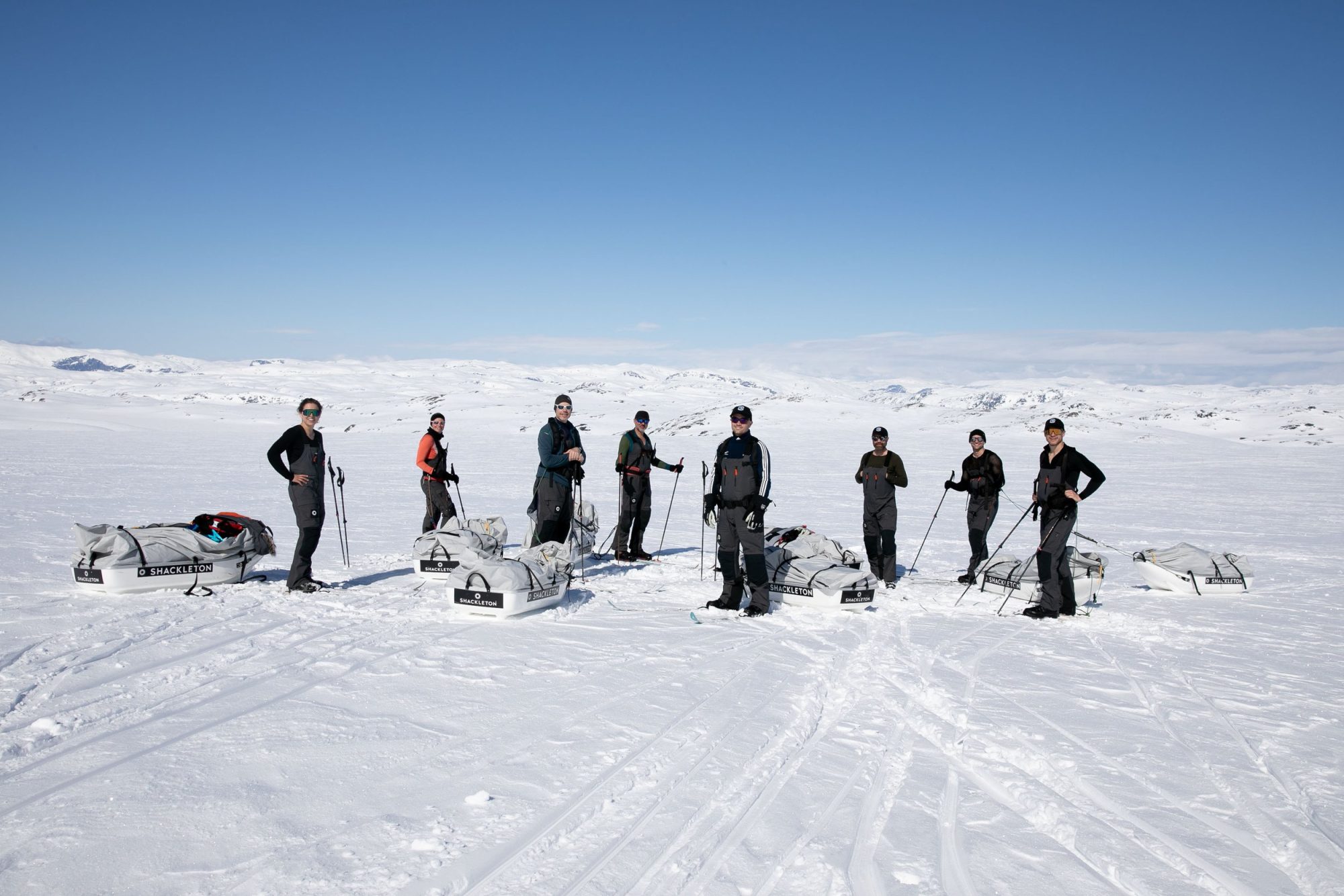
Amelia: It’s a constant judgement call. On expedition, I’m still part of the team—I help put up the tent, cook, navigate. So I balance responsibilities with capturing the story.
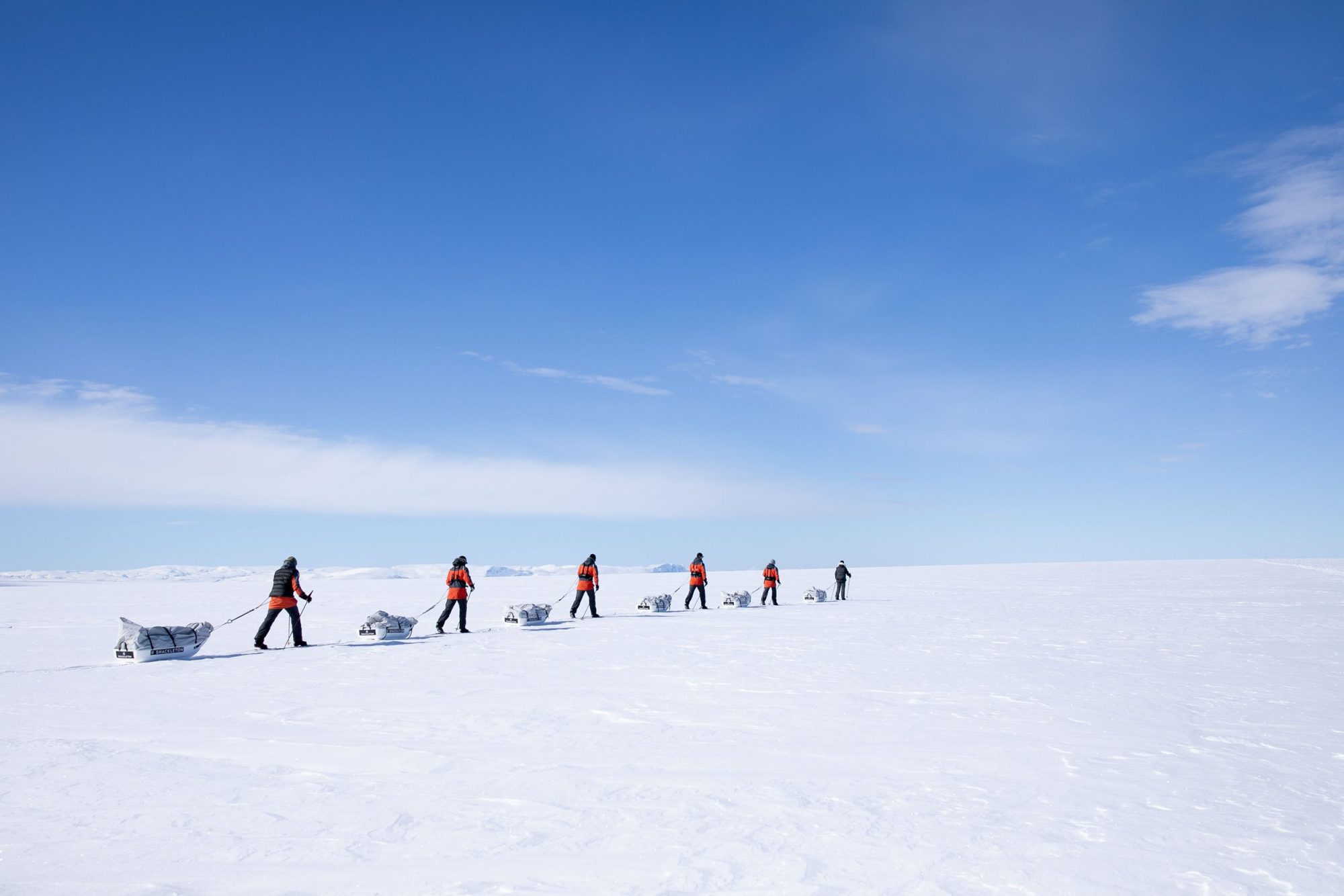
To stay present, I often ski ahead or drop behind to get a moment alone to take it all in before shooting. Yes, it means I do double the distance sometimes, but it helps me experience the place, not just document it.
Q: You’ve built creative projects from scratch, including your own outdoor brand. How did that shape your path?
Amelia: I started a tiny outdoor clothing brand in my final year at university. It was just me, my brother, and my parents packing orders. I had no idea how to scale a business, but building the community and creating the content was incredible.
That experience led to my first professional job—thanks to growing an organic audience of about 10,000 people in a year, which back in 2015 was pretty good! Eventually the brand became too much to run alongside full-time work, but it taught me a lot and nudged me toward where I am now.
I’ve always just followed what felt right creatively and outdoors-wise—not a strict career plan. It’s turned into a pretty fun and unexpected journey.
Dyking Boots
Q: Dyking Boots has become a well-known queer hiking community in the UK. What sparked its creation?
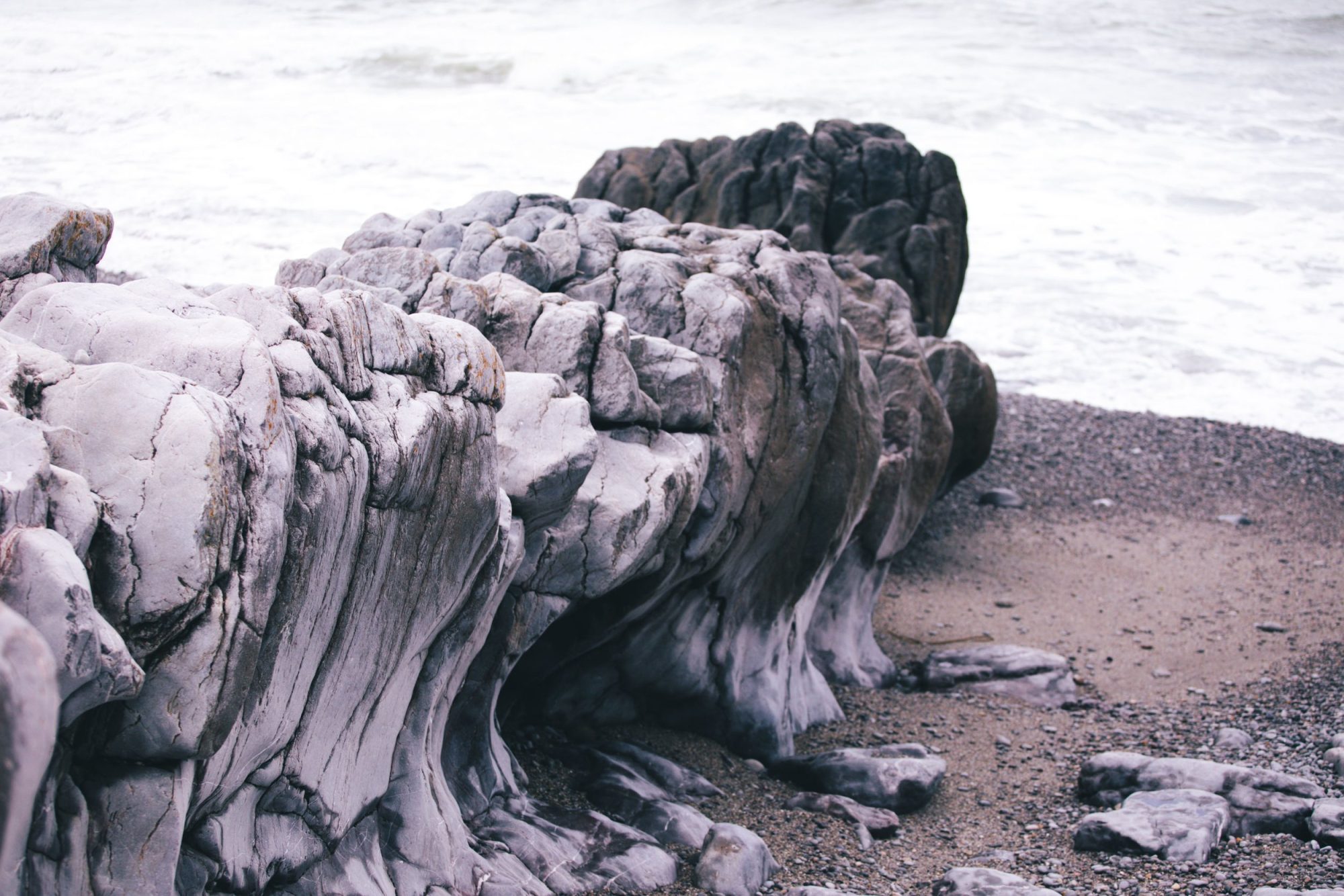
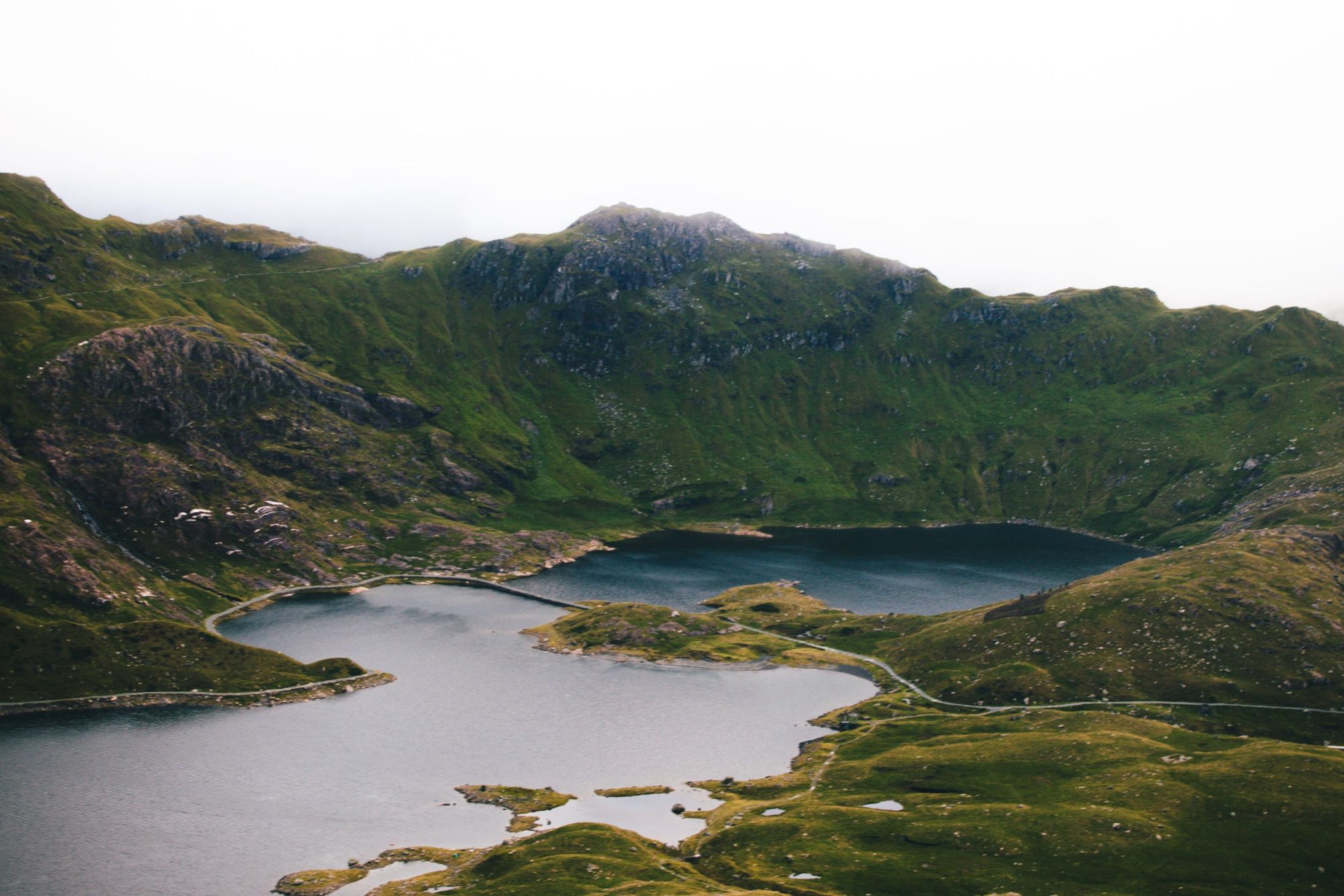
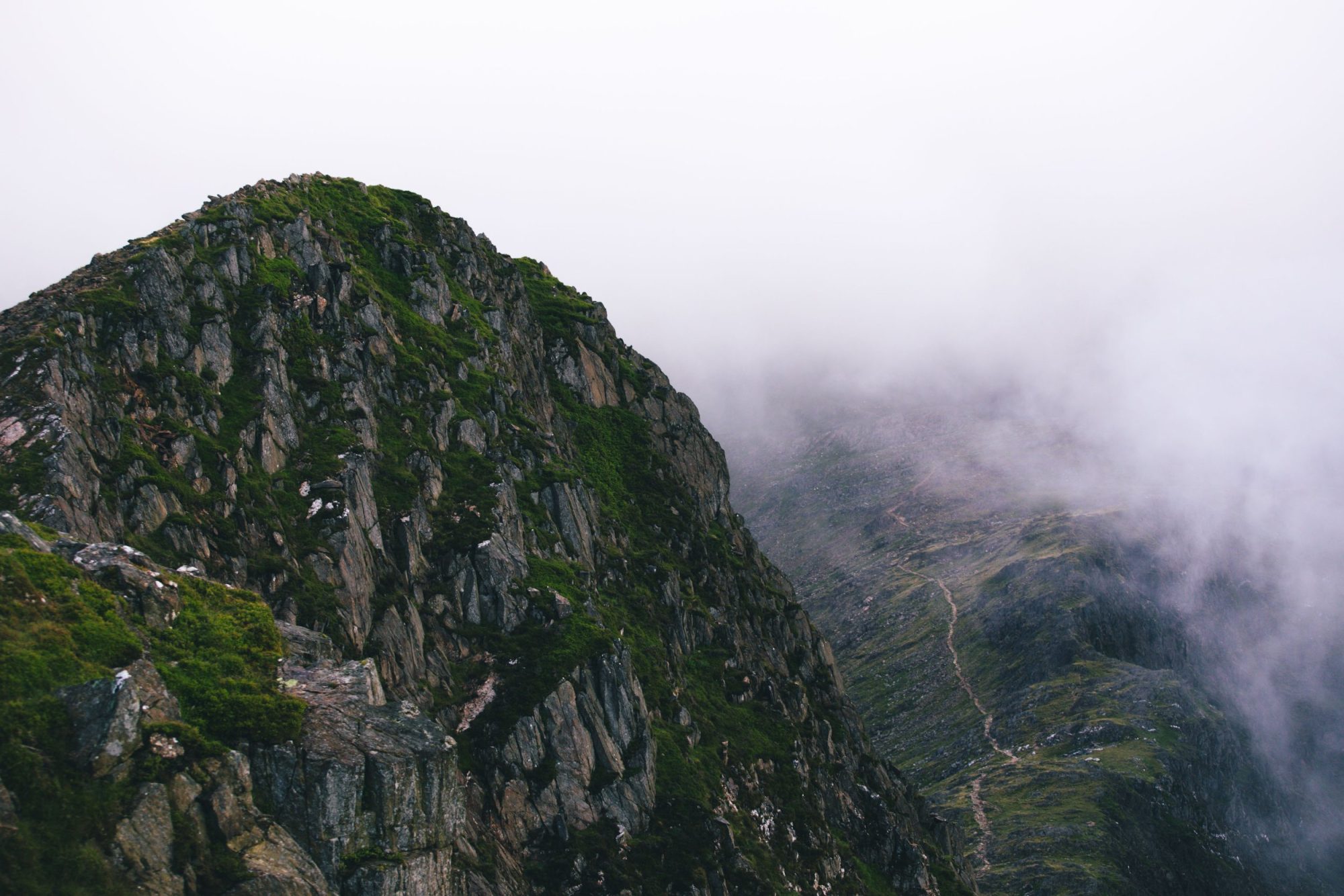
Amelia: It really began when I moved to Brighton. It’s an incredibly queer city, but so many queer events still revolve around nightlife, clubbing, drinking—the stuff I’m not very into. My friend, who had experience running other community groups, mentioned wanting to start something outdoors-focused to meet like-minded people.
They were great at organising; I was great at the outdoors. So I ended up planning the routes and leading the hikes. And honestly, it grew unbelievably fast. We had about 50 people signing up every month. It turns out a lot of queer people were craving exactly the same thing: community without pressure, noise, or a hangover.
Eventually it became too much for the two of us, and now we have an amazing committee supporting us. It’s become such a wholesome, rewarding community—one I feel really proud of.
Q: What have you learned about queer belonging and visibility through Dyking Boots?
Amelia: That the demand is huge. People form beautiful friendships through it. For some, it’s been a nudge to get back outdoors after feeling unfit or out of practice for years. Others have felt confident enough to try new routes, buy new gear, or join trips they’d never attempt alone.
There’s something grounding about being outdoors as your full queer self. Queerness shouldn’t be political, but in many places it still is. Nature offers this sense of peace—where you can be completely authentic, surrounded by people who get it. That’s what keeps people coming back.
Q: What advice would you give queer people who want to start grassroots outdoor projects?
Amelia: Have the confidence to just do it. If you want it, chances are others do too. “Build it, and people will come” is absolutely true.
Also—ask for help. Spread the love and the responsibility. A grassroots community should be a positive force, not something that drains you. Sustainability matters.
Brands and queer visibility
Q: Where do you think the outdoor industry still needs to grow regarding queer inclusion?
Amelia: There’s been huge progress in the last 5–6 years, but in some places things seem to be going backwards. Brands need to decide what they truly stand for—and commit to it year-round.
Supporting queer people shouldn’t begin and end with Pride month. It should include supporting grassroots groups, improving representation, removing barriers to entry, and acknowledging queer identities in the outdoors authentically—not as a marketing gimmick.
Q: Speaking of authenticity—how can outdoor brands support queer initiatives like Dyking Boots without tokenism?
Amelia: Year-round support is key. Not just putting a rainbow on something in June. Supporting scholarships, amplifying queer individuals, partnering with grassroots organisations—these things matter.
Representation doesn’t have to dominate the story, but acknowledging when someone in the outdoors is queer, in a genuine way, goes a long way in helping people feel seen.
“Being able to bring my full queer identity, my creativity, and my love for the mountains into one space—that’s the dream”
Q: Let’s talk about your outdoor journey. What’s been your biggest challenge so far?
Amelia: Capturing content while actually doing the adventure. Filmmaking adds a whole new layer of difficulty—hauling cameras, shooting in bad weather, keeping batteries warm, all while still being part of the team.
Q: And your most memorable outdoor experience?
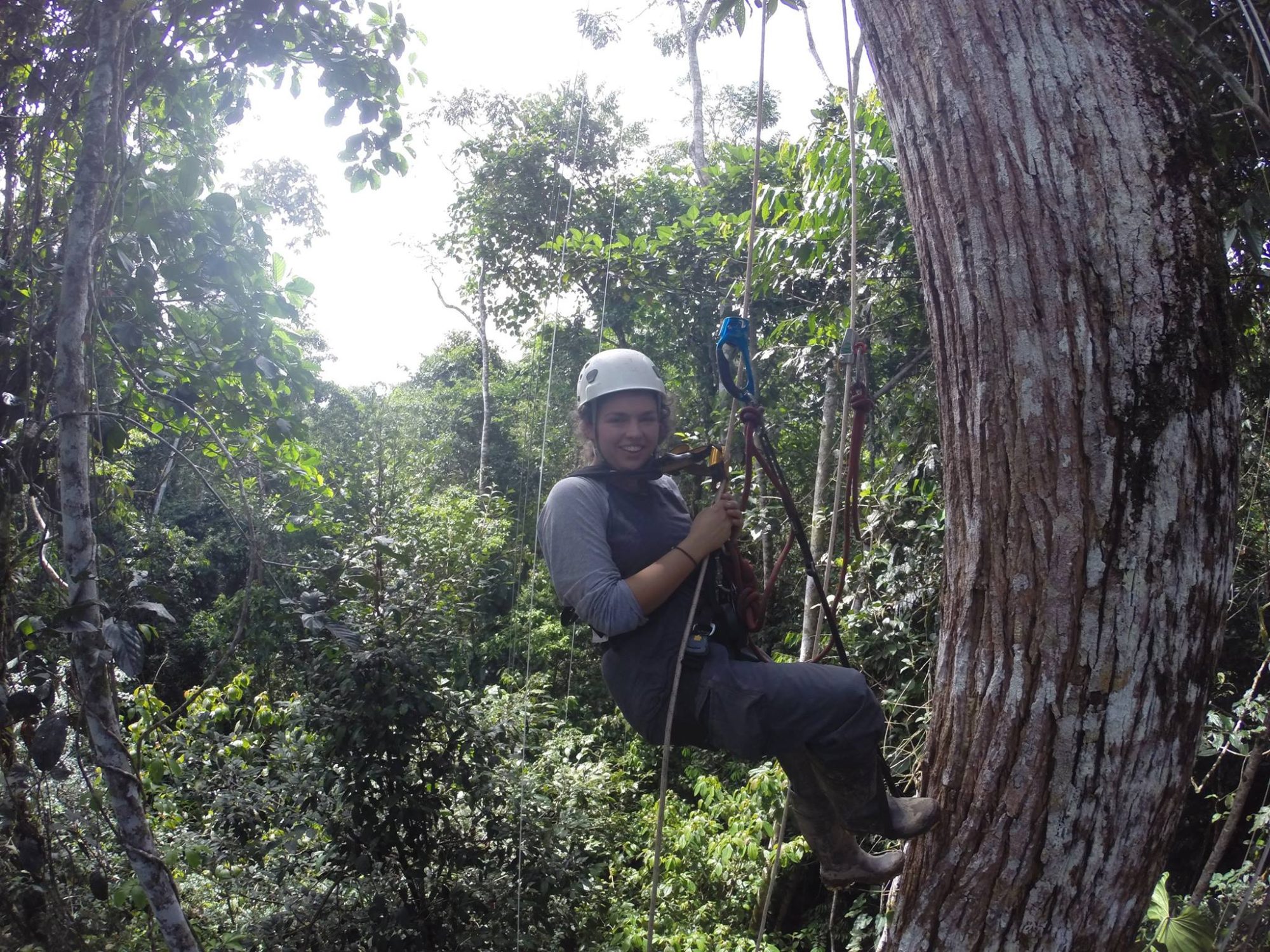
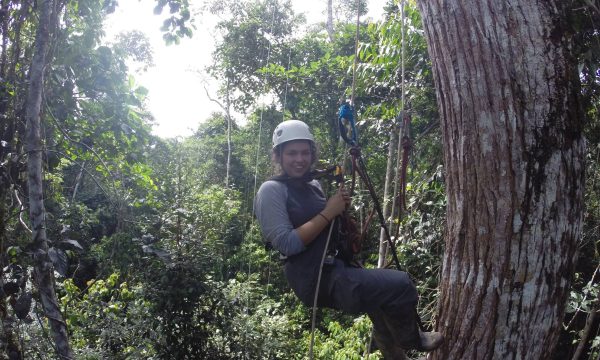
Amelia: Honestly, the first thing that came to mind was learning to climb enormous trees in the Amazon rainforest during a year I spent living in Peru. We used a slingshot to fire ropes over the branches, then ascended using chest ascenders—it was wild. A very niche but unforgettable memory!
Q: You often mention the importance of your adventure partners. Can you tell us about them?
Amelia: I’m lucky to have brilliant friends in Brighton—people I climb, bike, ski, and hike with. Some I met through Dyking Boots, others through work. My flatmate, who’s also one of my best friends, is my main adventure buddy. It’s rare to find people you trust completely and have loads of fun with, so I’m grateful.
Q: What’s next for you—creatively and adventurously?
Amelia: I’m building my climbing skills. I want to do exposed ridge routes in Chamonix and eventually summit some bigger peaks.
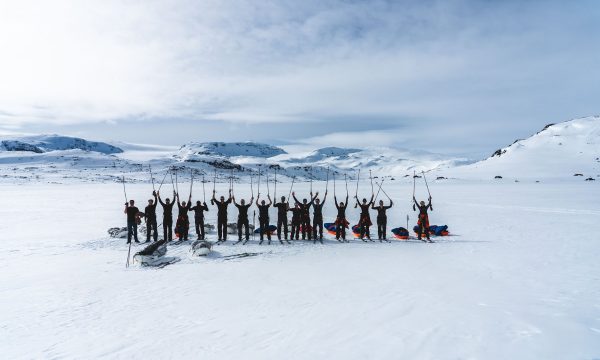
Adventure-wise, I’m hoping to go to Kyrgyzstan next year for hiking and horse-packing (Note from Q: Amelia received Pink Summits scholarship 2025 sponsored by Osprey Europe and she will join the expedition team to Lenin Peak). I’ve also been invited to join a women’s Svalbard crossing and make a film about it, which would be my first longer project as a director—if I can get the time off work! I’d also love to go to Antarctica.
More climbing, more mountaineering, and more filmmaking—that’s the direction everything’s heading, and it finally feels within reach.