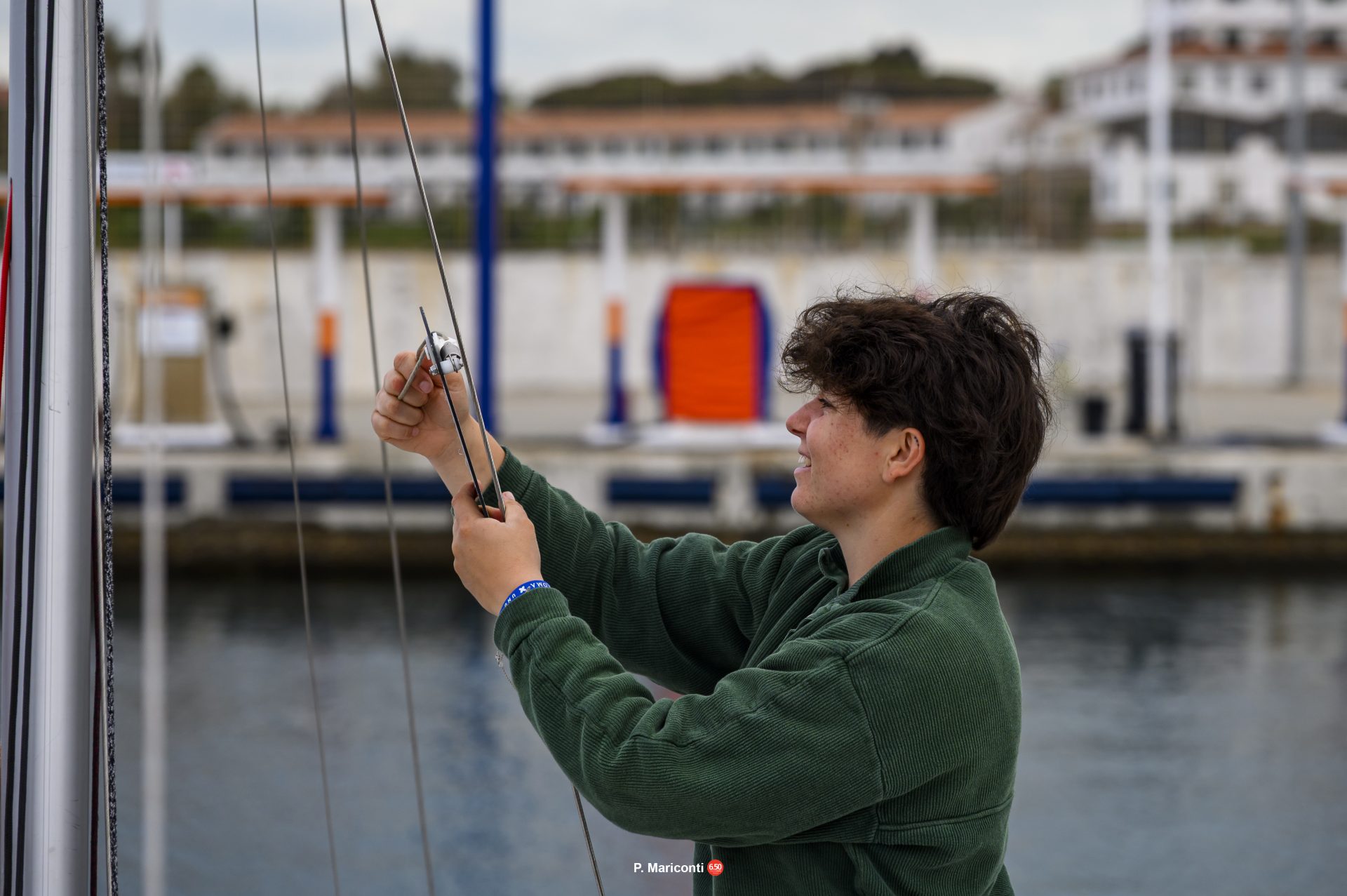
About Nico
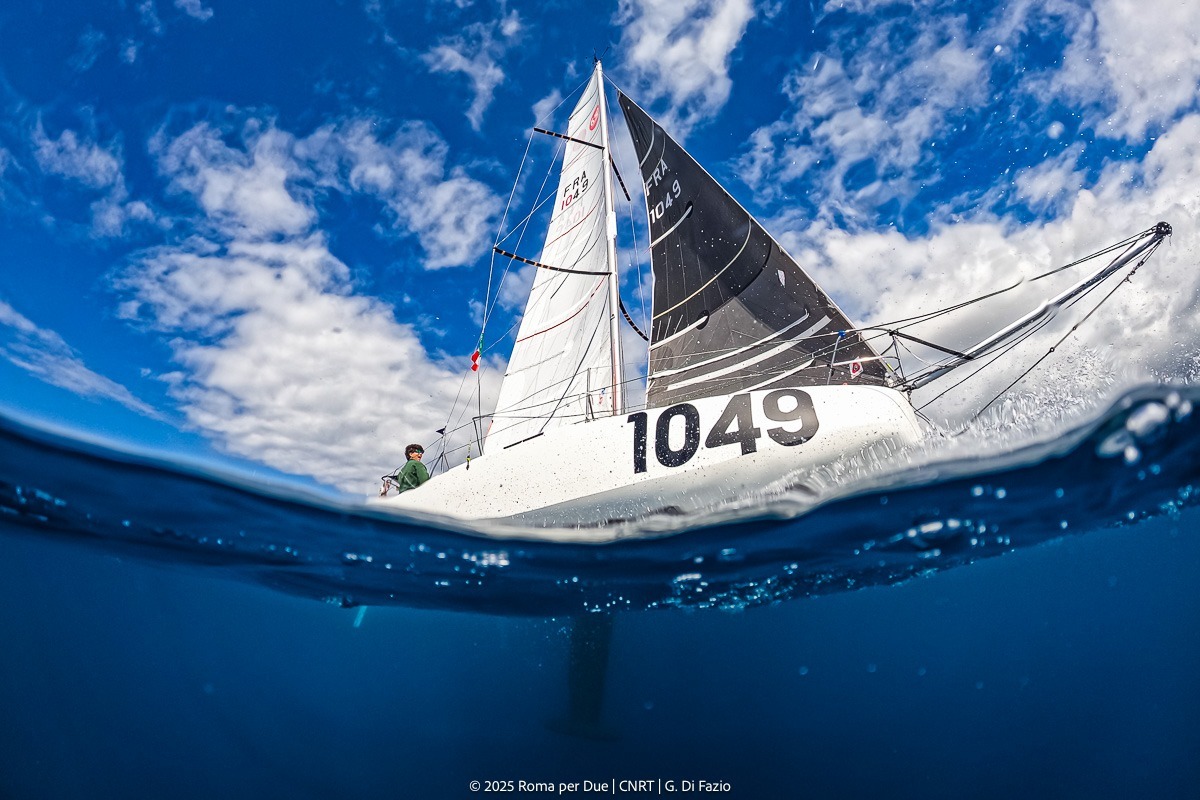
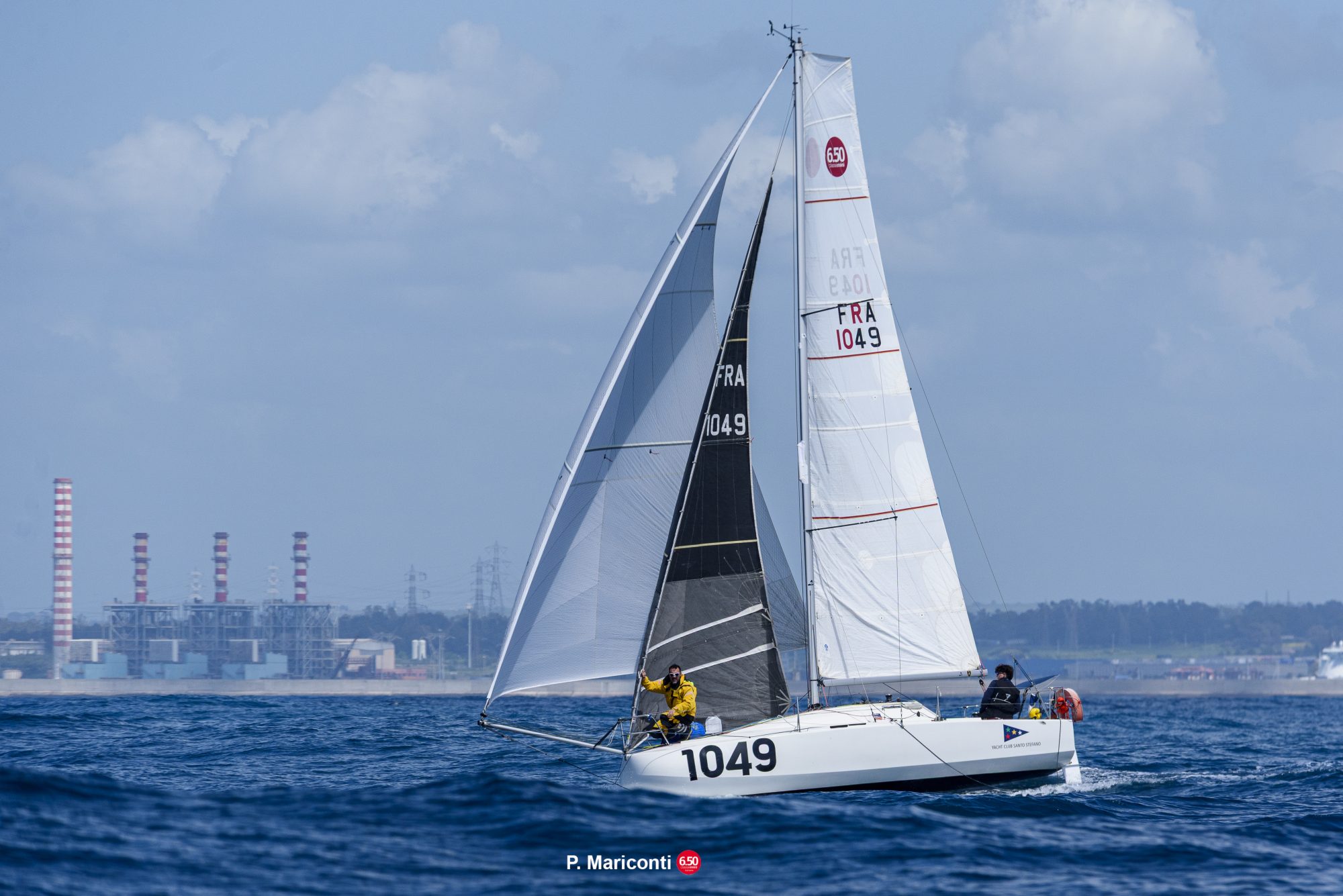
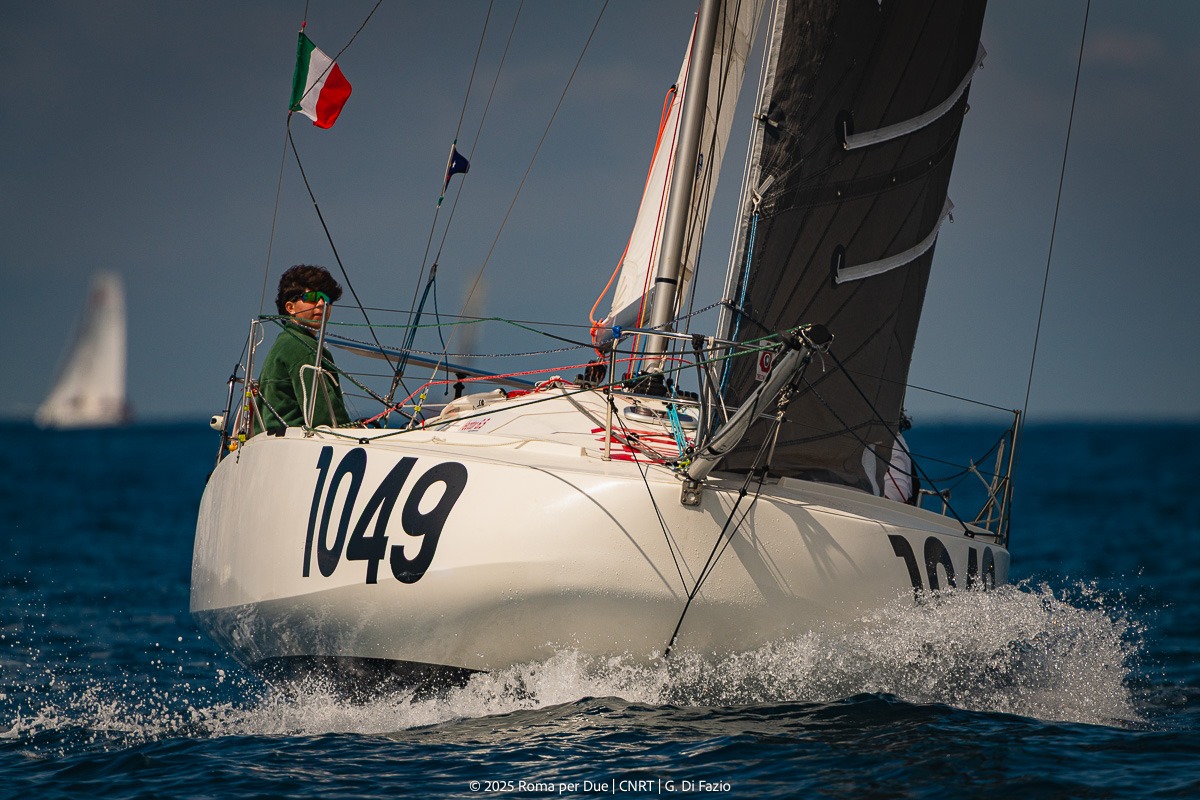
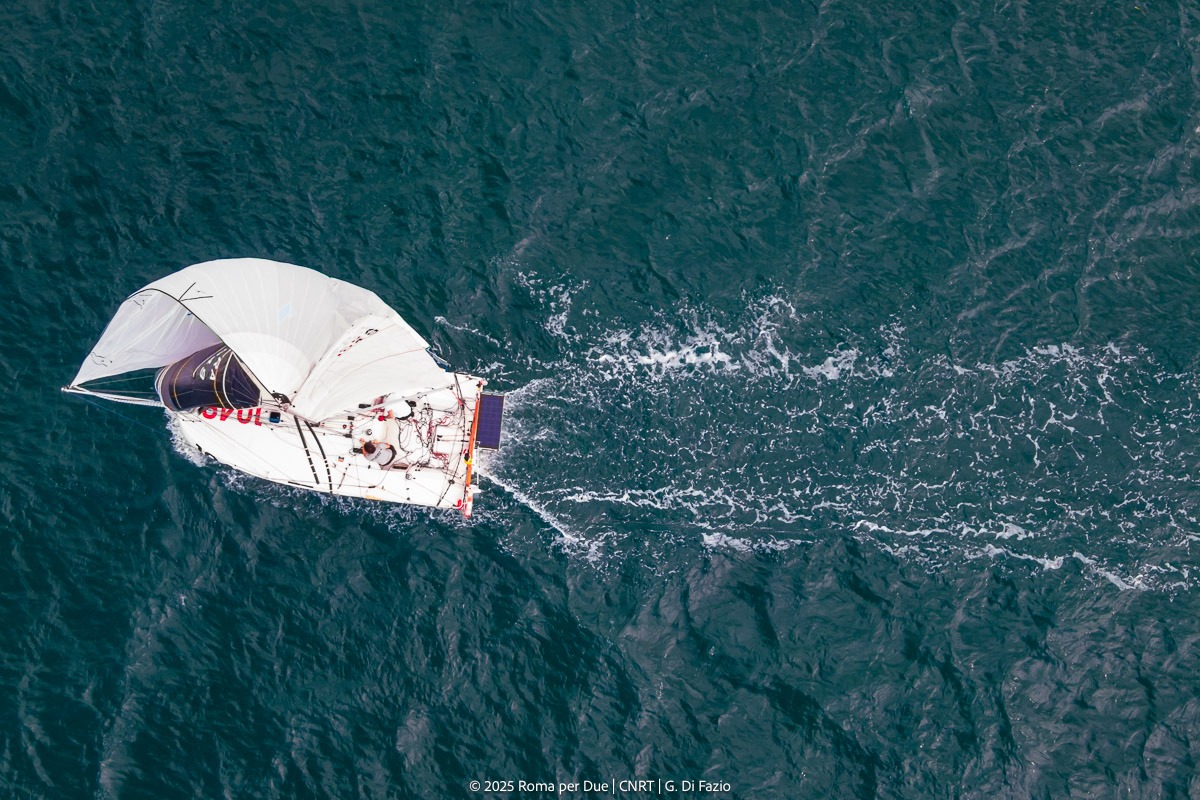
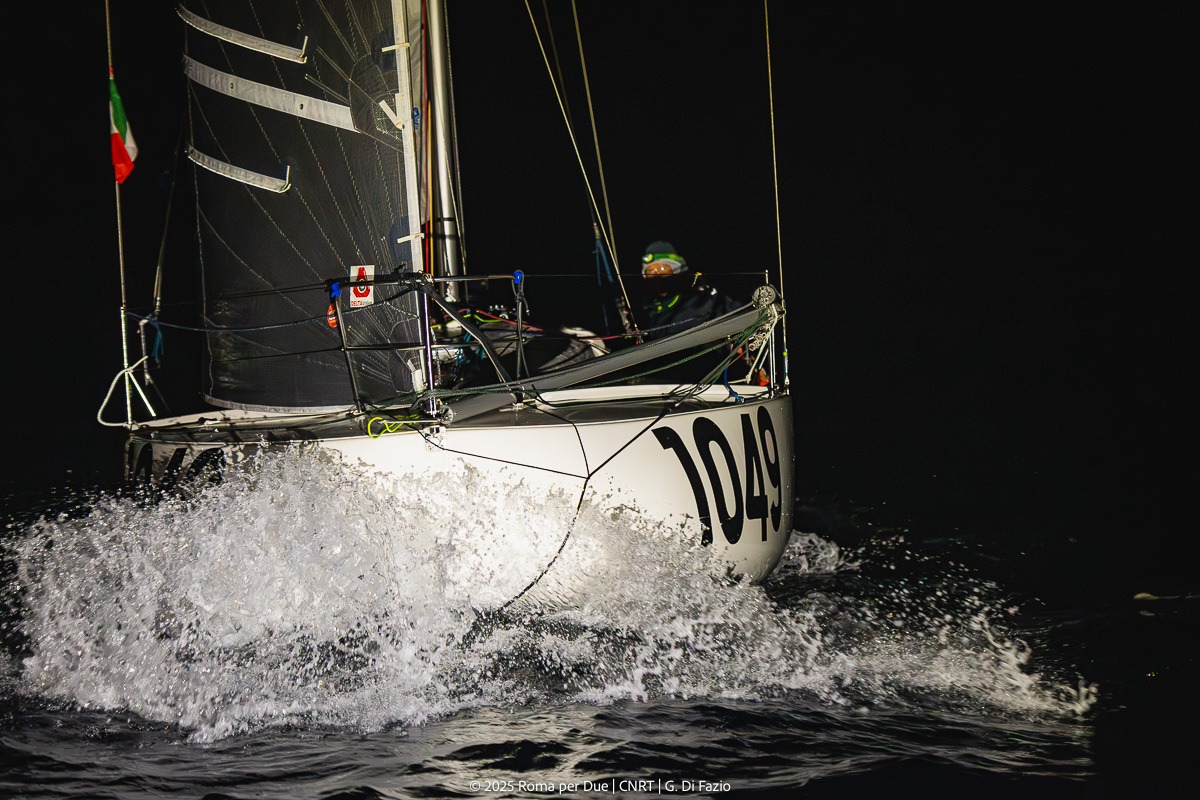
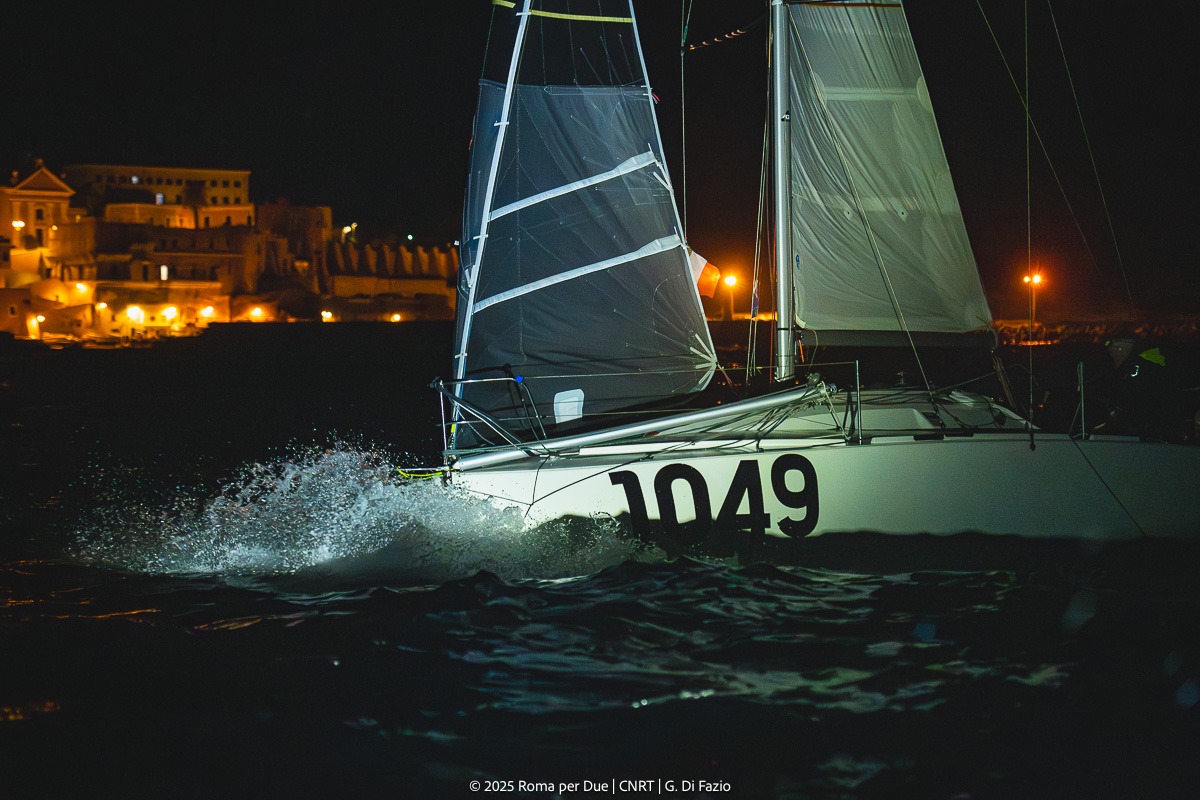
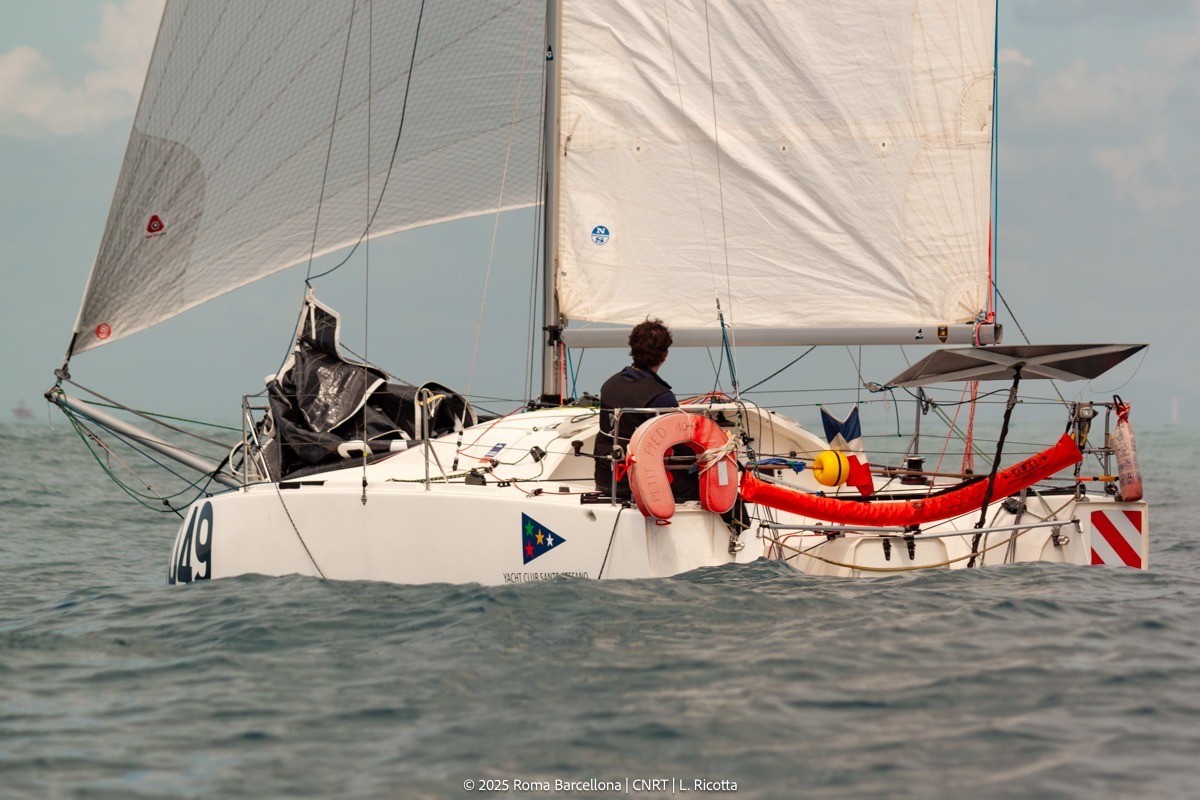
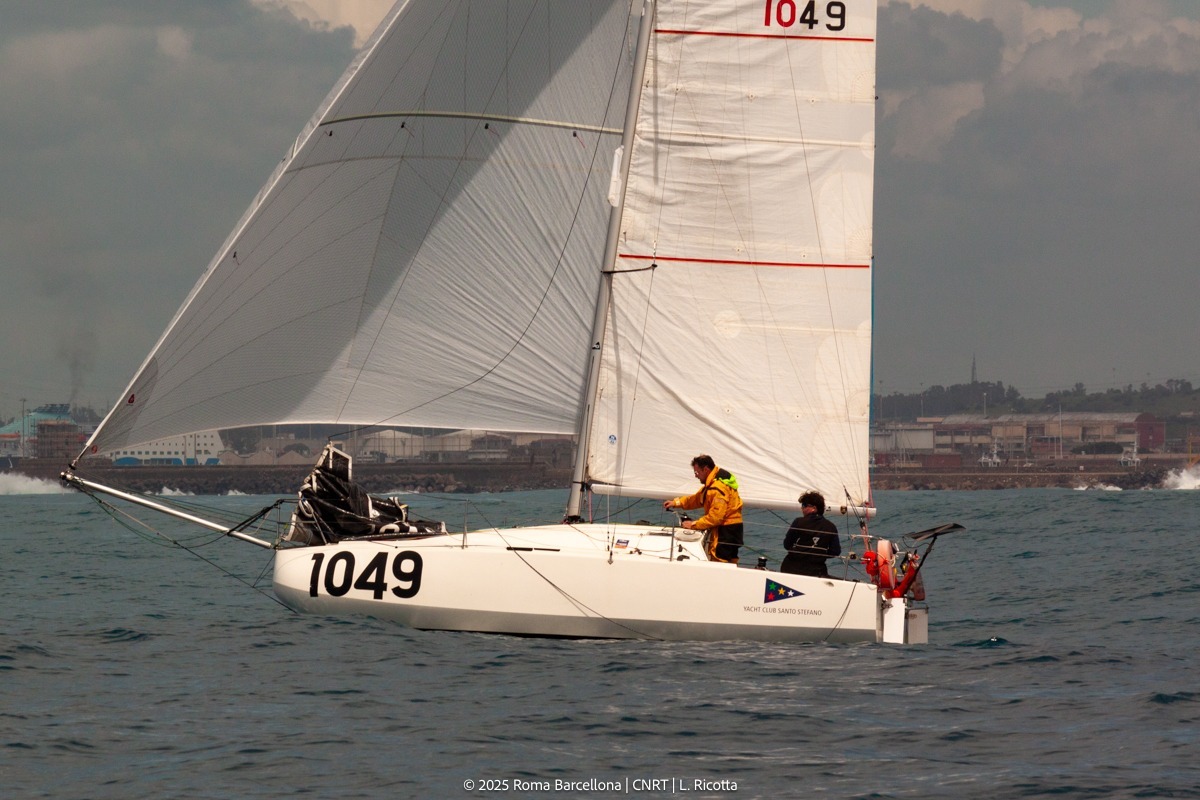
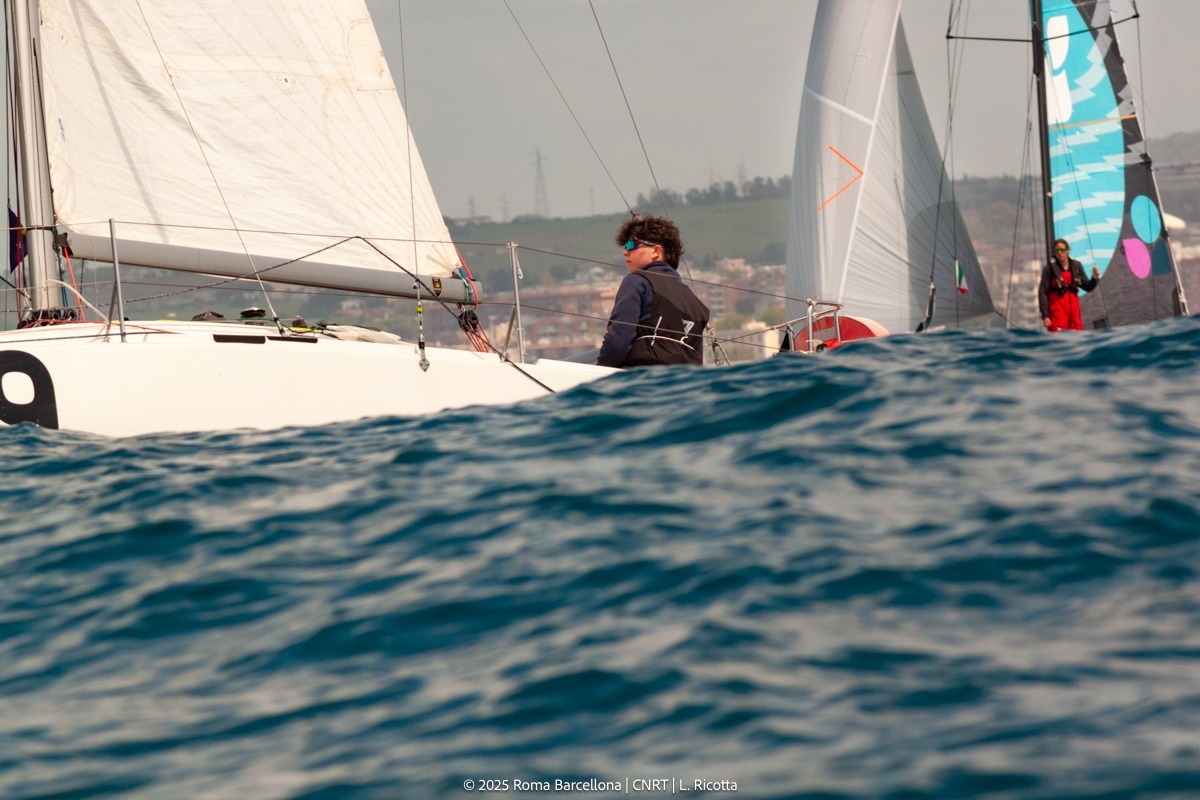
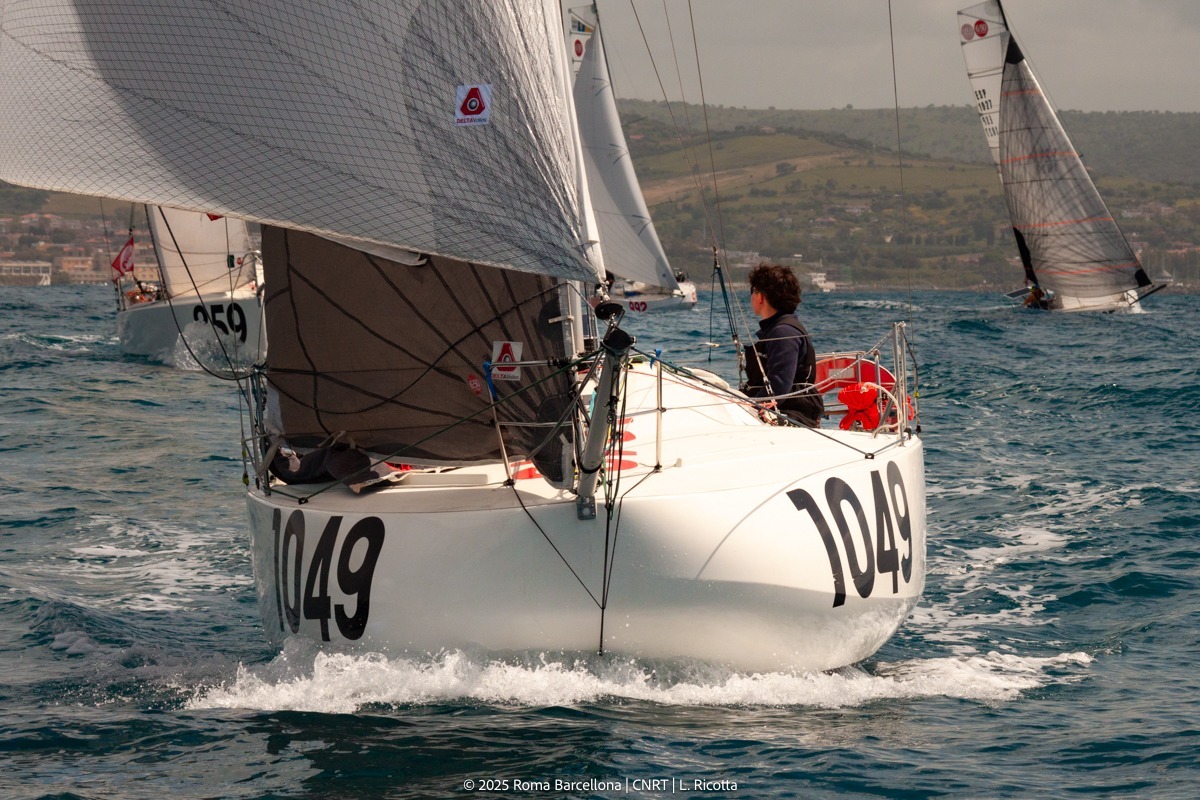
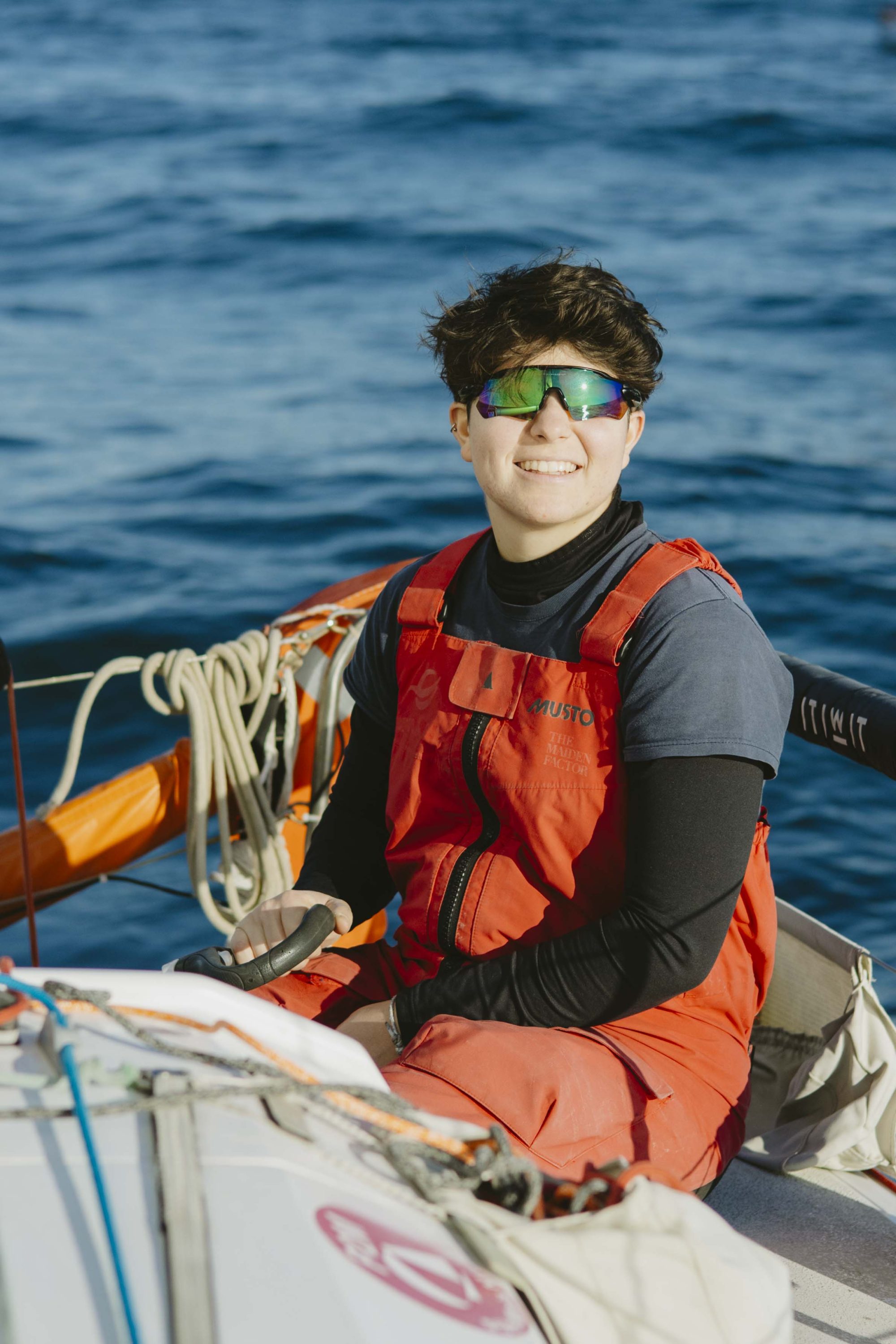
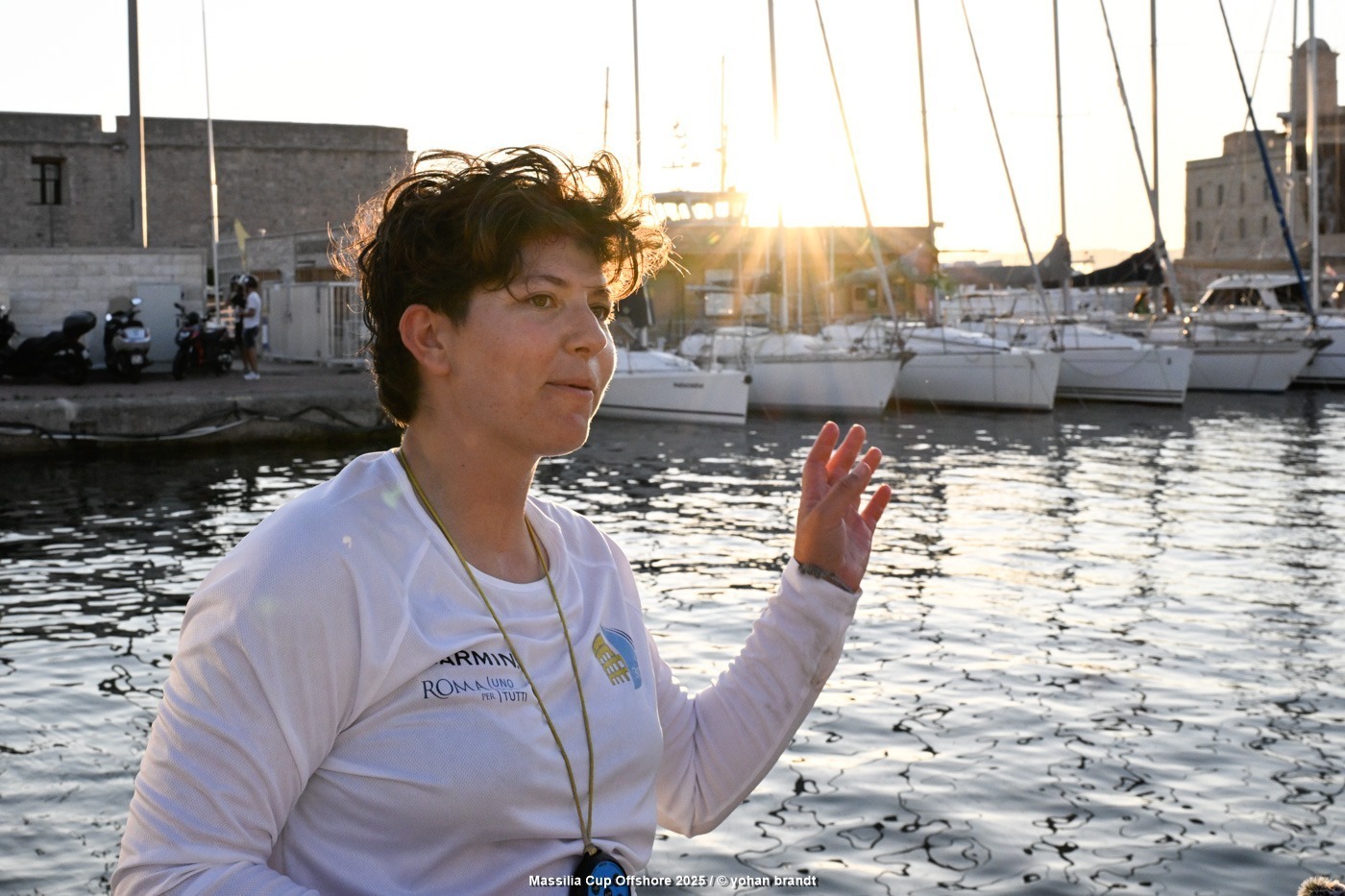
Nico Onore is a non-binary ocean sailor from Italy and the skipper behind Racing Against the Tide, a campaign leading toward the 2027 Mini Transat — one of the most demanding solo transatlantic races in the world. Sailing more than 4,000 miles solo on a 6.50-meter boat, the Mini Transat is a test of endurance, seamanship, and absolute self-reliance, and Nico has embraced it as both a sporting challenge and a personal calling.
Their journey blends high-performance offshore sailing with a commitment to increasing queer visibility in a sport where representation remains limited. By preparing for a race that pushes sailors to the edge of their physical and emotional limits, Nico is proving that authenticity and resilience can coexist — whether navigating the Atlantic or navigating identity. For them, the ocean is a rare place where being true to yourself becomes an advantage, not a barrier.
More than a competitor, Nico uses their platform to show that there is space for everyone on the water, especially those who have not always seen themselves reflected in the sailing world. Through Racing Against the Tide, they aim to inspire others, challenge expectations, and carve out a future where diversity and possibility can rise with every tide.
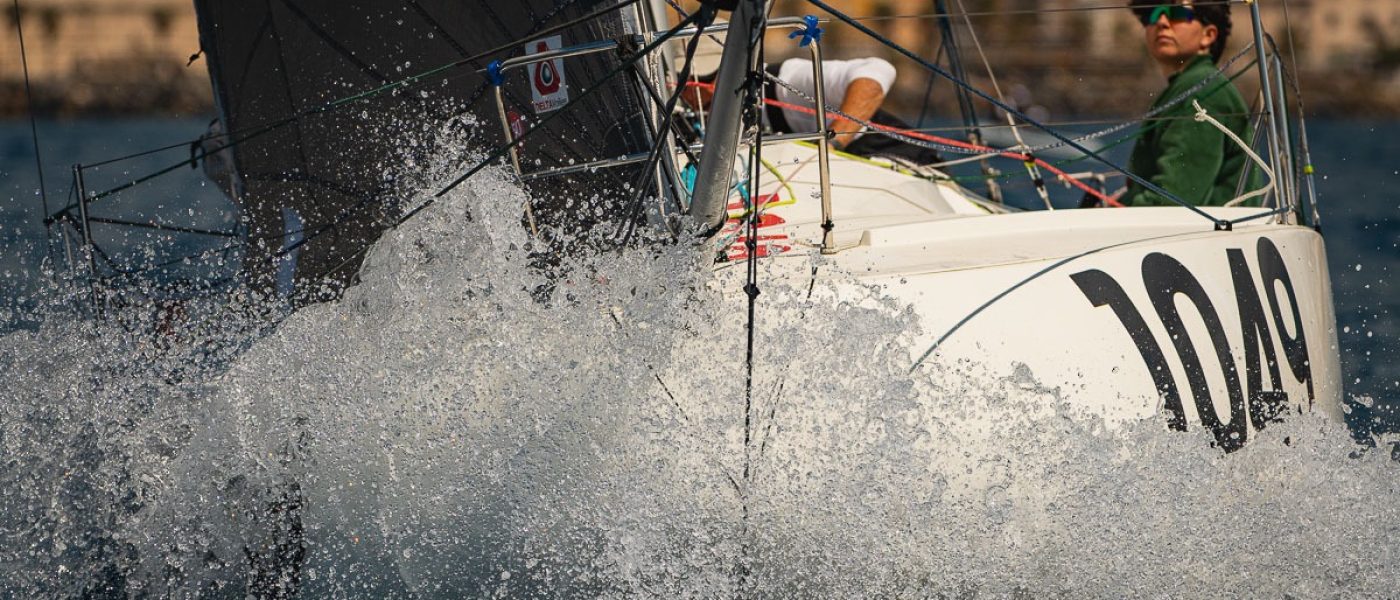
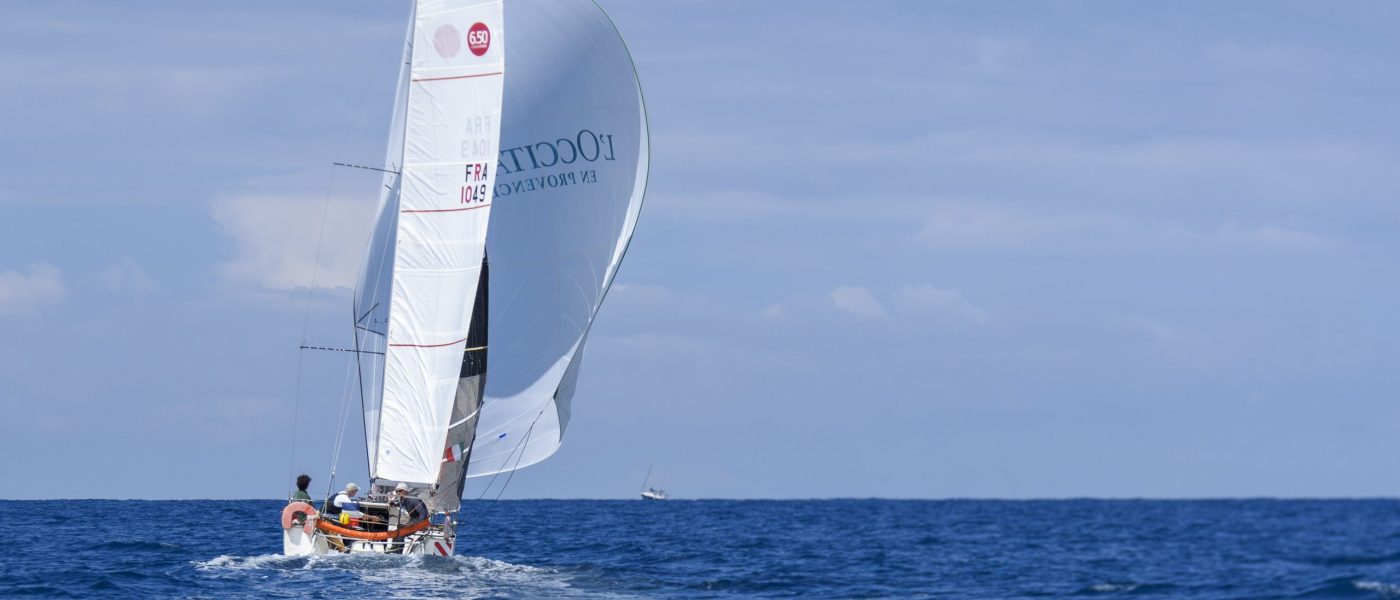
Breaking the Tide
Q: Nico, can you tell us a bit about yourself and your journey in sailing?
Nico: I’m non-binary and trans, and I’ve always had a deep love for sailing. Getting into the industry wasn’t easy—first as someone presenting as female, and later as a trans person—but the ocean has always called me back.
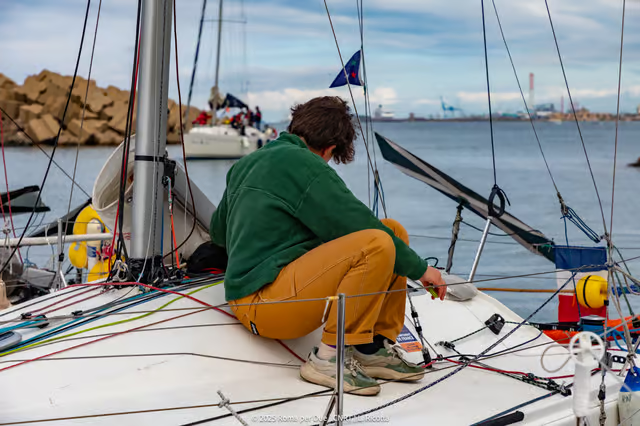
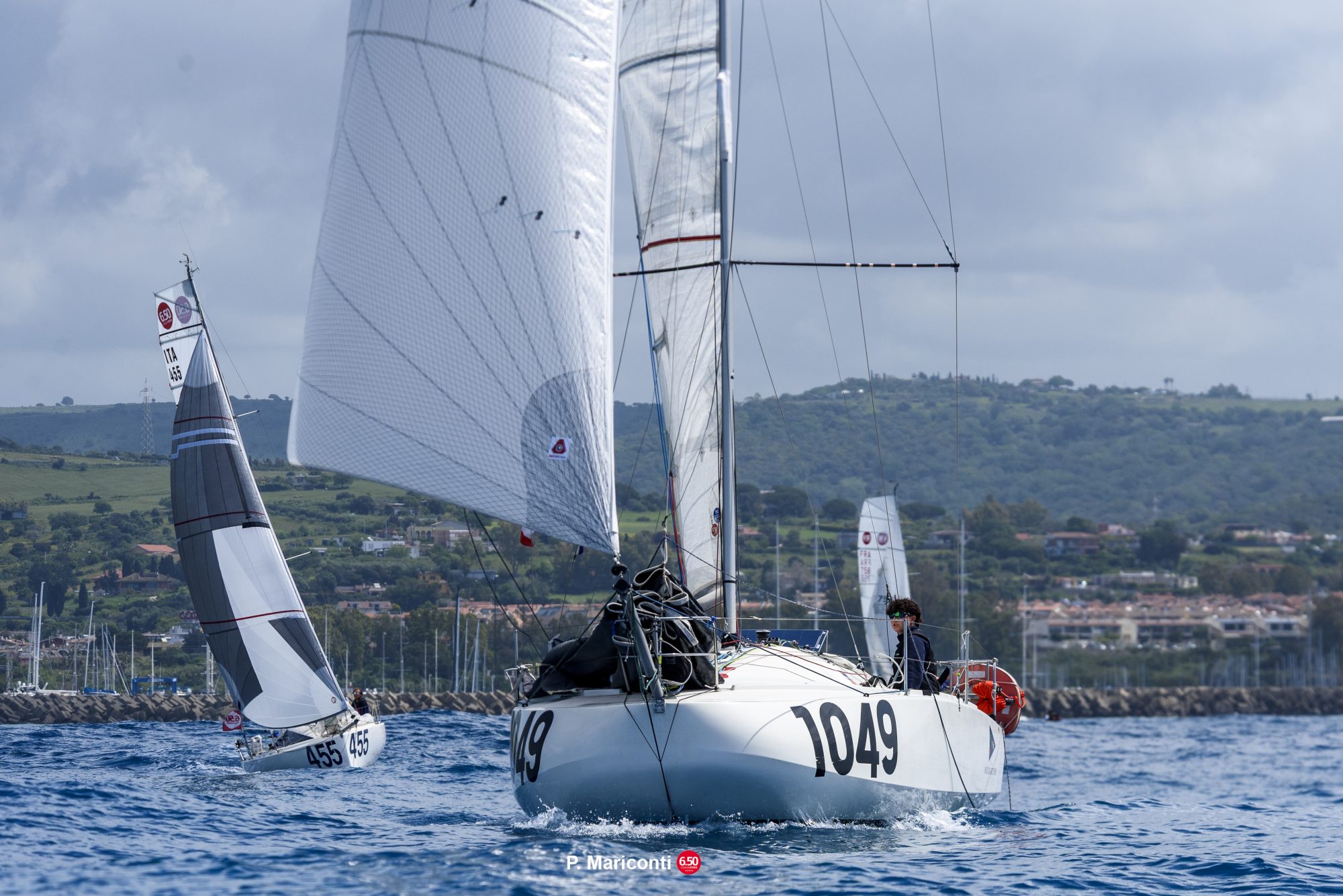
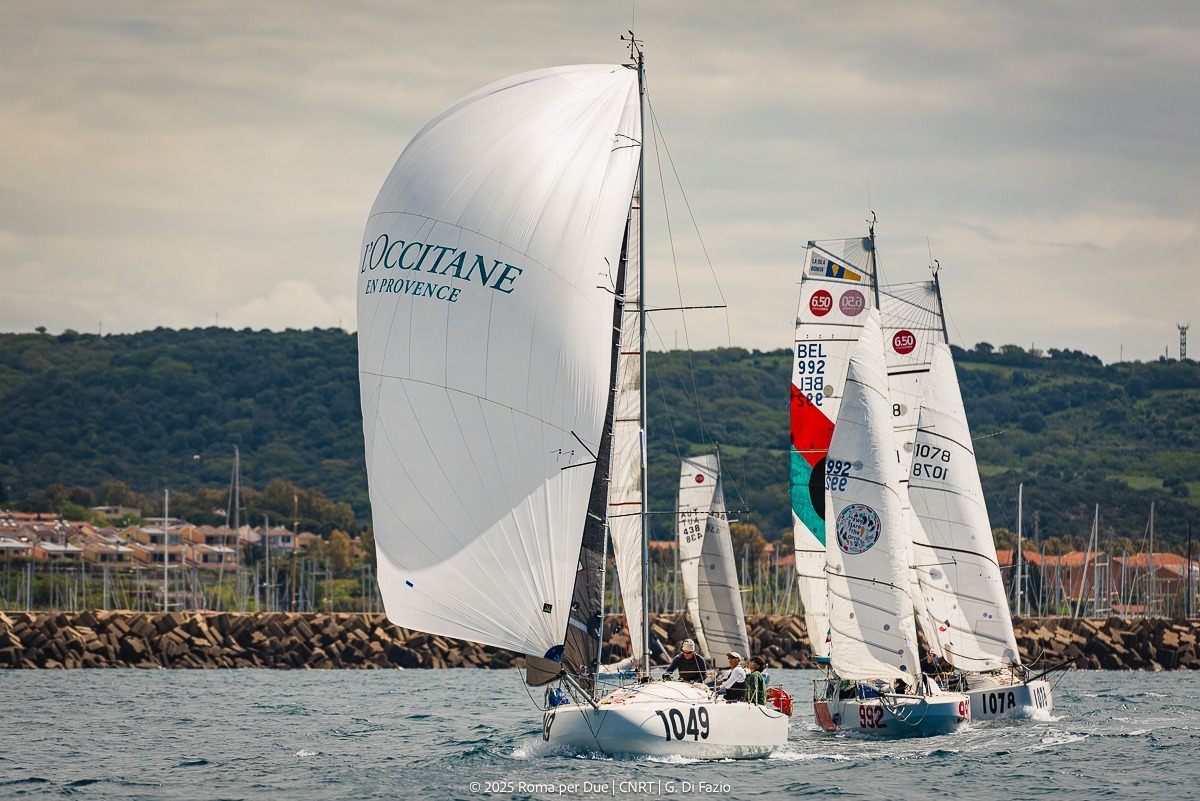
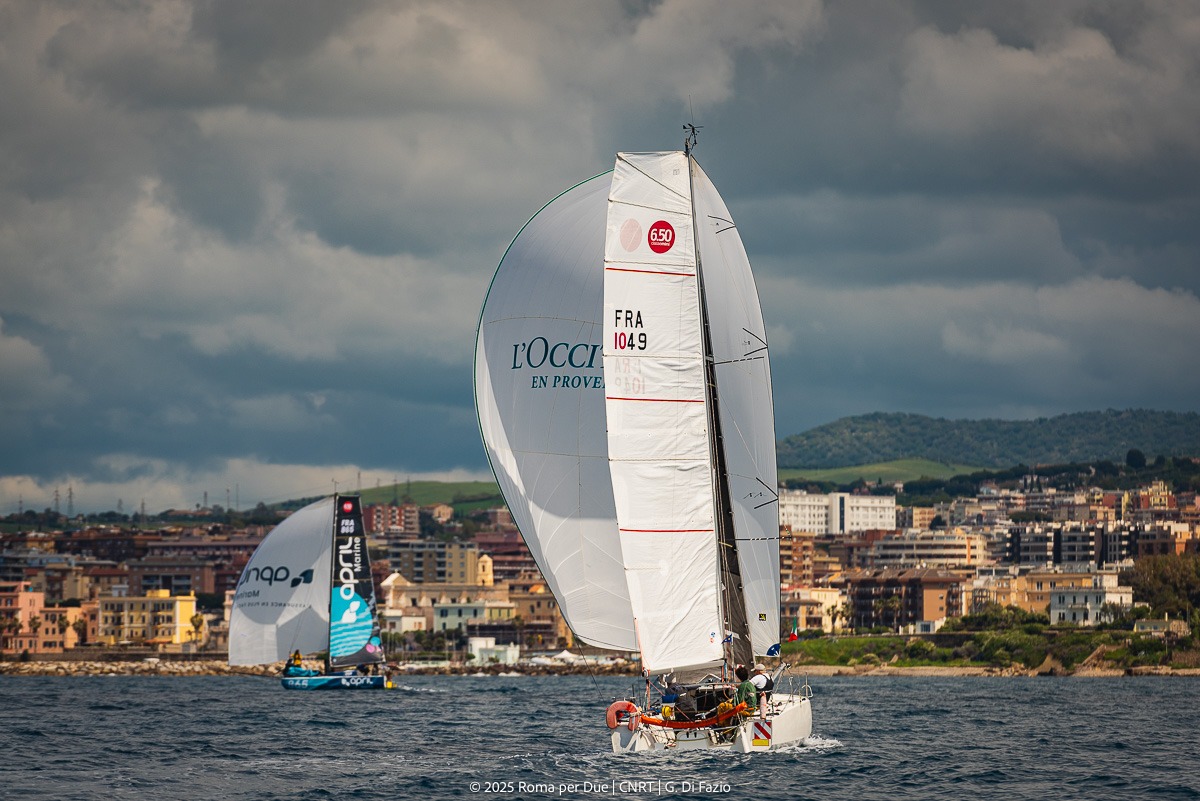
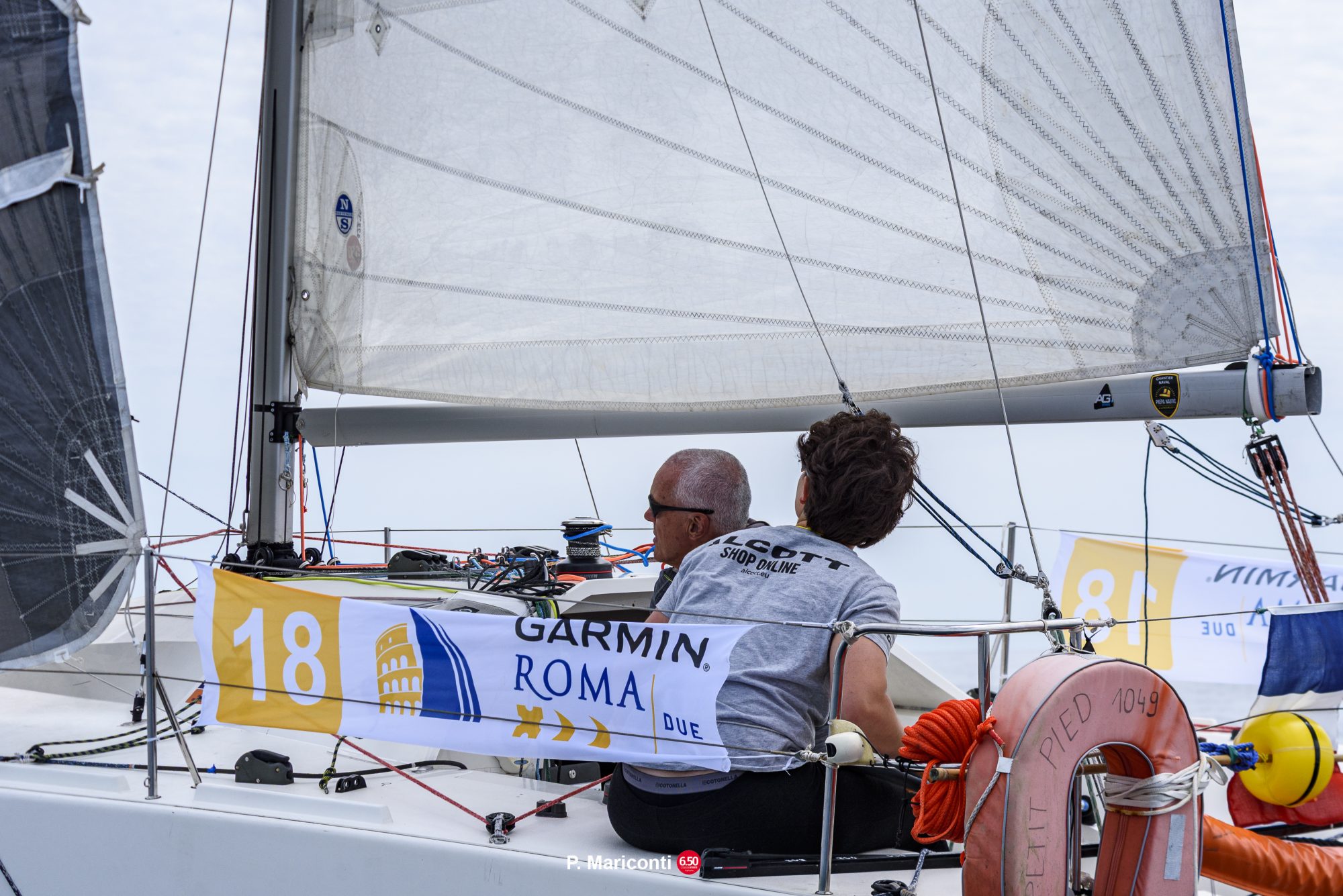
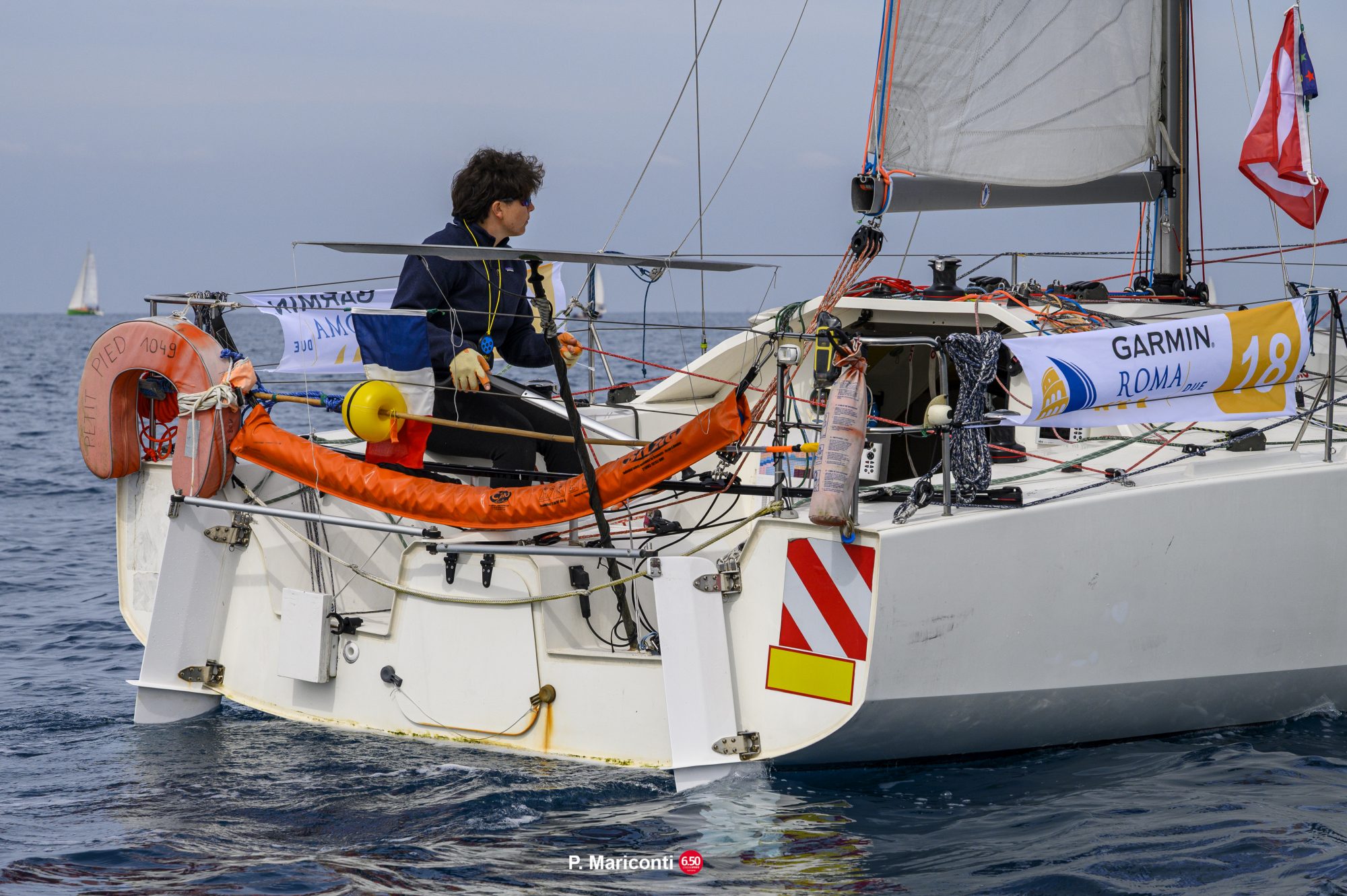
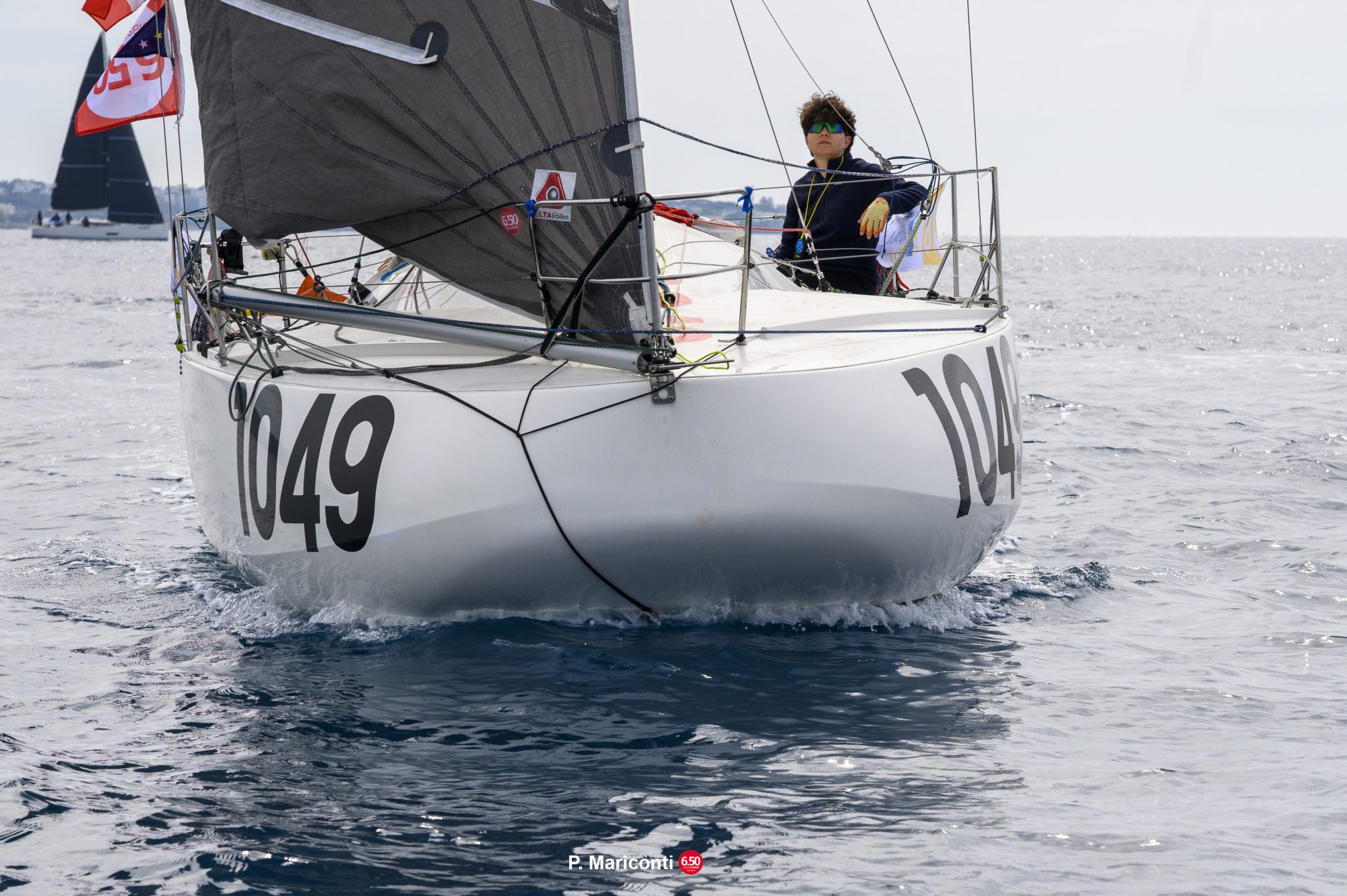
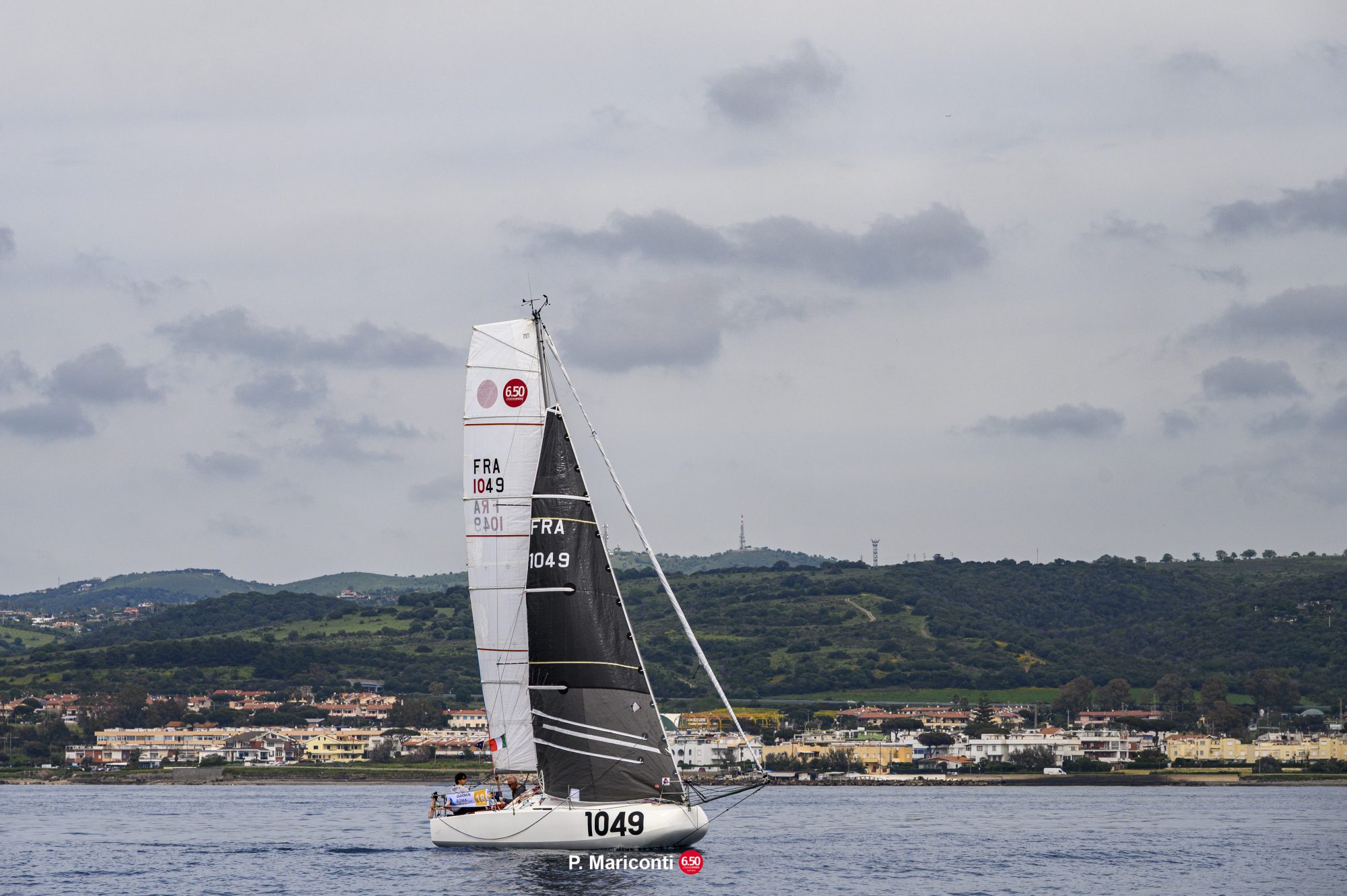
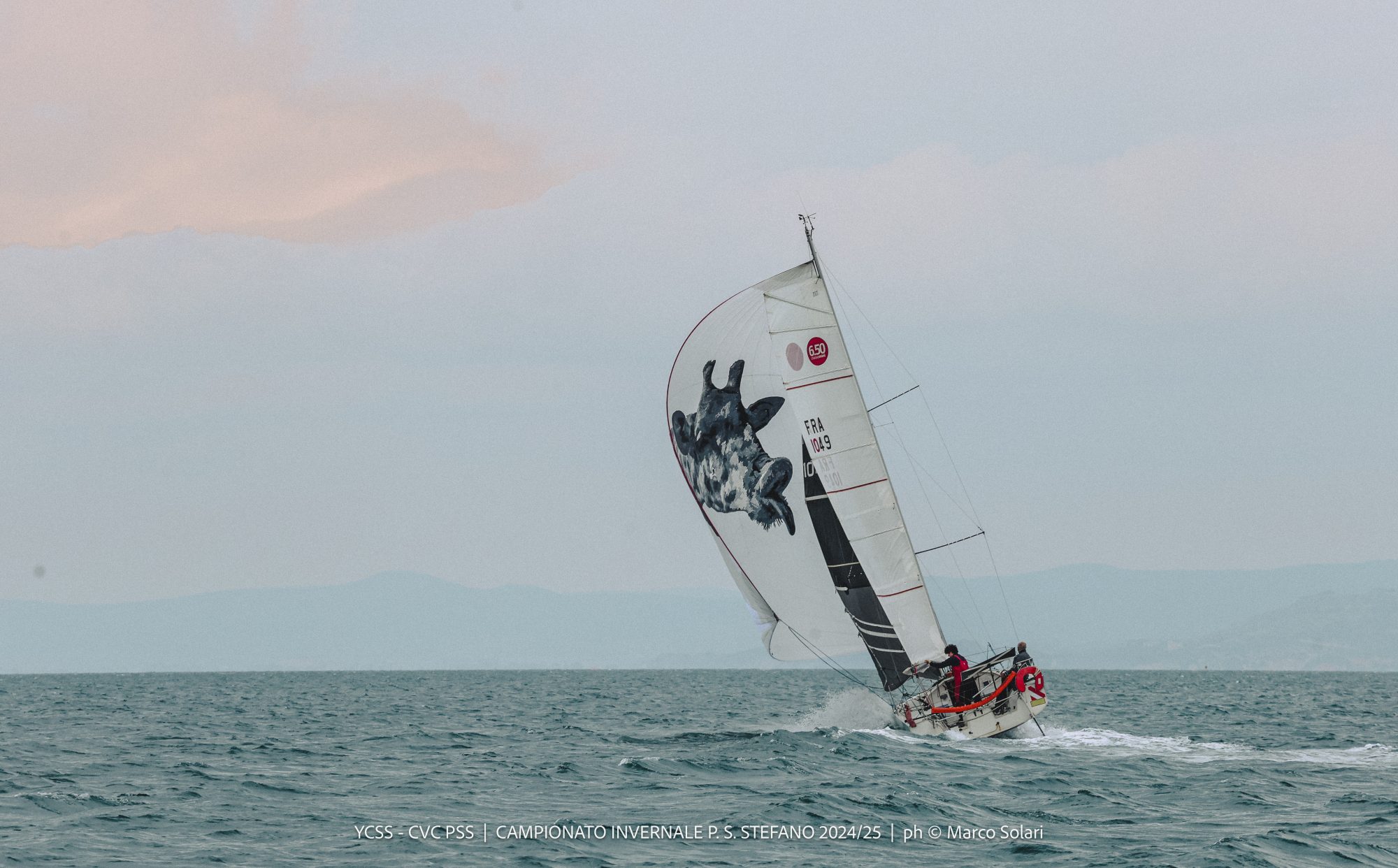
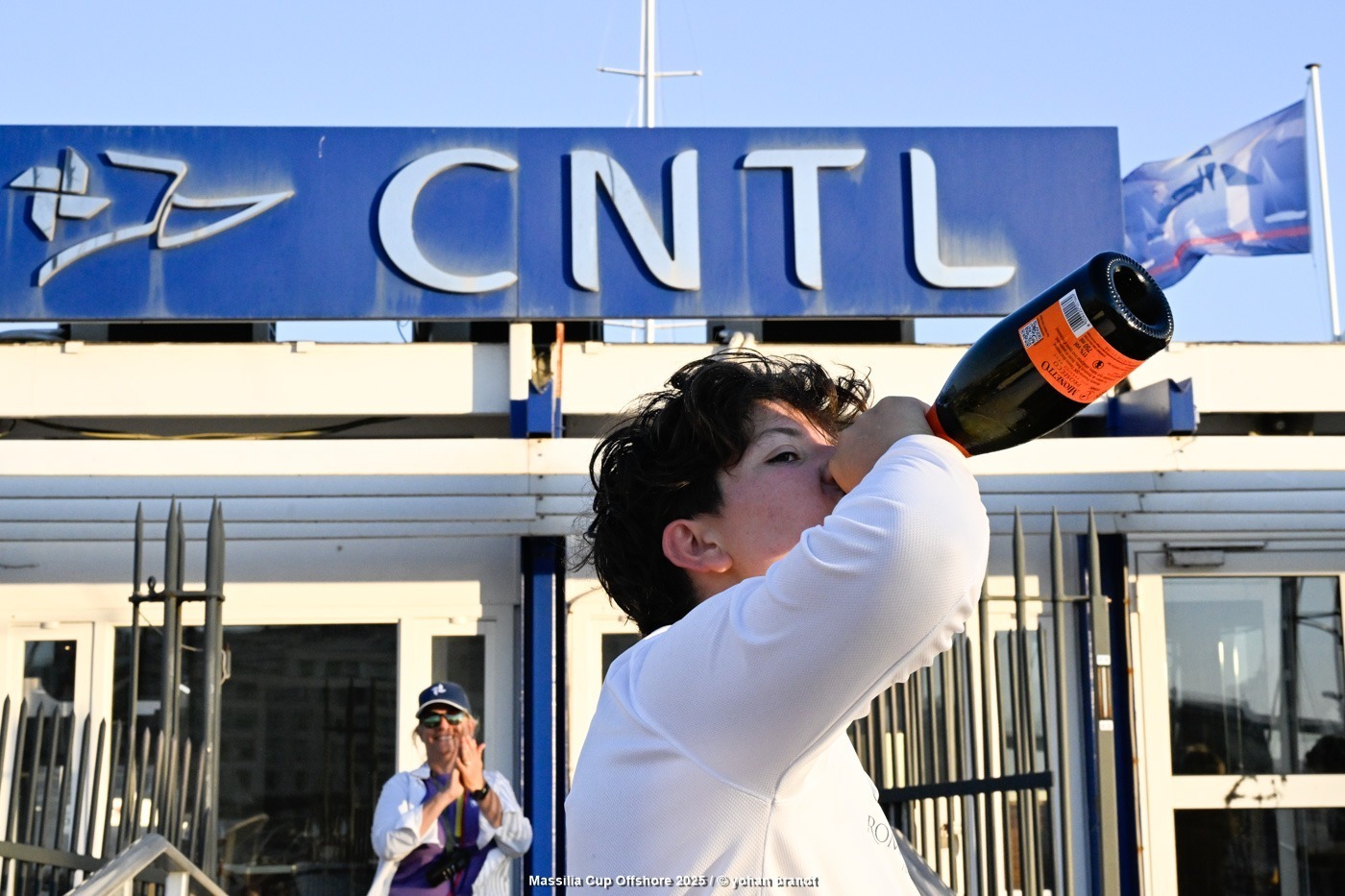
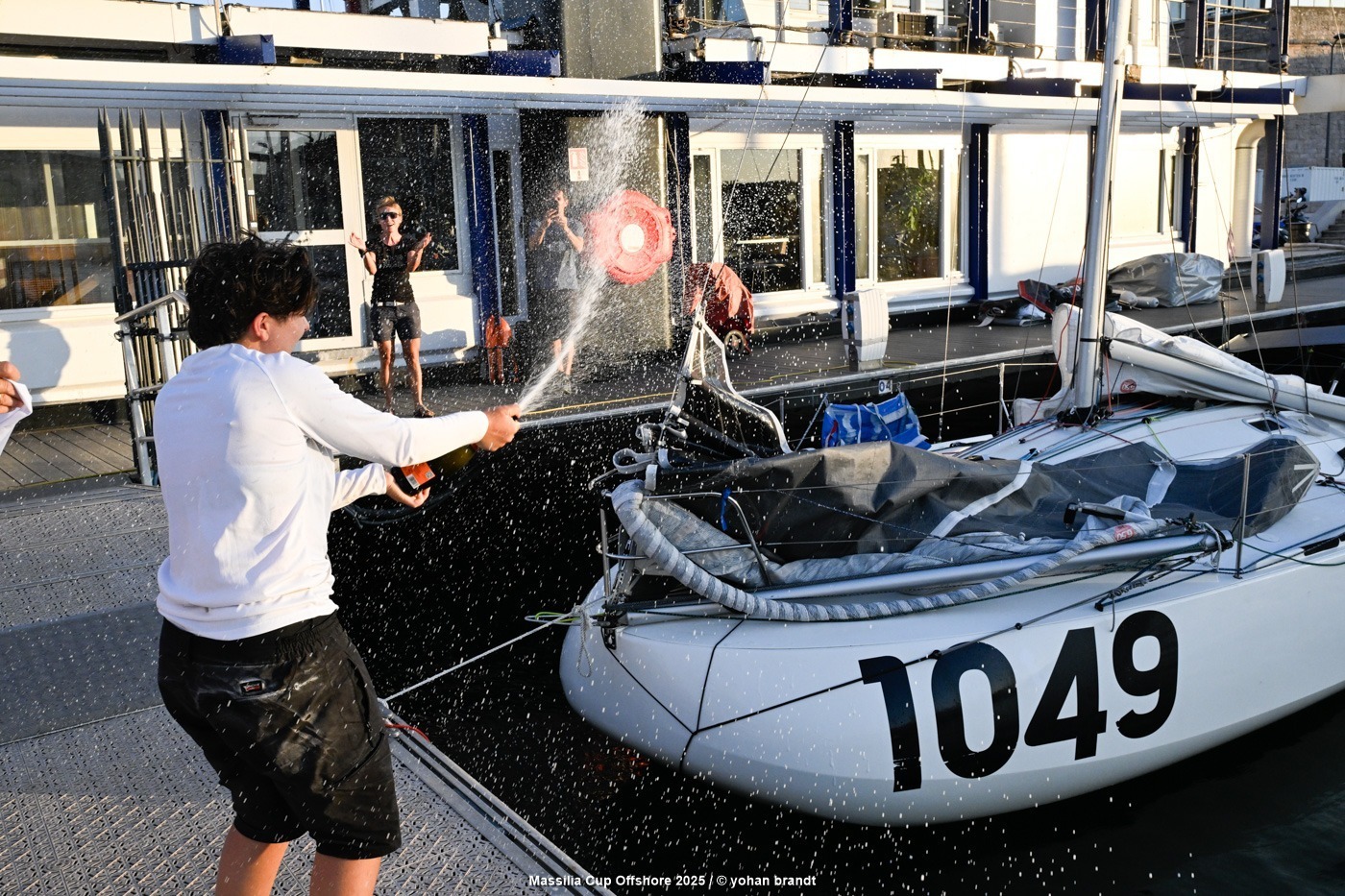
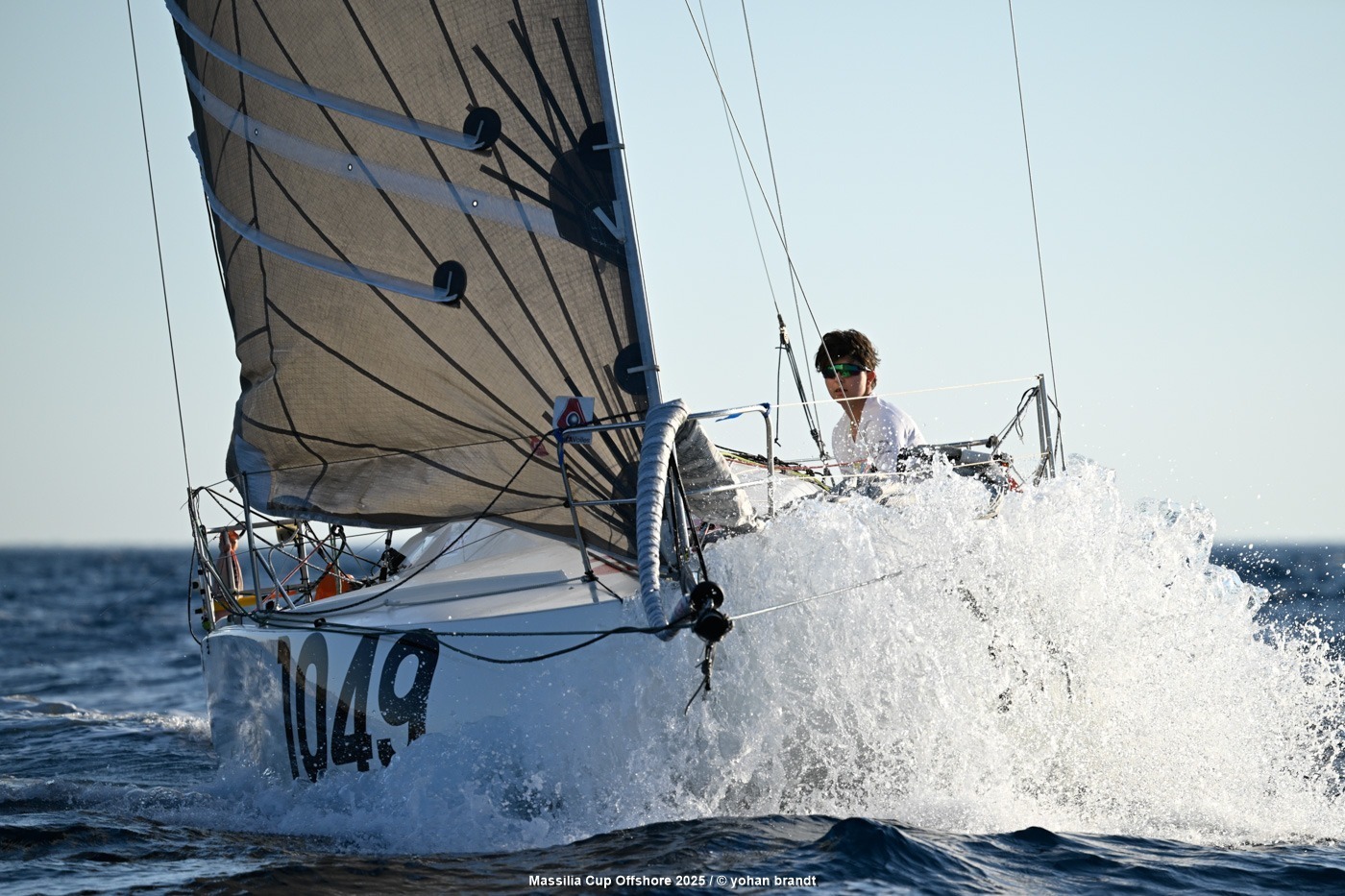
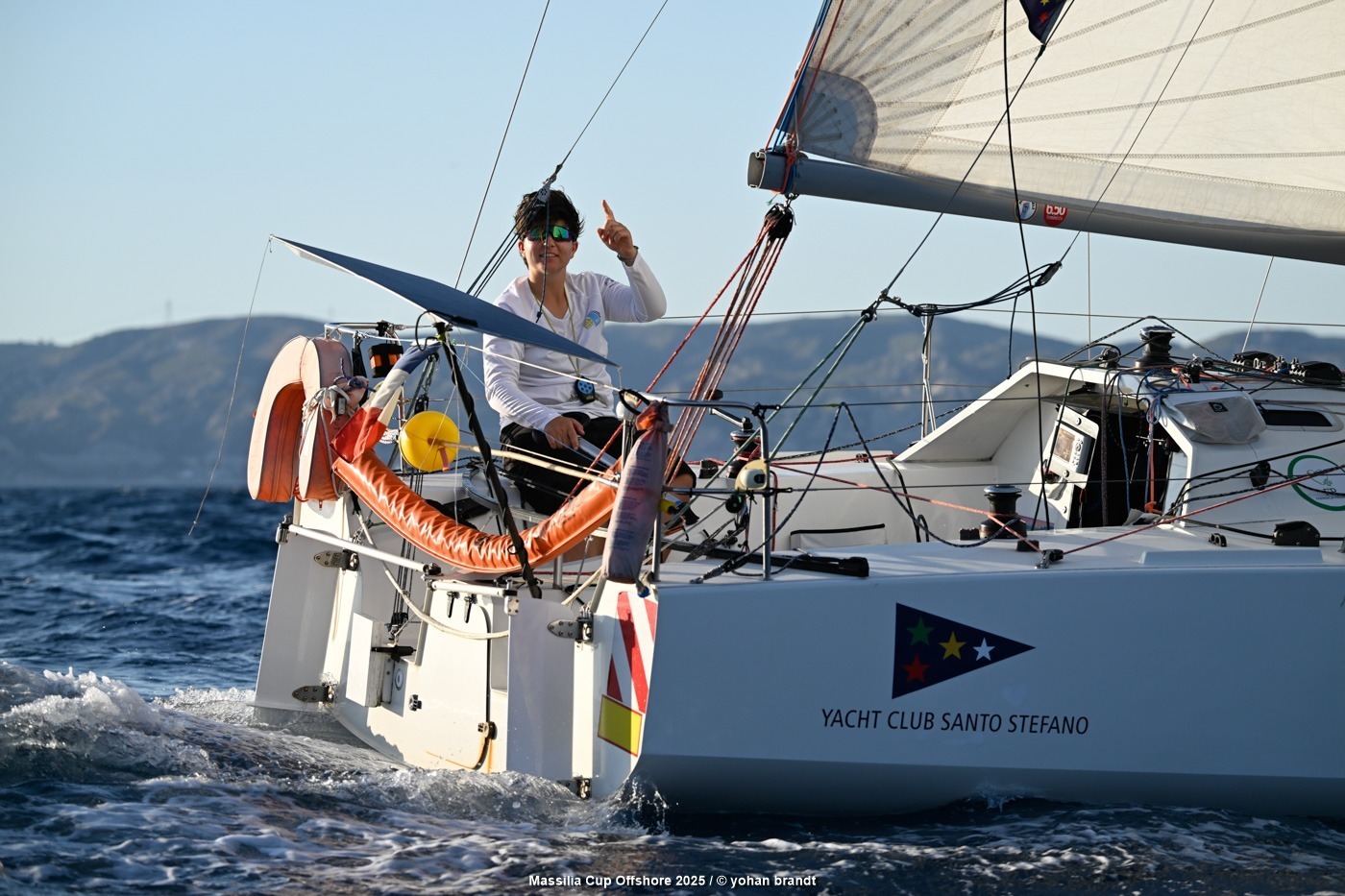
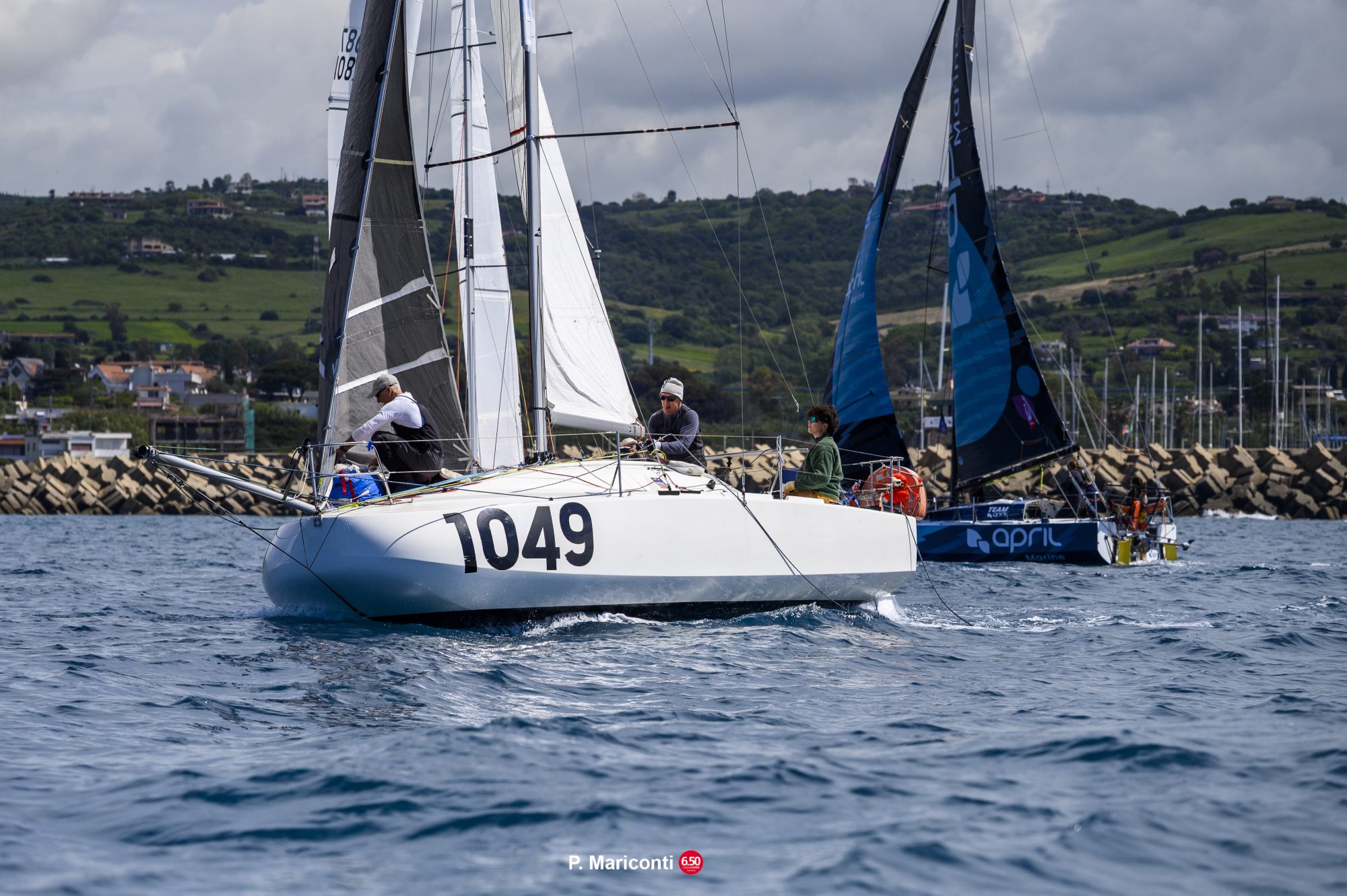
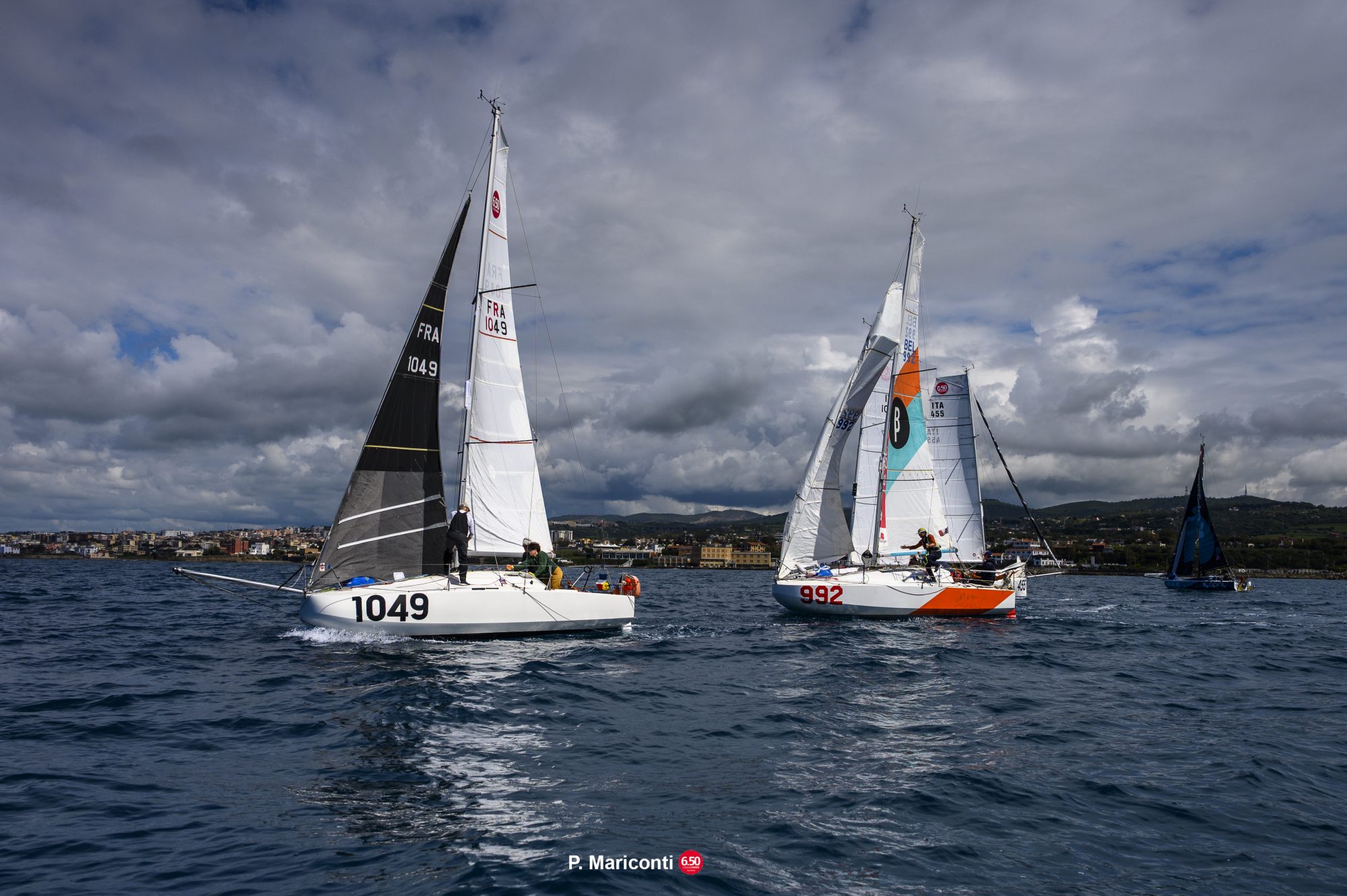
This year, I launched my own campaign, Racing Against the Tide, to compete in the Mini Transat 2027 and to show that queer and non-binary sailors have a place in professional offshore racing. I only started sailing my current Mini about two months ago, and in just a few days I’ll race it for the first time. It’s extremely exciting.
Q: Many people outside the sailing world might not know what the Mini Transat is. What makes this race so special—and so challenging?
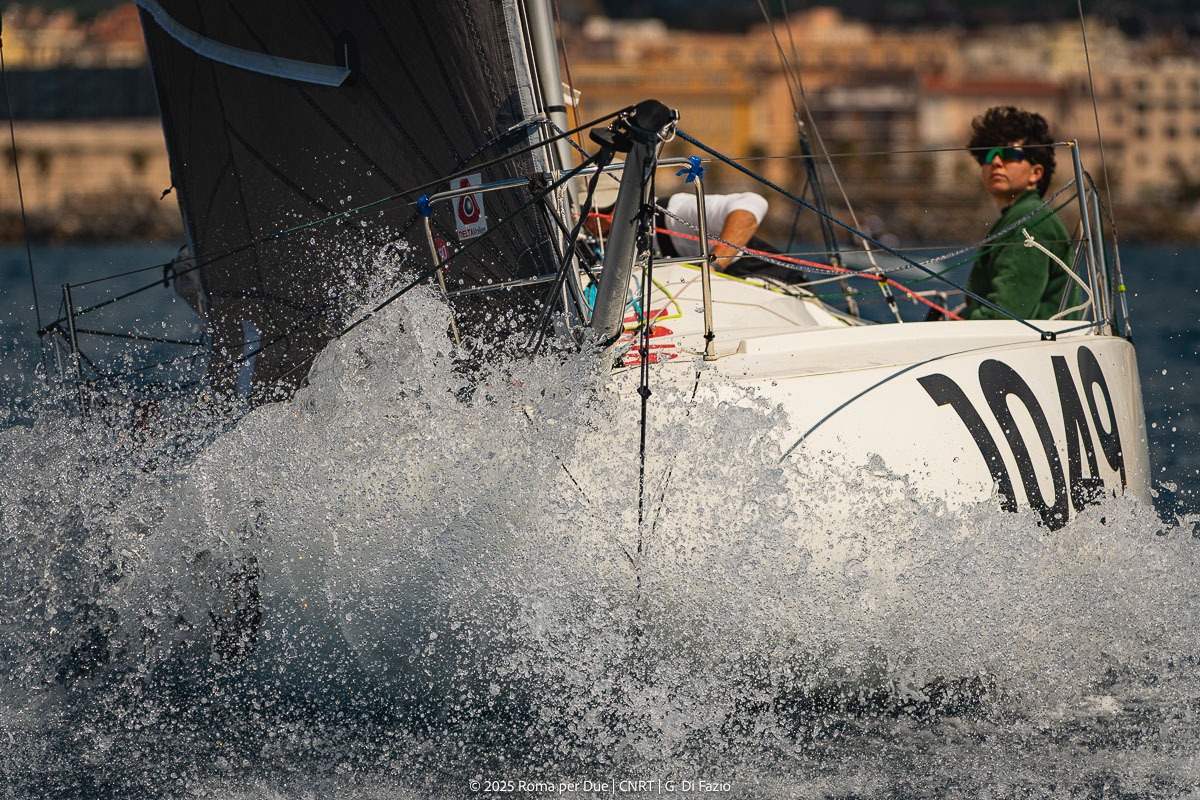
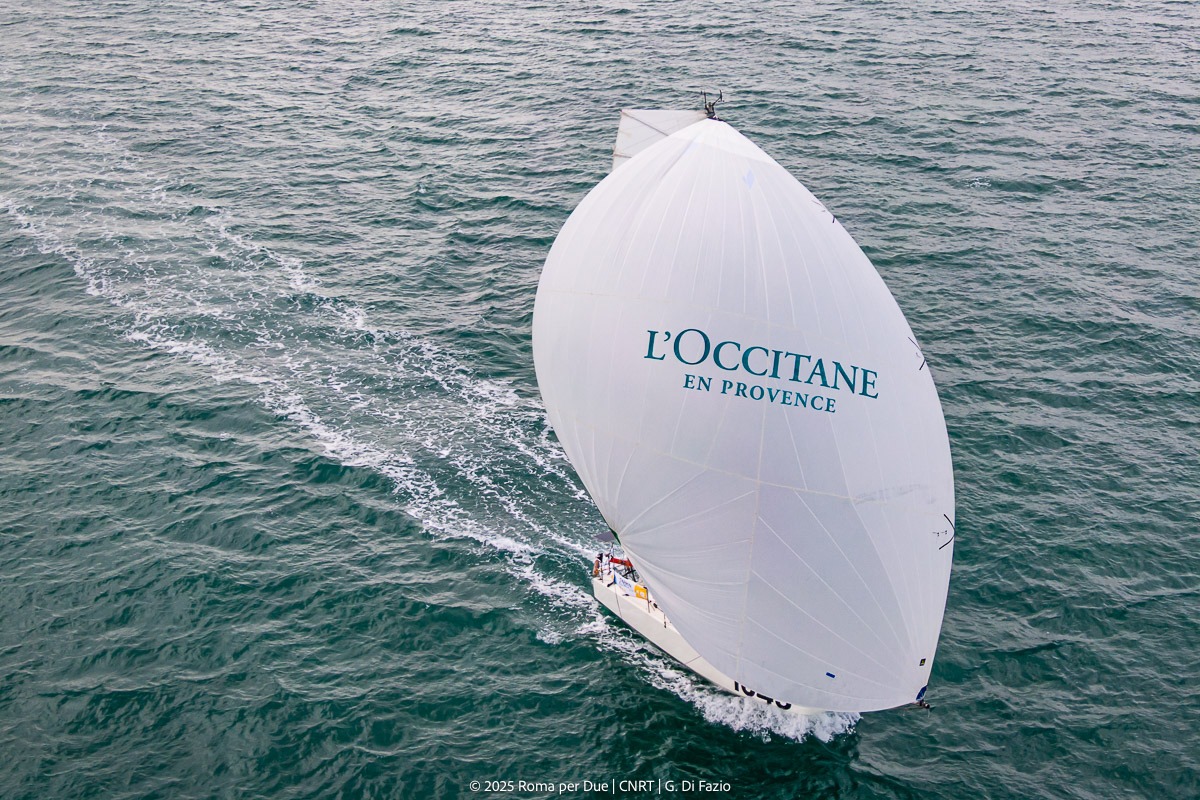
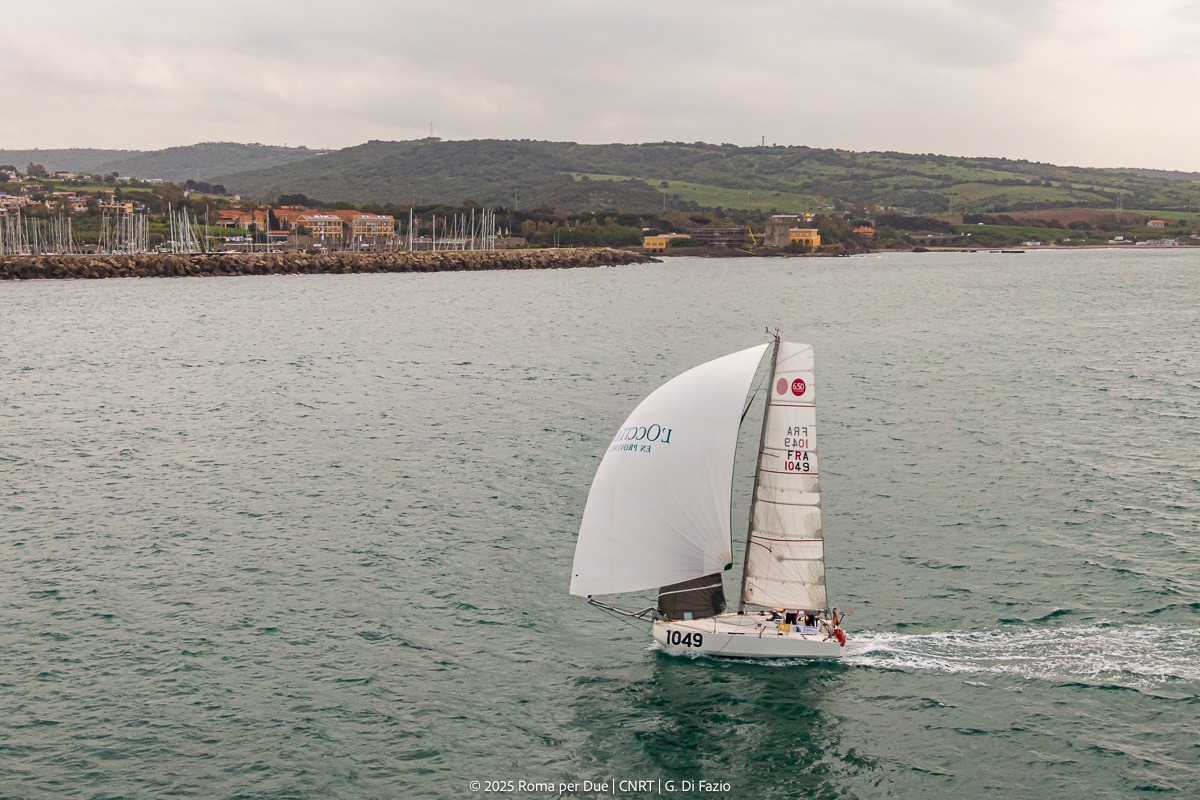
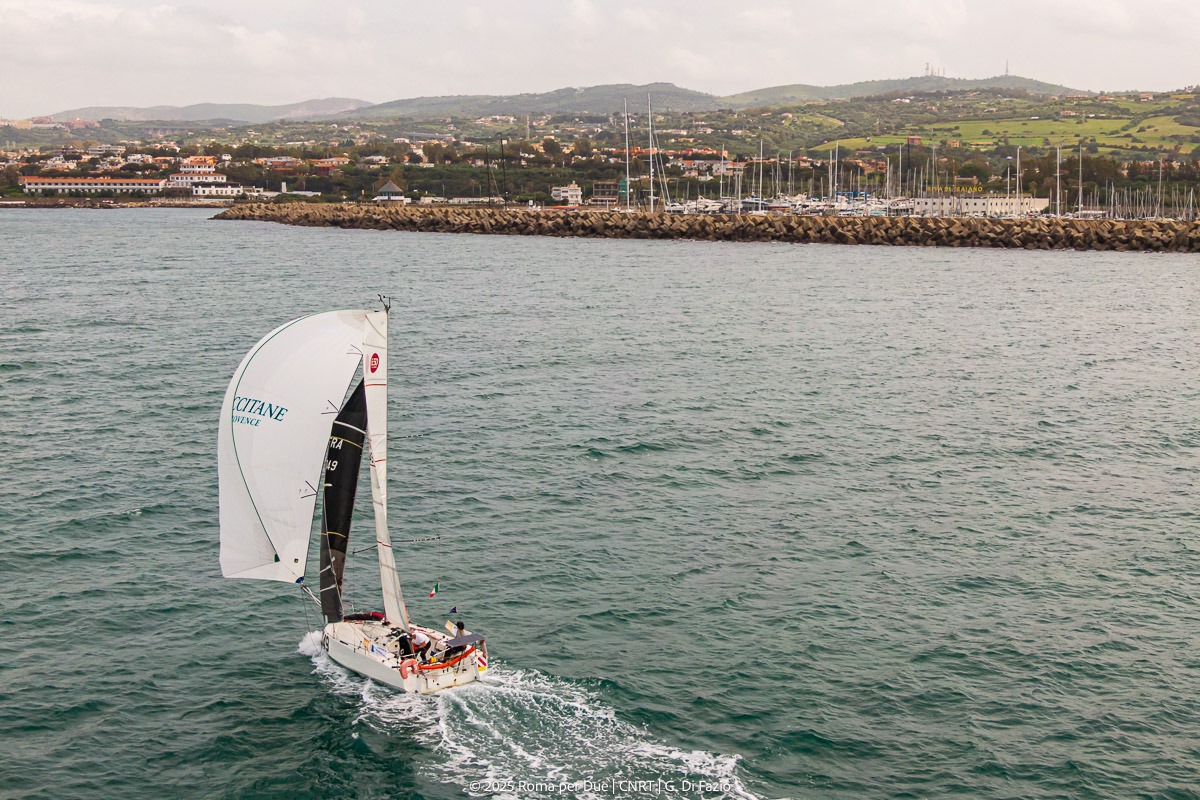
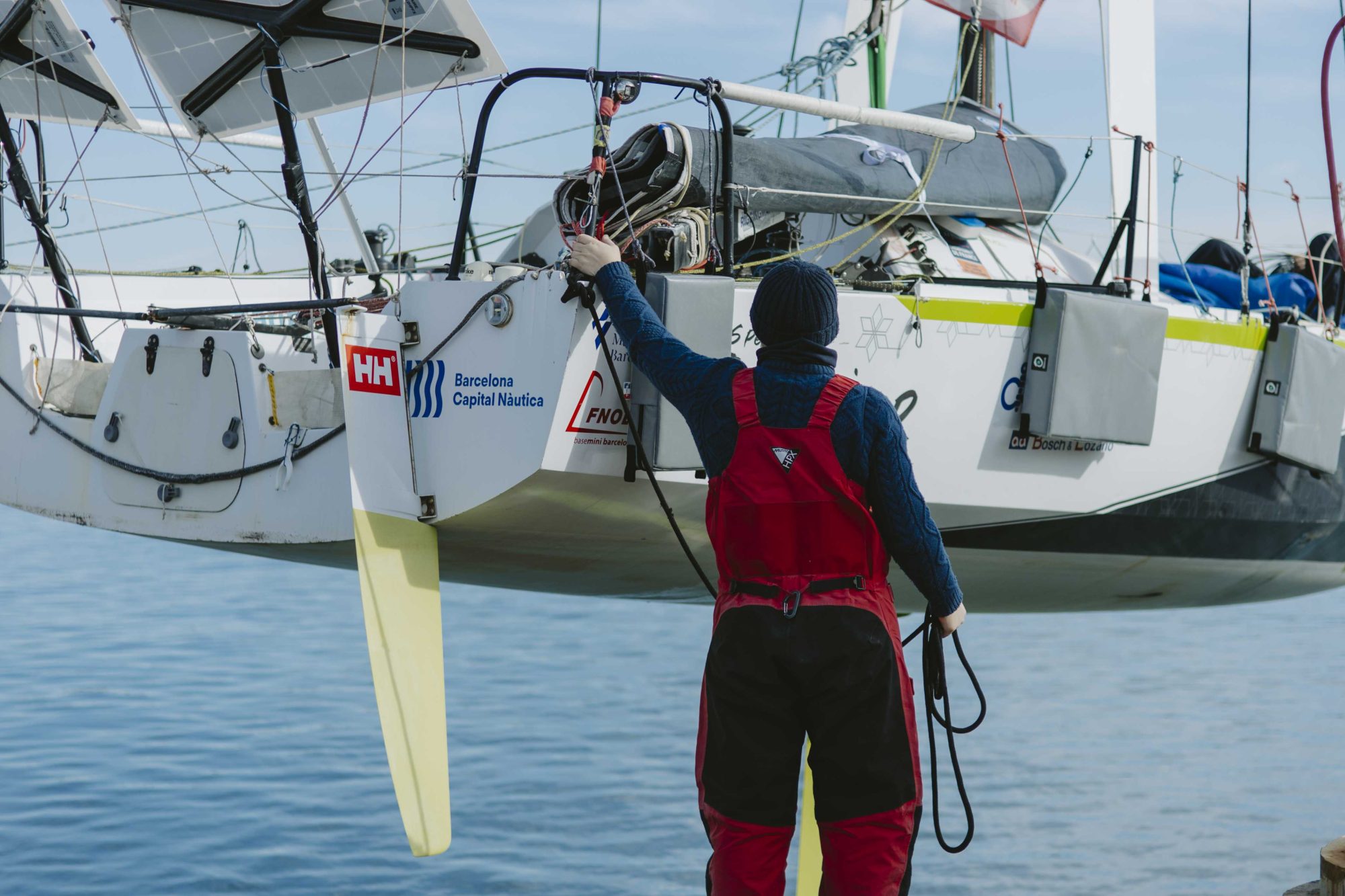
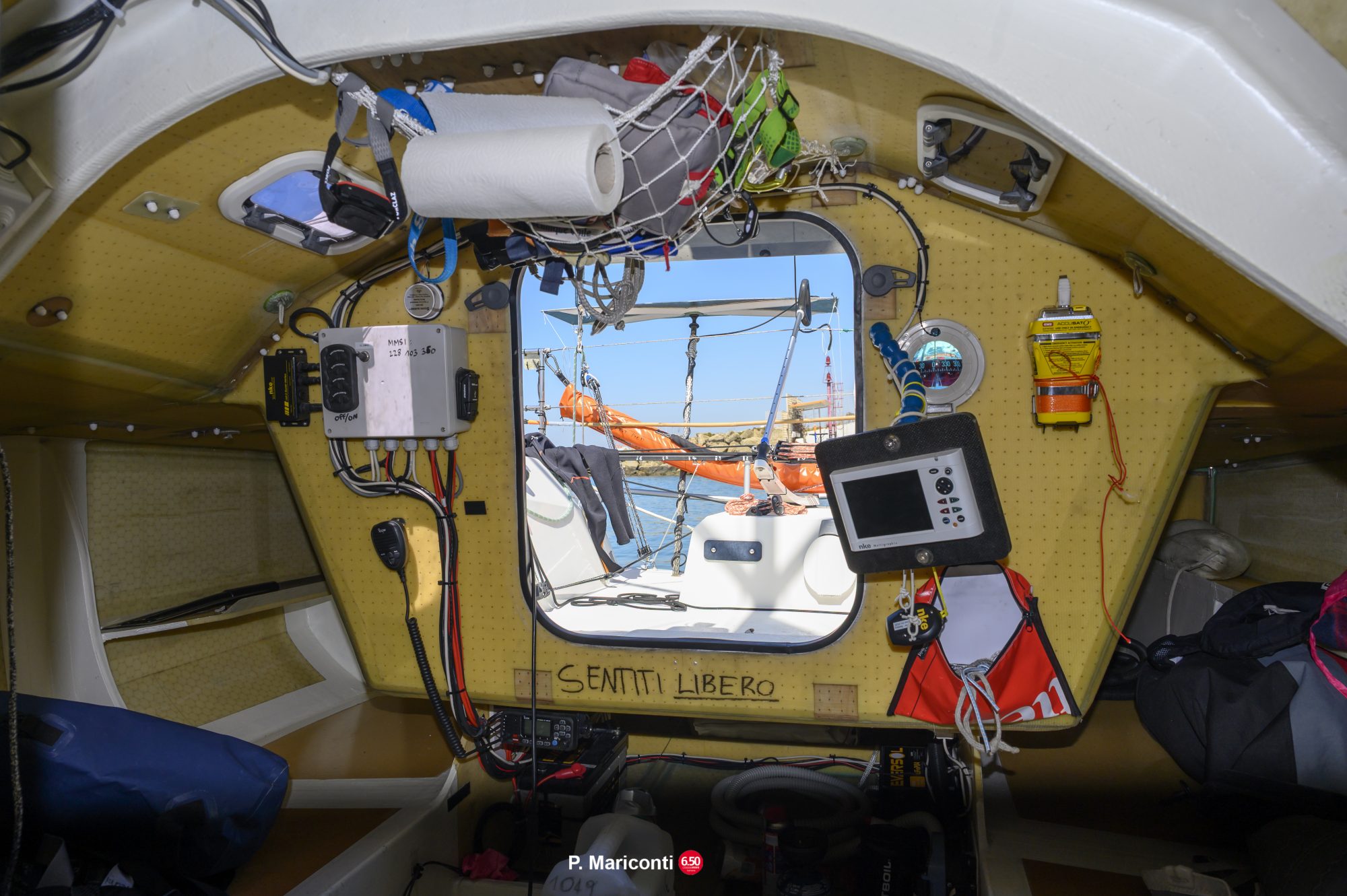
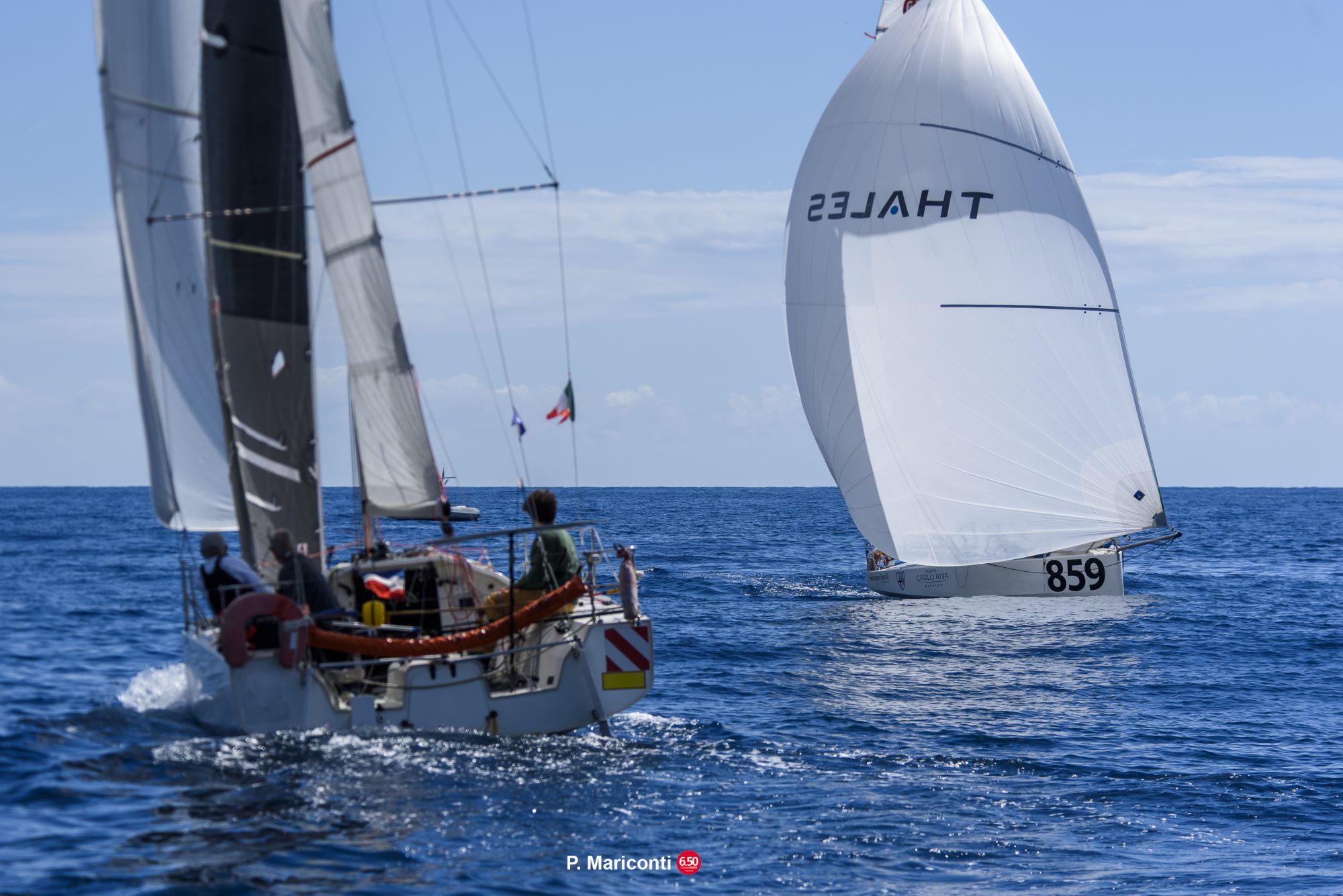
Nico: The Mini Transat is legendary. It began in the late 1970s as a way to make transatlantic racing more accessible. The boats are tiny—just 6.5 meters—and extremely lightweight. They’re built for speed, which means they’re also fragile. You can literally see waves through the hull when you’re inside.
What makes the race unique is that it’s completely solo, and you have no satellite communication. You receive weather information by radio and have to plot everything manually.
It’s a kind of “school for ocean racing.” You learn everything: navigation, boat repair, budgeting, logistics. You’re your own technician, meteorologist, strategist, and captain.
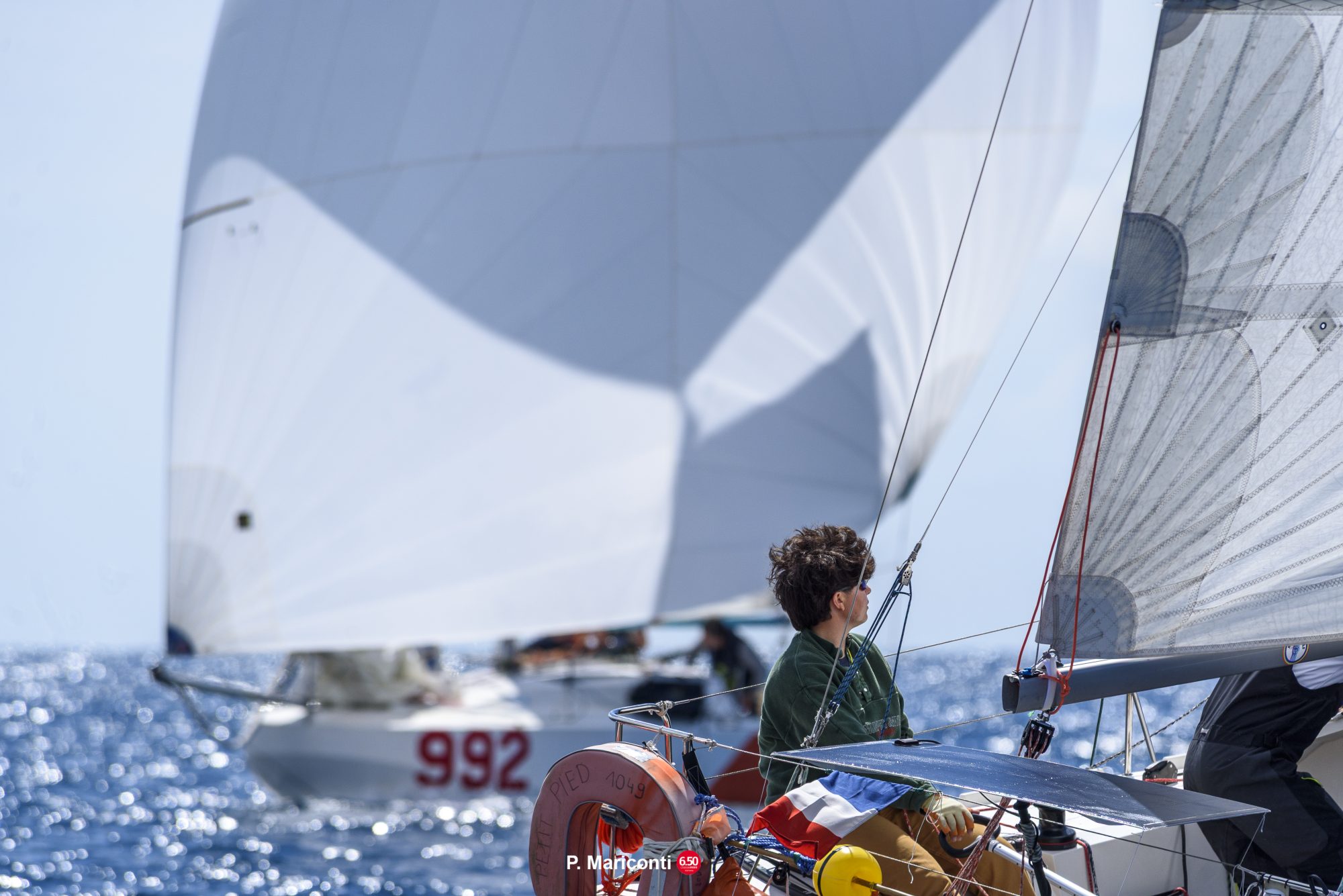
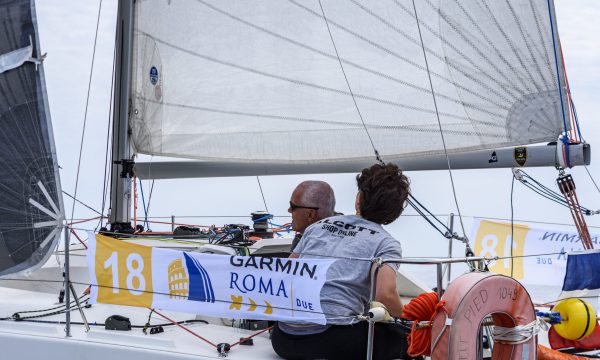
“You must respect the ocean and know your limits.”
Q: How dangerous does the race get, and what risks are you most aware of?
Nico: Offshore sailing is always risky, and the first rule is to respect the ocean and know your limits. Storms can form quickly and violently, especially with the effects of climate change, and there are hazards you can’t predict—like containers drifting just below the surface where you can’t see them until it’s too late. The mast can fail if even one line isn’t set perfectly, and the hulls on these small boats are so thin and light that damage is always a possibility. You’re also completely alone, so any injury or illness becomes a serious situation. To manage those risks we carry an extensive safety box, and before each race the organizers check every item with incredible detail. And even though the race is solo, the law of the sea still applies: if someone is in life-threatening danger, anyone nearby must help.
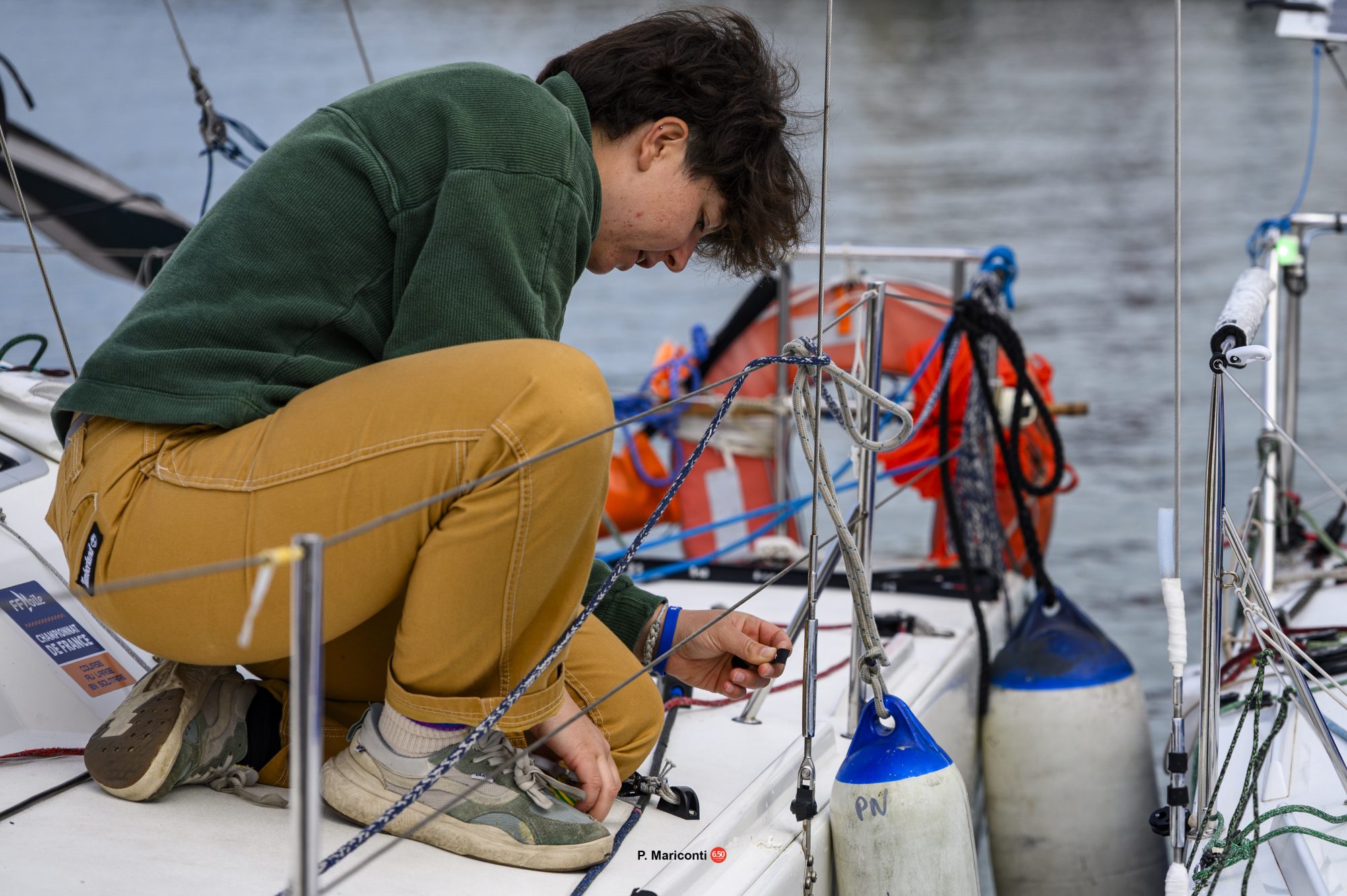
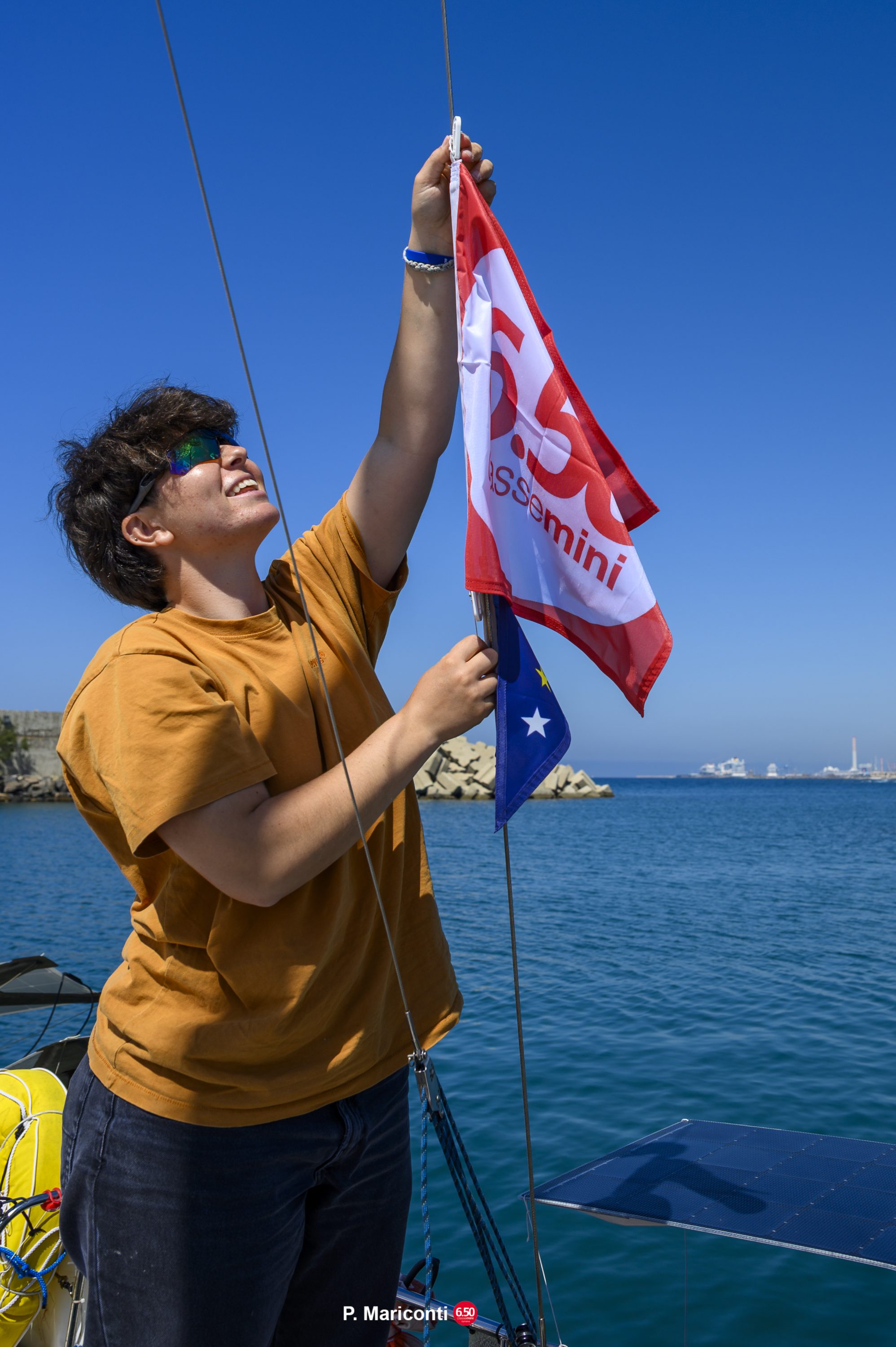
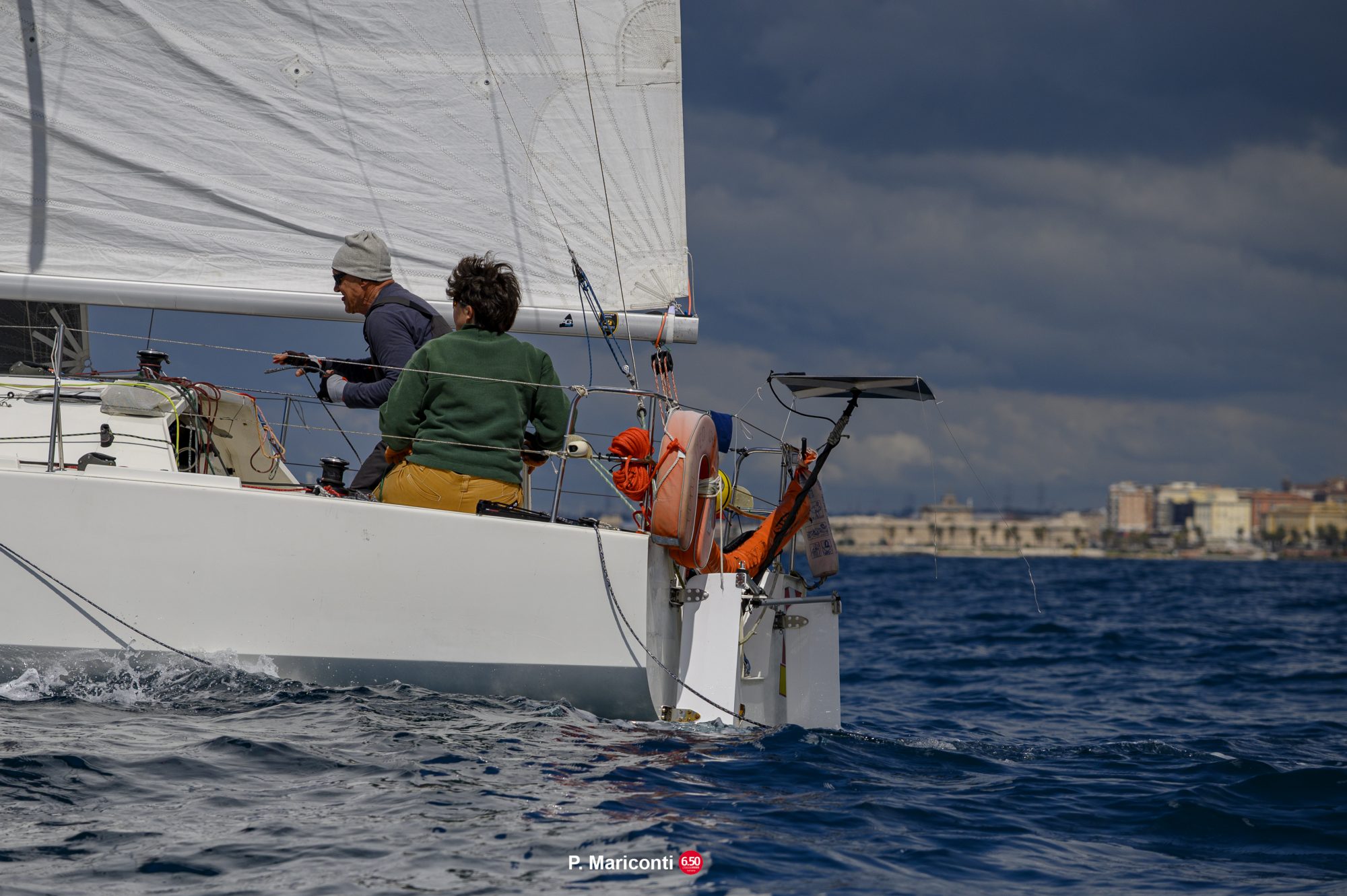
Q: What does a typical day at sea look like during a solo ocean race?
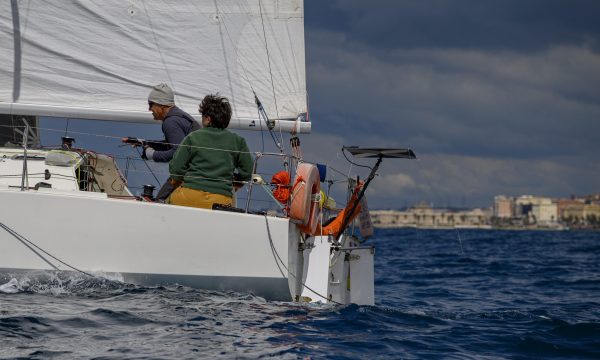
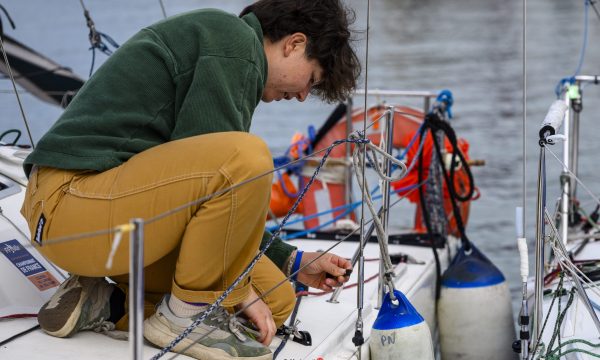
Nico: There’s no real routine out there, but the rhythm becomes a cycle of eating at set times and managing short bursts of sleep—usually two hours of sailing followed by twenty to thirty minutes of rest. Throughout the day and night, I’m constantly checking the deck for damage, recording the weather by hand, studying the wind shifts, monitoring other competitors’ positions, and planning strategy. Something always breaks during a race. Always. So repairs become part of daily life. All my power comes from solar panels, I carry all my water onboard, and I mostly eat freeze-dried meals rehydrated with boiled water. It’s a continuous loop of sailing, navigating, fixing, and keeping myself functioning. It’s a survival.
Q: How do you train for something this extreme?
Nico: Mental preparation is huge. Before the race, we do assessments on sleep patterns, nutrition, and how our bodies react to fatigue.
Physically and technically, I’m racing a lot this year — over 2000 nautical miles in 5 races, plus a mandatory 1,000-mile solo qualification that circles the Western Mediterranean. That’s where you really learn how your brain adapts to sleep deprivation and long hours alone at sea.
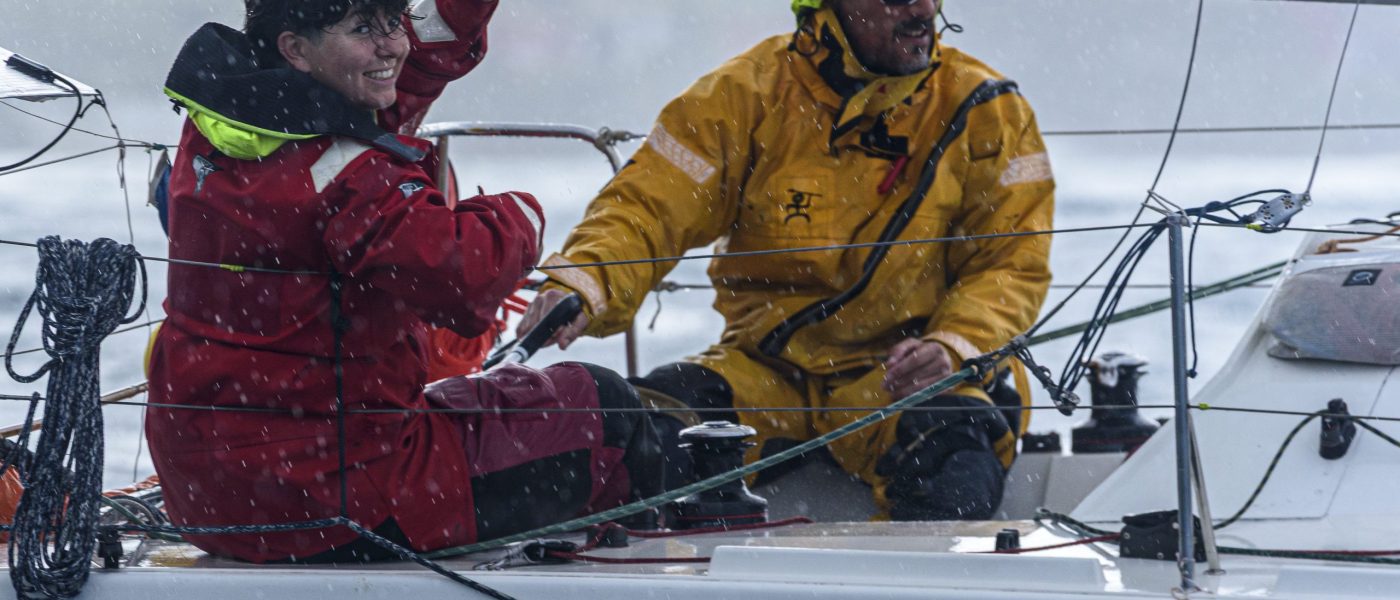
Queerness and inclusivity in sailing
Q: You’re also outspoken about inclusivity in sailing. How exclusive is the sport today, and what has your experience been like?
Nico: Sailing is still quite exclusive. In some classes, only about 20% of sailors are women, and non-binary or trans sailors have even fewer role models.
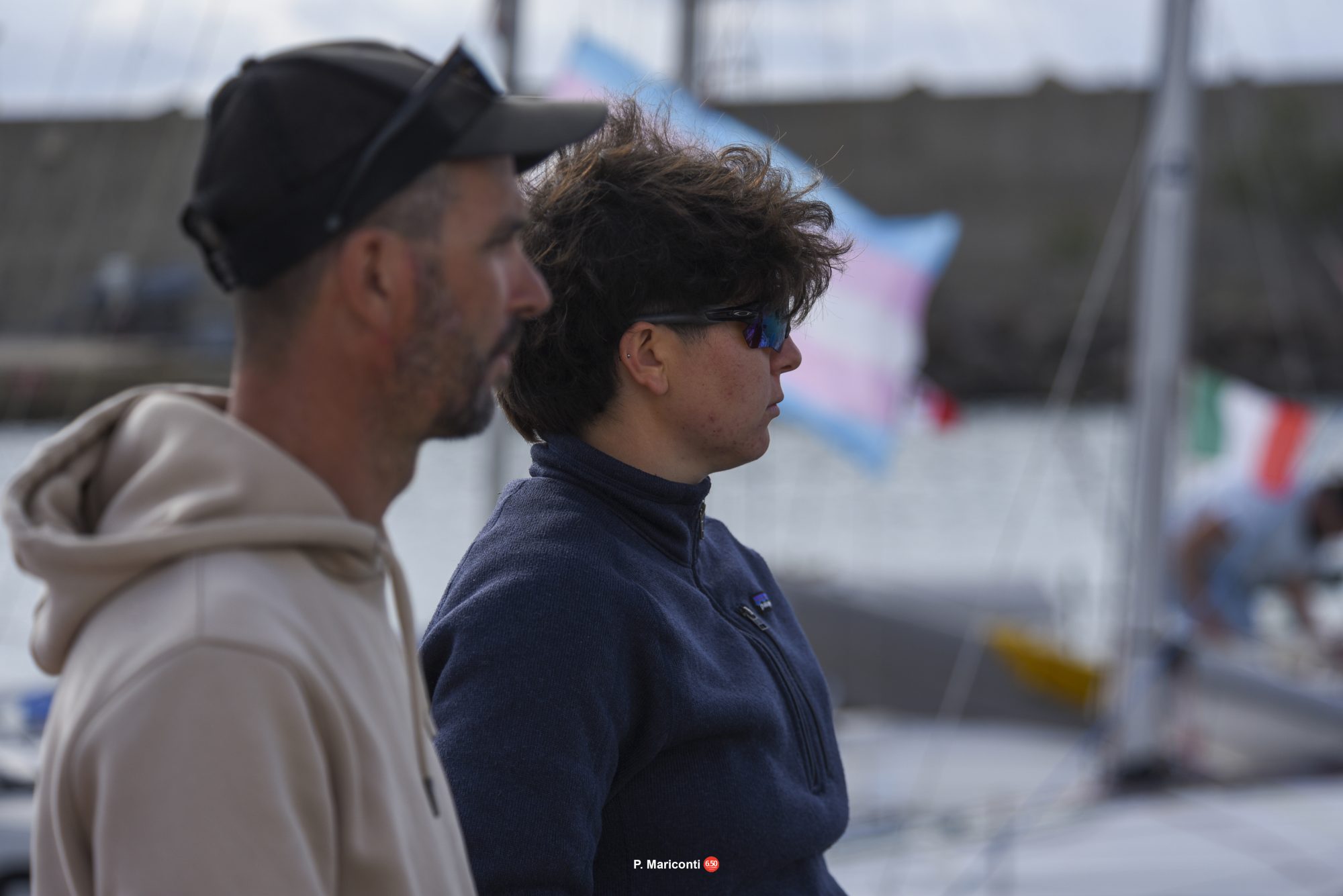
Some people don’t take you seriously if you’re a queer person. I’ve been told things like, “Why don’t you just identify as a woman? It would be easier to get opportunities.” But I want to compete as myself. I just want to be taken seriously for who I am, not for the box people want to put me in. I also want to open space for others like me.
When young queer sailors see someone who looks like them racing professionally, they know it’s possible and they are inspired to join as well.
Q: Are there queer-focused sailing communities or initiatives you’re connected with?
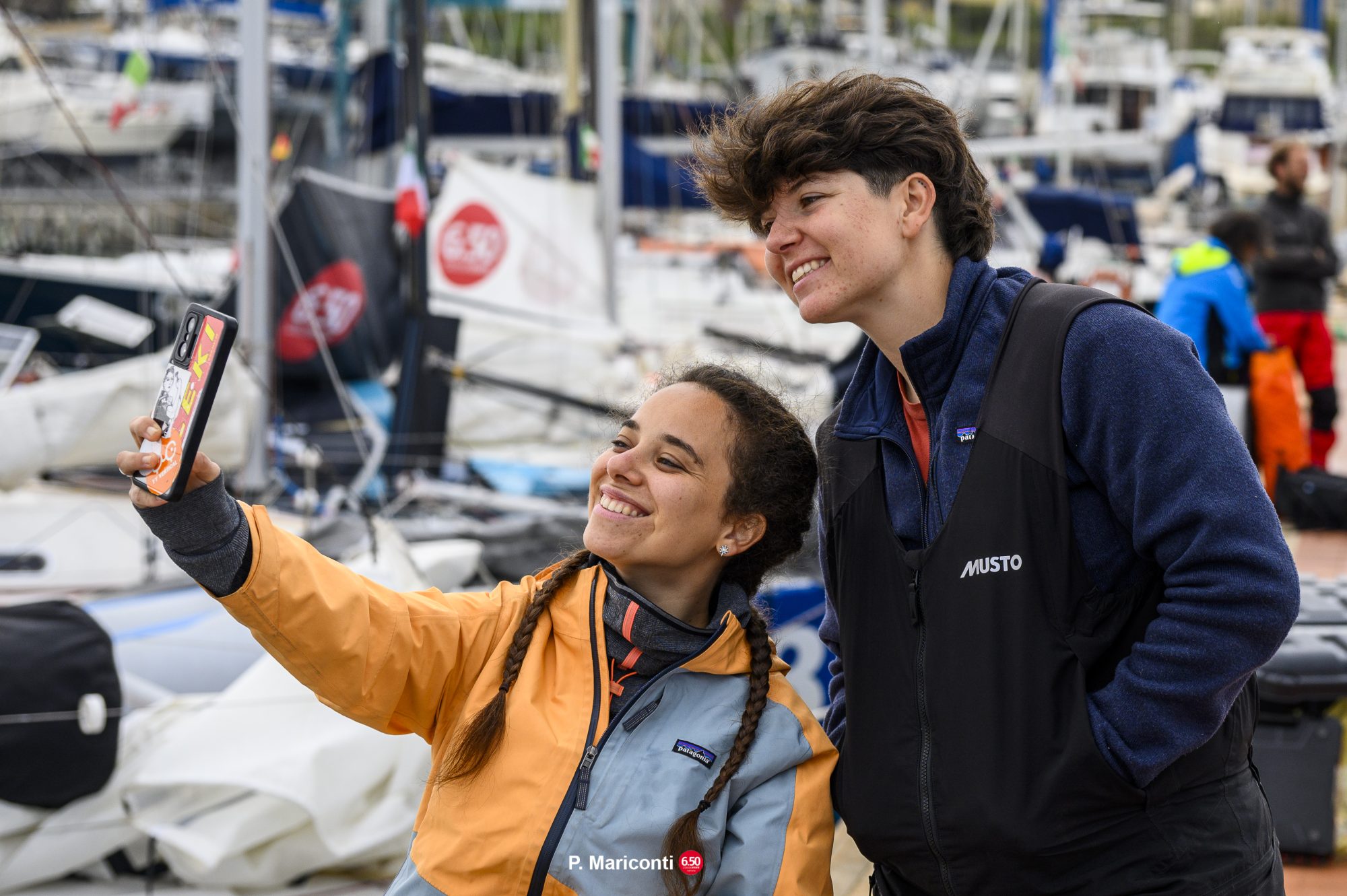
Nico: Yes! Two Mini sailors founded Rudder Rebels, where we organized a weekend clinic focused on women and queer sailors. It was amazing—learning, racing, and talking about inclusivity.
But the goal isn’t to separate queer sailors; it’s to make the whole sport safer. That means including men too, because lasting change requires everyone at the table.
There’s also Upwind by Merconcept, created by my mentor Francesca Clapcich. She is working to build more opportunities for women and diverse sailors, and she aims to sail solo around the world in 2028.
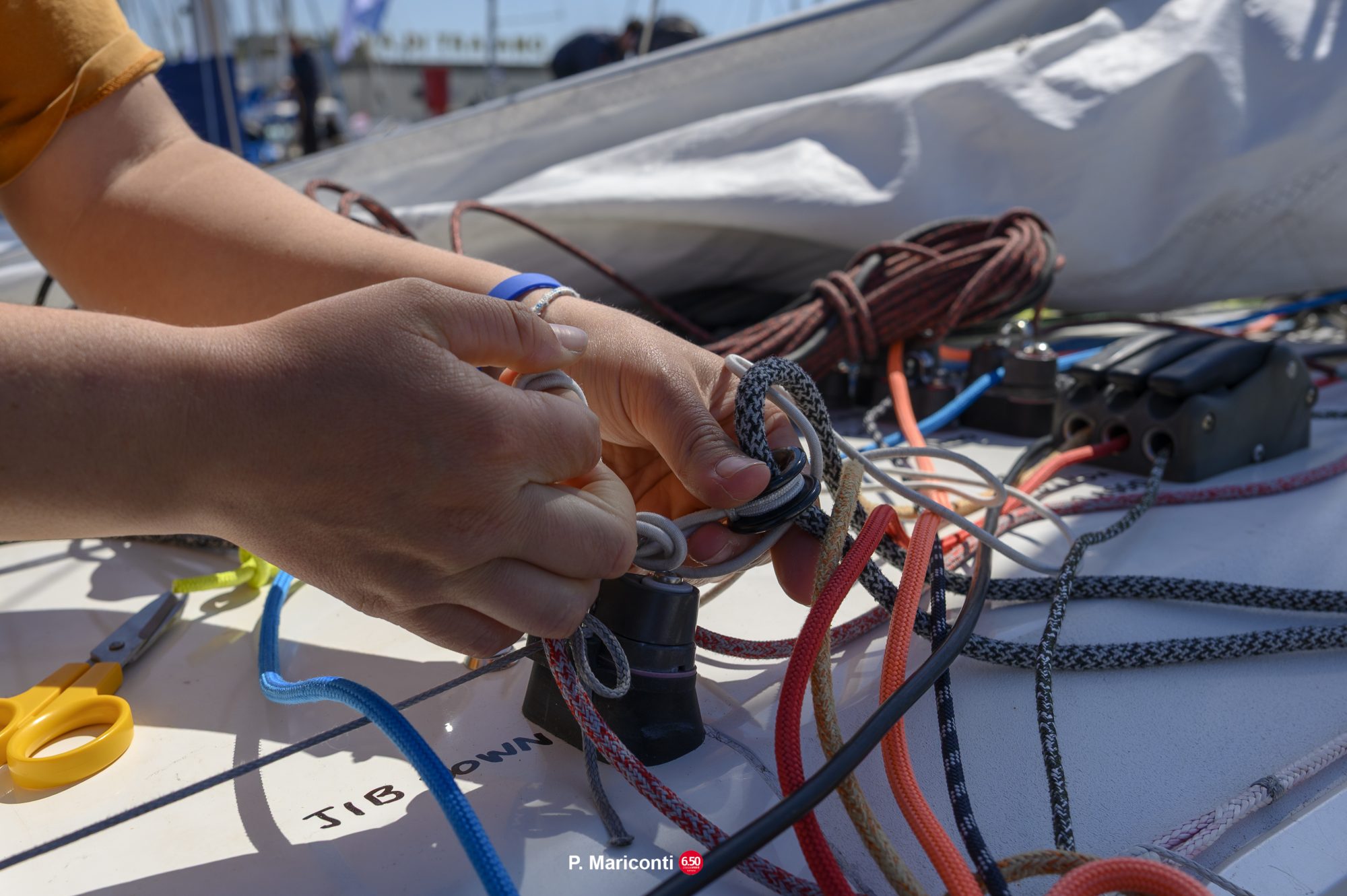
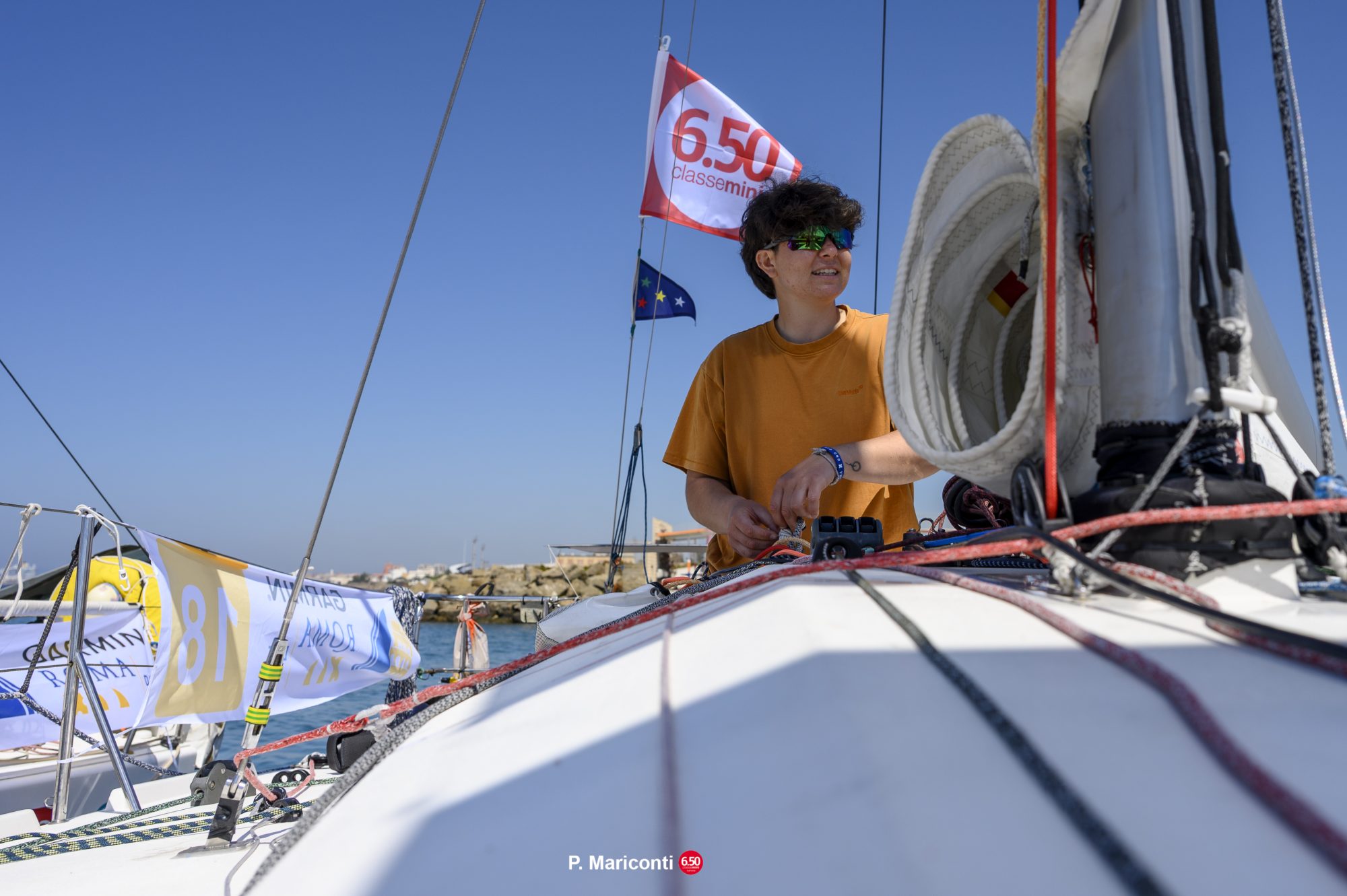
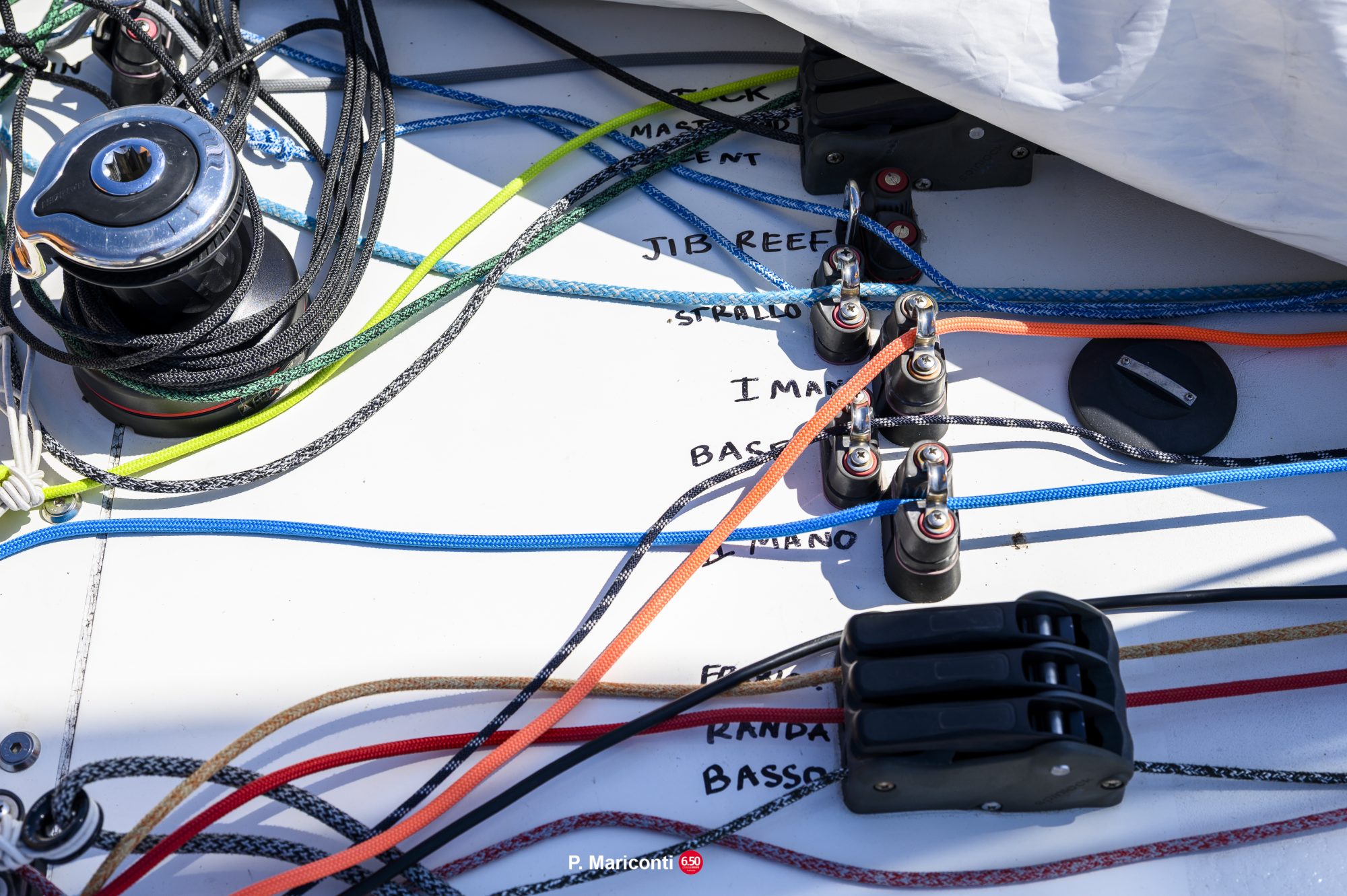
“We’re not just trying to create a queer space—we’re trying to make the entire sport safer and more diverse.”
Q: Looking ahead beyond the Mini Transat, what’s your dream path in professional sailing?
Nico: For me, the Mini is only the beginning. I hope to move into the Figaro class next, which is very technical, and then into the Class 40 for more advanced transatlantic competitions. Eventually I want to step up to the IMOCA 60s—the foiling boats that practically fly above the water. The ultimate dream is the Vendée Globe, the solo, non-stop, round-the-world race that’s considered the Everest of sailing. It’s hard to imagine the mental and physical intensity of it right now, but I’m taking everything step by step and building toward that goal.
Q: Any final thoughts you’d like to share?
Nico: I’m loving every moment with my boat. Everything is going well, and I’m excited for the future. I just hope people can support the campaign—whether through funding or by helping spread the message of inclusivity in sailing.
Creating spaces for queer sailors isn’t just for me; it’s for the next generation. If even one young person sees me and thinks, “If they can do it, I can too,” then it’s already worth it.